Older woman in hospice coloring

The Role of Art Therapy in Hospice Care

By Hospice

For those in hospice care, improving quality of life is an important goal. Much like music therapy, art therapy can bring joy to hospice patients and improve their mental and physical health.

While art has been used as a form of therapy and grief care in cultures around the world for hundreds of years, the term “art therapy” wasn’t used until the 1940s. In the decades since, art therapy has taken on new forms and been used in new ways, with formal training and licensing regulations now in place.

When used for those in hospice, art therapy can provide substantial benefits for patients and caregivers. Let’s take a closer look at art therapy in hospice care!

What is Art Therapy?

group of people in hospice painting

Art therapy uses the creative process to help alleviate pain and improve patients’ mental health. For those in hospice, it can improve quality of life, reduce some symptoms, and provide a way for patients to express their emotions.

Art therapy programs come in many different forms and can be tailored to a patient’s specific needs. Typically, art therapy involves drawing, painting, creating collages, or another artistic endeavor. An art therapist will often offer group or one-on-one sessions.

Benefits for Patients

The benefits of art therapy have been observed in many different studies, and researchers have seen physical, mental, and emotional benefits for patients. From reducing patient pain to helping patients come to terms with their diagnoses, here are a few of the main benefits:

1. Reduce Pain

Older woman in hospice coloring

Many patients who have participated in art therapy have reported decreased pain. This can be because art provides a distraction from the pain a patient feels. Creating art also releases endorphins, which can help block pain. Plus, the creation process involves movement, which encourages patients to actively engage with their art and the environment.

2. Increase Quality of Life

One of hospice care’s main goals is improving a patient’s quality of life, and art therapy does just that! Patients who participate in art therapy have said that they feel calm, entertained, and motivated throughout the process. Art therapy can also give patients a sense of empowerment and increase their self-worth, which improves their quality of life.

3. Express Emotions

close up of person drawing with pastels

When coming to terms with a terminal diagnosis, hospice patients may struggle to put their emotions into words. Art provides a creative outlet for patients to express their pain, confusion, and inner conflict, allowing them to communicate without words. This act of self-expression, especially with the guidance of a licensed art therapist, can help patients better understand the emotions they’re trying to process.

4. Improve Mental Health

Many patients in hospice struggle with mental health issues like anxiety and depression. Because art therapy causes endorphins to be released and encourages self-expression, it can also improve patients’ mental health. By strengthening positive feelings, alleviating distress, and helping patients relax, it can even help reduce anxiety and depression.

5. Process Questions About Life

man coloring a coloring page with black cracks drawn on it

One of the hardest parts of receiving a terminal diagnosis is processing and accepting it. Many patients find themselves reviewing their lives, wondering if they left behind a meaningful legacy, or facing their fear of death. Art therapy can help patients face their questions about life and examine their feelings about life and death. Plus, the creative process gives the patient a piece of art that helps them leave a legacy for their loved ones.

6. Find Support

Many hospice patients struggle with loneliness and isolation. Receiving a terminal diagnosis can shift relationships and leave a patient feeling alone. Art therapy provides patients with the support of a licensed art therapist, who can help them process what they’re going through. Plus, group sessions can help a patient build community and receive support from others in similar situations.

Benefits For Caregivers

group of people in hospice doing art therapy

While most hospice art therapy programs are mainly for hospice patients, families and caregivers have also seen benefits. Seeing their loved one involved in art therapy can give them good memories of their loved one to hold onto.

If a caregiver can participate, art therapy can be a great source of self-care, helping them cope with their own feelings of grief. Plus, if caregivers participate alongside their loved ones in hospice, they may be able to process any conflicts and open up about their emotions together.

In addition, caregivers can receive social support from the art therapist and other caregivers involved in the art therapy process. They can ask questions about their complicated emotions and find community with others in similar situations.

Processing a terminal diagnosis and entering hospice care can be difficult for both patients and caregivers. However, art therapy can improve quality of life and allow patients and caregivers to receive the support they need. Plus, it can help participants express their emotions and wrestle with the deep questions they face. Whether in a group setting or one-on-one with a licensed therapist, art therapy can be an excellent option for those in hospice to explore

two people hugging, one holding small baby shoes

Dealing with Guilt After Child Loss

By Children, Grief/Loss

For a parent, losing a child is devastating. Whether your child is a newborn or a teenager, they play a huge role in your life and are a big part of your identity, and losing them turns your world upside down. It feels unnatural for a child to die before a parent, and you may feel overwhelmed by confusion, anger, guilt, and many other emotions.

two people hugging, one holding small baby shoes

When something we can’t make sense of occurs, like the death of a child, our brains search for some reason in the situation. After the loss of your child, you may see a correlation between your actions and the death, and even if that connection wasn’t the cause of your child’s death, guilt can easily follow. Additionally, you may feel guilt because you believe it was your duty to protect the child and that there was something you could have done to prevent their death.

While it’s normal to feel guilt after the loss of a child, these guilty feelings can hinder the grieving process and tear you down. As you grieve the loss of your child, here are a few strategies you can use to cope with any guilt you feel.

Acknowledge what you feel guilty about

woman writing in a notebook

When we feel guilty, especially while grieving, our instinct is often to avoid our feelings. But to begin to overcome your feelings of guilt, you need to face them. Why do you feel guilty? It may be painful to face your feelings of guilt, but being honest with yourself can help you confront your fears and understand why you feel guilty.

If you’re not sure how to start, try taking some time to write down your feelings and explore them on paper. Your emotions may feel bigger in your head, and writing yours down may make them feel more manageable. You could also talk to a trusted friend, a family member, or a grief counselor about what you’re feeling who will let you be honest without judging or dismissing what you say.

As you acknowledge your guilt, remember that your guilt may be real or false. You may feel like you’re to blame, but in most cases, that feeling is misplaced. Examine what you feel, and don’t take the truth of your feelings at face value.

Let go of the “should haves”

mother comforting her adult daughter

After losing a child, many parents find themselves thinking of all the things they wish they had done differently. “I shouldn’t have let her go out with those friends.” “We should have talked together and resolved our argument.” “I should have seen the signs that she was sick.”

As painful as it can be to admit, you must accept that what happened was beyond your control. You couldn’t have known what would happen, and thinking about these “should haves” will only hurt you. There are things you can’t control or foresee, and you did your best with what you knew. Dwelling on what you should have or could have done will only lead to more self-blame and hurt.

When you catch yourself thinking of things you could have done differently, pause and take time to redirect your thoughts. If you find your thoughts drifting into self-blame, take a moment to acknowledge that there are things you just can’t prepare for or prevent. If you feel guilty for not spending more time with your child, think about some of your favorite memories with your child and cherish those instead. As hard as it may be, take a second look at your thoughts and be intentional about which thoughts you dwell on and which you reject.

Forgive yourself

person sitting outside on the grass watching a sunset

Forgiving yourself may sound simple, but anyone who feels guilty knows that’s one of the hardest things you can do. We can easily focus too much on our perceived mistakes, flaws, and negative experiences. Psychologists call the tendency to fixate on negative qualities or experiences “negativity bias.” This bias can make it hard to let go of guilt, whether real or unfounded.

But forgiving yourself for the things you feel guilty about can break the cycle of guilt and self-blame. Forgiveness yourself doesn’t mean forgetting or dismissing your feelings; it’s letting go of your guilt and being gentle and understanding with yourself. This critical step isn’t a one-and-done action. You may need to take time each day to pause, take a breath, forgive yourself, and release your guilt. But over time, forgiving yourself will get a little bit easier.

Be patient with yourself

two people holding hands and comforting each other

The loss of your child has likely turned your world upside down. As you grieve their loss and navigate any feelings of guilt, be patient with yourself. You may know that your guilty feelings are unfounded or impractical, but your heart may need time to acknowledge that.

Each day may bring a different struggle, and weeks or even months after the death, you may encounter a new emotion or think of something you hadn’t previously considered. There may be days when you feel like you’re backtracking or losing your progress.

In those moments, remind yourself that you have a right to feel what you feel. Give yourself time and space to grieve, and be kind to yourself. Grief changes shape over time, and it’s perfectly normal for some days to be more challenging than others. Be patient with yourself as you navigate your new normal.

Seek help

man hugging and comforting a woman crying

As you work through the emotions you feel, remember that you’re not on your own. Seek out trusted friends and family members for help and support. They may be going through similar struggles to you as they grieve the loss of your child, and they can be there to cry with you, support you, and talk through what you’re feeling.

In addition, if you find yourself continuing to struggle with guilt and your grief, seek out a professional grief counselor or a grief support group. That extra support can help you better understand your feelings and provide an outlet to talk about your emotions with people outside of your immediate circle.

As you begin to navigate any feelings of guilt after the loss of your child, take time to cherish the time you had with your child. Remember that your child loved you and wouldn’t want you to blame yourself for their death. While it will take time to heal, be patient with yourself, take care of yourself, and give yourself space to grieve your loss.

Casket with flowers on top next to rows of candles

5 Questions to Ask When Selecting a Casket

By Cemeteries, Explore Options, Planning Tools

As you plan a funeral for a loved one or preplan for yourself, there are a lot of decisions you’ll need to make. If you choose burial, one question you’ll need to ask is what type of casket you should pick.

Caskets are one of the more expensive elements of the funeral and burial process, so it’s important to know what you want. Before purchasing, research various types of caskets and their associated costs.

To get you started, here are five questions to help you decide what you’re looking for in a casket.

1. Do You Want a Casket or a Coffin?

coffins and caskets sitting side by side

Before examining the different caskets available, we need to make sure that we know exactly what we are referring to when we use the term. While the word casket is often used interchangeably with coffin, there is an important difference between the two: a coffin is hexagonal or octagonal, while the casket is rectangular. Also, a casket often contains a split lid to view the body, while a coffin does not.

In the photo above, the two containers on the ends are coffins, while the one in the middle is a casket. Caskets are more prevalent in the U.S., while coffins have a long tradition of popularity in the U.K.

2. What Material Do You Want?

Casket with flowers on top next to rows of candles

Most caskets are made of wood or metal, but there are many other options, too! Here are a few of the most common materials for caskets:

Wood

  • High-cost materials: Mahogany, Walnut, and Cherry
  • Medium-cost materials: Oak, Birch, and Maple
  • Low-cost materials: Pine, Poplar, and Willow

Metal

  • Standard Steel: The least expensive type of metal casket available. Available in 20-gauge, 18-gauge, and 16-gauge. The term “gauge” refers to the thickness of the metal. The lower the gauge, the thicker the material.
  • Stainless Steel: More durable than standard steel and a little more expensive. Available in the same gauges as standard steel.
  • Copper and Bronze: Durable, high-quality metals, but far more expensive than steel. These metals have rust-resistant properties that steel lacks, but they will eventually oxidize and break down in a manner similar to rusting. Unlike steel caskets, they are measured by weight instead of gauge.

Eco-Friendly

light tan wicker pattern

Want to go green? You also have environmentally friendly options! Wicker caskets made from bamboo, willow, or seagrass are popular choices. Cardboard caskets are another option, and some can be decorated with a digitally printed design. You can also look into burial shrouds made of wool, cotton, linen, and silk. If you want to be environmentally conscious but desire a traditional wooden coffin, consider a coffin made from sustainably sourced wood.

However, if you want the burial to take place in a natural or green cemetery, ask them about their guidelines for green burial first. Some cemeteries have regulations about what burial containers are allowed.

Alternative Containers, Cremation Caskets, and Rental Caskets

If you opt for cremation, you may still want to decide on a casket or container to use. A cremation casket is a wooden casket that can be cremated with the body after the service. An alternative container, generally made of wood, cardboard, or fiberboard, is a cheaper option. If you want a ceremonial casket at the funeral, most funeral homes offer a rental casket for the service, which isn’t as weird as it sounds. Rental caskets include a place to insert the cremation container to be placed inside for the service. After the service, the cremation container is removed for cremation, offering the best of both worlds.

3. Should Your Casket Be Gasketed or Non-Gasketed?

light brown casket with flowers all over it

You may have heard people refer to certain metal caskets as “gasketed.” A gasketed casket, also known as a protective or sealer casket, is sealed with a rubber gasket to keep the elements from entering the casket. A non-gasketed or non-sealer casket doesn’t have a sealing system, but it still closes securely.

While a seal will protect the casket for a long time, it will not preserve it indefinitely. It simply keeps outside elements from entering the casket. Sometimes, a gasketed casket may be required, but talk to your funeral director or cemetery to learn about their guidelines.

4. Who Should You Talk to About Purchasing a Casket?

light tan half couch casket with one lid open

Visiting your local funeral home to browse their casket selection in person is a good idea. If you do, ask your funeral director to show you a list of available caskets before showing you the caskets they have in their showroom, so you can get a better idea of what options they have.

Make sure to ask to see a variety of caskets in different price ranges. Some customers buy the first casket they see and don’t review all the options. Don’t rush through the process of purchasing the casket. Get the full picture, explore all available options, and talk to your funeral director if you have any questions. Remember that the funeral director is there to help, and their experience can be beneficial.

5. Do You Need a Burial Vault or Grave Liner?

white metal casket sitting outside

Grave liners and burial vaults are outer burial containers that play an important structural role in maintaining level ground in a cemetery. Over time, caskets deteriorate, weighed down by six feet of earth and the heavy machinery used to maintain the cemetery grounds. When this happens, the ground sinks, leaving an uneven landscape in the cemetery.

To avoid this, caskets are usually placed in solid structures that can bear the weight of the earth, helping to maintain the integrity of the cemetery grounds. The grave liner or burial vault holds the casket solely for this purpose.

Though not required by law, most cemeteries require a burial vault or grave liner. However, green cemeteries and nature preserves generally do not. Talk to the cemetery you are considering to find out if you need an outer burial container.

As you select a casket, take time to learn about all the different options. Your funeral director can help you understand what choices are available to you. No matter what you choose, remember that there are plenty of ways to personalize the casket of your choice and make it unique to you or your loved one.

woman dropping off a meal for her friend

Meal Train Etiquette: Tips for Bringing Food to the Grieving

By Grief/Loss, Helping a Friend in Grief

When someone you know has lost a loved one, you likely want to be there to support them. Bringing a meal is a great way to do that! After losing a loved one, families have a lot going on, and it can be hard to plan, shop for, and cook meals. By bringing them a meal, you can help make their time of grieving a little bit easier.

If you decide to help your friends out by providing a meal, here are a few tips to keep in mind:

Contact the family ahead of time

person in a coffee shop on their phone

Before you drop off a meal for a family, contact them to find out what day and time works best for them. They may have other people bringing meals, or there may be days when they aren’t in town. If no one has created one, you can set up a Meal Train or Take Them a Meal schedule so friends and family can coordinate meals for the grieving family.

On the day you’re scheduled to drop off the meal, make sure to contact the family to set up a time to drop it off. That way, they’ll know you’re still coming and can ensure someone is at the house to accept the food.

If something comes up and you can’t make your scheduled time, contact the family as soon as possible to let them know and arrange an alternative, like ordering pizza to be delivered to their house or switching days with someone else.

Choose a dish based on the family’s preferences

baked pasta casserole on a table surrounded by ingredients

If a meal schedule is already set up, check to see if the family has provided any information about food preferences, allergies, and dietary needs. If not, contact the family to find out what they would prefer.

Depending on the family’s wishes, you can bring food from a restaurant, make something for them, or provide a ready-to-bake dish. Many people bring casseroles and lasagna, so suggest a few options you’re comfortable cooking and ask the family what they’d prefer.

If the family is open to options, lean toward foods that aren’t too spicy or exotic unless that’s their preference. Avoid common allergens, and try to bring dishes that are easy to freeze in case they don’t eat everything at once. For ideas on good recipes to bring to a grieving family, check out Pinch of Yum or this article from Love to Know.

Also, consider bringing sides with your meal, like garlic bread or salad. You can also add snacks for the family, like cut veggies, fruit, or chips. These can add some variety and give them something to enjoy between meals.

Use disposable containers

chicken baking in oven in foil pan

When putting together your meal, use disposable pans or baking sheets you don’t want back. You could also check your local thrift store for baking dishes to give to the family. When you drop off the food, be sure to let the family know that you don’t need the container back. You may also want to include a note listing what ingredients are in the dish and any cooking or reheating instructions.

Consider the timing

As you choose a meal, remember what time you’re bringing the food! If you’re dropping off the dish around mealtime, bring something hot. If you want to bring something the family will need to heat themselves, ask about dropping it off earlier so they have time to cook it.

Be mindful of children

If the family you’re bringing food to has children, remember them when planning! Kids can be picky, so think about that when bringing a dish and try to pick something that they might enjoy.

Typically, kids also have an early bedtime, so plan to bring food earlier in the evening. If you’re not sure what would be best, don’t be afraid to ask the family any questions you have about food or drop-off times.

Don’t overstay your welcome

woman dropping off a meal for her friend

While you may be eager to talk to the family or express your condolences, you should never overstay your welcome. The family may not feel like socializing while they’re grieving, and they are likely hungry and ready to eat!

If you don’t know the family well, keep your drop-off short and don’t go inside unless they invite you in. A few words, handing over the food, and a hug show your sympathy without being overbearing.

If the family does invite you in, try to keep your time there short unless you know them better and have agreed to a chat and visit. Read the room, pay attention to when they start to get tired or distracted, and excuse yourself. They’ll appreciate your thoughtfulness, and you won’t add additional stress to their time of grieving.

Help in other ways

man dropping off groceries for a friend

Families often receive dinner or lunch from other friends every day, so consider asking if they would prefer something different. Offer to bring them breakfast foods, either in the morning or dropping them off the evening before. Or ask if you can bring groceries or restock their pantry with easy-to-make foods, like mac and cheese, ramen, canned veggies, or soup.

Donations and gift cards are a great alternative to bringing a meal, too, since they’re flexible and can help fill in the gaps when the family doesn’t have anyone bringing food. If you’ve set up a Meal Train, you can add the option for donations so friends and family can contribute together.

Additionally, if you know the family well, consider asking them to your house for dinner instead of bringing a meal to them. This can help someone who’s grieving get a break from their own house and enjoy good company. If you do invite your grieving friend and/or their family, keep it casual and low-pressure, and be ready to offer an alternative if they decline. They may need more time before they feel ready to socialize.

Don’t be offended if your help is rejected

younger woman holding an older person's hands

Everyone reacts to grief differently, and the time after losing a loved one can be hectic for a grieving family. They may not have time to respond to your text or call or feel too overwhelmed to talk. That’s okay! It’s nothing against you. Be patient, give them time, and respect their wishes. You can always offer again in a few days or weeks.

As you prepare a meal for your grieving friends, don’t stress too much! Even if you don’t know what to say or how to express your condolences, your effort in bringing a meal and helping the family out makes a huge difference in their life and shows that you care. The grieving family will appreciate your kindness and support.

Other Resources for Supporting the Grieving

microphone for a eulogy

What’s the Difference Between a Eulogy and an Obituary?

By Meaningful Funerals

After the death of a loved one, you or another family member will need to write a eulogy and an obituary. But what is the difference between these two?

While both the eulogy and the obituary aim to honor the deceased and celebrate their life, these two forms of writing serve distinct purposes. Here are a few key ways eulogies and obituaries are different:

Spoken vs. Written

person typing on a laptop

The most significant difference between the eulogy and the obituary is that one is spoken, and one is written. An obituary is a written account of the deceased’s life, while a eulogy is a speech given at a funeral in honor of the person who has died.

A eulogy will be written before it’s spoken, but it should be written as a speech, with more emphasis on how it sounds than on how it appears on a page. An obituary will primarily be shared in print or online, so extra focus should be placed on grammar and organization.

Long vs. short

microphone for a eulogy

Another difference between eulogies and obituaries is their length. While the length can vary, eulogies are often much longer than obituaries.

While the length of a eulogy will vary based on the speaker’s speed, eulogies tend to be around 3-5 minutes, which means they’re usually at least a page or two long. This gives the speaker time to elaborate on specific stories or special memories of the deceased.

Since obituaries focus more on biographical information, they’re often shorter, usually around 200 words, although they can be longer. Some publications have a word count limit for obituaries, so an obituary writer will need to check to see if there are any specific length guidelines they need to follow.

Snapshot vs. Biography

person writing in a notebook

Both eulogies and obituaries honor the deceased and recount moments from their life, but their focus is usually different. The eulogy typically shares more of a snapshot of the deceased’s life. It may include some biographical information, but its main focus should be highlighting the legacy of the deceased: the meaningful moments and the lives they impacted.

On the other hand, obituaries tend to be more biographical. They typically focus on the deceased’s accomplishments and details about their family, providing a bird’s-eye view of who they were. That doesn’t mean an obituary is just a list of names and dates, though! Great obituaries are also personal and give an idea of the deceased’s personality, hobbies, and passions.

Now you know the difference between an obituary and a eulogy! While the two are very different, both share a common goal: to honor someone who has died. If you are creating an obituary or eulogy for someone you love, personalize what you write and share the legacy left behind by your loved one.

How to Personalize the Location of a Funeral

By Explore Options, Meaningful Funerals, Personalization, Planning Tools

The funeral is a time to truly honor and remember a loved one’s life, but how can you personalize the service to reflect that special person’s personality, preferences, interests, and uniqueness?

You can choose music uniquely suited to your loved one’s interests. You could include readings or symbols or healing actions that are meaningful and tailored to your lost loved one’s preferences. Another way you can personalize the funeral is by choosing a location for the service that fits who they were as a person. Let’s discuss the possibilities.

Casket with flowers resting on top placed in front of a room near a podium

First, Why Does Personalization Matter?

Dr. Alan Wolfelt, a nationally respected grief counselor and author, believes that personalizing the funeral is critical to honoring a loved one’s life and finding healing after loss. He says:

I encourage you to slow down, take a deep breath and focus on what is really important—what is essential—about the funeral you are planning. What is essential is the life that was lived and the impact that life had on family and friends. To honor that unique life, the funeral must also be unique. Over and over, families tell me that the best funerals are those that are personalized.”

In a world focused on efficiency and getting things done as quickly as possible, the funeral is a moment to slow down and be thoughtful. When we do things too quickly, they can sometimes feel impersonal and hollow. That’s why personalization is key!

A personalized service beautifully and lovingly honors life. It creates a sweet moment of remembrance, a time to say goodbye, a unique acknowledgement that a person’s life mattered in all the big and small ways.

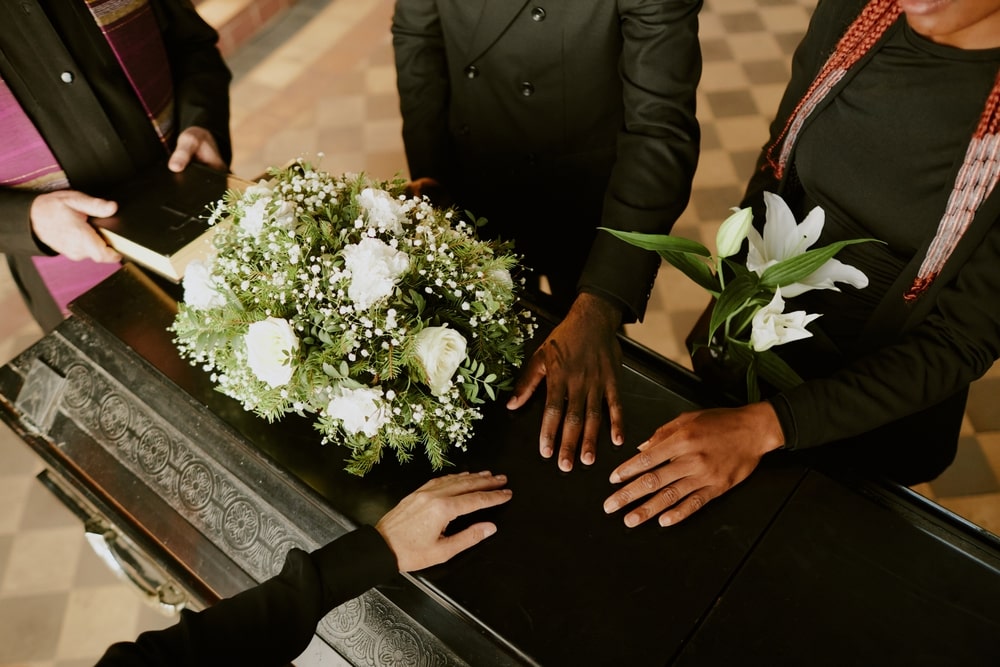
Three people standing together, wearing black and holding white lilies

How to Personalize the Location of a Funeral

Depending on what events you decide to include, you have many options for choosing a unique location. If you have a service, a visitation, and a gathering, you could choose separate places for each. For example, the visitation could take place at the funeral home, the service at your local church, and the gathering at your loved one’s Rotary Club, favorite restaurant, or wherever you wish.

The point of choosing a specific location is to add an extra element of meaningful personalization to the funeral, so it really feels like the best way to honor your loved one’s life.

Here are a few ideas for choosing a personalized location:

1. Choose a convenient place

Sometimes, the easiest and best option is to have the funeral or memorial service at the funeral home itself. Many funeral homes offer beautiful facilities and will let you decorate the room to reflect your loved one’s life. You could include photos, mementoes, cherished possessions, flowers, balloons, whatever seems to appropriately reflect your loved one’s hobbies and interests.

Alternatively, you could choose to host the service in your own or the deceased’s home. While this option is not as popular, it could be convenient for your family and would allow you to have the service in a comfortable environment.

2. Choose a place of worship

For those who are religious, having the service at a place of worship may be the best location for your loved one. Your funeral director will help you coordinate with a local church, synagogue, mosque, or other place of worship. And if it’s allowed, you could also add special touches to that location that will reflect your loved one’s unique life.

A white church-like building that could be used for a funeral service

3. Choose a place related to their interests

Another option is to select a place that has special meaning to your loved one. If they coached little league, perhaps you could hold part of the ceremony at the local baseball diamond. If they were part of a gardening club, you might be able to host the ceremony at the rose garden. For those who loved the beach, ask friends and family to come to a memorial service at sunset. Again, chat with your funeral director about the options. The funeral home staff will do everything they legally can to make your wishes become reality.

4. Choose a place related to their professional career

For those deeply dedicated to their career or field of study, you could select a location that is significant to their achievements. For example, you could choose to bury a veteran in a national cemetery and have the service there. Or for a mariner, you could opt for a service and burial at sea. For those dedicated to teaching or the medical field, you could possibly hold a ceremony at their university, school, or hospital. While some professional spaces will be off-limits, you never know unless you ask.

No matter what you choose for the location of a funeral, make sure that you add other meaningful touches to the event. These special touches combined will make the service even more touching and healing.

Young woman wearing black, crying as she stands in front of a black cremation urn

Additional Personalization Resources

If you’d like more information about how to personalize the funeral, give these resources a quick read:

Rolls of fabric

Mourning Colors From Around the World

By Educational, History of Funerals

In the United States, black is the color most people commonly associate with grief and mourning. However, that’s not true for all cultures. The color of mourning is often deeply rooted in the history and beliefs of a nation and its people, so let’s see which colors represent mourning around the world.

Black

Black silk fabric

In addition to the United States, black is the color of mourning in most Western nations as well as some other nations. Wearing black is a symbol of sadness, loss, and death. Writings from Ancient Rome reveal that the tradition of donning black after a death was common even in that day.

And while the color black never went out of use, it became particularly popular during the reign of Queen Victoria. Following the death of her husband, Prince Albert, the Queen spent the next 40 years of her life mourning his death. She commonly wore black or other dark colors to symbolize her deep sense of loss. Her example went on to influence many other nations in Europe and North America, leading to a stronger connection to black as a color of mourning.

Like many Western nations, black is also a common mourning color in Japan, Brazil, and Thailand, to name a few. It’s also quite common to see black worn at Jewish funerals.

White

White satin fabric

Another very common funeral color around the world is white, particularly in Asia (China, Cambodia, India, etc.) where the people strongly associate with Buddhism or Hinduism.

Universally, white symbolizes purity, innocence, and rebirth. In Buddhism, white is also representative of reincarnation and the circle of life. Similarly, in Hinduism, white is a symbol of light, goodness, spiritual rebirth, and a new beginning. As these religions base many of their core tenets on the life that comes after death, it’s easy to understand why white – as a symbol of rebirth and new beginnings – would be so important at the funerals of loved ones.

There are also examples of white used for mourning in other parts of the world. For example, in 15th and 16th century France and England, bereaved children and unmarried women often dressed in white instead of black. Also, in indigenous Australia, it’s common practice to wear white body paint to show remorse for the loss of a loved one.

Red

Red cotton fabric

One of the least-used mourning colors, red is nonetheless prevalent in a few countries around the world. In South Africa, mourners wear red, though the origins of the practice are heartbreaking. The color represents the apartheid era and the blood that was shed during those years.

Red is also used in Ghana, but there is a condition. Red (often paired with black) is only worn by the deceased’s immediate family; black or white is worn by all other mourners.

On the other hand, never wear red to a funeral in China. Because of its strong association with happiness, cultural tradition forbids the use of red at Chinese funerals.

Purple

Purple silk fabric

Long connected to spirituality and royalty, purple is used during Easter celebrations to represent the pain and suffering of Christ’s crucifixion. For this reason, many Catholics in Brazil, Guatemala, and other Central or South American countries pair purple with black during times of grief.

In Thailand, purple represents sorrow. The color is worn exclusively by widows following the death of a husband; all other mourners wear black.

What if I Don’t Know What Color to Wear to a Funeral?

As you can see, the culture you live in, and in some cases, the religion you follow can have an impact on the mourning colors that are acceptable and expected. And in some countries, there’s a mix of colors, though black and white are the most common threads.

Rolls of fabric

If you aren’t sure what to wear to a funeral, the best thing to do is ask for guidance. You can reach out to the family, a close friend, or even the funeral director. For example, if you haven’t been to a Jewish funeral, contact someone to learn what clothing would be respectful.

In general, it’s good etiquette to avoid bright colors like orange, yellow, green, and blue. Unless you are attending a funeral where red is appropriate, generally avoid it, too.

Did any of these colors surprise you? It’s fascinating to see how mourning colors develop and understand the role they play in helping us mourn the loss of those we love.

Top 10 Songs for a Funeral Ceremony

By Meaningful Funerals, Music

Music can be a powerful component of the funeral ceremony because it allows us to process our feelings in a very special way. Grief counselor and educator Dr. Alan Wolfelt says that music imprints itself on the heart more than any other experience in life. Music can help us express our emotions in unique ways that words cannot.

As you select songs for your loved one’s funeral service, think about songs that were meaningful to them; almost any song that your loved one enjoyed could be used in their service. If you’re unsure where to start, though, here are 10 great songs you can incorporate into your loved one’s funeral or memorial service.

Fire and Rain (James Taylor)

Won’t you look down upon me, Jesus
You’ve got to help me make a stand
You’ve just got to see me through another day

This enormously popular early ’70s hit, written and passionately sung by the great James Taylor, contains many themes that apply to a funeral audience: the loss of a friend, praying for help from a higher power, and attempts to stand firm during times of “fire and rain.” The peaceful and sweet melody balances the honest and vulnerable lyrics, capturing both the complexity of the grieving process and the various emotions people experience in the aftermath of loss.

Stand by Me (Ben E. King)

Oh, I won’t be afraid
Just as long as you stand
Stand by me

This classic pop song is simple and direct, but that doesn’t mean it lacks depth or heart. An instantly recognizable anthem of love and perseverance, the song strikes just the right note for a funeral, conveying hope amid painful circumstances. When we go through difficult times, we all need someone to stand by and support us, and this song beautifully encapsulates that need. It’s been covered many times by a number of talented artists, but the original is preferable for its familiarity and for King’s raw energy.

You Raise Me Up (Westlife)

I am strong
When I am on your shoulders
You raise me up
To more than I can be

While several bands have covered “You Raise Me Up,” Westlife’s version is one of the most popular. With lyrics that remind us that we are stronger because of the people we surround ourselves with, this song would be a beautiful tribute to a parent or mentor who was always there to support those around them. Additionally, for those who are religious, “You Raise Me Up” can be seen as a reminder that during times of grief, we can turn to God for support.

You’re My Best Friend (Don Williams)

You placed gold on my finger
You brought love like I’ve never known
You gave life to our children
And to me a reason to go on

This song’s simple, straightforward lyrics beautifully capture the love between a married couple. Don Williams delivers some of the most heartfelt and heartbreaking lines ever recorded as a tribute to the person who is his “anchor in life’s oceans.” Losing someone you love, lean on, and find comfort in is one of the hardest things you can go through, and this song can serve as a heartfelt tribute to honor the memory of a spouse or long-time partner.

We’ll Meet Again (Vera Lynn)

We’ll meet again
Don’t know where
Don’t know when
But I know we’ll meet again some sunny day

Vera Lynn’s 1939 classic has undeniably been a favorite choice for funeral services for many years. Written on the eve of the Second World War, it captured the sentiments of many families who had to say goodbye as their loved ones left for battle. But this British tune has taken on a deeper meaning as families have used it in funerals for their loved ones. Vera Lynn’s piercing voice conveys hope in the face of loss in a way that carries universal appeal, and many people have used it to say goodbye to someone they love.

Into the West (Annie Lennox)

Across the sea
A pale moon rises
The ships have come to carry you home

While it was composed for the end credits of the 2003 film The Lord of the Rings: The Return of the King, respect for this song extends far beyond Tolkien fans. The universal appeal of the lyrics and Lennox’s breathtaking vocal performance make it a great choice for a funeral service. The nature-driven imagery highlights both the pain of loss and the hope of a peaceful rest for a loved one. Lennox’s faith-driven assurance that “you and I will meet again” makes this a particularly good choice for religious ceremonies.

Tears in Heaven (Eric Clapton)

Beyond the door
There’s peace I’m sure
And I know there’ll be no more
Tears in heaven

Written after the loss of his 4-year-old son, “Tears in Heaven” is a moving piece about Clapton’s grief journey. The gorgeous melody, masterful acoustic guitar work, and heartfelt lyrics are perfect for honoring the life of a loved one. Over the past 25 years, the song has sprung up in many funerals, and its popularity isn’t surprising. “Tears in Heaven” portrays a bold and honest struggle with grief, while the profoundly personal nature of the song resonates with many families who have lost loved ones.

Landslide (Fleetwood Mac)

Well, I’ve been afraid of changin’
Cause I’ve built my life around you
But time makes you bolder
Even children get older
And I’m getting older too

Once they released their self-titled 1975 album, Fleetwood Mac exploded into the mainstream. The album features many of the band’s most popular songs, but Landslide, a heartfelt exploration of loss and change, packs the greatest emotional wallop. A great choice to honor the memory of a parent or close loved one, this gentle pop song has been a favorite at memorial services for many years.

See You Again (Wiz Khalifa ft. Charlie Puth)

So let the light guide your way, yeah
Hold every memory as you go
And every road you take
Will always lead you home

The most recent song on this list, See You Again, was written and recorded for Furious 7 (2015) as a goodbye to Paul Walker, one of the main actors who died suddenly during the movie’s production. Charlie Puth’s heartfelt vocals and Wiz Khalifa’s nostalgic rap work together to create a song filled with both the grief of loss and gratitude for the happy memories together. In recent years, this song has struck a chord with many grieving families and captured the hope of a time when we’ll be reunited with the loved ones we’ve lost.

My Way (Frank Sinatra)

I’ve lived a life that’s full
I’ve traveled each and every highway
And more, much more than this
I did it my way

Sinatra’s anthem is undeniably one of the most popular funeral songs, and it’s easy to see why. This classic song celebrates a life well lived and is a testament to the power of the individual and the impact that they can have on the world. In addition, the beautiful lyrics and Sinatra’s powerful voice work together to create a bold, heartfelt sound. A fitting tribute to a loved one who embraced life to the fullest and faced “the final curtain” with dignity, “My Way” is still a timeless song to honor a loved one.

For more suggestions on songs to include at a funeral service, check out the resources below:

By decade:

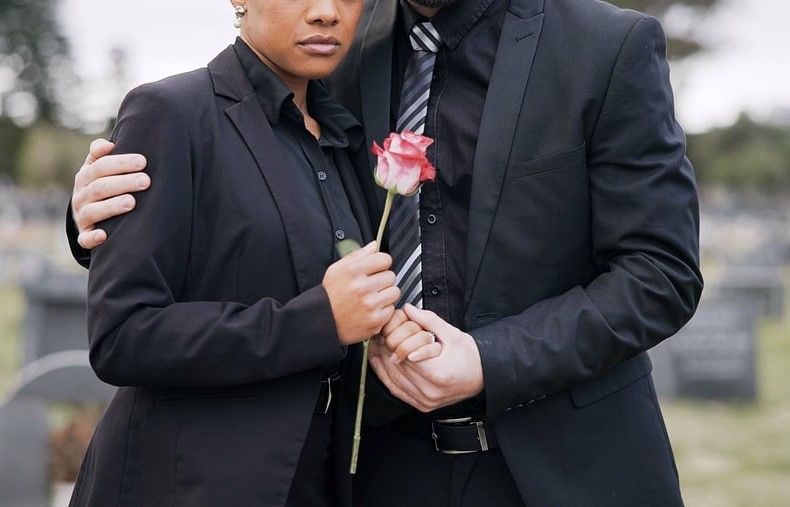
Woman in black clothing holding a white rose; funeral and gathering

How to Personalize the Gathering at a Funeral

By Explore Options, Meaningful Funerals

The funeral is a time to truly honor and remember a loved one’s life, but how can you personalize the service to reflect that special person’s personality, preferences, interests, and uniqueness? According to Dr. Alan Wolfelt, nationally respected grief counselor and author, there are 7 distinct elements to a funeral, and each one can be personalized. Today, let’s talk about how you can use the gathering to personalize a loved one’s final tribute and create funeral events that are truly special and meaningful.

Woman in black clothing holding a white rose; funeral and gathering

First, Why Does Personalization Matter?

I encourage you to slow down, take a deep breath and focus on what is really important—what is essential—about the funeral you are planning. What is essential is the life that was lived and the impact that life had on family and friends. To honor that unique life, the funeral must also be unique. Over and over, families tell me that the best funerals are those that are personalized.”  – Dr. Alan Wolfelt

In a world focused on efficiency and getting things done as quickly as possible, the funeral is a moment to slow down and be thoughtful. When we do things too quickly, they can sometimes feel impersonal and hollow. That’s why personalization is key!

A personalized service beautifully and lovingly honors life. It creates a sweet moment of remembrance, a time to say goodbye, a unique acknowledgement that a person’s life mattered in all the big and small ways. Now, let’s talk about the gathering and how including it after the funeral or memorial service can add beautiful options for creating meaningful moments.

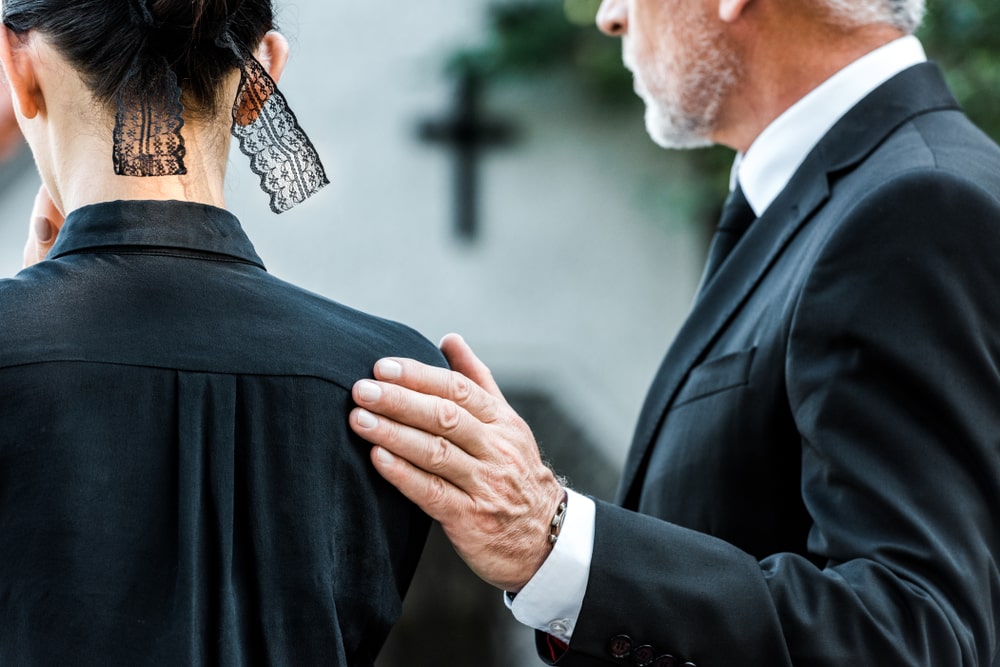
Man putting comforting hand on shoulder of a mourner at a funeral or gathering

How to Personalize the Gathering at a Funeral

The gathering is an opportunity for friends and family to come together after the funeral service to share stories and to support each other. It’s also the perfect time for personalization! The point of a gathering is to bring people together directly following the service to share stories, remember a loved one, and connect (or reconnect) with people. During times of grief, it’s essential to take time to support each other and swap stories about the beloved person who has died.

1. Choose a meaningful or convenient venue

When choosing the location of a gathering, you have many available options. You could have the gathering at your home, the deceased’s favorite restaurant, park, beach, or wherever you choose. Alternatively, if you’d prefer to keep things simple, many funeral homes offer event centers or gathering spaces that you can decorate to reflect your loved one’s life. This way, there’s no need for anyone to travel anywhere to attend the gathering. If you aren’t sure what to do or have questions, speak with your funeral director. They can help you understand your options.

2. Serve your loved one’s favorite foods

Most of the time, the gathering includes eating good food, seeing good people, and sharing good memories. To make the gathering more personalized, consider serving your loved one’s favorite foods.

That may mean catering from a local restaurant or asking everyone to bring a potluck dish. It could mean serving key lime pie with Pepsi on the side. Perhaps you should include a selection of beef jerky or a potato bar. Maybe your loved one was passionate about bread, so you could order pastries galore from the local bakery.

You know your loved one best – what foods brought them joy? Consider including those at the gathering in their memory.

Woman holding out a forkful of key lime pie at a gathering

3. Showcase memories from your loved one’s life

Depending on the venue you choose, you could have a lot of room for creativity. To add special, meaningful touches to the gathering, bring photographs and display them. Perhaps bring a few cherished possessions or mementoes. You could decorate the tables with centerpieces of your loved one’s favorite color, sports team, hobby, or whatever seems best.

The main point? Add elements to the gathering that reflect who your loved one was as a person. Without making it complicated, think about little touches that will make people think, “This would make Joe happy” or “Goodness, Maggie would just smile if she could see this” (insert your loved one’s name).

4. Give guests the opportunity to express their feelings

You can give guests the opportunity to express themselves in many ways. At the funeral service, you may have asked only a few people to give a eulogy, but at the gathering, you could open the floor to others to briefly share memories or sentiments about the person who has died. Alternatively, you could include note cards for people to write down memories. You could give away a remembrance token, like a printed photo of the person who has died or a postcard from their personal collection. There are a variety of options – the only limit is your imagination.

Man holding a microphone as he prepares to speak at a gathering

Questions to Help You Brainstorm

If personalization ideas aren’t already coming to mind, here are a few questions to help you brainstorm different ways you could customize the gathering.

  • Did your loved one have any hobbies or interests you could incorporate?
  • Is there a particular item or animal they loved?
  • Was there a book, movie, play, charity, etc., that they particularly enjoyed?
  • Do you want to give guests the opportunity to publicly share memories?
  • Is there a meaningful place or just somewhere that brought your loved one joy? And could you host the gathering there?

Hopefully, these questions will trigger some ideas for you and give you a good starting place for finding ways to add meaningful touches to the gathering. And if you are stumped, your funeral director can help. They are your advocate and guide throughout the funeral planning process. They can provide much-needed assistance when you just aren’t sure what to do next.

For more assistance with personalizing the funeral service or the gathering, check out these resources:

Man and woman sitting in a secluded space with a telescope, looking at the night sky

Naming a Star in a Loved One’s Memory

By Educational, Grief/Loss, Memorial

There are so many beautiful ways to honor a loved one’s life. Etching their name in the night sky may be one option you’ve never considered. Perfect for an astronomer, sci-fi nerd, or general space enthusiast, it’s possible to name a star after your loved one and keep their memory alive in the night sky for generations to come.

There are several companies that offer star registration, but we aren’t going to talk about all of them. Instead, we will focus on three big ones to give you an idea of what types of services are available.

Milky Way galaxy in the night sky

International Star Registry (ISR)

One of the first companies to offer star registration, ISR has been helping families honor and memorialize loved ones since 1979. They offer a variety of packages for every budget, starting at around $30 and going up to around $200 (prices subject to change). Each package offers the ability to choose your preferred constellation and receive an authentic Star Registry certificate (with additional add-ons depending on the package you select).

Additionally, every star registration is included in the world’s only published catalog of named stars, which is registered with the US Copyright Office and the Library of Congress. The catalog includes coordinates for every star registered.

To learn more about ISR and its mission to help families honor and remember loved ones through the naming of a star, click here to visit their website.

Man looking up at the darkening sky with telescope beside him

Star Name Registry

With its “Find My Star” app, Star Name Registry gives you the ability to view your star at any time of day or night using your smartphone. They also offer a variety of packages, starting at around $30 and going up to roughly $120 (prices subject to change). Every package comes with a star certificate, welcome letter, star info pack, and app entry. The “star info pack” includes a sky atlas, star location guide, constellation booklet, universe booklet, and an explanation of your star.


The company guarantees your registered star, but if you have concerns, they do offer a 30-day money back guarantee. To learn more about Star Name Registry, click here to visit their website.

Man and woman sitting in a secluded space with a telescope, looking at the night sky

Global Star Registry

Based in Sweden, Global Star Registry is available in multiple languages, including English, German, Spanish, amongst others. Similar to ISR (see above), all stars registered through Global Star Registry are recorded with the US Copyright Office.

Packages start around $30 and go up to $94 (prices subject to change). However, if you elect for any of the packages above $30, you will also receive a gift pack. (Other add-ons may also be listed.) The gift pack includes a star certificate, an engraved pendant or keychain, and a sky map.

To read reviews or check out the package options, click here to visit their website.

Stars in the night sky

Are There Other Star Registration Services Out There?

Absolutely! You aren’t limited to these three services if they don’t appeal to you. You could check out Online Star Register, Name a Star, or Starify, for example.

As you research which star registration service to use, here are some important things to consider:

  • Does the company offer a package that suits your budget?
  • Do the add-ons appeal to you?
  • Is your star registered with the US Copyright Office (if that’s important to you)?
  • Do they offer returns or a money-back guarantee if you should change your mind?
  • Is the company transparent and clear on what you will receive?
  • Does the company offer clear ways to reach out for customer support?

Young girl looking up at the night sky, looking for a registered star

A Quick Note on Star Registration

Naming a star in memory of a loved one is a beautiful way to keep their memory alive. It will blaze in the night sky forever. However, it’s important to note that no one legally owns outer space. Any naming of stars is for sentimental purposes only. Your star registration exists on paper and does not affect the star’s official name with the International Astronomical Union (IAU). The IAU officially tracks the scientific names of all stars and celestial bodies.

If you decide that naming a star in your loved one’s honor is a meaningful way to remember them, may you find comfort, peace, and joy each time you see them shining brightly on the darkest nights.

*DISCLAIMER: We do not endorse any of these companies; we are merely stating the options available to you when honoring a loved one by naming a star. 

Skip to content