All Posts By

christy.kessler

10 Caring and Creative Sympathy Gifts

By Educational, Grief/Loss, Helping a Friend in Grief

When someone you know and care about loses someone they love, you may naturally want to reach out to offer your support. But what are the best ways to do that? Writing a condolence letter or attending the funeral are great options, but a sympathy gift can also communicate that you care.

While the most common sympathy gifts are flowers and memorial donations, there are so many other things you can do to walk alongside a grieving friend. Check out these 10 non-traditional ideas and see if any of these gift options inspire you.

Person looking at printed family photos

1. Share Photos the Family Doesn’t Have

If you have any photos of the person who has died, consider sharing a copy with the grieving family. New images of a lost loved one can be comforting and heartwarming and help the family tap into events that shaped their loved one’s unique life. If you have access to a lot of photos, you could even put together a thoughtful collage and send it to the family with a condolence card.

2. Put Together a Self-Care Giftbox

Grief can take a toll on the body, both physically and emotionally. Because grief can be so exhausting, self-care becomes even more important. Dr. Alan Wolfelt, respected grief expert and counselor, says, “Good self-care is important [when you’re grieving]. The ‘lethargy of grief’ you are probably experiencing is a natural mechanism intended to slow you down and encourage you to care for your body.” To encourage your grieving friend to consider their own needs, consider putting together a care package filled with bubble bath, moisturizing lotion, face masks, or even a gift card for a manicure, pedicure, or massage.


Woman chopping in the kitchen as she preps a meal

3. Help Around the House

If you like to help in practical ways, you can offer to clean the house, mow the lawn, cook meals, or shop for groceries. We all tend to say, “Don’t worry; I’ll get to it,” but during times of grief, the most routine tasks take an extra measure of energy to accomplish. When you first offer, your friend may decline because they don’t want to inconvenience you. Kindly but firmly let them know that helping them is not inconvenient at all, and either offer to do specific tasks or ask them which tasks would be most helpful.

4. Gift a Grief Journal or Sketchbook

During times of grief, expressing what’s on your heart and mind is helpful. For some, that means writing things down, allowing the emotions to pour out on paper. Others need to sketch or paint their emotions, using various colors to depict different emotions. Creativity is an effective tool for expressing externally what is sometimes stuck internally. If you know that your grieving friend is a writer or an artist (and even if they aren’t), giving them a journal or a sketchbook might create a good outlet for self-expression.

Yellow roses resting in the pages of a book

5. Choose a Book about Grief

When you’re in the depths of grief, you might draw courage and inspiration from the stories of others. While your grief is not the same as someone else’s, hearing from other people can act as a reminder that you’re not alone. Everyone grieves and hurts. There are many books available about grief because every person deals with it at some point in their lives, though an often noted classic to consider is A Grief Observed by C.S. Lewis.

6. Create a Message Jar

With this idea, you’re a little more hands-on. Creating a message jar will take time and intentionality, but the results are comforting and worthwhile. To get started, you need a jar (you choose the size, color, decoration), and then, using slips of paper, write 31 notes with words of encouragement to your grieving friend. After receiving the jar, your friend will have an entire month’s worth of comfort and encouragement from you. If you wish to write fewer notes or more than 31, you can tailor the jar’s contents to your wishes. No matter the number of notes, this thoughtful gift will communicate just how much you care and show that your support is long-term.

Two children laying on bed with a stuffed animal between them

7. Do Something for the Kids

Children also experience grief, and noticing their needs can comfort kids and parents alike. If you decide to do something for the kids, make sure to take their age into account. For example, you could give a stuffed animal to a small child or a remembrance necklace to an older one. You could bring favorite foods, books, or a specially made Christmas ornament. Your options are limitless. (Note: If you aren’t close to the family, consider getting permission from the caregivers before giving gifts to the kids.)

8. Offer Babysitting

Offering to take care of the kids for an evening is another practical gift you can give to a grieving family. The adult(s) may need time to think and process through overwhelming emotions, which can be very hard to do with little ones around. Time alone, or just the opportunity to go do some things solo, can be a rejuvenating and life-giving gift.

Two female co-workers talking with one placing a hand on the other's shoulder in comfort

9. Volunteer Your PTO

Employment responsibilities don’t stop because you’re grieving. Some companies provide bereavement days, but there may be restrictions, such as only pertaining to the loss of immediate family. If you are close to a grieving co-worker, and your company allows it, you might consider donating one of your vacation days to a friend who needs a little extra time away from the office. While dependent on your company’s policies and whether you have any PTO days available, giving someone extra time to grieve is an incredible gift that can make a big impact on the days surrounding the death of a loved one.

10. Be Present

While some people do want to be alone in their grief, your presence is important. Not your advice or your own grief experiences, but your presence. Quiet. Thoughtful. Present. Available. We all need to know that someone cares, that someone acknowledges our grief and our right to grieve. Consider how you can simply be present and available to your grieving friend, and when they are ready, you can be a listening ear to someone who simply needs a friend.

Two elderly male friends walking and talking together

This list is far from exhaustive. If you’ve come up with another way to show your grieving friend that you care, go for it! The most important thing is to thoughtfully and meaningfully convey your love, support, and care during a time of grief and loss.

For more useful ideas and suggestions, check out:

Sympathy Gifts You Can Mail
Sympathy Cards: What to Write & Examples
8 Simple Tips for Writing a Meaningful Condolence Letter

Man standing next to casket with white rose in his hands

Planning a Funeral for Dad: A Comprehensive Guide

By Meaningful Funerals, Planning Tools

Dads are special people, their strength and steadiness worth remembering. While they may tell the worst jokes, their love and encouragement make you feel like you can do anything. They offer solace, protection, and guidance as you navigate the world and the unexpected challenges that come up. And now, after his passing, it’s your chance to honor and remember all the quirky little details that made him “dad” by creating a heartfelt tribute for an upstanding man. This comprehensive guide provides answers to common questions and will help you navigate through the process of planning a personalized and meaningful tribute for your one-of-a-kind dad.

Please note: If your dad completed funeral prearrangement plans, contact the funeral home he partnered with to review his preferred funeral wishes. With his preferences in hand, you can work closely with the funeral home to ensure that his life is honored in the way he chose.

Dark wood urn resting on table surrounded by red roses and white baby's breath

Choose a Final Disposition

The first step is to choose which form of final disposition is best. Nowadays, the options for final disposition (your decision on what happens to a loved one’s physical body) continue to expand. Please take a moment to read the articles below to help you decide which option is most appropriate for honoring your dad.

Traditional Burial
Green Burial
Cremation
Natural Organic Reduction

Write a Touching Obituary

Another thing you will do early on in the planning process is write an obituary. You don’t have to be a great writer to beautifully express your love for your dad. Even as you include the expected details, consider how you might add little touches that reflect his unique life.

How to Write a Great Obituary
Writing an Obituary with AI: Dos and Don’ts

White rose in foreground with lit candles in the background

Personalize the Funeral Service

No matter what kind of service you put together, the event will be more meaningful if it is personalized. By adding special touches to the service, you can honor your dad’s life meaningfully and specifically. You can read “10 Ideas for Making a Funeral More Personal” or “Helping Your Family Personalize a Funeral” for help with brainstorming ideas.

Also, consider the benefits of including seven tried and true elements that help create a service that is meaningful, healing, and personal. These seven elements are music, readings, viewing/visitation, eulogy, symbols, gathering, and actions. Let’s look at each one in a little more depth.

Music

First of all, music sets the mood for a funeral and brings emotions to the forefront. In fact, one of the purposes of a funeral is to allow mourners to grieve together, and in many ways, music says what words cannot. Don’t be afraid to invite people to express grief. Did your dad have some favorite songs, instruments, or musical artists? Consider using any or all of them in the service.

How to Personalize Music at a Funeral
12 Songs to Honor Dad at a Funeral Service

Man in suit playing guitar

Readings

Second, readings add another facet to a meaningful funeral. They are another way to invite mourners to express their emotions and bring your dad’s unique spirit to the service. Did he have a favorite book? Poem? Was he a person of faith who would want passages read?

How to Personalize Readings at a Funeral
Top 15 Bible Verses for a Celebration of Life Service

Viewing/Visitation

Third, the viewing or visitation is a time for family, friends, coworkers, and neighbors to gather and express support and sympathy. If you include a viewing, family and friends can see your dad one last time and begin to acknowledge the reality of his death. For many, it’s important to physically see the person who has died, and the viewing offers this opportunity.

How to Personalize the Visitation at a Funeral
3 Reasons to Have a Visitation

Man standing next to casket with white rose in his hands

Eulogy or Remembrance

Fourth, the eulogy may be the single most important aspect of a funeral service. It is the time set aside to acknowledge and affirm the significance of your dad’s life. As you craft a eulogy, you can share treasured memories, quotes, or even his favorite jokes. The eulogy, sometimes called the “remembrance” or the “homily,” can be delivered by a clergy person, a family member, or even by a series of people.

8 Tips for Crafting a Eulogy
How to Personalize the Eulogy at a Funeral

Symbols

Fifth, symbols offer a focus point for mourners as well as a sense of comfort. Common symbols are a cross (or another appropriate religious symbol), flowers, and candles, but they can be almost anything. Did your dad hunt, fish, play a sport, like board games, or read a lot? You could display his fishing gear or lay out his favorite board game. If he liked reading, you could bring bookshelves to showcase his favorite titles. The possibilities are open. To help you choose symbols that are unique to your dad, consider reading “How to Personalize Symbols at a Funeral.”

Open book with blue flowers resting in the spine

Gathering

Sixth, the gathering is an opportunity for friends and family to come together after the funeral service to share stories and support each other. As people gather together, your dad’s life and legacy will be the main topic of conversation. You may even hear stories you’ve never heard before and find comfort in learning something new. To discover more about the gathering and how to personalize it to celebrate your dad’s life, read “How to Personalize the Gathering at a Funeral.”

Actions 

And seventh, by inviting others into action at the funeral service, you engage mourners and invite them to put their grief into motion. Simply put, mourning is the outward expression of our inward grief. By including actions at the service, you can honor your dad and help others move toward healing. For example, you could provide a book where mourners can write a note to your dad, or you can ask everyone to wear his favorite sports team’s colors. For more ideas, make sure to read “How to Personalize Healing Actions at a Funeral.”

Two people walking through cemetery together with an umbrella and flowers

Opt for a Memorial Service

For some families, a memorial service works better than a traditional service. The main difference is that a memorial service occurs after burial or cremation has already taken place. In other words, the physical body is not present. However, you can still create a personalized final tribute using all of the elements we’ve discussed. Whether the body is present or not, the ultimate goal is to honor your dad’s life and invite his family and friends to pay their respects and say their goodbyes. For more details on creating a personalized memorial service, check out “7 Tips for Planning a Memorial Service.”

Make Decisions on Sympathy Gifts

Sympathy gifts are a way for mourners to express their support and condolences to the family who has lost a loved one. Flowers have historically been a popular sympathy gift. However, in recent years, donations in memoriam to a favorite charity have risen in popularity. Did your dad have a favorite organization or charity that would serve this purpose? If you would like to receive flowers, did your dad have a favorite type?

7 Popular Sympathy Flowers and Their Meanings
Funeral Etiquette: “In Lieu of Flowers” and Donations

Man standing at front of receiving line as he rests a hand on a closed casket and pays his respects

Decide on a Final Resting Place

Selecting a place of final rest and deciding on a grave marker are important parts of the planning process. Not only do you ensure that your dad’s name is remembered, but you also provide a permanent place where friends and family can go to mourn or to talk when missing your dad hits hardest.

4 Ways Visiting a Loved One’s Grave Can Help You Grieve
5 Reasons to Establish a Permanent Memorial

Explore Burial Benefits for Veterans

If your dad was a veteran of the Armed Forces, he may be eligible for certain burial benefits through the Department of Veterans Affairs. Your funeral director can help you look into these benefits to see if any of them are beneficial to you and your family.

Veterans’ Burial Benefits Checklist
5 Key Veteran Burial Benefits You Should Know

Planning a service for a loved one is hard, but it can also be a meaningful and beautiful experience. As you plan a fitting tribute for your dad, may you find comfort and moments of joy in remembering who he is, what he means to you, and how you can lovingly celebrate his life and lasting legacy.

Woman in black holding white rose in her hands with memorial table behind her

Planning a Funeral for Mom: A Comprehensive Guide

By Meaningful Funerals, Planning Tools

Moms are special people – irreplaceable and worth remembering. They soothed skinned knees, cooked the best mac and cheese, and made sure you knew you were loved. And now, after her passing, it’s your chance to honor and remember all the wonderful little details that made her “mom” by creating a sweet final tribute for a wonderful woman. This comprehensive guide provides answers to common questions and will help you navigate through the process of planning a personalized and meaningful tribute for your beloved mom.

Please note: If your mom completed funeral prearrangement plans, contact the funeral home she partnered with to review her preferred funeral wishes. With her preferences in hand, you can work closely with the funeral home to ensure that her life is honored in the way she chose.

Three people resting their hands on top of a closed casket lid that has a funeral spray of white flowers resting on top

Choose a Final Disposition

The first step is to choose which form of final disposition is best. Nowadays, the options for final disposition (your decision on what happens to a loved one’s physical body) continue to expand. Please take a moment to read the articles below to help you decide which option is most appropriate for honoring your mom.

Traditional Burial
Green Burial
Cremation
Natural Organic Reduction

Write a Touching Obituary

Another thing you will do early on in the planning process is write an obituary. You don’t have to be a great writer to beautifully express your love for your mom. Even as you include the expected details, consider how you might add little touches that reflect the individuality of her life.

How to Write a Great Obituary
Writing an Obituary with AI: Dos and Don’ts

Standing funeral spray of white flowers with memorial candle and photo on a table behind

Personalize the Funeral Service

No matter what kind of service you put together, the event will be more meaningful if it is personalized. By adding special touches to the service, you can honor your mom’s life uniquely and specifically. You can read “10 Ideas for Making a Funeral More Personal” or “Helping Your Family Personalize a Funeral” for help with brainstorming ideas.

Also, consider the benefits of including seven tried and true elements that help create a service that is meaningful, healing, and personal. These seven elements are music, readings, viewing/visitation, eulogy, symbols, gathering, and actions. Let’s look at each one in a little more depth.

Music

First of all, music sets the mood for a funeral and brings emotions to the forefront. In fact, one of the purposes of a funeral is to allow mourners to grieve together, and in many ways, music says what words cannot. Don’t be afraid to invite people to express grief. Did your mom have some favorite songs, instruments, or musical artists? Consider using any or all of them in the service.

How to Personalize Music at a Funeral
10 Songs to Honor Mom at a Funeral Service

Woman in black holding white rose in her hands with memorial table behind her

Readings

Second, readings add another facet to a meaningful funeral. They are another way to invite mourners to express their emotions and bring your mom’s unique spirit to the service. Did she have a favorite book? Poem? Was she a person of faith who would want passages read?

How to Personalize Readings at a Funeral
Top 15 Bible Verses for a Celebration of Life Service

Viewing/Visitation

Third, the viewing or visitation is a time for family, friends, coworkers, and neighbors to gather and express support and sympathy. If you include a viewing, family and friends can see your mom one last time and begin to acknowledge the reality of her death. For many, it’s important to physically see the person who has died, and the viewing offers this opportunity.

How to Personalize the Visitation at a Funeral
3 Reasons to Have a Visitation

Woman reading from a book at the graveside service

Eulogy or Remembrance

Fourth, the eulogy may be the single most important aspect of a funeral service. It is the time set aside to acknowledge and affirm the significance of your mom’s life. As you craft a eulogy, you can share treasured memories, quotes, or even her favorite jokes. The eulogy, sometimes called the “remembrance” or the “homily,” can be delivered by a clergy person, a family member, or even by a series of people.

8 Tips for Crafting a Eulogy
How to Personalize the Eulogy at a Funeral

Symbols

Fifth, symbols offer a focus point for mourners as well as a sense of comfort. Common symbols are a cross (or another appropriate religious symbol), flowers, and candles, but they can be almost anything. Did your mom quilt, crochet, paint, or create in any way? You could include her art at the service. If she liked to read, you could display her favorite titles. The possibilities are open. To help you choose symbols that are unique to your mom, consider reading “How to Personalize Symbols at a Funeral.”

Dark wood urn resting on table surrounded by red roses and white baby's breath

Gathering

Sixth, the gathering is an opportunity for friends and family to come together after the funeral service to share stories and support each other. As people gather together, your mom’s life and legacy will be the main topic of conversation. You may even hear stories you’ve never heard before and find comfort in learning something new. To discover more about the gathering and how to personalize it to celebrate your mom’s life, read “How to Personalize the Gathering at a Funeral.”

Actions

And seventh, by including actions at the service, you invite mourners to put their grief into motion. Simply put, mourning is the outward expression of our inward grief. By including actions at the service, you can honor your mom and help others move toward healing. For example, you could provide a book where mourners can write a note to your mom, or you can ask everyone to bring a photo of your mom to place in a photo collage. For more ideas, make sure to read “How to Personalize Healing Actions at a Funeral.”

Family gathering around a loved one's grave and placing a memorial wreath on it

Opt for a Memorial Service

For some families, a memorial service works better than a traditional service. The main difference is that a memorial service occurs after burial or cremation has already taken place. In other words, the physical body is not present. However, you can still create a personalized final tribute using all of the elements we’ve discussed. Whether the body is present or not, the ultimate goal is to honor your mom’s life and invite her family and friends to pay their respects and say their goodbyes. For more details on creating a personalized memorial service, check out “7 Tips for Planning a Memorial Service.”

Make Decisions on Sympathy Gifts

Sympathy gifts are a way for mourners to express their support and condolences to the family who has lost a loved one. Flowers have historically been a popular sympathy gift. However, in recent years, donations in memoriam to a favorite charity have risen in popularity. Did your mom have a favorite organization or charity that would serve this purpose? If you would like to receive flowers, did your mom have a favorite type?

7 Popular Sympathy Flowers and Their Meanings
Funeral Etiquette: “In Lieu of Flowers” and Donations

Colorful flowers at sunrise in a cemetery

Decide on a Final Resting Place

Selecting a place of final rest and deciding on a grave marker are important parts of the planning process. Not only do you ensure that your mom’s name is remembered, but you also provide a permanent place where friends and family can go to mourn or to talk when missing your mom hits hardest.

4 Ways Visiting a Loved One’s Grave Can Help You Grieve
5 Reasons to Establish a Permanent Memorial

Explore Burial Benefits for Veterans

If your mom was a veteran of the Armed Forces, she may be eligible for certain burial benefits through the Department of Veterans Affairs. Your funeral director can help you look into these benefits to see if any of them are beneficial to you and your family.

Veterans’ Burial Benefits Checklist
5 Key Veteran Burial Benefits You Should Know

Planning a service for a loved one is hard, but it can also be a meaningful and beautiful experience. As you plan a fitting tribute for your precious mom, may you find comfort and moments of joy in remembering who she is, what she means to you, and how you can lovingly celebrate her life and lasting legacy.

Heart stone that says "In Loving Memory" surrounded by bright pink flowers

5 Reasons to Establish a Permanent Memorial

By Cemeteries, Explore Options, Memorial, Planning Tools

When you lose someone you love, your feeling of connection to them continues, even though they are no longer with you physically. This connection contributes to your feelings of loss and makes it so difficult to process death and move toward healing and reconciliation. In some ways, you may feel both connected and disconnected to your loved one at the same time. But did you know that a permanent memorial can help?

Heart stone that says "In Loving Memory" surrounded by bright pink flowers

With cremation, it’s especially important to consider a permanent memorial. Some people choose to keep a loved one’s ashes at home, and for a time, that’s perfectly alright. But it’s not a long-term solution.

So, let’s discuss 5 reasons why you should consider establishing a permanent memorial for a loved one and how it can help you on the grief journey.

A columbarium with cremation niches and many bouquets of many colors

1. Permanent memorials provide a place for people to mourn.

When you create a permanent memorial, you provide a public place where anyone can go to mourn. If you choose cremation and one person keeps the cremated remains in their home, it may be difficult for other family members to access the ashes when they want to simply say hello or share a piece of news.

With a permanent memorial in place, everyone has access without feeling the need to inconvenience anyone else. You could choose a traditional grave, a cremation niche, placement in a mausoleum, or whatever else makes sense for your family.

Whether you want to visit your loved one on their birthday or every Sunday like clockwork, you can. The permanent memorial is public and available at any time. Because everyone grieves in different ways and at different rates, a specific place is beneficial for individual grief journeys.

Marble-top grave with yellow flowers left by mourners

2. Permanent memorials give all mourners (not just family) access to pay their respects.

Over their lifetime, many people came to know and care about your loved one. Because grief touches more than family members, a permanent memorial also provides an established location for non-family members to mourn.

For example, if your loved one’s best friend wants to connect with them, to talk with them, they may have no place to go where they feel as strong a connection as a permanent memorial would provide. As human beings, we all need time to remember and to honor the life of someone loved. A permanent memorial gives everyone access to say their goodbyes in their own time and in their own way.

Woman in black dress placing white flowers on an urn burial site

3. Permanent memorials create a permanent place that will exist for generations to come.

Cemeteries, mausoleums, and cremation gardens will exist for many years to come. In fact, the oldest maintained cemetery in the United States is in Massachusetts, and it dates back to 1656! Some of its residents were voyagers on the Mayflower.

In recent years, more and more people have shown great interest in their ancestry, and because of this curiosity, cemeteries receive visitors consistently. Even centuries after a person dies, the cemetery provides a permanent place for families to reconnect with their ancestors and find an identity they hadn’t known existed.

Pink flowers in front of a headstone

4. Permanent memorials are practical for the family.

Dr. Alan Wolfelt, a nationally respected author, speaker, and grief expert, tells us that establishing a permanent memorial is a practical choice for the family. “Families can rest easy knowing that the cremated remains [of their loved one] are being taken care of in perpetuity. …Having to pass along urns to the next generation or amassing more and more urns on a shelf…is not a viable long-term solution.”

And unfortunately, there’s evidence that cremated remains are at some risk if they are kept at home permanently. The ashes may be misplaced, accidentally knocked over and spilled, or even found in the trash or unknowingly donated to thrift stores. By opting for a permanent memorial and final resting place, you ensure that your loved one is in a place of honor and respect in perpetuity.

Wall of cremation niches

5. Permanent memorials ensure respect for the dead.

Keeping the cremated remains of a loved one at home can be an important part of the healing process. It all depends on what the mourner needs. But, out of respect for the person who has died, to ensure that nothing unfortunate happens to them when you are gone, it’s best to consider how you can permanently memorialize them.

Dr. Wolfelt puts it this way, “It’s about respect for the dying and the dead. Permanent memorialization is one of the most important ways in which we as a culture can ensure that respect [is carried out] ….”

While it’s perfectly fine to wait to set up a permanent memorial, consider the benefits of giving your loved one a place of final rest. It may be three, five, or even ten years down the road. That’s fine! But don’t forget – you won’t always be around, and your loved one’s ashes need to be cared for long after you’re gone. By establishing a permanent memorial, you can honor a loved one’s life, respect their physical remains, and ensure that everyone – family members and friends alike – has the opportunity to grieve and heal.

Additional Resources

Permanent Placement Options for Cremated Remains

Urn Burial: Understanding the Basics

What Should I Know When Considering Cremation?

Readings for a Veteran’s Funeral

By Explore Options, Meaningful Funerals, Veterans

When you’re personalizing a beloved veteran’s final tribute, consider using readings to bring much-deserved attention to their years of service and sacrifice. The readings you choose can complement any remarks made by service buddies, family, and friends. Similarly, you can pair the readings with meaningful music to create a truly one-of-a-kind send-off that strikes the balance between your loved one’s personal life and their time as a servicemember.

While you can use whatever readings you prefer, here are a few ideas to get you started!

Marine carrying pack and walking with comrades

Include the Service Branch’s Creed

First of all, consider including a reading of your veteran’s branch creed. In many ways, the creed encapsulates and expresses the values and principles of each branch as well as showcasing your veteran’s commitment and readiness to serve.

U.S. Airman entering an Air Force plane

Read Aloud the Branch’s March Song

Another way you can personalize the readings at a veteran’s funeral is to read aloud the words of the service branch’s march song. Because march song are deeply rooted in history and tradition, they can create a sense of unity, discipline, and resilience. Reading the cherished words can be the perfect way to honor your veteran at their final send-off.

Choose a Poem that Highlights the Values of Military Service

Poetry is a beautiful avenue for emotional expression, personal reflection, and human connection. Sometimes, we see our own personal thoughts and sentiments written in a way that deeply resonates. To honor your veteran, you could choose a meaningful poem (or multiple poems) that highlights their legacy of duty and honor. Here are 5 examples to get you started.

“Soldier’s Rest” (Unknown)

A soldier’s rest, beneath the sky so wide,
Their duty done, their honor as their guide.
Through fields of war, they marched with pride,
For freedom’s cause, they stood side by side.
Now in the heavens, they’ve found their peace,
Their battle scars have found release.
The bugle plays a final note,
Their legacy in every throat.

“Still A Soldier” (Timothy Emmons)

I lay here today a soldier
I know some don’t understand
I will try to explain
So maybe you can
I served my country
For many a year
I retired long ago
The soldier still here
I put on my uniform
I wore it to foreign lands
The soldier I was
Is still in the man
I have been a husband, father, and friend
To some of you here
But I’ve been a soldier all along
Even after so many a year
My final salute
I render today
I’m still a soldier
I’m just on my way.

Sailor in uniform saluting the American flag on an overcast day

“Eternal Guard” (Unknown)

An eternal guard in heavens so vast,
A veteran’s soul, their duty cast.
They served with valor, heart so true,
For colors red, and white, and blue.
Now angels watch where they reside,
Their courage lives, it never died.
The nation mourns, yet holds them near,
A hero’s light that knows no fear.

“We Remember Them” (Rabbis Sylvan Kamens and Jack Riemer)

At the rising of the sun and at its going down
We remember them.

At the blowing of the wind and in the chill of winter
We remember them.

At the opening of the buds and in the rebirth of spring
We remember them.

At the blueness of the skies and in the warmth of summer
We remember them.

At the rustling of the leaves and in the beauty of autumn
We remember them.

At the beginning of the year and when it ends
We remember them.

As long as we live, they too will live;
for they are now a part of us

as we remember them.
When we are weary and in need of strength

We remember them.
When we are lost and sick at heart

We remember them.
When we have joy we crave to share

We remember them.
When we have decisions that are difficult to make

We remember them.
When we have achievements that are based on theirs

We remember them.
As long as we live, they too will live;

for they are now a part of us
as we remember them.

Image of a line of graves at a national cemetery with small American flags planted in ground

“Bury Me with Soldiers” (Rev. Charles R. Fink)

I’ve played a lot of roles in life;
I’ve met a lot of men.
I’ve done some things I’d like to think
I wouldn’t do again
And though I’m young, I’m old enough
To know someday I’ll die.
And think about what lies beyond, And
Besides whom I would lie.

Perhaps it doesn’t matter much;
Still if I had my choice,
I’d want a grave amongst soldiers when
At last death quells my voice
I’m sick of the hypocrisy
Of lectures by the wise
I’ll take the man with all his flaws
Who goes, though scared, and dies.

The troops I know were commonplace;
They didn’t want the war
They fought because their fathers and
Their father’s fathers had before.
They cursed and killed and wept –
God knows they’re easy to deride –
But bury me with men like these;
They faced the guns and died.

It’s funny when you think of it,
The way we got along.
We’d come from different worlds
To live in one, where no one belongs
I didn’t even like them all and,
I’m sure they’d all agree.
Yet, I would give my life for them,
I hope. Some would for me.

So bury me with soldiers, please
Though much maligned they be
Yes, bury me with soldiers, for
I miss their company.
We will not soon see their like again
We’ve had our fill of war.
But, bury me with men like them
Till someone else does more!

Man resting hands on an open Bible

Select a Bible Verse that Focuses on Service and Sacrifice

If you are a family rooted in the Christian faith, then you might consider selecting a Bible verse that focuses on your veteran’s values. By choosing to join the Armed Forces, your veteran decided to put others’ safety above their own and serve a cause greater than themselves. There are many Bible verses that capture this attitude and could add greater depth to a loved one’s final tribute.

Here are a few to consider:

  • John 15:13: “Greater love has no one than this: to lay down one’s life for one’s friends.”
  • 2 Timothy 4:7: “I have fought the good fight, I have finished the race, I have kept the faith.”
  • Joshua 1:9: “Be strong and courageous. Do not be afraid; do not be discouraged, for the Lord your God will be with you wherever you go.”
  • Philippians 2:3-4: “Do nothing out of selfish ambition or vain conceit. Rather, in humility value others above yourselves, not looking to your own interests but each of you to the interests of the others.”
  • Isaiah 41:10: “So do not fear, for I am with you; do not be dismayed, for I am your God. I will strengthen you and help you; I will uphold you with my righteous right hand.”
  • Psalm 18:2: “The Lord is my rock, my fortress and my deliverer; my God is my rock, in whom I take refuge, my shield and the horn of my salvation, my stronghold.”

However, if you follow a different religion, the same principle applies. Consider reading passages from your holy book that express the values of kindness, service, and commitment to others.

Older man in uniform standing and facing an American flag

What’s Next?

Hopefully these examples have sparked some ideas in you! Or perhaps, one of them felt like the right choice to honor your veteran’s life. On the other hand, if none of them spoke to you, that’s okay. There are so many other poems, scriptures, and readings out there that can properly honor and celebrate your veteran’s life.

If you’d like some assistance, consider chatting with your trusted funeral director. They can brainstorm additional ideas for creating a personalized and meaningful final tribute that honors your veteran’s service, sacrifice, and commitment to duty and peace.

Also, read “20 Ideas for Personalizing a Veteran’s Final Tribute” for more suggestions!

Senior woman sitting on couch and smiling up at adult daughter

How to Share Your Funeral Plan with Family in 7 Easy Steps

By Estate Planning, Plan Ahead

If you’ve decided to preplan your funeral, you are giving your family a true gift. Not only is preplanning an expression of your great love, but it also puts everyone’s minds at ease, knowing that all the details have been taken care of. While the decision to preplan may have been easy to make, it can be harder to tell family about it. Today, let’s talk about 7 easy steps to sharing your funeral plans and helping your family understand the benefits.

Senior woman sitting on couch and smiling up at adult daughter

7 Easy Steps to Sharing Your Funeral Plans with Family

The time and method of sharing your funeral plans is entirely up to you. You can chat over the phone or in person, whatever works best for your family.

Before you begin, prepare yourself for some possible pushback. Some people shy away from talking about death and anything related to it. Your children or relatives may try to brush the topic aside or protest that they will take care of everything. If that happens, tell them firmly but kindly that you have specific wishes that you want them to know.

1. Start off by talking about your health

When possible, it’s best to have this conversation when you are in good health. If you are in good health, reassure your children that everything is fine and that you are just thinking ahead. Perhaps mention that you’d rather have this discussion now than when you are ill. On the other hand, if you are already fighting an illness, let them know that you are thinking about what’s best for them. Explain that you want to do this because you love them.

Senior man sitting on couch and talking with adult son

2. Acknowledge that the conversation isn’t easy

Let them know that you don’t take this conversation lightly. Share with them how you have thoughtfully considered the best way to impart this information. Acknowledge that the topic isn’t easy for you either, but you want to ensure they know what to do after you’re gone. You want to make things as straightforward and simple for them as possible.

3. Share why you preplanned your funeral

Highlight the reasons why you decided to preplan your funeral. Perhaps you wanted to ease some of the decision-making burdens they will feel when the time comes. Or you wanted to have some sense of control over what your final disposition will be.

It could also be that you want to save money and pay for the funeral costs over time rather than have the burden fall on your children. Or you want to protect your family from emotional overspending by ensuring they don’t pay for unnecessary merchandise. No matter your motivation, speak from the heart and share your personal “why” behind planning ahead.

Father and daughter sitting together and talking quietly

4. Present your plan

Make sure that you’ve written a comprehensive plan before you share it with your family. Your relatives may have ideas that are different from yours, and you need to know which items are non-negotiable so that you can stand your ground, if necessary. Don’t feel the need to expound on every small detail of the plan. Just make sure they know your wishes and which funeral home you are partnering with.

5. Ask if there’s anything they’d like to contribute or include

While the funeral honors the dead, it’s a healing balm for the living. If you’d like to invite your family to make suggestions, feel free to do so.

Your relatives may have creative ideas to share that will enhance your plans. Or there may be something you haven’t thought of that will be particularly meaningful to them if it’s included in the service. For example, your child who plays the violin may want to perform one of your favorite songs. Or your artistic sibling may want to put together a decorative collage of your growing up years together.

There’s value in understanding what will help others heal and incorporating those details into the service. You, of course, maintain all veto powers! Not every idea is a good idea, and it’s okay to set boundaries.

Smiling senior man sitting with adult son and teenage grandson with the kitchen behind them

6. Answer their questions

It’s natural to have questions. Let your family ask theirs and listen to what’s on their hearts and minds. Be willing to change a few things on your funeral plan. If their responses seem negative, try to understand the fear that is motivating them, and address that fear directly. It is hard to face the reality of death, even if it’s far distant. But if you are committed to preplanning and ensuring that everything is taken care of for your family’s benefit, then the hard conversations have to happen.

7. Reassure them

As your conversation draws to a close, remind your family how much you love them. Reiterate that you have created a plan that you hope will bring them peace and comfort when you cannot physically be with them. As you end the discussion, reassure everyone that this is an ongoing conversation. If they have questions or concerns later, you are open to discussing this topic as much as they would like.

Group of senior adults talking together

Hopefully these 7 steps will help you successfully navigate the preplanning conversation with your family. Even if they aren’t enthusiastic about hearing that you’ve made funeral plans, in the end, they will be grateful that you are thinking ahead. If you haven’t already, make sure to finalize your funeral plans with your chosen funeral home and consider the benefits of pre-paying. Check out the resources below for more helpful information!

Woman in striped sweater writing a list in a journal

6 Things Your Emergency Contacts Need to Know

By Estate Planning, Plan Ahead

All kinds of documents require that you list an emergency contact. But why? Because the unexpected happens, and at some point, you’re going to need a trustworthy person to represent you when you can’t do it yourself.

Most of the time, an emergency contact is a close friend or family member, and they may already be somewhat familiar with your wishes and preferences. But to be most effective, there are 6 things you should discuss with your emergency contacts. The more information they have, the more able they are to support your wishes and make decisions on your behalf. Let’s talk about it!

Woman opening at at-home safe

1. The Location of Your Legal Documents and Insurance Policies

Your emergency contacts need to know where to find important documents like your legal will, birth and marriage certificates, deeds, titles, insurance policies, powers of attorney documents, health care directives, funeral planning documents, and records of creditors and assets, including digital assets and passwords.

If you’re using a safe for your documents, share the combination with your emergency contacts. You could also opt for a safe deposit box and coordinate with the bank to give your emergency contacts access. As an alternative, you might consider purchasing a watertight, fire-proof, easily transportable container. This way, your documents are safe and transportable if there’s a fire, flood, or some other unexpected event.

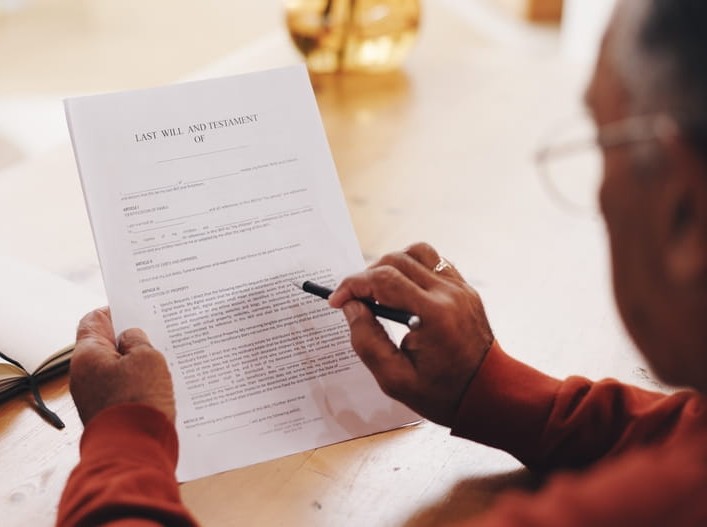
Man in reading glasses reviewing a last will and testament

2. The Terms of Your Will and Trusts

Sit down with your emergency contact and go over your legal will. This includes your wishes for the distribution of your assets, heirlooms, furniture, and keepsakes.

To ensure your wishes are honored, include as many details in the will as possible and appoint a trusted executor. If there are any belongings or assets that are not directly addressed in the will, it’s best to update your will to include them.

Additionally, you may also wish to set up financial trusts to provide for your children or grandchildren. Consider appointing one of your emergency contacts as trustee and discussing the terms of those trusts.

Female patient discussing her medical care with female doctor

3. Your Wishes for Medical Care

If you have specific wishes regarding your medical care, it’s best to outline those wishes with an advance care directive and discuss your choices with your emergency contacts. Advance care directives are documents that will protect you in case you are incapacitated and/or unable to make medical decisions for yourself. They will clearly outline your wishes for medical treatment and life-saving measures. You can learn more by reading “Understanding the Living Will & Why It Matters.”

4. Allergies and Blood Type

If you have allergies to food or medications, your emergency contacts should know so they can alert medical professionals if you are unable to do so. It is also a good idea to provide your emergency contacts with a record of your blood type in case of emergency.

Young girl in pink shirt lying on floor with golden retriever dog

5. The Care of Your Dependents and Pets

If you are responsible for children or pets, talk with your emergency contacts about their care. Let your emergency contacts know whom you name as the children’s guardian and how you’ve set up any insurance policy benefits, 401(k) funds, or other assets to provide financially for your children.

For pets, identify a friend or family member who can take in your furry (or non-furry) friends and provide a loving home. You can write down any pertinent details for your pets’ care and ask your emergency contact to pass the information along.

Woman placing a white rose on a casket at a funeral

6. Your Funeral Wishes and Plans

One way you can love and protect your loved ones is by putting together a healing and meaningful funeral plan. By making the decisions now, you can ensure that your family doesn’t have to make hard decisions at an emotional time.

The best way to preplan is with a licensed funeral director at your trusted funeral home. They can review your options and ensure that your plan is practical, legal, within your budget, and healing for your grieving family.

Give your emergency contacts a copy of your funeral plans and keep a copy on file at the funeral home of your choice.

IMPORTANT: After prearranging your funeral, it is essential to share your plans with your family and emergency contacts. If you don’t, you run the risk that your family will never learn about your plans and may spend more money than you would have preferred. On top of that, if you’ve prepaid for your funeral and no one knows, your family may go to a different funeral home and pay for everything out of their own pocket. If this happens, the amount you’ve already paid toward your funeral may go to the state’s unclaimed property office. While the state will continue to try to contact your family, this may take years and is subject to state laws. To avoid this possibility, it’s best to share your plans.

Woman in striped sweater writing a list in a journal

What Next?

For a complete list of information your emergency contacts need to know, download this helpful checklist: What Your Emergency Contacts Should Know. By gathering all these documents, you are taking the first steps to getting your affairs in order. While the process takes time, it removes a lot of confusion and uncertainty. When your wishes are clear and understandable, your family can make decisions with confidence. As needed, consult trusted professionals, such as an estate planning attorney and your local funeral director. In the end, you will be glad you did!

DISCLAIMER: Individual circumstances and state laws vary, so any estate planning should only be undertaken with the help and assistance of an attorney licensed in your state. 

Funeral Celebrants: How Can They Help Your Family?

By Educational, Explore Options, Meaningful Funerals, Planning Tools

When you’re planning a final tribute for a loved one, you don’t want the last words spoken over them to be hollow, empty, or insincere. Instead, the words should be real, kind, true, and an accurate reflection of who they were as a person. A funeral celebrant can help you create a beautiful send-off that feels personal, meaningful, and genuine.

But what is a funeral celebrant, and how can they help? Let’s talk about it.

Mourner holding a white flower as they look at a wooden casket with a spray of white flowers on top

What is a Funeral Celebrant?

A funeral celebrant leads and officiates a funeral or memorial service, religious or non-religious, helping create a personalized and meaningful ceremony for the person who has died. In the United States, a funeral celebrant is often not a member of the clergy, but they can be.

Their main role is to tell a story – the story of your loved one’s life. The service is about remembrance and celebration, heartache and joy. The celebrant will work closely with you to tailor the services to meet your needs and wishes, honoring your loved one’s life and personality.

They are skilled public speakers who adapt and adjust to your family’s requests. Whether it’s a solemn occasion requiring decorum and poise or a joyous celebration calling for an inspirational and cheerful tone, a funeral celebrant can strike the right balance.

A celebrant can be particularly helpful for families who are non-religious. For those who regularly attend a place of worship, a clergy member is often available to officiate the service (if you wish), but for those who are non-religious, a funeral celebrant can fill the role.

Man in red sweater shaking hands with another man

How Can a Funeral Celebrant Help You?

While the funeral director coordinates all the service details, they don’t prepare the actual program for the event or officiate. The order of events and what’s included in the service are up to the family. This is where the celebrant can step in and become a huge help.

Here are several ways that the funeral celebrant can help you before, during, and after a loved one’s service:

  • Learn about your loved one so they can prepare personalized remarks
  • Help to plan the order of service, if you wish
  • Suggest and coordinate readingsmusicpoems, or hymns
  • Write and deliver a personalized eulogy (based on stories you shared)
  • Keep you informed, so you never feel left out or overwhelmed
  • Ensure that the program moves smoothly from one speaker to the next
  • Provide logistical and emotional support throughout the planning process
  • Keep the event on track while staying sensitive and adapting as needed
  • Provide feedback to family or friends who’d like to speak at the funeral
  • Coordinate with the funeral home staff and other service providers as needed
  • Lead the ceremony with warmth, sensitivity, and kindness
  • Conduct the graveside service, if you wish

Planning and hosting a funeral may feel overwhelming when you’re processing and grieving a loss. The celebrant can step in and act as both storyteller and organizer, ensuring that your wishes for the service come to pass with attention to detail and authenticity.

Female celebrant meeting a woman at her home to talk about the funeral

What Should I Expect When Meeting with a Celebrant?

Once you’ve decided to use a celebrant, they will contact you for a chat, either in person or via video or phone call. If you wish to meet in person, they can come to your home or you can meet at an agreed-upon location.

When you meet the celebrant, they should put you at ease right away. They will ask questions about your loved one’s life, values, and personality because they want to understand who they were. By listening to your stories and memories, the celebrant can craft their words and presentation to reflect your loved one’s life.

If you wish, the celebrant can also discuss options for the funeral service and offer suggestions to help you personalize the service even more. Throughout it all, they will provide emotional and logistical support as you make choices that are best for your family and honor your loved one’s life.

Celebrant reviewing written eulogy with grieving couple

What Questions Should I Ask the Funeral Celebrant?

While the celebrant will ask you many questions during your time together, you can also ask questions to get to know the celebrant and learn more how they work. It’s important that you work well together, and a few questions can help you determine whether your personalities and practices are compatible.

Here are a few questions you might consider asking:

  • How long have you been practicing as a funeral celebrant?
  • What is your training and experience?
  • Can you provide testimonials or references?
  • What process do you follow on the day of the funeral?
  • What do you do when something goes wrong at the funeral?
  • Do you have any specific ideas or themes in mind for the funeral service?
  • How will you help us create a service that reflects the personality of our loved one?
  • How much do you charge for your services?
  • Are you comfortable working with both religious and non-religious families?
  • Do you have experience working with families from different cultures or religions?

Grieving man and woman standing next to a casket, hands rested on its lid

What’s the Difference Between a Celebrant and a Funeral Director?

While the roles overlap in some duties, they are distinct and separate.

Celebrant

A celebrant serves as a storyteller, guide, writer, speaker, and master of ceremonies. They conduct religious or non-religious services, depending on the religion’s requirements. Their main role is to lead and direct any final services and ensure everything runs smoothly while you honor and remember a loved one. They do not assist with anything related to the burial or cremation (unless they are also a trained funeral director).

Funeral Director

A funeral director is trained to support grieving families by coordinating every aspect of burial or cremation, including preparation of the body, working with the cemetery, securing permits, and filing for a death certificate. They also assist with third-party services (such as florists) and with planning final services like coordinating the viewing, funeral or memorial service, or graveside service. They do not lead or conduct the final tribute or any other remembrance events.

Three list memorial candles

Do I Need a Funeral Celebrant?

You do not specifically need a celebrant, but you DO need someone to lead the service. You may ask a friend, family member, or clergy person to officiate. Celebrants are simply another option. They can be especially helpful if you don’t have a clergy person in mind or if family and friends don’t feel up to leading the service. No matter who you choose – clergy, family, friend, celebrant – always select the person who best fits your family’s needs and can meaningfully honor your loved one’s life.

Woman in black veil placing white rose on top of casket

How Much Do Celebrants Cost?

Celebrant fees vary, but compensation or an honorarium is expected. Ask the funeral home for a recommendation or rely on the funeral director to engage a celebrant’s services on your behalf. Once a celebrant is selected, discuss fee expectations. If the celebrant is familiar to the funeral home, the funeral director can share the celebrant’s typical rates.

Hopefully, you now have a better and deeper understanding of the funeral celebrant and the value their services can bring to you and your family. If you have more questions about celebrants or would like to meet with one locally, contact your trusted funeral home. They can point you in the right direction and help you find a celebrant who will help you honor your loved one’s life in a way that feels right and good.

Woman resting arms on her father's shoulders

Dealing With Grief on Father’s Day

By Exclude from Top Posts, Grief/Loss, Seasonal

Grief is hard any day of the year, but the special and significant days can be some of the most difficult. For some, Father’s Day is one of those particularly painful days. Whether you are a child who has lost your father or a father who has lost your child, you may find yourself dreading the third Sunday in June. As Father’s Day approaches, here are a few suggestions to help you turn a rough day into an opportunity to honor your loved one’s memory in a special way.

Participate in a remembrance activity

Person sitting on couch at home, holding remote, with popcorn and a drink on a table in front

One way to process your emotions in a healthy way is to participate in a remembrance activity that reminds you of your father or child. Remembrance is an important part of the grieving process. By remembering, you forge a path forward in the work of grieving and pay tribute to your loved one. For example, you could watch a favorite movie, listen to a favorite song, or go to a favorite location. Father’s Day will still be difficult, but by engaging in a meaningful activity, you can give the day significance.

Make time for solitude

Woman sitting at home with a cup of tea and a book

In the busyness of the day, carve out time for peace and quiet. Your emotions may be closer to the surface and feel stronger than usual. If that’s the case, listen to your mental, emotional, and physical cues. Take a nap, sit alone, journal, go for a walk, or read. Take time to reflect on cherished memories and indulge in a moment of peace. You are going through a difficult and life-changing loss; give yourself extra grace and find moments to rest, relax, and release the stresses of the day.

Talk to someone about how you’re feeling

Father and son sitting on a couch in a bright room and talking

When life is hard, it’s important to surround yourself with people who love you and will support you. If you’re grieving the loss of a father or child, Father’s Day is going to bring out some strong emotions within you. Consider chatting with someone about what you’re feeling and share the load of your grief. If you don’t have anybody you can talk to, consider speaking with a grief therapist or joining a local grief support group. Having somebody listen and offer sympathy for your loss is enormously beneficial for your grief journey.

Write about your experience

Man sitting in bed and writing in a journal

For some, it’s easier to write than to talk because writing gives you extra time to organize your thoughts. If that’s you, pour out your feelings on paper or on the computer, and be honest about everything you’re feeling. In the end, you may want to keep your thoughts private and write only for the therapeutic value of expressing yourself. But if you feel up to it, share your written words with people who are close to you. Don’t worry about “bringing other people down.” Those who care about you want to know how you’re feeling.

Honor other fathers in your life

Father and adult son hugging each other

Do you have a mentor or a surrogate father in your life? Maybe it’s an uncle, grandfather, spiritual leader, coach, teacher, or family friend who stepped in and became like a father to you. Even something as simple as sending a thank you card or text can bring comfort and help you honor the men who stepped up in your life. Try thinking of all the “fathers” who have been there for you over the years and send each one a personal thank you sharing how much you appreciate their love, support, and words of wisdom.

Some Final Thoughts

Woman resting arms on her father's shoulders

For those who have lost a father

If you are missing your dad this Father’s Day, focus on what he meant to you and what you learned from him. You could take flowers to his final resting place. Write him a letter to share recent news or what’s on your heart. Select your favorite picture of him and create a custom blanket. There are so many ways that you can honor your dad’s memory.

On the other hand, if memories of your father are more negative, consider focusing on forgiveness. Write out the painful thoughts and memories that come to mind. Then, go through the list one by one, acknowledge how it makes you feel, and actively forgive your father’s role in that hurt. Forgiveness doesn’t mean that what happened was okay; it means that you refuse to live under its shadow and want to release its power over you. The death of someone who hurt you doesn’t take away the hurt. You still need to work through the painful spoken words and memories for your own emotional wellness. And because hurt and trauma can be complex, it can take time to process it all, and you may want to work with a therapist who can help you navigate the journey.

Young father sitting on a couch, looking out the window and thinking

For those who have lost a child

If you are grieving the loss of a child this Father’s Day, focus on what your child brought to your life and how their presence impacted you. Visit their final resting place or write a letter to tell them how you feel about them, what you miss about them, and what your hopes and dreams were for them. Perhaps your entire family could sit down to share memories and support each other with hugs and kind words.

Also, after the loss of a child, many parents struggle with feelings of guilt or anger. If that’s you, you’re not alone, and it’s natural to feel this way. Whether you could have done something differently or not, it’s essential to work toward forgiving yourself. Read “Dealing with Guilt After Child Loss” to learn helpful information about experiencing parental guilt and how to navigate it.

Hopefully these suggestions will help you navigate your way through Father’s Day this year. And if any of these suggestions worked well for you, continue to do them throughout the year. While the grief of losing someone never fully goes away, you can learn how to move forward and take your precious loved one’s memory with you.

Sad, female child sitting in front of a military tombstone

Ways to Honor our Fallen Heroes on Memorial Day

By Exclude from Top Posts, Memorial, Seasonal, Veterans

Many Americans celebrate Memorial Day with hot dogs, family gatherings, and a relaxing three-day weekend. While there’s nothing wrong with these contemporary rituals, let’s not forget the intent behind the day: to remember the many American servicemen and servicewomen who have died to keep our country safe and protected. Today, as we honor them, let’s talk about the history of Memorial Day and how you can give back to the many families currently serving our nation.

Grave at national cemetery with flag and flowers

History of Memorial Day

There is some disagreement as to the true birthplace of Memorial Day. Of course, humans have used ceremony to honor those who have died in battle for hundreds, possibly thousands, of years. However, the most prevalent theory on the roots of the American holiday dates back to 1868, when Major Gen. John A. Logan designated May 30th as Decoration Day, a day on which the graves of Civil War soldiers would be commemorated.

Other stories place the holiday’s origins in Charleston, SC, Waterloo, NY, or Columbus, GA, around a similar time. No matter where it started, it’s safe to say that in the aftermath of the Civil War, which caused more American deaths than any other armed conflict, many people in various places were looking for ways to honor those who died in combat. But it wasn’t until 1971, more than a century later, that Memorial Day became an official holiday that was marked by the last Monday of May.

Honor guard giving folded burial flag to next of kin

5 Ways to Honor the Fallen

While it’s perfectly fine to usher in the summer season with cookouts and kicking back at the pool, we should also remember that Memorial Day is about so much more.

There are many ways you can honor our nation’s fallen heroes. You could take a few moments of silence to reflect and appreciate the freedoms we enjoy or visit one of the country’s many national cemeteries. But if you’d like to take your remembrance a step further this year, one of the best ways to honor those who have died is to serve the living in their name.

Below, you will find several organizations that actively support those who are currently serving our nation. Partnering with these groups will serve as a beautiful tribute to the servicemembers who have died in service to our nation.

Grieving family holding American burial flag as they stand at graveside

1. Donate to Help Grieving Families

Tragedy Assistance Program for Survivors (TAPS) provides care for families who are grieving the loss of a veteran or active-duty member of the Armed Forces. They provide around-the-clock support and resources to grieving family members. Through their Good Grief camps and Survivor’s Seminars, TAPS helps loved ones process their grief and gives them the tools they need to make it through a difficult time. Widows and widowers, parents, siblings, and children have all benefited from the extraordinary work that TAPS does. Consider donating to this organization to make a difference in the life of someone who is grieving.

Sad, female child sitting in front of a military tombstone

2. Donate to Help the Children of Fallen Patriots

Children of Fallen Patriots is dedicated to looking after the children of soldiers who have died in service. They provide scholarships, educational assistance, and career support. Their work ensures that children receive the educational opportunities they need to thrive. Donating to this organization is a great way to honor the memory of servicemembers who have died during military service and to ensure that their loved ones receive the proper care and attention.

Service member sitting in wheelchair

3. Donate to Help Injured Veterans

Wounded Warrior Project provides free aid in the form of mental and physical health services, benefits advice, and career counseling to veterans who were wounded post-9/11. Through free programs and events, they offer a helping hand and work to increase veterans’ quality of life after injury. They also provide support to the concerned families of wounded veterans and offer programs to help them walk through a difficult period of life with their loved ones. Start a fundraiser or donate personally to ensure that this charity continues to do great work.

Man using a weedeater to care for lawn

4. Volunteer to Provide Yard Care

Project EverGreen provides lawn services to the families of soldiers who are currently deployed. They mow, trim, and fertilize lawns. Snow and ice removal services are also available. Project EverGreen also partners with “I Want to Mow Your Lawn” to provide lawn services for disabled and 65+ veterans. You can sign up to volunteer in any state. By taking some time out of your day to work up a little sweat, you could be an enormous help to active-duty service members, veterans, and their families.

Woman addressing care package boxes

5. Send a Care Package

Operation Gratitude sends care packages to veterans and active-duty service members. Care packages remind current and former members of our Armed Forces that we haven’t forgotten the sacrifices that they’ve made. You can donate to the cost of materials for care packages. Alternatively, you can contact Operation Gratitude directly to ask about other volunteer opportunities.

Focus on patch of American flag on service member's shoulder

Other Organizations to Consider

It would take quite some time to discuss every organization you could partner with. Click the links below to learn about additional charities to honor, remember, and assist military members and their families.

This is far from an exhaustive list. If you know of another organization that honors veterans and/or service members, consider donating to it. Let this Memorial Day be a catalyst for action and an opportunity to do a little something for those who have done so much for us.