Cremation comes with a lot more choices than you might think, and one question you’ll need to answer is what urn best fits your needs. Whether your biggest concern is material, aesthetics, budget, or simply finding something that reflects your loved one’s personality, there are a lot of urns to choose from. So, how do you select the cremation urn that’s best for your circumstances? Let’s talk about three questions that will help you pinpoint exactly what you need.
Question #1: What are Your Memorialization Plans?
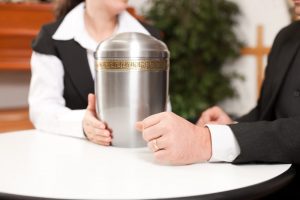
First, take a moment to consider how you plan to memorialize your loved one and pay tribute to their ashes. In other words, what do you want to do with the urn and your loved one’s cremated remains?
In many ways, form follows function, so first think about the function (what you want to do), then choose the form (what type of urn you need).
For example, do you want to plant a memorial tree or rose bush with a loved one’s cremated remains? Then, it would be best to choose a biodegradable urn. Do you plan to keep the urn at home for a while? In that case, a decorative memorial urn would look lovely in your home. Would you like to scatter the ashes at sea or at a meaningful location? There are special scattering urns you can choose from.
Also, if you plan to take the urn home first, don’t forget to thoughtfully consider a long-term plan for permanent placement. While having your loved one close may be comforting, it’s not a permanent solution. Instead, put together a meaningful plan that you can implement in 5 or 10 years. That way, you can keep the urn at home for a while but still ensure a long-term home.
As you can see, by taking your memorial plans into account, you can narrow down the options as you select an urn.

Question #2: What Material Do You Prefer?
Next, it’s time to consider materials. What is the urn made from, and do you have preferences? Urns can be made from a variety of materials, ranging from affordable to extravagant. Some of the most common materials are:
- Plastic
- Cardboard
- Cast Resin
- Wood
- Ceramic
- Metal
- Stone
- Marble
- Glass
- Acrylic
- Leather
- Clay
The most affordable urns are often made from plastic, cardboard, or wood composites, but with these choices, you do lose longevity and stability. The urn won’t maintain its integrity over time the way that wood, metal, marble, or stone would. So, ask yourself, “What are my plans for the urn? How long do I want it to last? What type of material best fits my plan?”

Question #3: What Type of Urn Do You Need?
And finally, consider the type of urn you need to honor a loved one’s ashes. Cremation urns come in all shapes, sizes, and styles. Your funeral director can help you understand your options so you can make an informed decision.
To get you started, here is a list of the different types of cremation urns available:
Keepsake Urn
Often small, a keepsake urn is used when either a small portion of the cremated body is kept and the rest scattered, or the ashes are split between more than one relative.
Decorative Urn
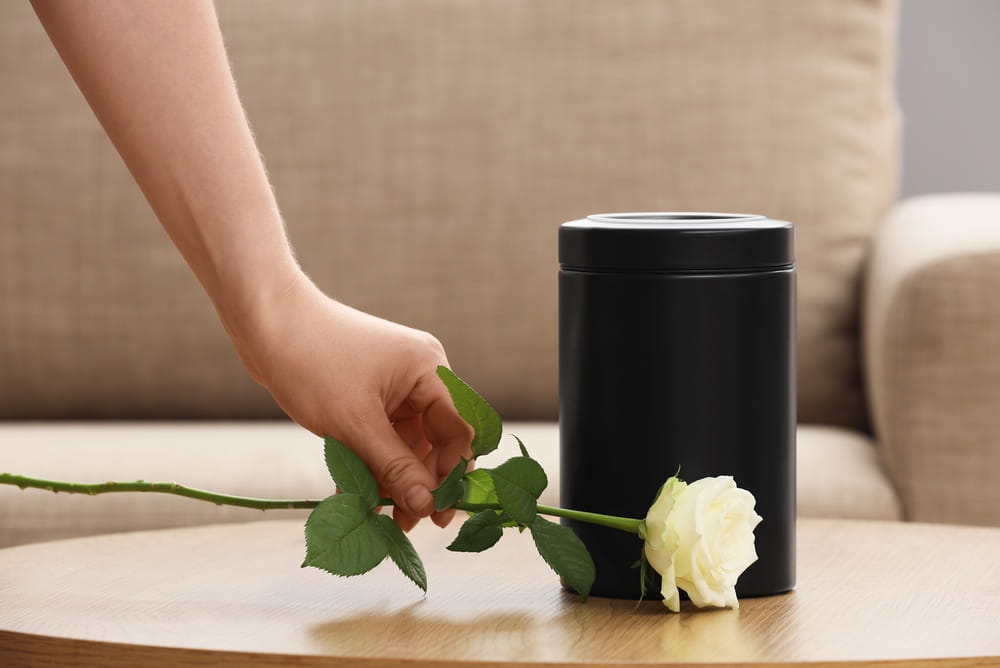
A family may choose a decorative urn to display at a memorial service, at home, or to use in a glass-front niche in a columbarium or to place in an urn garden.
Biodegradable Urn
An environmentally friendly urn option, the biodegradable urn is becoming increasingly popular. This type of urn is often used for scattering, but you can also use it for burial.
Religious Urn
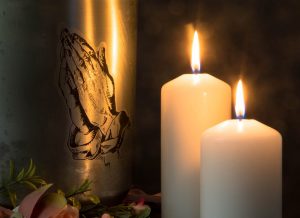
This type of urn showcases the spiritual beliefs of the person who has died. In most cases, the etchings or verses on the urn are associated with the person’s religious background.
Companion Urn
The companion urn has two main types. The double compartment urn provides separate spaces for each person’s ashes, while the single compartment urn intermingles the ashes. Couples often select this style of urn.
Infant Urn
Smaller in size, an infant urn is designed to hold the ashes of an infant or small child. In many cases, the family wants to keep the child close as they grieve, and the infant urn meets this need.
Sculpted Urn
Sometimes called an “art urn,” this type of urn is a lovely mini-sculpture of your choice, modified to accommodate ashes. If you plan early, you can commission a special art urn that reflects your personal tastes.

Themed Urn
You can purchase a themed urn, and the possible variations are as limitless as your creativity. A few common types of themed urns are sport, hobby, art, and nature.
Picture Urn
Just like it sounds, this urn is shaped like a picture frame and allows you to display a favorite photograph of your loved one on the outside of the urn.
Military/Veteran Urn
If the military was a key part of your loved one’s life, consider selecting a veteran urn. The urn itself is designed to commemorate and honor the patriotism and sacrifice of veterans.

More Helpful Resources
As you can see, choices for cremation urns abound. Before making any decisions, you may want to talk to your family members or speak with a funeral professional. You don’t have to make this decision alone. Call on the experts in cremation urns and get input from those you love most.
Here are more resources about cremation that will help you on the journey:
What Should I Know When Considering Cremation?
Cremation and the Importance of Ceremony
Water-Based & Flame-Based Cremation: What’s the Difference?
Urn Burial: Understanding the Basics
A Quick Guide to Cremation Caskets
FAQ: Your Guide to Scattering Ashes































 Dr. Alan Wolfelt is a noted author, educator, and grief counselor. Dr. Wolfelt believes that meaningful funeral experiences help families and friends support one another, embrace their feelings, and embark on the journey to healing and transcendence. Recipient of the Association of Death Education and Counseling’s Death Educator Award, Dr. Wolfelt presents workshops across the world to grieving families, funeral home staffs, and other caregivers. He also teaches training courses for bereavement caregivers at the Center for Loss and Life Transition in Fort Collins, Colorado, where he serves as Director. Dr. Wolfelt is on the faculty of the University of Colorado Medical School’s Department of Family Medicine. He is also the author of many bestselling books, including Understanding Your Grief, The Mourner’s Book of Hope, Creating Meaningful Funeral Ceremonies, and The Paradoxes of Grief: Healing Your Grief With Three Forgotten Truths. For more information, visit