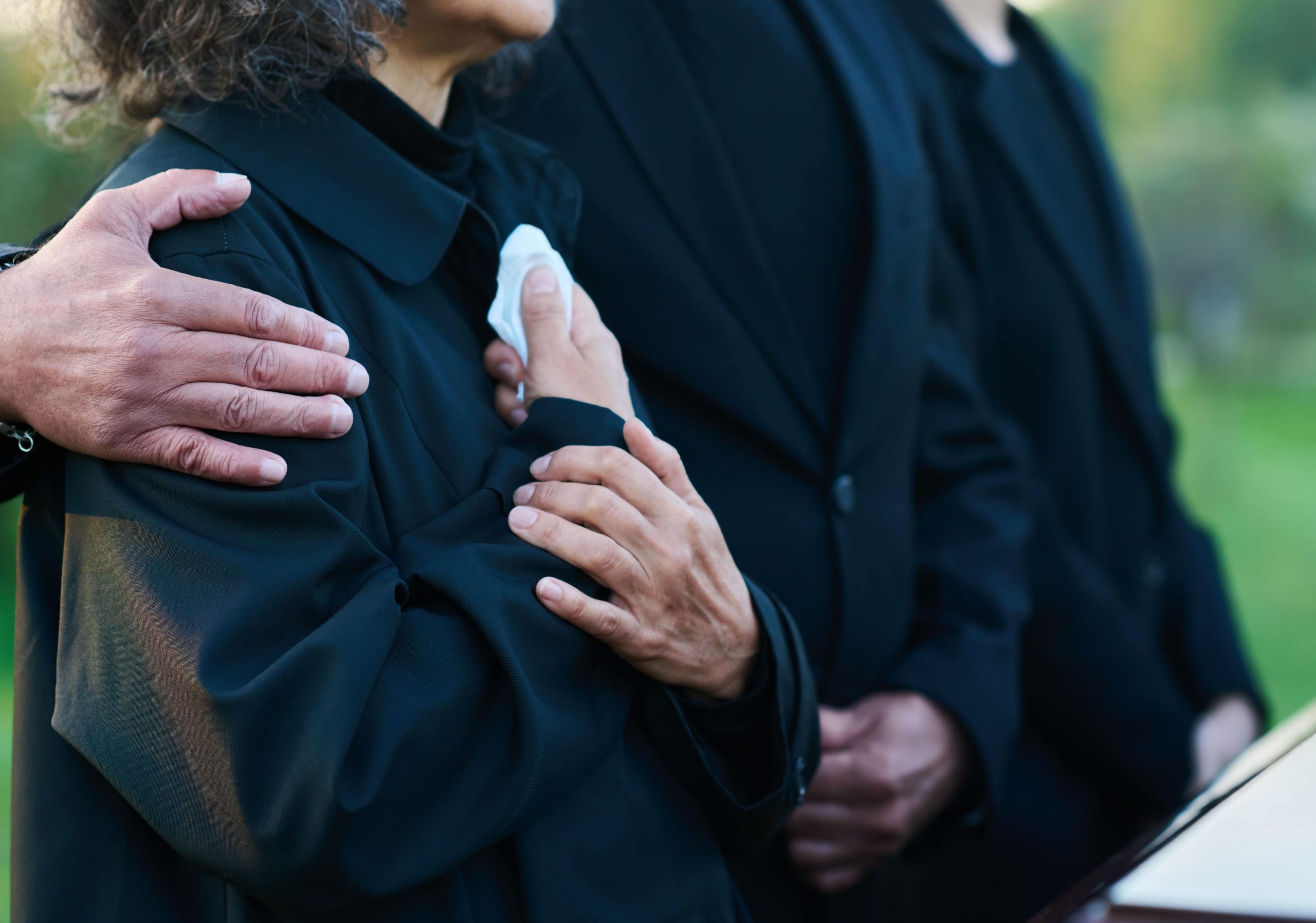
older man in funeral attire placing hand on shoulder of young woman in black blouse with black lace ribbon in hair

3 Ways an Open-Casket Funeral Helps You Heal

By Educational, Explore Options, Meaningful Funerals

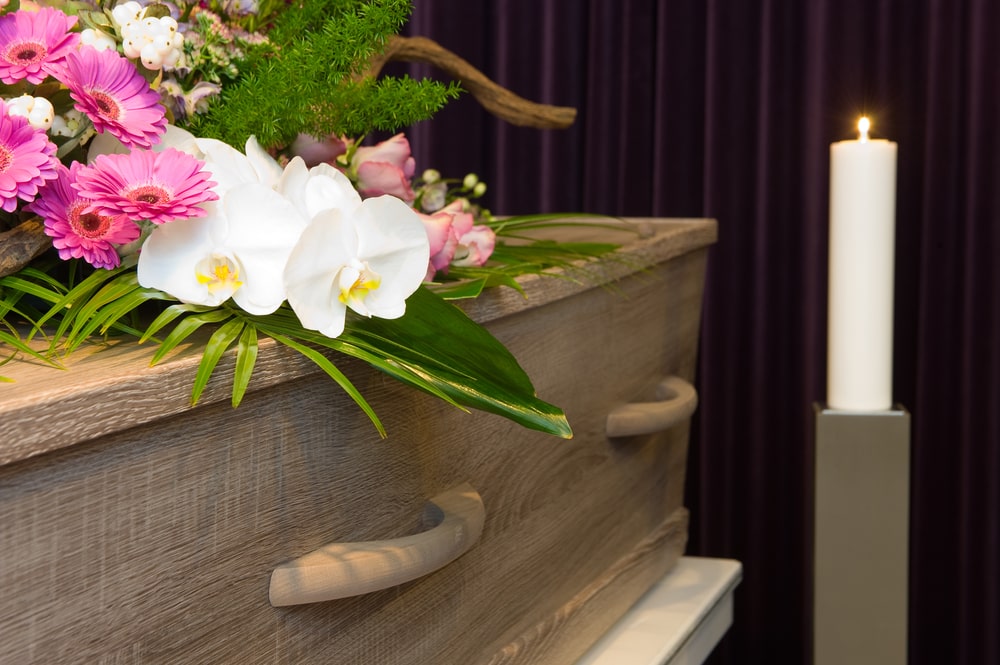
When you’re planning a funeral, there are many decisions to make, including whether to have an open or closed casket service. At first glance, having an open casket at a viewing or visitation may seem old-fashioned, but did you know that many people find it essential to the healing process? Today, let’s discuss 3 key benefits to having an open-casket funeral and how each one can help you and your family heal after a loss.

Benefit #1: An Open-Casket Funeral Helps You Acknowledge the Reality of Loss

When you lose someone you love, the nature of your relationship changes. Though still a part of your life and memories, your loved one will no longer be physically present. An open-casket funeral helps you accept this difficult change by allowing you to see the body of your loved one. The ability to see a loved one can be an important first step in acknowledging the reality of your loss and the impact it will have on your life and the lives of those around you.

Benefit #2: An Open-Casket Funeral Provides a Setting for Communal Support

The loss of a loved one affects your relationships with friends and family who are also grieving. An open-casket funeral provides a communal setting where you can acknowledge how this loss changes your relationship to the deceased, but also to one another. Gathering together can lessen your grief burden, strengthen your community of support, and ease the transition to life without your loved one by your side.

Benefit #3: An Open-Casket Funeral Allows You to Say Goodbye in Person

Among the hardest things about losing a loved one are the many ways in which you’re reminded of their physical absence. Without them to see or speak to, it may be hard to recall their physical features, cherished individuality, or unique style. An open-casket funeral allows you to be near your loved one’s body one more time, to remember them as they were in life, and to say goodbye in a way that brings you closure and a sense of peace.

What’s Next?

Now that you understand the 3 key benefits of an open-casket funeral, the choice is entirely up to you and your family. In some cases, a closed casket funeral is the right choice, particularly if a loved one’s body is unrecognizable after his or her passing.

As you consider funeral details and planning options, remember that acknowledging the reality of your loss, giving and receiving support, and being able to say goodbye in person are all normal and significant needs of grief. An open-casket funeral is one well-established way of meeting those needs.

If you’d like more information about planning a personalized funeral that will bring healing to family and friends, check out these resources.

Resources for Caskets:

With an open-casket funeral, you will certainly need to consider what type of casket you’d like to use. But what should you consider when choosing a casket? While some variables, such as cost, have probably occurred to you, others may not have. Caskets come in a variety of styles, materials, and price ranges. To learn where to begin when choosing a casket, start with “5 Questions to Ask When Selecting a Casket.”

Also, if you’d prefer, your chosen funeral home may offer the ability to rent a ceremonial casket. This may be a good option if you’ve chosen cremation but still want to have an open-casket service beforehand. Read “Rental Caskets: What You Need to Know” to find out more.

Resources for Funeral Personalization:

In addition to choosing a casket, you will also want to add personal and meaningful touches to the open-casket service to reflect your loved one’s life. By doing so, your family can honor your loved one’s unique life and memory. To start planning a meaningful service that will reflect individuality and personality as well as bring healing to friends and family, take a moment to read “10 Ideas for Making a Funeral More Personal.”

As you decide the best way to honor your loved one’s life, don’t hesitate to reach out to funeral directors and funeral home staff. They can answer any questions you may have about open-casket funerals, ceremonial caskets, personalizing the service, and so much more. You don’t have to do this alone—there are people available to help you through.

Three female co-workers sitting together, supporting the woman sitting in the middle

Supporting a Grieving Colleague in the Workplace

By Grief/Loss, Helping a Friend in Grief

Oftentimes, we may only think about grief’s impact on our own personal lives, our family members, or our closest friends. But grief can enter other places we inhabit – like the workplace. If you’re a manager or are paying attention to your co-workers’ moods and habits, at some point you will likely see a colleague struggling with grief. If this happens, you may feel unsure about how you can help. Here are a few suggestions for how to appropriately express support to a grieving colleague in the workplace.

Two businesswomen in a one-on-one meeting, talking about grief and work tasks

Tip #1: Be Patient

If you are a manager, being patient with your grieving employee is particularly important. On average, Americans receive 3-4 days of bereavement leave in the aftermath of a loss. After this short period of time, employees are expected to return to work and fully engage in their assigned tasks. However, the stress of losing a loved one and returning to work so quickly may feel overwhelming. In a study on grief’s effects on job performance, 75% of participants claimed they experienced concentration difficulties that extended beyond the period of paid leave.

If you notice that a direct report isn’t adjusting well after a loss, you may want to consider providing more paid leave. If this isn’t an option, make sure he or she feels safe and comfortable in the work environment. Be patient with the employee, communicate your sympathy, and consider temporarily reassigning any tasks or projects that require a high level of creativity or energy.

If you are a co-worker, also try to extend patience and kindness to the grieving person. If they forget a few things or seem to be unfocused, bring them back to the task at hand with kindness.

Two male colleagues sitting on a couch as one talks about his grief

Tip #2: Say Something

One of the most discouraging things about grief is that people tend to shy away from the person who is sad. This reaction is problematic because hurting people need support from those around them.

If you don’t know what to say to a colleague, be honest about your uncertainty, and consider communicating something like this: “I don’t know what to say. I’m so sorry for your loss. If you need anything or if I can help with (fill in the blank), let me know.”

Try to be specific in your offer to help, especially if you can take point on a project or relieve some of the stress they feel. Of course, you can always help in other ways, like providing a meal, donating to a special cause on their behalf, or leaving a card or a small, simple sympathy gift on their desk. Any small gesture could make a world of difference and make your colleague feel understood and supported at work.

Sad businessman who is sitting at his desk with his hand over his mouth. Co-worker stands nearby with a hand on the sad man's shoulder.

Tip #3: Focus on the Mourner’s Grief

When someone is grieving, try to keep the focus on their loss, not your own losses. In an effort to connect, you may be tempted to talk about your own losses. Most of the time, this tendency isn’t helpful.  While you may have lost someone dear to you, the focus right now should be on your colleague’s loss. Attempts at grief identification (trying to equate your loss with theirs) may communicate to others that you are assuming that you know how they feel, which can be seen as presumptuous and offensive.

For many people, the challenge is to avoid giving too much advice or easy answers. There’s nothing wrong with offering support or a word of encouragement but avoid telling the person what to do or how to feel. Platitudes or cliches tend to minimize the other person’s pain and send the wrong message.

If you are tempted to “make it better” by telling them that their loved one is in a better place or they are at least no longer in pain, don’t do it. Let your colleague tell you how they feel. For your part, listen and express your sympathy and support. No advice you give is going to fix a person’s situation, but you can offer genuine help and care.

If you aren’t sure what to say, check out “What Should I Say to Someone Who is Grieving?

Three female co-workers sitting together, supporting the woman sitting in the middle

Tip #4: Check In Occasionally

For the first few weeks after loss, mourners typically receive an abundance of support and help. As time goes by, the shock and numbness wear off, but that’s when the reality sets in. Their loved one is not coming back. Make sure to check in every few months and genuinely ask, “How are you holding up?”

Don’t assume they are “strong” because they are doing well at work. Allow them to tell you how they are coping and talk about their loved one by name. The sweetest sound to a mourner’s ears is usually the name of their loved one being remembered by others.

Regardless of the specifics of the situation, losing a loved one is hard. But the pain of loss can be compounded by the stressful demands of the workplace. Those who are obligated to return to work soon after a loss are particularly vulnerable to stress and work frustration. As a work colleague, it’s important to take steps to make a grieving co-worker feel comfortable and supported.

11 Mistakes to Avoid When Writing a Eulogy

By Educational, Meaningful Funerals

The eulogy plays an important role in the funeral by highlighting the legacy the deceased left behind. It serves as a time of reflection and helps everyone grieve together. If you’ve been asked to write a eulogy at a funeral or memorial service, you may not know where to start, and that’s okay!

While every eulogy looks different and there isn’t a specific outline you need to follow, there are a few mistakes to avoid when putting together a eulogy.

1. Reading the obituary

The obituary and the eulogy may touch on similar topics, but they play very different roles. Instead of just reading the obituary at the service, use it as a starting point. Include some biographical information in the eulogy, but focus more on telling stories about the deceased and sharing memories.

2. Forgetting to confirm facts

White blocks spelling out "eulogy" sitting on a brown wooden table

One of the most important steps in writing a eulogy is confirming the facts you plan to share. You don’t want to say that the deceased grew up in New York if they actually grew up in Chicago! Double and triple-check your facts, and get someone else who knows the deceased well to review what you’ve written.

3. Preparing without feedback from others

When writing anything, getting a second (or third or fourth) opinion is always good! Share your eulogy with another person and get their feedback about how it sounds. They can let you know if any information needs to be corrected or if some wording sounds insensitive. Plus, they may be able to give you ideas of other stories you can add to better highlight the deceased’s life.

4. Neglecting to practice

woman rehearsing a eulogy in front of her mirror

Writing the eulogy is only the first step; how you deliver it is just as important as what you say. Before the service, make sure to practice giving your eulogy. You can read it in front of the mirror to practice making eye contact and looking up from your paper. It’s also a good idea to practice giving your speech to others to get their feedback on your delivery.

5. Making it too formal

While writing, remember that you’re working on a speech, not an essay. Eulogies should be casual and personal, not too formal. Read what you’ve written out loud and see how it sounds. Do you sound like you’re talking to your friends and family or giving a formal presentation? Keep your wording informal and avoid complicated or confusing words.

6. Listing facts instead of telling a story

peach and white flowers on a grave with a heart-shaped stone engraved with "In Memory"

Typically, eulogies are under 10 minutes long. That’s not a lot of time to sum up someone’s life! Instead of listing facts about the deceased, choose a few significant stories that show the kind of person they were. If your loved one was patient, do you have a specific memory that showcases their patience? If they went out of their way to make people comfortable, do you have an example you can share? Stories will always be more engaging to the audience than a list of facts.

7. Sharing embarrassing or private details

While stories about you or the deceased embarrassing yourselves may bring you comfort as you cherish your memories with them, a eulogy isn’t the place to share them. You also shouldn’t reveal things that were told to you in confidence or share awkward, personal, or inappropriate information about the deceased.

8. Getting too specific about the death

Man standing by a casket reading aloud from a book

Eulogies are meant to highlight the legacy someone left behind and the life they lived. While it’s okay to mention the deceased’s death, try to avoid going into too many details, as that could be a trigger for the grieving family. It’s especially important not to discuss details of a sudden or traumatic death, like those due to car accidents, suicide, or homicide.

9. Airing grievances

If you’ve been asked to give a eulogy for someone you didn’t get along with or who had a negative impact on your life, keep your grievances out of the eulogy. A funeral isn’t the place to announce that the deceased owes you money! While you don’t want to lie and say someone was a great person if they weren’t, look for positive aspects of the person you can focus on instead. And, if you find yourself unable to create a positive eulogy, consider declining to give the eulogy or ask someone to help you edit yours.

10. Using inappropriate humor

microphone and flowers at a funeral ready for a eulogy

Including jokes in a eulogy is perfectly fine, especially if the deceased had a great sense of humor and the jokes fit their personality. But be respectful and avoid jokes that insult the deceased or make light of the death or the family’s grief. Keep in mind that there may be children at the service, too. If you’re unsure about a joke, run it by a discerning family member first.

11. Taking focus away from the deceased

A great way to highlight a loved one’s legacy in a eulogy is to talk about your memories of the deceased. But while talking about your relationship with them, keep the focus firmly on the person who has died. Don’t make the eulogy all about yourself or drift into unrelated topics, especially controversial topics like politics or social issues.

As you put together the eulogy, don’t stress too much about trying to make it perfect. Get feedback from those around you and share the impact the deceased made on your life and the lives of everyone around them. As long as you are respectful and thoughtful, your friends and family will appreciate your words.

More Resources for Writing a Eulogy

Setting the Tone for a Service: A Collection of Funeral Songs

By Meaningful Funerals, Music, Personalization, Planning Tools

When honoring a loved one’s life with a meaningful service, it’s important to find ways to tap into the essence of who they were as a person. By adding personalized elements, you can really celebrate and lovingly remember what made them who they were. One way to add a special touch to any final tribute is to choose musical selections and funeral songs that align with your loved one’s personality, beliefs, or preferences.

Musical notes for funeral songs

You may not know where to start when choosing meaningful music, so we’ve compiled a list of funeral songs for your review. You will find songs of many genres – spiritual, classical, rock, country, and more. Browse through the list and review the articles that best fit your loved one’s lifestyle and musical preferences. May you find the perfect songs to salute your loved one’s life and highlight what made them unique and loved.

By Style or Genre

In this section, you will find songs from different types and styles of music. If something appeals to you, simply click on the heading to review the songs.

Top 10 Hymns for a Funeral Ceremony

For those who deeply loved and found comfort in the hymns of old, consider choosing one or more of these beloved tunes to grace the final tribute.

12 Modern Christian Songs for a Final Tribute

If your loved one found more comfort in modern praise and worship songs (or enjoyed a range of spiritual genres), these more modern Christian songs could add an element of hope and peace to the service.

Man playing the piano; funeral songs

Top 12 Country Songs for a Celebration of Life Service

Loved by millions around the world, country music has established itself as a musical genre that speaks to the heart in a poignant way. If your loved one had an affinity for country music, check out this list of 12 funeral songs.

11 Classical Music Songs for a Funeral Service

Classical music transcends and brings out emotions that are resting just below the service. If your loved one enjoyed classical music or was a classical musician, you might consider including one of these lovely songs in their funeral ceremony.

Top 10 Songs for a Funeral Ceremony

With songs from multiple genres, this list encourages you to pick what feels like the most appropriate tribute. There’s no right or wrong when choosing music for a loved one’s service. There’s only what reflects who they were as a person.

Woman playing a violin with an orchestra

By Decade

Did your loved one gravitate toward a particular decade of music? That could be another way to choose music to honor your loved one’s life. In this section, you will find beloved songs from each decade that could also serve as a beautiful tribute.

10 Songs from the 1940s for a Celebration of Life

The 1940s saw the beginning of new things in the music industry. The decade included everything from stirring ballads of wartime sorrow to Big Band music and the blossoming careers of artists like Bing Crosby and Frank Sinatra. The 1940s offers a bounty of beautiful songs to choose from.

11 Songs from the 1950s for a Celebration of Life

With the rise of artists like Elvis Presley, Nat King Cole, and Buddy Holly, the 1950s introduced a new sound. For loved ones who grew up during this decade or had a particular affinity to it, consider checking out these funeral songs.

Close-up of record player

10 Songs from the 1960s for a Celebration of Life

With instantly recognizable classics, this list includes popular hits by Ben E. King, Elvis Presley, Johnny Cash, and The Beatles. If you are looking to add a little more groove to a loved one’s final tribute, this list may provide you with a few song ideas.

9 Songs from the 1970s for a Celebration of Life

From Simon & Garfunkel to John Denver, this curated list provides you with 9 stunning options for a celebration of life. Whether your loved one grew up in the 70s or came to appreciate its music later, you are sure to find a song to honor their life in a meaningful way.

Close-up of man playing saxophone

10 Songs from the 1980s for a Celebration of Life

The 1980s brought a distinct sound with it, and for many, it’s the anthem of their youth. On this list, you will find heartfelt tunes from Cyndi Lauper, Bette Midler, Queen, and others. Perfect for any 80s aficionado, browse the list to see if anything reflects your loved one’s unique life.

Hopefully, this compilation of musical selections helps you find music that sets the tone for your loved one’s final tribute. And if you’d like more information about personalizing the funeral, check out these resources.

NOTE: This post will be updated with new musical selections as future articles are published to Funeral Basics.

Person with folded hands resting on hymn book or Holy Bible; yellow flowers nearby

Top 10 Hymns for a Funeral Ceremony

By Meaningful Funerals, Music, Planning Tools

Person with folded hands resting on hymn book or Holy Bible; yellow flowers nearby

Music is an important element of a funeral ceremony because it helps us process feelings that are difficult to put into words. As Dr. Alan Wolfelt tells us, music imprints itself on our hearts more than any other experience in life. For people of faith, these feelings are often best expressed in hymns, which are songs of devotion or praise to God. If you are looking for timeless songs of faith to honor the life of a loved one, you may want to consider using one of these 10 beautiful hymns.

1. It is Well With My Soul (written by Horatio Gates Spafford, 1873)

When peace like a river attendeth my way,
When sorrows like sea billows roll;
Whatever my lot, thou hast taught me to say,
“It is well, it is well with my soul.”

Spafford’s devout hymn was composed in the midst of great tragedy. In 1873, he and his family planned to visit England via steamship, but Spafford was delayed due to business responsibilities. His wife and four daughters went ahead of him, but tragically, he received a telegram from his wife informing him that their ship had sunk in the Atlantic and their four daughters had all perished.

In the aftermath of the event, Spafford wrote one of the most memorable of all hymns. Devoid of bitterness, the song is a testament to the level of Spafford’s faith even in the worst of times. His firm belief in the return of the Lord, vividly described as a day when the clouds will be “rolled back as a scroll,” is a beautiful sentiment that reminds Christian believers of the true home ahead.

2. Great is Thy Faithfulness (written by Thomas O. Chisolm, 1923)

Great is Thy faithfulness! Great is Thy faithfulness!
Morning by morning new mercies I see;
All I have needed Thy hand hath provided
Great is Thy faithfulness, Lord, unto me!

After the loss of a loved one, people often experience disorientation and confusion. How do we respond to loss, and how do we find a way to move forward in our own lives? When a loved one dies, so much changes in our lives, and the natural response is to find something to cling to. For many people, that thing is their faith.

The words of this 20th century hymn provide a reminder that some things are constant in the world. People of faith will find great comfort in singing, “Thou changest not, Thy compassions, they fail not, / As Thou hast been, Thou forever wilt be.” While nothing can take away the pain of loss, this hymn reminds us that some things in life, like God and His love, always stay the same.

3. I Need Thee (written by Annie Hawks and Robert Lowry, 1872)

I need Thee, oh, I need Thee;
Every hour I need Thee;
Oh, bless me now, my Savior!
I come to Thee.

In times of grief and loss, leaning on faith can become even more important. The lyrics say, “Every hour I need thee.” Not monthly, weekly, or daily. Hourly. The speaker requires the assistance of the Lord in every activity and situation to see it through to completion. Every step of the journey is difficult and requires the presence of God.

A cry of devotion in times of hardship, this 19th century favorite touches on themes of perseverance, faith, suffering, and comfort. Funeral attendees may view this song as a request for God’s guidance through every stage of the grief journey. The acknowledgement of God’s presence encourages mourners as they prepare for a new way of life and set out on the road to healing.

4. Abide With Me (written by Henry Francis Lyte, 1847)

Abide with me, fast falls the eventide;
The darkness deepens; Lord, with me abide.
When other helpers fail and comforts flee,
Help of the helpless, O abide with me.

Faced with tuberculosis and the knowledge of his impending death, 54-year-old Henry Francis Lyte used his time of illness as an opportunity to write one of the most beautiful and well-loved of all hymns. Not surprisingly, it has become a popular choice for spiritual funerals.

The fact that Lyte was so close to death’s door makes this reflection on mortality and his personal relationship with God all the more powerful. But the song appeals not only to those nearing the end of their days, but also to mourners who are facing the end of life with their loved one’s presence. Even as “the darkness deepens,” God answers the heartfelt request that He remain near.

5. ‘Tis So Sweet to Trust in Jesus (written by Louisa Stead, 1882)

‘Tis so sweet to trust in Jesus,
Just to take Him at His word;
Just to rest upon His promise;
…to know, Thus saith the Lord.

Like most of the hymns on this list, this 19th century classic gives mourners a source of stability, a rock to lean on in times of hardship. Funeral audiences can find peace of mind in the knowledge that the stress, fear, and doubt that often accompany a loss are in the hands of a higher power.

Stead suggests that there is no need to hold on to anything or to assume a heavy burden. Our sole responsibility is “Just from Jesus simply taking, / life, and rest, and joy, and peace.” While this assurance does not eradicate the pain of loss, it does provide some comfort and can serve to alleviate the guilt, frustration, and stress people often wrestle with on the road to healing.

6. Guide Me, O Thou Great Redeemer (written by William Williams, 1745)

Guide me, O thou great redeemer,
Pilgrim through this barren land;
I am weak, but thou art mighty,
Hold me with thy powerful hand.

William Williams frames his most famous hymn in terms of a journey. Throughout all three stanzas, he asks God to guide him on his course. In the first stanza, he is a pilgrim wandering through a barren land. In the second, he uses imagery from Exodus 13, asking God to bring fire and a pillar of cloud to lead the way. And in the third, he is traveling across the Jordan to get to the land of Canaan.

All three images correlate to the path that the mourner takes on his grief journey. Williams’ steadfast reliance on God during times of painful and frightening transition is relatable to mourners, making this three-and-a-half-century-old hymn as timely and relevant as the day it was written.

7. In the Sweet By and By (written by Sanford Fillmore Bennett, 1868)

There’s a land that is fairer than day,
And by faith we can see it afar;
For the Father waits over the way
To prepare us a dwelling place there.

This hopeful and faith-driven song communicates a sense of peace to the listener by drawing upon imagery of another, happier land. For funeral audiences, the song’s words of a faraway shore imply that loved ones are at peace with the Lord. While this knowledge doesn’t take away the pain that mourners feel, it offers some light during a difficult time.

Bennett claims that after death, “Our spirits shall sorrow no more, / Not a sigh for the blessing of rest.” This emphasis on rest and peace encourages loved ones and provides them with inner strength as they work through their grief.

8. Leaning on the Everlasting Arms (written by Anthony J. Showalter and Elisha Hoffman, 1887)

What have I to dread, what have I to fear,
Leaning on the everlasting arms?
I have blessed peace with my Lord so near,
Leaning on the everlasting arms.

When it comes to comforting hymns, this beautiful song of surrender is unmatched. The three stanzas, accompanied by a simple refrain, contain everything that you could want in a song for a religious funeral: a gorgeous melody, a modest length, and reassuring words of peace. Leaning on the Everlasting Arms is to religious hymns what Psalm 23 is to religious writing. It is a perfect lyrical distillation of the human soul’s devotion to God.

For mourners faced with the emotional exhaustion that accompanies the loss of a loved one, it’s a blessing to hear that one can lean on the everlasting arms of God and rest “safe and secure from all alarms.” The theme of security applies equally well to those who are living and to those who have passed on. God’s love and peace is available in the here and now, as well as in the hereafter.

9. Amazing Grace (written by John Newton, 1779)

When we’ve been there ten thousand years,
Bright shining as the sun,
We’ve no less days to sing God’s praise
Than when we’d first begun.

Probably the most famous of all hymns, this song of redemption penned by a slave-trader-turned-abolitionist has captured the hearts of countless Christians. While certain stanzas dealing with sin and repentance may seem less suited to a funeral audience, the song’s reputation as a Christian anthem makes it a great choice for any religious event.

And there’s no doubt that the final stanza, with its beautiful depiction of the afterlife, will speak directly to mourners. Amazing Grace taps into the essence of what it means to believe in God, and the universal love that believers bestow on it indicates that it is a powerful representation of faith. For a funeral ceremony, you may want to consider singing at least a few stanzas of this masterpiece.

10. I’ll Fly Away (written by Albert E. Brumley, 1929)

Just a few more weary days and then,
I’ll fly away;
To a land where joy shall never end,
I’ll fly away.

This extremely popular gospel song speaks to our desire for peace and how death is a time of joy and rest. By framing life’s transience in a positive light, the song encourages us to see the full scope of the story, the larger picture. The troubles and pains of this life are but a tiny moment in time compared to the eternal land that awaits.

The upbeat melody conveys not only joy and peace, but also confidence and steadfastness. “I’ll fly away” is not spoken as a mere possibility but as a true reality. To sing this familiar gospel song in a funeral setting is to feel the pain of absence while simultaneously receiving the assurance that the spirit of a loved one has “flown away” to be with the Lord.

This list is far from comprehensive, so if you didn’t find a hymn that speaks to your heart, that’s okay. Look at songs in your faith tradition. What hymns did your loved one often sing? Are there any hymns that came up often in church or at home? No matter what they are, choose the hymns that best reflect your loved one’s life, personality, and beliefs.

If you’d like more options that are similar, check out “12 Modern Christian Songs for a Final Tribute” or “11 Classical Music Songs for a Funeral Service.” Or for a wider selection of funeral songs, read “Setting the Tone for a Funeral: A Collection of Funeral Songs.”

group of white lilies

7 Popular Sympathy Flowers and Their Meanings

By Helping a Friend in Grief, Meaningful Funerals

When someone you know loses a loved one, how can you support them and share your condolences? Sympathy flowers are a great way to show support to a grieving family. As Dr. Alan Wolfelt tells us, symbols such as flowers convey love and help us express our emotions.

For centuries, people have assigned symbolic meanings to flowers. While the general message of a sympathy flower will be understood in any context, individual types of flowers can communicate slightly different meanings. For this reason, we’ve decided to explore the meanings of seven of the most popular types of funeral flowers.

1. Lilies

group of white lilies

This lovely flower usually blooms in summer and is often interpreted as a symbol of renewal and rebirth. The lily can be a powerful symbol of a loved one’s spirit, offering hope and encouragement to a grieving family.

The idea of rebirth and renewal is particularly applicable for people of faith who believe they’ll someday be reunited with their loved one. The white color of the lily also carries associations with purity and youth, making it a good choice for someone who died at a young age.

2. Roses

large blooming yellow rose next to three yellow buds

This enormously popular flower has very different meanings associated with different colors. Like the lily, white roses represent purity and innocence. Pink and peach roses represent sincerity and gratitude. You could give them to a family whose loved one was a blessing in your life. The yellow rose is a symbol of friendship that expresses your support. All these colors of roses make great sympathy gifts for a grieving family.

3. Carnations

White carnations on a table

The carnation is a symbol of love. Some people believe that the word “carnation” came from “incarnation,” the Latin word that refers to God in the flesh. With this in mind, you can give a carnation as a gift to a family to honor a life that reflected the spirit of Christ.

More generally, carnations can express love for the family or the loved one who has passed. And since the carnation is the traditional flower of Mother’s Day, it can be the perfect choice to honor the life of a person who was a great mother to her children.

4. Hyacinths

field of purple hyacinths

Much like roses, different colors of hyacinths have different meanings, but the purple hyacinth is a popular symbol of sorrow and regret. Sometimes, a simple acknowledgment of the family’s grief is enough. These beautiful flowers let the family know that you are aware of their suffering and that you care. They communicate the pain that you feel upon hearing of their loss, and this simple sentiment is often just what the family needs.

5. Chrysanthemums

Bright pink chrysanthemums

This gorgeous flower has a variety of meanings, but many people use it as an expression of support or encouragement to “get well soon.” In some European countries, the chrysanthemum is placed on graves and viewed as a symbol of death.

Fusing the more positive American associations with the European emphasis on mourning, we find a perfect balance between mourning and hope. A symbol of death but also support, a chrysanthemum can encourage the grieving family during this difficult time.

6. Gladioluses

light orange gladiolus flower

The gladiolus is a beautiful representation of strength and character. By giving a grieving family this flower, you essentially remind them of their loved one’s strength and encourage them to persevere on their grief journey.

As a sympathy gift, the gladiolus does not ignore the pain of loss and communicates your compassion. But it’s also an uplifting reminder of the grieving family’s and their loved one’s strength, which can encourage them as they adjust to their new normal.

7. Forget-Me-Nots

group of light blue forget-me-not flowers

The meaning of these tiny flowers is pretty easy to decipher. An emblem of remembrance, the forget-me-not communicates this simple but essential message to a family: your loved one lives on in our memories.

We tend to shy away from painful emotions, and for this reason, we often avoid the topic of a loved one’s death to spare the family additional discomfort. While this approach is well-intended, it’s often unhelpful. These lovely flowers let the family know you won’t forget their loved one and their impact on your life.

As you look at your options for sympathy flowers, think about ways to personalize your gift. You could opt for the deceased’s favorite flower or choose a classic flower in their favorite color. You can include a sympathy card or condolence letter with your gift. However you choose to share your condolences, let the family know that you’re there to support them while they’re grieving.

person holding a smartphone

9 Ways Technology Can Help You Grieve

By Grief/Loss, Technology and Grief

The technological developments of the 21st century have touched every aspect of our lives, including how we deal with loss and grief. The rise of social media, livestreaming, and other new technology has changed how we interact with each other, which has affected the way we navigate our grief journeys.

These advances in technology have the potential to aid us in the grieving process. As you navigate your new normal and work to understand your grief, here are a few ways technology can help.

1. Post Obituaries Online

person holding a smartphone

The days when obituaries were only printed in the newspaper are long gone. Most funeral homes now post obituaries on their websites, which makes it easier for friends and family who aren’t nearby to read the obituary, share condolences in an online guestbook, donate flowers, and more. These online obituaries make it easier to share service information with friends and family and have a place where your loved one’s memory will live on.

2. Announce the Loss

After a loss, it’s important to find a way to communicate the news of the death as efficiently as possible. Of course, those closest to the deceased, like family and close friends, should be told in person, but online obituaries and social media sites allow the information to go out to the deceased’s entire social network of friends. That keeps you from making the painful announcement multiple times to different groups of people. Once you are sure that everyone closest to the deceased has been informed in person or by phone, announce the loss on social media.

3. Receive Social Support

people holding their hands together to create a heart

Social media allows you to receive the support of loved ones both near and far. Friends can share caring words, condolences, and memories on social media. You can turn your loved one’s account into a memorial page, which mourners can return to from time to time to express their feelings and remember the impact your loved one had. This online support network can benefit you as you begin your grief journey.

4. Set Up a Memorial Website

You may wish to do more than a Facebook post to honor a loved one. If so, consider making a memorial webpage. Memorial websites allow you to create an online memorial that friends and family can access for years to come. These sites also enable you to write tributes, add photos, and post videos of remembrance, and they give your family and friends an online space to return to periodically for reflection. Just as we return to the gravestone with flowers in hand to spend a few moments remembering, so can we also return to a memorial page to reflect on the life of a loved one.

5. Watch a Service Online

person on a laptop with a video play button in front of them

While attending a service in person is always best, watching online is a great option for those who can’t leave home or live far away. Many more funeral homes offer livestreaming, and others may record the service so people can watch it later. If your family is interested in a way for friends and family to watch the funeral online, talk to your funeral director and see what options they have for you.

6. Raise Funds for Services

Need help paying for a service? You can use crowdfunding websites to create a campaign and raise money for a funeral. GoFundMe.com is a very popular way to raise funds for a service, or there are other websites, such as Funeral Fund, that are specifically tailored to funeral fundraising. These sites provide efficient ways to receive the financial support you or a loved one needs to craft a meaningful ceremony.

7. Create a Memorial Video

person typing on a laptop

Memorial videos are a great way to honor the life of a loved one and highlight their unique personality and legacy. You can create a video with photos of your loved one to use in a service or to include on a memorial webpage. Additionally, some funeral homes can make a video for you with images you provide, so check with your local funeral home to see if that’s a service they offer.

8. Add a QR Code to a Headstone

One new option for customizing a headstone is adding a QR code. If you have more you want to add to a headstone but don’t have the room, you can use a QR code to link to an online memorial or obituary. Friends and family members who visit the grave can scan the QR code and see photos, videos, and stories of their loved one. While this option does require you to create a code and a page for it to link to, it can be a great way to make a highly personalized marker to honor your loved one.

9. Use Digital Grief Resources

man attending online therapy on his laptop

In our digital age, receiving grief support is easier than ever! Many funeral homes offer digital aftercare services, which provide families with emails or texts to support them on their grief journeys. In addition, online grief therapy options provide a way for the grieving to receive ongoing support from the comfort of their own home. Check with your funeral director to learn more about the options available to you!

As technology continues to change, new resources become available to help people better understand their grief. While in-person contact will always be essential, technology can provide additional support, especially for those who are more isolated. As you begin your grief journey, consider how technology may benefit you and your family. Don’t be afraid to try something new!

Door in an old, vine-covered wall opening into a beautiful garden

Top 10 Poems for a Funeral Ceremony

By Funeral Poems, Grief/Loss, Meaningful Funerals

Readings are a great way to enrich and personalize a funeral ceremony. As Dr. Wolfelt tells us, readings play an essential role in the service because they help us search for meaning in the loss, bring mourners together, and speak to “word people.”

Poems, in particular, can have a powerful impact at a funeral. Because poets put so much thought into a poem’s word choice, arrangement, and flow, they can address relatable themes in a compelling way. For this reason, we’ve compiled a list of ten great poems that can enhance a funeral ceremony. If you are thinking of including a poetry reading in memory of a loved one, consider using one of these profound poems at the funeral.

1. “Dear Lovely Death” by Langston Hughes

person placing their hand on a coffin with a bouquet of white flowers on top after reading a poem at the funeral

Famed Harlem Renaissance poet Langston Hughes was a master of economy, and “Dear Lovely Death” beautifully showcases his “less is more” approach. Hughes suggests that death does not destroy or eradicate but merely changes the nature of those it touches. When a loved one dies, our relationship with them changes from a physical relationship to one of memory. Hopeful but not naïve, this poem allows us to see the situation in a more comforting light without denying the reality of death.

2. “A Clear Midnight” by Walt Whitman

This short piece by Whitman turns conventional poetic imagery on its head. While many poems use midnight to evoke negative, frightening emotions, Whitman sees the night as a time of calm and peace. When applied to a funeral setting, the flight of the soul “into the wordless” can be viewed as a metaphor for death, providing comfort to mourners by depicting death as a place of peace and rest.

3. “Death is a Door” by Nancy Byrd Turner

Door in an old, vine-covered wall opening into a beautiful garden

Nancy Byrd Turner uses the metaphor of a door to portray death as a time of transition and change. She uses nature imagery to evoke a sense of peace and rest and implies that death gives birth to new life, though we can’t yet see what this new life looks like. Turner’s assertion that the “willing and weary feet” eagerly cross the threshold of death implies that whatever lies on the other side of the doorway of death is more encouraging than frightening.

4. “Requiem” by Robert Louis Stevenson

Robert Louis Stevenson, author of the famous novels Treasure Island and The Strange Case of Dr. Jekyll and Mr. Hyde, also penned many poems. The short and simple “Requiem” is written from the perspective of the deceased, who is satisfied with the life that he lived. His contentment regarding the journey from life to death is comforting and encouraging. Families who feel that their loved one lived a full and wonderful life may consider using this poem at the funeral to remind themselves that their loved one is at peace.

5. “The Road Not Taken” by Robert Frost

Two paths in a field splitting in different directions with pine trees and mountains in the background

One of the most famous poems of all time, Robert Frost’s masterpiece is not strictly a “funeral poem.” While it isn’t specifically about death, it’s a beautiful tribute to a well-lived life. The closing lines, “I took the road less traveled by, and that has made all the difference,” describe a person who broke the mold and embraced life to the fullest. If you are looking for a piece that celebrates the unique life of your loved one, consider reading this ode to the different paths we travel in life.

6. “Success” by Bessie Anderson Stanley*

Another poem that deals less with death and more than with celebrating life, this famous essay-turned-poem by Bessie Anderson Stanley analyzes the true meaning of success. True success isn’t found in shallow achievements like popularity or material wealth but in deep relationships with others and in leaving a positive impact on the world. A fitting tribute to the life of a loved one who understood the true value of life, this classic poem will encourage those at the funeral to reflect on the meaningful life of the deceased.

7. “When Great Trees Fall” by Maya Angelou

Close up of a tall tree trunk with branches and green leaves spreading overhead

This extraordinary work by the late Maya Angelou emphasizes the ripple effect created by a great person’s death. Angelou suggests that the deep hurt that we feel when losing a loved one is a testament to the brilliance of that individual’s life. While grief may hurt, we can find comfort by remembering that our loved one made a difference and positively impacted the lives of others. And eventually, we can find hope and peace as we let our memories of the deceased motivate and change us.

8. “Death, Be Not Proud” by John Donne

Perhaps the most famous poem to address mortality, John Donne’s 17th-century classic refutes the permanence of death. Donne challenges death by comparing it to rest and sleep, arguing that both states are temporary. The poem’s ending suggests that hope can be found in life after death, making it a great choice for religious ceremonies. While we must acknowledge that death is real and it’s okay to grieve, those who are religious can find comfort in remembering that death is not the end of the story.

9. “If I Can Stop One Heart from Breaking” by Emily Dickinson

Person holding a small heart in their hands

What makes a life truly meaningful? This short Emily Dickinson poem shows how caring for others and sharing small acts of kindness are enough to leave a beautiful legacy. A person need not have his or her good deeds recognized as grand accomplishments to live a great life. Instead, we can create a full and meaningful life by spreading love however we can. Dickinson’s heartfelt poem is an excellent choice for the funeral of a loved one who dedicated their life to helping others.

10. Psalm 23, a Psalm of David, The Book of Psalms (KJV)

The most famous of all the psalms speaks directly to our desire for peace for ourselves and our loved ones. Psalm 23 is perfect for a funeral ceremony because it applies to both the mourners and the deceased. The “valley of the shadow of death” can refer to those who are making the transition from life to death and to those who are trying to face life after losing a loved one. For religious ceremonies, Psalm 23 can serve as a beautiful testament to God’s ability to bring comfort and peace to his children in dark times.

As you look for possible poems to read at your loved one’s funeral, you can also consider writing one yourself! Whether you read your own poem, choose one from this list, or use a different one, we hope you find the perfect poem to reflect your loved one’s life.

*”Success” is often incorrectly attributed to Ralph Waldo Emerson, usually with the inclusion of the famous line: “To know even one life has breathed easier because you have lived. This is to have succeeded.”

Family at a gathering

What is the Purpose of a Gathering?

By Meaningful Funerals

After losing a loved one, finding support from your friends and family is important. Also known as a reception, a gathering takes place after a funeral and provides a final opportunity to experience community with others and to offer support before returning home. The gathering allows friends to strengthen their relationships in a casual setting, share memories of the deceased, and remind each other that they are not alone as they continue their grief journey.

A gathering can be personalized in many ways to suit the grieving family’s needs and reflect the deceased’s personality. As you begin planning a gathering, here are a few things to remember.

Decide on a Location and Food

group of people getting food at a gathering

Even though the gathering is typically more casual than a funeral, you’ll still need to make a plan. Where will you host the gathering? Some funeral homes have spaces with tables where you can host a gathering, or you can host it at your home, a restaurant, a church, or an event center. You could even choose a location that was meaningful to your loved one.

Most gatherings also involve food and drink. This could be light refreshments or a full meal, depending on the family’s preference. Often, the family will prepare food or snacks for guests, or you can plan a potluck and encourage guests to bring their own dishes. You could also opt for catering, maybe from your loved one’s favorite restaurant. Remember that the day of the funeral will be busy, and you may be stressed, tired, and emotional. It’s okay to go with an option that requires less effort from you!

Allow Time for Transition and Reflection

Family at a gathering

In some ways, the gathering is similar to the visitation, a time to reflect and pay respects before the funeral ceremony, although the gathering is usually more casual. These two events surround a funeral ceremony: a visitation that functions as a transition from the frantic pace of daily life to the contemplative mood of the ceremony and a gathering to help people slowly transition back from ceremony to daily life.

At the gathering, friends and family members often share stories about the loved one. These stories may be inspiring and moving, or they might be light and amusing. You may hear stories you hadn’t heard before and learn new things about your loved one. Tears and laughter both have a place at the event as you spend time with others who love and care about your lost loved one.

Find Support

Two people clasping hands and supporting each other while grieving

Above all, the gathering is about support. It’s a time of fellowship that encourages and comforts the bereaved. To the family of the deceased, it’s a reminder that the loved one touched the lives of others and that everyone is working together to help them get through the difficult time.

It can be challenging for those who have lost a loved one to accept help from others, but the gathering allows friends and family to provide support to the grieving family. A gathering opens the door for the family to ask for help and friends to offer it.

The gathering is an essential element of a meaningful funeral that strengthens the bonds between mourners. You aren’t meant to face your grief journey alone, and neither are your friends and family members. By having a gathering, you can care for each other and activate your community of support.

Two mature men sitting on a couch; one man counseling the other

When to Consider Professional Grief Therapy

By AfterCare, Grief/Loss

When you lose someone dear to you, grief is a completely normal response. Everybody experiences it. The fact that you are going through feelings of grief means that you had deep emotional ties to the person who has died. For many people, grief starts out intense, and in time, it begins to ebb and flow. But what happens when the intensity of your grief will not subside? What if you find yourself unable to cope, even though many months or years have passed since your loss? It could be that you’ve developed complicated grief, and it’s time to consider the benefits of professional grief therapy.

Young woman in white shirt laying on couch with hands on head

Is it Complicated Grief?

If you find yourself unable to function in daily life long after the loss of your loved one, you may want to consider the possibility that you are experiencing complicated grief. While grief is a perfectly normal, healthy response to loss, complicated grief is a psychological problem that, if left untreated, can severely impact your quality of life.

Here are several signs of complicated grief to look out for:

  • Intense sorrow, pain, or pining over the loss, focusing on little else
  • Problems accepting the reality of the death
  • Strong attachment to mementos/reminders or a strong avoidance of them
  • Numbness, detachment, bitterness, and/or easily irritated
  • Feeling that life holds no meaning or purpose
  • Trouble carrying out normal routines, including personal hygiene
  • Increasingly isolated and withdrawn
  • Denial and defensiveness when asked about the grief
  • Guilt over feeling that they did something wrong, could have prevented the death, or should have died along with the loved one

If you or someone you know is experiencing these symptoms, it’s time to consider getting help from a professional therapist.

Two mature men sitting on a couch; one man counseling the other

How Does Grief Therapy Help?

If you think you may be struggling with complicated grief, professional grief counseling or therapy can be a useful resource for dealing with it. A trained counselor can give you the tools that you need to start enjoying your life again. It is important to realize that counseling is not an attempt to make you forget about the life of your loved one or diminish their legacy. Rather, it is a way to help you accept the reality of their death and make tangible steps toward finding joy in life.

Here are a few ways grief therapy can help:

Inspires Rational Thinking

Counseling can be especially beneficial if you find yourself suffering from extreme guilt, anxiety, or fear. Getting an outside perspective could help you to see when your thoughts become irrational. For instance, if you are someone who blames yourself for the death of a loved one, hearing a fresh perspective might allow you to see things differently. A liberating insight from a therapist could provide just the boost you need to get back to finding joy and meaning in your life.

Two female friends holding hands during a grief counseling session

Helps You Accept the Reality of Loss

Of course, it is unhelpful and unrealistic to believe that we will ever fully “move on” or “recover” from a loss. Even if this state of mind could be achieved, it wouldn’t be desirable. You will always remember the person you love, and the knowledge of their loss will always be painful. This knowledge falls under the category of grief that is considered normal. The pain of loss is part of what it means to love.

But if your thoughts of your loved one border on obsession, and even long after their death you find yourself ignoring everything except those thoughts, then you may be struggling to accept the reality of the loss. Grief therapy can help you get to a place of acceptance and can provide you with advice on how to carry this experience with you as you continue to navigate your life journey.

Young husband and wife sitting on a couch holding hands as they speak to a grief therapist

Encourages You to Honor Your Loved One’s Memory

One of the best ways to work through grief is by confronting the pain of loss. Dr. Alan Wolfelt, a nationally-recognized grief counselor and educator, puts it this way:

“Someone you love has died. In your heart, you have come to know your deepest pain. From my own experiences with loss as well as those of the thousands of people I have counseled over the years, I have learned that we cannot go around the pain of our grief. Instead, we must learn to embrace and express it. This is hard but absolutely necessary work.”

With a trained professional by your side, you can begin to do the hard but necessary work of grief. Honor your loved one’s memory. Confront the things that are holding you back. Find ways to hold onto your loved one’s legacy that are healthy and inspiring. Finding a way forward doesn’t mean forgetting; it means learning how to carry the wound without letting it negatively affect you.

Man putting comforting hand on the shoulder of a friend

How Do I Know if Counseling is Right for Me?

Studies suggest that people who are struggling with complicated grief respond better to therapy than those who struggle with normal grief. For the grieving, time is the most important factor in the healing process. So how can you know that therapy will be useful for you? At what point can you reasonably estimate that your grief has become complicated?

There’s no definitive answer. You have no way of knowing with absolute certainty if counseling or the mere passage of time will be the best approach for your mental health. But if you feel that a significant amount of time has passed and that you are still unable to cope with daily life, consider giving counseling and therapy a try. At the very least, you’ll have a trained professional to talk to, an experienced person who will listen as you get some things off your chest. This simple step could end up making the biggest difference in your grief journey and your life.

Also, if you are already comfortable with professional counseling, you might consider speaking with a grief counselor or therapist soon after your loss. There’s no need to wait until you are experiencing complicated grief to see someone. You can speak to a professional at any time during your grief journey, and if you do it sooner rather than later, you may prevent complicated grief entirely.

Skip to content