Category

Explore Options

Readings for a Veteran’s Funeral

By Explore Options, Meaningful Funerals, Veterans

When you’re personalizing a beloved veteran’s final tribute, consider using readings to bring much-deserved attention to their years of service and sacrifice. The readings you choose can complement any remarks made by service buddies, family, and friends. Similarly, you can pair the readings with meaningful music to create a truly one-of-a-kind send-off that strikes the balance between your loved one’s personal life and their time as a servicemember.

While you can use whatever readings you prefer, here are a few ideas to get you started!

Marine carrying pack and walking with comrades

Include the Service Branch’s Creed

First of all, consider including a reading of your veteran’s branch creed. In many ways, the creed encapsulates and expresses the values and principles of each branch as well as showcasing your veteran’s commitment and readiness to serve.

U.S. Airman entering an Air Force plane

Read Aloud the Branch’s March Song

Another way you can personalize the readings at a veteran’s funeral is to read aloud the words of the service branch’s march song. Because march song are deeply rooted in history and tradition, they can create a sense of unity, discipline, and resilience. Reading the cherished words can be the perfect way to honor your veteran at their final send-off.

Choose a Poem that Highlights the Values of Military Service

Poetry is a beautiful avenue for emotional expression, personal reflection, and human connection. Sometimes, we see our own personal thoughts and sentiments written in a way that deeply resonates. To honor your veteran, you could choose a meaningful poem (or multiple poems) that highlights their legacy of duty and honor. Here are 5 examples to get you started.

“Soldier’s Rest” (Unknown)

A soldier’s rest, beneath the sky so wide,
Their duty done, their honor as their guide.
Through fields of war, they marched with pride,
For freedom’s cause, they stood side by side.
Now in the heavens, they’ve found their peace,
Their battle scars have found release.
The bugle plays a final note,
Their legacy in every throat.

“Still A Soldier” (Timothy Emmons)

I lay here today a soldier
I know some don’t understand
I will try to explain
So maybe you can
I served my country
For many a year
I retired long ago
The soldier still here
I put on my uniform
I wore it to foreign lands
The soldier I was
Is still in the man
I have been a husband, father, and friend
To some of you here
But I’ve been a soldier all along
Even after so many a year
My final salute
I render today
I’m still a soldier
I’m just on my way.

Sailor in uniform saluting the American flag on an overcast day

“Eternal Guard” (Unknown)

An eternal guard in heavens so vast,
A veteran’s soul, their duty cast.
They served with valor, heart so true,
For colors red, and white, and blue.
Now angels watch where they reside,
Their courage lives, it never died.
The nation mourns, yet holds them near,
A hero’s light that knows no fear.

“We Remember Them” (Rabbis Sylvan Kamens and Jack Riemer)

At the rising of the sun and at its going down
We remember them.

At the blowing of the wind and in the chill of winter
We remember them.

At the opening of the buds and in the rebirth of spring
We remember them.

At the blueness of the skies and in the warmth of summer
We remember them.

At the rustling of the leaves and in the beauty of autumn
We remember them.

At the beginning of the year and when it ends
We remember them.

As long as we live, they too will live;
for they are now a part of us

as we remember them.
When we are weary and in need of strength

We remember them.
When we are lost and sick at heart

We remember them.
When we have joy we crave to share

We remember them.
When we have decisions that are difficult to make

We remember them.
When we have achievements that are based on theirs

We remember them.
As long as we live, they too will live;

for they are now a part of us
as we remember them.

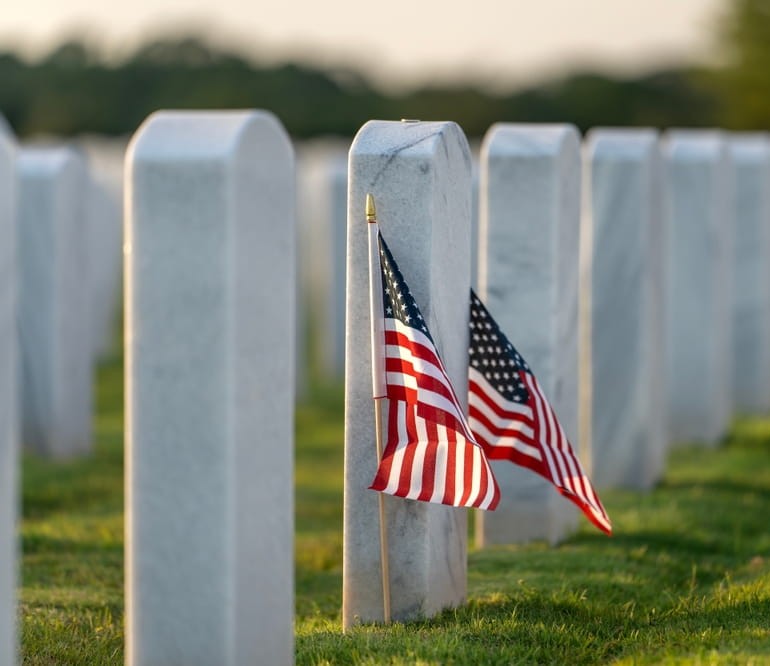
Image of a line of graves at a national cemetery with small American flags planted in ground

“Bury Me with Soldiers” (Rev. Charles R. Fink)

I’ve played a lot of roles in life;
I’ve met a lot of men.
I’ve done some things I’d like to think
I wouldn’t do again
And though I’m young, I’m old enough
To know someday I’ll die.
And think about what lies beyond, And
Besides whom I would lie.

Perhaps it doesn’t matter much;
Still if I had my choice,
I’d want a grave amongst soldiers when
At last death quells my voice
I’m sick of the hypocrisy
Of lectures by the wise
I’ll take the man with all his flaws
Who goes, though scared, and dies.

The troops I know were commonplace;
They didn’t want the war
They fought because their fathers and
Their father’s fathers had before.
They cursed and killed and wept –
God knows they’re easy to deride –
But bury me with men like these;
They faced the guns and died.

It’s funny when you think of it,
The way we got along.
We’d come from different worlds
To live in one, where no one belongs
I didn’t even like them all and,
I’m sure they’d all agree.
Yet, I would give my life for them,
I hope. Some would for me.

So bury me with soldiers, please
Though much maligned they be
Yes, bury me with soldiers, for
I miss their company.
We will not soon see their like again
We’ve had our fill of war.
But, bury me with men like them
Till someone else does more!

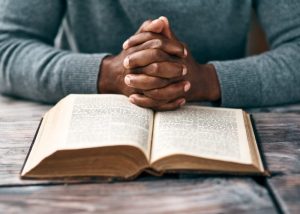
Man resting hands on an open Bible

Select a Bible Verse that Focuses on Service and Sacrifice

If you are a family rooted in the Christian faith, then you might consider selecting a Bible verse that focuses on your veteran’s values. By choosing to join the Armed Forces, your veteran decided to put others’ safety above their own and serve a cause greater than themselves. There are many Bible verses that capture this attitude and could add greater depth to a loved one’s final tribute.

Here are a few to consider:

  • John 15:13: “Greater love has no one than this: to lay down one’s life for one’s friends.”
  • 2 Timothy 4:7: “I have fought the good fight, I have finished the race, I have kept the faith.”
  • Joshua 1:9: “Be strong and courageous. Do not be afraid; do not be discouraged, for the Lord your God will be with you wherever you go.”
  • Philippians 2:3-4: “Do nothing out of selfish ambition or vain conceit. Rather, in humility value others above yourselves, not looking to your own interests but each of you to the interests of the others.”
  • Isaiah 41:10: “So do not fear, for I am with you; do not be dismayed, for I am your God. I will strengthen you and help you; I will uphold you with my righteous right hand.”
  • Psalm 18:2: “The Lord is my rock, my fortress and my deliverer; my God is my rock, in whom I take refuge, my shield and the horn of my salvation, my stronghold.”

However, if you follow a different religion, the same principle applies. Consider reading passages from your holy book that express the values of kindness, service, and commitment to others.

Older man in uniform standing and facing an American flag

What’s Next?

Hopefully these examples have sparked some ideas in you! Or perhaps, one of them felt like the right choice to honor your veteran’s life. On the other hand, if none of them spoke to you, that’s okay. There are so many other poems, scriptures, and readings out there that can properly honor and celebrate your veteran’s life.

If you’d like some assistance, consider chatting with your trusted funeral director. They can brainstorm additional ideas for creating a personalized and meaningful final tribute that honors your veteran’s service, sacrifice, and commitment to duty and peace.

Also, read “20 Ideas for Personalizing a Veteran’s Final Tribute” for more suggestions!

Funeral Celebrants: How Can They Help Your Family?

By Educational, Explore Options, Meaningful Funerals, Planning Tools

When you’re planning a final tribute for a loved one, you don’t want the last words spoken over them to be hollow, empty, or insincere. Instead, the words should be real, kind, true, and an accurate reflection of who they were as a person. A funeral celebrant can help you create a beautiful send-off that feels personal, meaningful, and genuine.

But what is a funeral celebrant, and how can they help? Let’s talk about it.

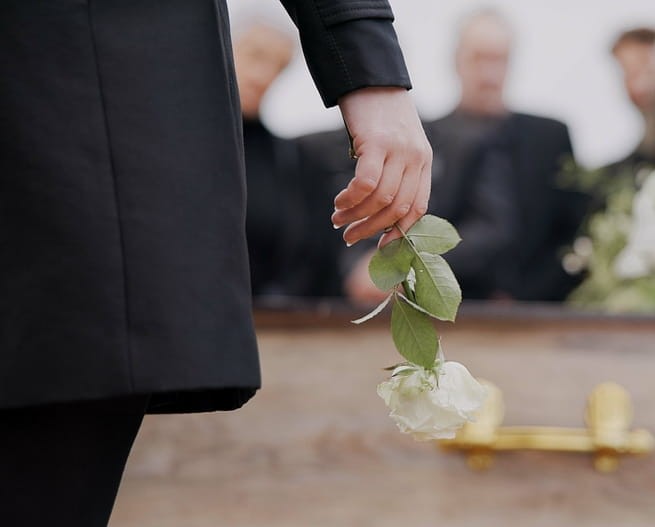
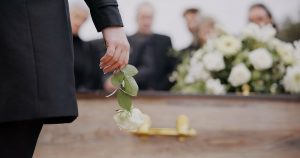
Mourner holding a white flower as they look at a wooden casket with a spray of white flowers on top

What is a Funeral Celebrant?

A funeral celebrant leads and officiates a funeral or memorial service, religious or non-religious, helping create a personalized and meaningful ceremony for the person who has died. In the United States, a funeral celebrant is often not a member of the clergy, but they can be.

Their main role is to tell a story – the story of your loved one’s life. The service is about remembrance and celebration, heartache and joy. The celebrant will work closely with you to tailor the services to meet your needs and wishes, honoring your loved one’s life and personality.

They are skilled public speakers who adapt and adjust to your family’s requests. Whether it’s a solemn occasion requiring decorum and poise or a joyous celebration calling for an inspirational and cheerful tone, a funeral celebrant can strike the right balance.

A celebrant can be particularly helpful for families who are non-religious. For those who regularly attend a place of worship, a clergy member is often available to officiate the service (if you wish), but for those who are non-religious, a funeral celebrant can fill the role.

Man in red sweater shaking hands with another man

How Can a Funeral Celebrant Help You?

While the funeral director coordinates all the service details, they don’t prepare the actual program for the event or officiate. The order of events and what’s included in the service are up to the family. This is where the celebrant can step in and become a huge help.

Here are several ways that the funeral celebrant can help you before, during, and after a loved one’s service:

  • Learn about your loved one so they can prepare personalized remarks
  • Help to plan the order of service, if you wish
  • Suggest and coordinate readingsmusicpoems, or hymns
  • Write and deliver a personalized eulogy (based on stories you shared)
  • Keep you informed, so you never feel left out or overwhelmed
  • Ensure that the program moves smoothly from one speaker to the next
  • Provide logistical and emotional support throughout the planning process
  • Keep the event on track while staying sensitive and adapting as needed
  • Provide feedback to family or friends who’d like to speak at the funeral
  • Coordinate with the funeral home staff and other service providers as needed
  • Lead the ceremony with warmth, sensitivity, and kindness
  • Conduct the graveside service, if you wish

Planning and hosting a funeral may feel overwhelming when you’re processing and grieving a loss. The celebrant can step in and act as both storyteller and organizer, ensuring that your wishes for the service come to pass with attention to detail and authenticity.

Female celebrant meeting a woman at her home to talk about the funeral

What Should I Expect When Meeting with a Celebrant?

Once you’ve decided to use a celebrant, they will contact you for a chat, either in person or via video or phone call. If you wish to meet in person, they can come to your home or you can meet at an agreed-upon location.

When you meet the celebrant, they should put you at ease right away. They will ask questions about your loved one’s life, values, and personality because they want to understand who they were. By listening to your stories and memories, the celebrant can craft their words and presentation to reflect your loved one’s life.

If you wish, the celebrant can also discuss options for the funeral service and offer suggestions to help you personalize the service even more. Throughout it all, they will provide emotional and logistical support as you make choices that are best for your family and honor your loved one’s life.

Celebrant reviewing written eulogy with grieving couple

What Questions Should I Ask the Funeral Celebrant?

While the celebrant will ask you many questions during your time together, you can also ask questions to get to know the celebrant and learn more how they work. It’s important that you work well together, and a few questions can help you determine whether your personalities and practices are compatible.

Here are a few questions you might consider asking:

  • How long have you been practicing as a funeral celebrant?
  • What is your training and experience?
  • Can you provide testimonials or references?
  • What process do you follow on the day of the funeral?
  • What do you do when something goes wrong at the funeral?
  • Do you have any specific ideas or themes in mind for the funeral service?
  • How will you help us create a service that reflects the personality of our loved one?
  • How much do you charge for your services?
  • Are you comfortable working with both religious and non-religious families?
  • Do you have experience working with families from different cultures or religions?

Grieving man and woman standing next to a casket, hands rested on its lid

What’s the Difference Between a Celebrant and a Funeral Director?

While the roles overlap in some duties, they are distinct and separate.

Celebrant

A celebrant serves as a storyteller, guide, writer, speaker, and master of ceremonies. They conduct religious or non-religious services, depending on the religion’s requirements. Their main role is to lead and direct any final services and ensure everything runs smoothly while you honor and remember a loved one. They do not assist with anything related to the burial or cremation (unless they are also a trained funeral director).

Funeral Director

A funeral director is trained to support grieving families by coordinating every aspect of burial or cremation, including preparation of the body, working with the cemetery, securing permits, and filing for a death certificate. They also assist with third-party services (such as florists) and with planning final services like coordinating the viewing, funeral or memorial service, or graveside service. They do not lead or conduct the final tribute or any other remembrance events.

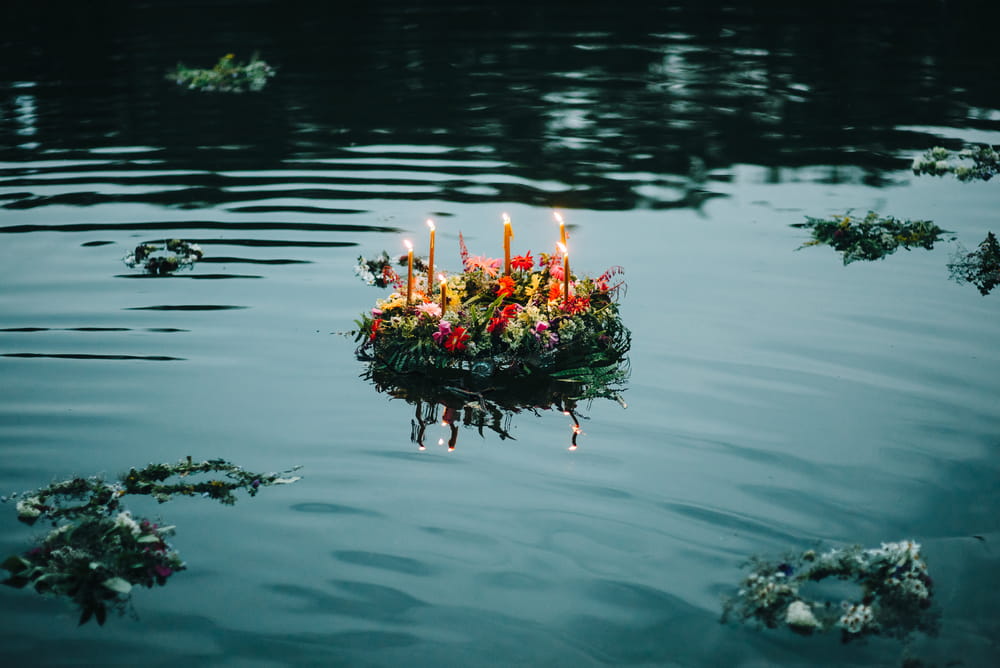
Three list memorial candles

Do I Need a Funeral Celebrant?

You do not specifically need a celebrant, but you DO need someone to lead the service. You may ask a friend, family member, or clergy person to officiate. Celebrants are simply another option. They can be especially helpful if you don’t have a clergy person in mind or if family and friends don’t feel up to leading the service. No matter who you choose – clergy, family, friend, celebrant – always select the person who best fits your family’s needs and can meaningfully honor your loved one’s life.

Woman in black veil placing white rose on top of casket

How Much Do Celebrants Cost?

Celebrant fees vary, but compensation or an honorarium is expected. Ask the funeral home for a recommendation or rely on the funeral director to engage a celebrant’s services on your behalf. Once a celebrant is selected, discuss fee expectations. If the celebrant is familiar to the funeral home, the funeral director can share the celebrant’s typical rates.

Hopefully, you now have a better and deeper understanding of the funeral celebrant and the value their services can bring to you and your family. If you have more questions about celebrants or would like to meet with one locally, contact your trusted funeral home. They can point you in the right direction and help you find a celebrant who will help you honor your loved one’s life in a way that feels right and good.

12 Songs to Honor Dad at a Funeral Service

By Explore Options, Meaningful Funerals, Music

For many people, a dad is so much more than just another family member. He’s a protective guardian and a strong refuge. He offers care, provision, laughter, and crazy shenanigans. He supports, teaches, connects, and loves. When you lose someone so important to your life, the urge to honor them in a special way is strong. If you are planning a personalized final tribute for a loving father, consider including one of these 12 songs to honor his life and reflect how you feel about him.

Father holding son outside as son holds a model airplane

This list is organized into three categories: songs from a daughter, songs from a son, and songs that can be used by anyone to honor their dad. Let’s get started!

Songs from a Daughter

1. Fathers & Daughters (Michael Bolton)

When times are hard, I know you’ll be strong
I’ll be there in your heart when you’ll carry on
Like moonlight on the water, and sunlight in the sky
Fathers and daughters never say goodbye

Inspired by Michael Bolton’s relationship with his own three daughters, this heartfelt ballad captures the emotional connection between fathers and daughters. With its themes of love, protection, and hope, it highlights the way a father will be a guiding presence through every part of life, even after they’re gone. This song perfectly honors a dad whose steady support has always been a pillar of strength in your life.

2. Daddy’s Hands (Holly Dunn)

If I could do things over, I’d live my life again
And never take for granted the love in daddy’s hands

This all-time country classic celebrates fathers and their quiet strength and dedication to family. Based on Dunn’s relationship with her own father, it showcases the many hats that dads wear. From praying and calming nightmares to providing for the family and loving Mama well, this beloved melody brings tears to the eyes and fullness to the heart. Give it a listen and consider including this song in your selections to honor your father.

3. Lullabye (Goodnight, My Angel) (Billy Joel)

Wherever you may go
No matter where you are
I never will be very far away

With its softness and aching tenderness, this is one of Billy Joel’s most touching songs. Inspired by his daughter, Joel incorporates themes of protection, love, comfort, and the timeless connection between father and daughter across time and distance. The lyrics touch on death and how the love between a father and his daughter will always survive, saying “you’ll always be a part of me.” For those who want to highlight the transcendence of love beyond death, this song is a perfect complement to a father’s final tribute.

4. Butterfly Kisses (Bob Carlisle)

Oh, with all that I’ve done wrong
I must have done something right
To deserve her love every morning

This Grammy Award-winning song has become meaningful to so many fathers and daughters across the nation. With its themes of growing up, letting go, and loving deeply, its message is relatable and something many fathers experience as their daughters become women. If you shared a loving connection with your dad, then this song may be a beautiful way to honor that relationship while saying goodbye.

Songs from a Son

5. My Old Man (Zac Brown Band)

I can still remember every lesson he taught me
Growing up learning how to be
Like my old man

This timeless song delves into the complexities of the father-son relationship, thoughtfully reflecting on how a son learns from his father and seeks to imitate him in so many ways. Filled with raw emotion and meaningful lyrics, the song captures the essence of paternal love and its impact on young sons. For the son who aspires to become just like his old man, this song can be a “Thank you” and a “I’ll make you proud” at a father’s final tribute.

6. Monsters (James Blunt)

No need to forgive, no need to forget
I know your mistakes and you know mine
And while you’re sleeping, I’ll try to make you proud

If you’ve never heard James Blunt’s “Monsters,” then bring out the tissues before listening. Written during a time when his father was facing imminent kidney failure, Blunt’s lyrics are real, visceral, and clearly showcase just how much his father means to him. For those with a father facing a terminal illness or who has died from a chronic disease, this poignant song can serve as a heartfelt farewell and a message of love and care.

7. Thank You for Being My Dad (Jon Barker)

Thank you for shaping my life
Thank you for teaching me all you can
You are no ordinary man, no no
You make me everything I am

A popular choice for a father’s funeral, this song expresses deep gratitude and appreciation for a father’s guidance, love, and support. With its positive and melodic tone, it is soothing even as the lyrics convey the importance of communicating the impact of a father’s love. If you didn’t get a chance to say “thank you” to your dad or want to honor him again as you say goodbye, consider adding this memorable song to the funeral program.

8. Love Without End, Amen (George Strait)

He said, “Daddies don’t just love their children
Every now and then, It’s a love without end, amen”

From award-winning country artist George Strait, this captivating and emotional song tells the story of a father’s unconditional love for his son. No matter what the child has done, his father’s love will be a “love without end, amen.” There is an unbreakable bond between father and child, and the lyrics capture the unwavering and constant nature of the love that binds. This country classic would be a beautiful addition to any dad’s final tribute.

Songs from Anyone

9. Fall on Me (Andrea Bocelli and Matteo Bocelli)

I close my eyes, and I’m seeing you everywhere
I step outside, it’s like I’m breathing you in the air
I can feel you’re there

With its soaring vocals and emotional delivery, this stunning song is a duet between father-and-son vocalists, Andrea and Matteo Bocelli. As you listen, you can hear the deep love and affection shared between the two men. While the words are referencing the ability to fall on a higher power for guidance and direction, the same lyrics easily apply to a loving father on Earth. Consider including this song as a reminder that a father’s love never ends and will continue to provide light and hope in the future.

10. Kind and Generous (Natalie Merchant)

Oh, I want to thank you for so many gifts
You gave with love and tenderness
I want to thank you

In this lovely song, Merchant shares a message of profound gratitude for the generous, selfless, and kind acts that make a significant impact on our lives. While it’s not written specifically to a father, the song’s words paint a picture of a relationship based on genuine care and support. As you say a final farewell to your dad, this song can convey the deep and abiding gratitude you feel for his place in your life and the deep love you shared.

11. Dance with My Father (Luther Vandross)

I’d play a song that would never ever end
‘Cause I’d love, love, love
To dance with my father again

Based on Vandross’s life with his father (who died when Vandross was seven), this poignant ballad leans into the importance of memory. The lyrics recall fond childhood memories and capture the essence of a loving and secure home. The yearning for one last dance, one final moment, together is something many grieving children (of any age) can relate to. With its emotional depth and powerful delivery, this song is a heartfelt tribute for any service.

12. Footprints in the Sand (Leona Lewis)

I promise you
I’m always there
When your heart is filled with sorrow and despair
And I’ll carry you

Inspired by the spiritual poem of the same name, this song emphasizes the fact that we are never alone and highlights the strength and comfort that can be found in fatherly relationships. Whether you are leaning into a heavenly Father or the memory of your earthly father, that relationship can be a steadying influence and a lifelong comfort. If your father helped carry your hurts and burdens, this song can honor that part of his life and legacy.

As you plan a personalized tribute for your dad, you are not limited to the songs on this list. These are merely a starting place and meant to inspire you. If there’s a song that always reminds you of your dad or that he sang regularly, include that song. The goal of personalizing the music at a funeral service is to capture the person’s unique life and personality. So, think of who your dad was and choose music that feels meaningful and reflects your unique relationship.

Father and young daughter dancing at home

Additional Resources

For more suggestions on songs to include at a funeral service, check out the resources below:

By decade:

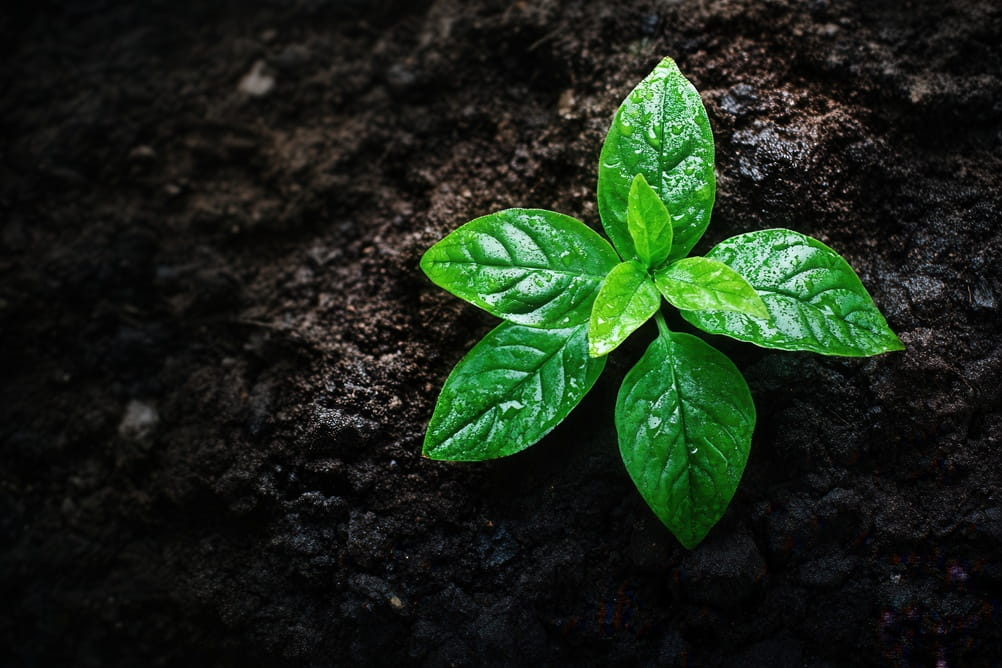
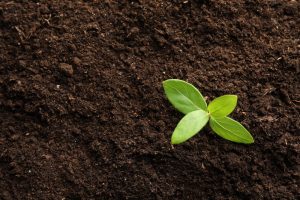
Young, green shoot resting in dark soil

4 Ways Natural Organic Reduction is Eco-Friendly

By Educational, Explore Options

Are you interested in an eco-friendly funeral? Then consider looking into natural organic reduction! According to research, the entire process uses 87% less energy than traditional flame cremation and fewer natural resources than conventional burial. How, you may ask? Let’s talk about natural organic reduction and 4 ways that the process is gentle on the body and kind to the planet.

Looking up at top of green trees with pieces of blue sky visible

What is Natural Organic Reduction?

In case you haven’t heard much about natural organic reduction, let’s review a quick definition.

Natural organic reduction is the process of transforming human remains into nutrient-rich soil through controlled natural decomposition. The body is placed in a specialized container with organic materials like wood, straw, and alfalfa. Then, by controlling the heat, moisture, and temperature inside the container, decomposition takes place quickly, and as the body merges with the natural materials, nutrient-rich soil is created. Fascinating, right?

Mushrooms growing along moss-covered tree

4 Ways Natural Organic Reduction is Eco-Friendly

Now, let’s discuss why natural organic reduction is considered one of the more eco-friendly funeral options.

1. Uses Less Energy

As stated earlier, natural organic reduction uses significantly less energy and natural resources than conventional burial or cremation. But why is that?

Man in suit holding an urn and a white lily

Compared to Cremation

Traditional flame cremation requires a sustained heat of approximately 1,600 degrees Fahrenheit for 3 to 4 hours. This high heat is achieved through fossil fuels, like natural or propane gas. As the cremation takes place, carbon dioxide and particulates are released into the atmosphere. According to the data, more than 300,000 metric tons of carbon are released through cremation every year.

On the other hand, natural organic reduction relies on electricity for its low heat component, not fossil fuels. By using electricity, natural organic reduction cuts down on its carbon footprint significantly.

Woman placing a white rose on top of a wooden casket

Compared to Burial

For a burial to take place, you need several manufactured items, including a casket, headstone, and grave liner. To meet these needs in the United States, manufacturers use roughly 20 million feet of wood and 1.6 million tons of concrete each year.

In addition to using natural resources like wood and concrete, there are environmental factors associated with transporting the items, like gasoline and vehicle exhaust.

With natural organic reduction, there’s no casket or grave liner, reducing energy use by cutting down on manufacturing and transport. While you may still wish to commission a memorial plaque, the size and material are entirely up to you (no need to abide by any cemetery regulations).

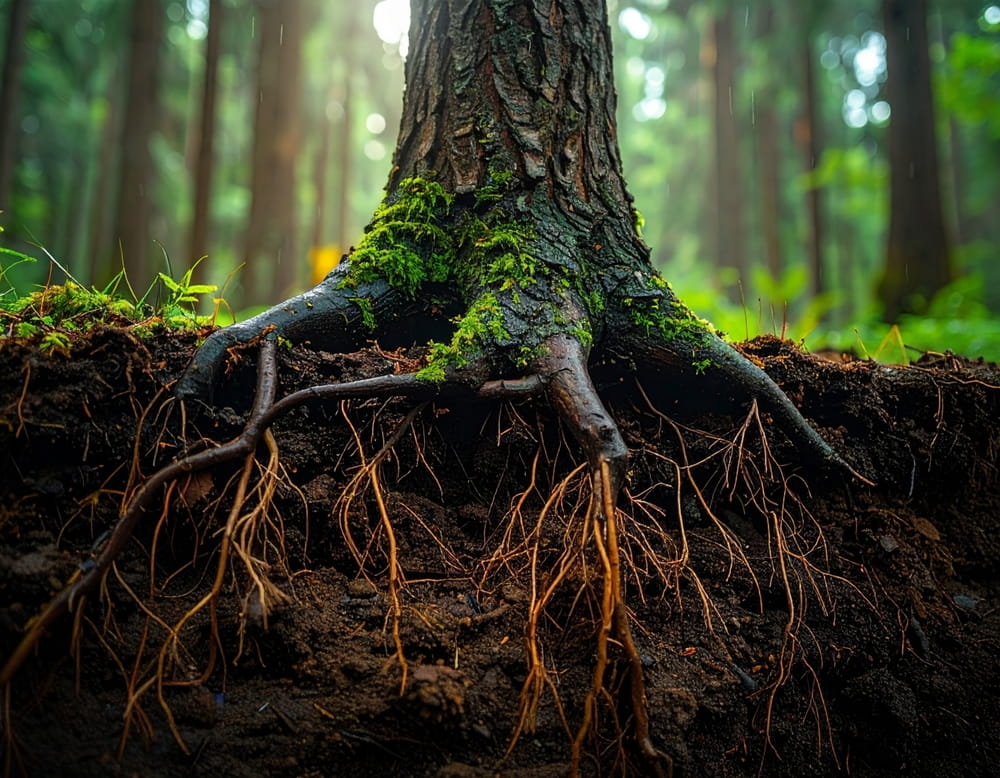
Moss-covered tree in forest with a complex root system

2. Moves Away from Harsh Chemicals

During the natural organic reduction process, great care is taken to ensure that everything is done naturally and with minimal environmental impact. One way that the process protects the environment is by banning the use of any chemicals, including embalming fluids.

Let’s put it into perspective. In 2024, the CDC published that just over 3 million Americans died during the year. Of those, 31.6% likely chose burial (according to the NFDA’s 2025 statistics). On average, 3 gallons of embalming fluid are used per person, which means that approximately 2.8 million gallons of embalming fluid are used each year. While many funeral homes are moving toward using embalming fluid made from essential oils and extracts, traditional formaldehyde, phenol, and methanol are still quite common.

By eliminating the use of chemicals entirely, natural organic reduction supports a cleaner and healthier ecosystem.

Forested area in shadow with glimpses of sunlight peeking through

3. Conserves Natural Resources

We’ve already talked about how natural organic reduction conserves natural resources like fossil fuels, wood, and concrete. On top of that, natural organic reduction also works to conserve and revitalize land.

As there is no traditional gravesite, the family does not need to purchase a plot or use private land for a loved one’s final resting place. Instead, the soil created during the natural organic reduction process can be used to restore and revitalize protected areas where vital environmental repair is needed.

And for those concerned about chemical seepage (from burying an embalmed body), natural organic reduction removes that concern entirely by prohibiting embalming.

Young, green shoot resting in dark soil

4. Boosts Soil Health

The natural organic reduction process creates roughly one cubic yard of soil (or 1,000 pounds). Before natural organic reduction was legalized, tests were conducted to ensure that the soil was safe for use in nature. Research found that the soil’s pH range was ideal for most plants (other than tender annuals).

The soil composition is balanced, providing rich nutrient content with a good supply of macronutrients. What does that mean? Once the soil is ready for use, the family can take it home for private use. Or, if they prefer, they can donate the soil to a land conservation program.

Regardless of which option the family selects, the soil will go back into the environment, nourishing ecosystems and revitalizing plant life.

Close-up on leaves on a bush

What If I Have More Questions?

You now have a better understanding of why natural organic reduction is considered eco-friendly and green, but that doesn’t mean all your questions are answered. To get more information, check out the resources below or contact your local funeral home today!

How Does Natural Organic Reduction Work?

An FAQ Guide to Natural Organic Reduction

Root system of moss-covered tree in a forest

An FAQ Guide to Natural Organic Reduction

By Educational, Explore Options, Planning Tools

Have you ever heard of natural organic reduction? If you haven’t, don’t worry! Today, we’re going to discuss some frequently asked questions about this new service option, so that you can be informed when making end-of-life decisions. Let’s get started!

Root system of moss-covered tree in a forest

What is natural organic reduction?

Natural organic reduction is the process of transforming human remains into nutrient-rich soil through controlled natural decomposition. Washington State was the first to legalize natural organic reduction, and other states have followed suit since then. Both gentle and sustainable, natural organic reduction is considered a “green” funeral option and has become an eco-friendly alternative to classic burial and cremation.

Does natural organic reduction go by any other names?

Yes, you may come across several names as you research this service option. In addition to natural organic reduction, you may find it called human composting, soil transformation, recomposting, recomposition, and terramation.

Dirt walking path through a forest of trees with blue sky above

How does the natural organic reduction process work?

Typically, the process occurs in phases and can take 8 to 12 weeks to complete. The body is laid in a specially designed vessel and surrounded by wood chips, alfalfa, and straw. Over the next several weeks, microbes created by these natural materials will accelerate the decomposition process and break down the body, resulting in nutrient-dense soil. There will then be a curing period of three to five weeks before the soil is returned to the family.

Is natural organic reduction more eco-friendly than other traditional options?

Research has found that natural organic reduction uses 87% less energy than traditional burial or cremation. Additionally, the soil created through the natural organic reduction process can nurture the ecosystem by filtering water, providing nutrients for plants, and releasing carbon in a way that is less harmful to the environment.

New green growth of a plant in dark soil

Can I have a funeral service with natural organic reduction?

Yes, you can have a service! There are several options, and the funeral home staff can review them with you. Most commonly, you can:

  1. Have a service before the natural organic reduction process has begun,
  2. Have a memorial service (no body present) at any time, or
  3. Wait until the soil has been returned to you and host a scattering/tree planting service, memorial service, or whatever kind of gathering you prefer.

No matter what you choose, personalizing the final tribute is a meaningful way to celebrate and honor the essence of your loved one’s life and legacy.

Is there anyone who isn’t eligible for natural organic reduction?

Body size and weight do not matter, but there are a few things that will disqualify a person from being eligible for natural organic reduction.

  1. The natural organic reduction process destroys most harmful pathogens. However, there are three rare diseases that disqualify a body: Ebola, prion diseases such as Creutzfeldt-Jakob Disease, and active tuberculosis.
  2. For patients who have received radiation seed implants, the seeds must be removed, and 30 days must pass before they are eligible for natural organic reduction.
  3. Embalming disqualifies a body for natural organic reduction, so any bodies donated to science are ineligible. However, you can be an organ donor and still choose natural organic reduction.

Person planting new plant shoots in dark soil

What happens to bones, teeth, and implants during the process?

Bones and teeth: Because of their mineral composition, bones and teeth do not fully break down during the natural organic reduction process. However, once the soil is ready, the bones and teeth are removed and then ground into a fine powder. The bone powder (ashes) is then added back to soil and will further enrich its nutrient-density.

Implants, artificial limbs, and tooth fillings: Once the process is complete, the soil is screened for non-organics like implants, artificial limbs, and tooth fillings. When possible, these items are recycled.

Pacemakers: If a pacemaker is present, it will be removed before the natural organic reduction process begins.

How much soil does that natural organic reduction process create?

The amount of soil created really depends on the size of the person and how much plant material (wood chips, alfalfa, straw) was used during the natural organic reduction process. After choosing a service provider, you can ask how much soil their specific process creates.

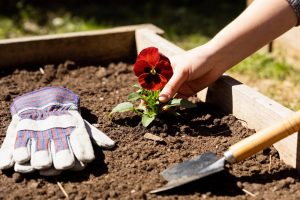
Garden bed with spade, work clothes, and small, red flower

What can you do with soil created by natural organic reduction?

Once the soil is returned to your family, you can use it to create a garden, plant a memorial tree, scatter it in a natural environment, or whatever else you’d prefer. You can place the soil on private property with permission from the owner. However, with public spaces or conservation areas, check local guidelines and ordinances first.

Alternatively, many service providers also partner with at least one non-profit land conservation organization. Rather than take the soil home, you can donate it to a land conservation project, and it will be used to restore forests and revitalize protected areas.

Can the soil be shipped?

Yes, shipping to most locations in the United States is available. However, due to the variety of regulations involved, international shipping is generally not available. To get specific information, speak with your chosen funeral home about shipping costs and regulations.

Forest floor with tree trunks, ferns, moss, and dried, brown leaves

Can I have a grave marker if I choose natural organic reduction?

Typically, families choose to scatter or bury the soil, use it in gardening, or donate it to a conservation partner to help nourish the land. If you wish to commission a grave marker, you certainly can. However, keep in mind that there likely won’t be a traditional gravesite where you can place a grave marker. You will need to be creative with your placement or opt for a plaque or memorial stone instead.

How does the cost of natural organic reduction compare to other funeral options?

Pricing generally depends on the provider you use and the state you live in. However, many providers are actively keeping the cost comparable to burial and cremation.

Mature woman biking through green forest

Where is natural organic reduction legal?

As of February 2026, natural organic reduction is legal in 14 states: Arizona, California, Colorado, Delaware, Georgia, Maine, Maryland, Minnesota, Nevada, New Jersey, New York, Oregon, Vermont, and Washington. More states are likely to approve this final disposition option in the years to come, so speak with a trusted funeral professional if your state is not listed.

Can you preplan with natural organic reduction?

Absolutely! The only difference is that you should look for a funeral home that offers natural organic reduction as part of their service offerings. If you do that, then the funeral planning process will be seamless for you and your family.

Hopefully, you now feel more informed about natural organic reduction! If you’d like more information, reach out to a trusted local funeral home. Even if they don’t offer natural organic reduction themselves, they can point you in the right direction.

Person sitting down and looking at online review on a smartphone

Top 10 Characteristics to Look for in a Funeral Home

By Explore Options, Planning Tools

While losing a loved one is not something any of us want to think about, there is value in thinking ahead and being prepared for the future. Whether you want to complete advance funeral arrangements or are in the midst of planning a loved one’s funeral right now, it’s important to choose the funeral home that works best for you.

Unfortunately, funeral homes are not created equal. As you select a funeral home to meet your planning needs, consider looking for these 10 characteristics.

Person sitting down and looking at online review on a smartphone

1. Possesses a Good Reputation

You probably know of a place (whether it be a restaurant, retail store, or funeral home) that has a bad reputation. What do you instinctively do when you know a place has a bad reputation? You avoid it. You read online reviews, listen to other people’s stories, and value your own experience.

Particularly when selecting a funeral home, find a trusted establishment that maintains a good reputation so you can be confident in the care and service you will receive. Ask your friends for recommendations or read online reviews of the funeral homes in your area.

Professional resting caring hand on shoulder of grieving person

2. Employs Caring and Compassionate Staff

At any business, you should expect to be treated with kindness. However, this attitude should be especially true of funeral home staff, who should exhibit excellent customer service and authentic sincerity. If they don’t, you know there’s a problem.

Another way to determine whether a funeral home cares is to see how involved they are in the community. Alternatively, make a short list of funeral homes you are considering and give them a call. Just one conversation can tell you a lot about their service and care.

Stacked hands representing community

3. Communicates a Commitment to Families

No matter which funeral home you choose, you should have confidence in their commitment to you. If a funeral home has a good reputation and employs kind and caring staff, then they’re also likely to show great commitment to the families they serve.

However, it is still good practice to read a funeral home’s mission statement and history. These two pieces of information can give you a better understanding of a funeral home’s values and commitments. You and your family should be at the top of the list!

White flowers resting on dark wood casket

4. Expresses a Desire to Create a Meaningful Experience

Renowned grief counselor, author, and educator, Dr. Alan Wolfelt, says, “What is essential [when planning a funeral] is the life that was lived and the impact that life had on family and friends. To honor that unique life, the funeral must also be unique. Over and over families tell me that the best funerals are those that are personalized.

As you consider a funeral home, ask yourself, “Will this funeral home help me create a service unique to my needs and values?” Personalized funerals are on the rise, and a good funeral home will work with you to create a meaningful and healing experience. The funeral director should listen carefully to your needs, answer your questions, and offer suggestions for creating a personalized final goodbye.

GPS showing on smartphone on car's dashboard

5. Offers a Good Location and Services

As you look for a funeral home to partner with, take your specific needs into account. For many, a convenient location is essential. When planning a funeral, you will be in frequent contact with the funeral home and easy access will be helpful for your preparations.

In addition to having a good location, evaluate the facility and services. Is the building clean and well-kept? Do they have room for a visitation, viewing, or reception (if your plans require such spaces)? Is the facility flexible, allowing you to adjust it to meet your specific needs?

Regarding services, does the funeral home offer what you need? Do they provide burial and cremation options? Do they coordinate graveside services or offer eco-friendly selections? No matter what your wishes are, only commit to a funeral home that can accomplish them.

Man holding white rosary beads in his hand

6. Accommodates Religious or Cultural Needs

Another thing to consider is whether the funeral home can accommodate your religious or cultural needs. For some people, their origins and beliefs make up the fabric of who they are. It’s important that these core values are evident in the funeral or memorial service.

No two people are the same, and because of that individual uniqueness, no two funerals should be the same either. The funeral home you choose should be willing to help you express any religious or cultural beliefs you hold dear.

Blocks that says "pricing" on white background

7. Values Transparency about Costs and Descriptions

Everyone values a clearly stated fee structure. With that in mind, partner with a funeral home that practices openness and transparency.

When you contact the funeral home, ask for the General Price List, which includes an itemized list of all services and merchandise. Every funeral home is required by the Federal Trade Commission to have this document updated and readily available for anyone who wishes to see it. With the Price List in hand, you can determine what’s best for your budget – no surprises!

And if you have questions about pricing or manufacturing, the staff should be willing to quickly and thoroughly answer your questions.

Young woman looking sadly out a window

8. Offers Grief Resources

An important question to ask yourself is, “Does this funeral home provide services beyond the funeral itself?” A good funeral home will be there for you even after the funeral is over.

Look for an establishment that offers grief counseling services, post-funeral newsletters and education, grief support groups or materials, “check in” visits and phone calls, or holiday commemoration services, to name a few options. Your grief journey is important, and the right funeral home can help you on the road toward healing.

Man in blue button-down shirt working on a computer

9. Utilizes Up-to-Date Technology

The funeral industry is often accused of being behind the times, but this is not entirely true. Yes, some funeral homes may be slow to change, but there are new, exciting technological advances available.

More and more funeral homes are cultivating a social media presence, creating and updating their websites, helping families create memorial videos, or offering a livestream of the funeral service. Some are even providing online funeral planning options. If these services are important to you, look for a funeral home that uses up-to-date technology to enhance its offerings.

Blonde woman giving an educational presentation

10. Engages the Community with Education Programs

Finally, a good funeral home and its staff engage with the community before, during, and after the funeral. Does the funeral home host educational programs about estate planning and the importance of getting your affairs together? Do they offer educational events to share the importance of funeral preplanning or offer tours of the funeral home facilities? Do they offer hospice continuing education or engage in community events?

The funeral home should be an advocate of information. Death inevitably comes to us all, and we cannot change that. Education and preparation can be our ally, but that only happens if a funeral home engages with its community.

Hopefully this list of characteristics will help you find the best funeral home partner for your specific needs and wishes. Saying goodbye in a personalized and meaningful way is an important step in the healing journey, so don’t be afraid to ask questions and make sure you’ve got the right team by your side.

Man placing white rose reverently on top of casket

A Quick Guide to Planning a Funeral

By Explore Options, Planning Tools

Before we start, if you have recently lost a loved one, you have our sincerest sympathies. It is our hope that this quick guide to planning a funeral will help you navigate through the complex process of planning a funeral for a loved one. You will find accurate, up-to-date, and helpful links and information on a variety of topics. Let’s get started!
Three people placing hands on the top of a casket in a gesture of goodbye

The “Why” of Funerals

To start off, it’s important to note that in today’s world many people miss out on the purpose and value of a funeral. But saying goodbye in a meaningful way is just as important today as it was thousands of years ago. Dr. Alan Wolfelt, a nationally respected grief expert who has counseled thousands of families, teaches that the funeral is an important rite of passage and “puts you on the path to good grief and healthy mourning.” To learn more about why funerals are important, take a look at the articles below.

Do Funerals Still Matter?

Why Does the Funeral Matter?

Should a Funeral Be Efficient or Effective?

The 6 Purposes of a Funeral

Final Disposition Options

Nowadays, your options for final disposition (or a final resting place) continue to expand. Please take a moment to read the articles below to help you decide which option is most appropriate for your needs.

Burial FAQs: What Are Your Burial Options?

Answering Your Green Burial Questions

5 Questions to Ask When Selecting a Casket

What Should I Know When Considering Cremation?

Urn Burial: Understanding the Basics

Bright bouquet of flowers resting on top of casket

The Elements of a Meaningful Funeral Service

“People who take the time and make the effort to create meaningful funeral arrangements when someone loved dies often end up making new arrangements in their own lives. They remember and reconnect with what is most meaningful to them in life…strengthen bonds with family members and friends. They emerge changed, more authentic and purposeful. The best funerals remind us how we should live.” – Dr. Alan Wolfelt

In order for a funeral service to be a healing and meaningful experience, there are several tried and true elements that you should consider incorporating.

Element #1: Music

Let’s discuss music. It sets the mood for a funeral and brings emotions to the forefront. In fact, one of the purposes of a funeral is to allow mourners to grieve together, and in many ways, music says what words cannot. Don’t be afraid to invite people to express grief. Consider using music that was significant to the lost loved one. What was their favorite genre of music? Did they have a favorite artist or song?

Why Include Special Music in a Funeral Ceremony?

How to Personalize Music at a Funeral

Setting the Tone for a Service: A Collection of Funeral Songs

Woman in gray sweater reading a book

Element #2: Readings

Readings add another facet to a meaningful funeral. They are a way to not only invite mourners to express their emotions, but readings can bring to life the unique spirit of the one who has died. Did they have a favorite book? Poem? Were they a person of faith who would want passages read?

How do Readings Enhance the Funeral Experience?

How to Personalize Readings at a Funeral

10 Literary Readings for Any Type of Funeral

Top 10 Poems for a Funeral Ceremony

Top 10 Bible Verses for a Celebration of Life Service

Element #3: Viewing/Visitation

The viewing or visitation is a time for family, friends, coworkers, and neighbors to gather and express support and sympathy. The viewing is an opportunity for mourners to see the special person one last time and begin to acknowledge the reality of the death. For many, it is important to physically see the body, and the viewing offers this opportunity. A visitation, which can be paired with a viewing, provides mourners with an opportunity to offer their support and condolences to the grieving family.

Viewing vs. Visitation: What’s the Difference?

How to Personalize the Visitation at a Funeral

3 Reasons to Have a Visitation

microphone on blue background

Element #4: Eulogy/Remembrance

Fourth, the eulogy may be the single most important aspect of a funeral service. It is the time to acknowledge and affirm the significance of the life lived. With that in mind, take time to share treasured memories, quotes, or even the lost loved one’s favorite jokes. The eulogy, sometimes called the “remembrance” or the “homily,” can be delivered by a clergy person, a family member, or even by a series of people.

8 Tips for Crafting a Eulogy

How to Personalize the Eulogy at a Funeral

11 Mistakes to Avoid When Writing a Eulogy

5 Steps for Writing a Personalized Eulogy with AI

Element #5: Symbols

Symbols, or symbolic acts, offer a focus point for the bereaved as well as a sense of comfort. Common symbols are a cross (or another appropriate religious symbol), flowers, and candles. For example, the act of lighting a candle, planting a memorial tree, and wearing dark clothing are all symbols we utilize.

The Importance of Symbols

How to Personalize Symbols at a Funeral

Gathering of mourners supporting grieving woman, who is holding a burial flag

Element #6: Gathering

The gathering is an opportunity for friends and family to come together after the funeral service to share stories and to support each other. For more benefits of a gathering, take a few moments to read the article below.

What is the Purpose of a Gathering?

How to Personalize the Gathering at a Funeral

Element #7: Actions 

By inviting others into action at the funeral service, you engage mourners and invite them to put their grief into motion. Simply put, mourning is the outward expression of our inward grief, so to move others toward healing, it is important to invite them to act.

How Do Actions Help us Heal?

5 Meaningful Actions to Personalize a Funeral

How to Personalize Healing Actions at a Funeral

Memorial service with urn surrounded by white roses and greenery

Choosing a Memorial Service

Some families decide that a memorial service is a more appropriate tribute for their lost loved one. In short, the main difference between a funeral service and a memorial service is the absence of the body. All the other elements of a meaningful and healing service can be incorporated into a memorial service.

7 Tips for Planning a Memorial Service

What’s the Difference Between a Funeral and Memorial Service?

Personalization is Key

Whether you have a funeral service or a memorial service, the event will be more meaningful if it is personalized. By personalizing the service, you honor the unique life of your lost loved one. Moreover, the possibilities for personalization are endless. For a few ideas, read the articles below.
10 Ideas for Making a Funeral More Personal

Practical Ways to Personalize the 7 Elements of a Funeral

How to Personalize the Location of a Funeral

6 Ways to Personalize a Casket

Using Color to Personalize a Service

10 Ways to Use Photos to Personalize a Service

Man placing white rose reverently on top of casket

Funeral Procession

Accompanying the body to its final resting place is a time-honored tradition. If your family chooses to continue the tradition, the procession is a way for family, friends, and people in the community driving along the road to acknowledge the value of life and show respect for the one who has died.

What is the Purpose of a Funeral Procession?

Deciding on a Grave Marker

Placing a marker of some kind on a final resting place is important. Not only does it identify the person laid to rest, but it also gives the living a place to go should they desire to visit or mourn the lost loved one.

Quick Guide: Selecting and Installing a Grave Marker

What Should I Write on a Headstone?

6 Ways to Personalize a Memorial Marker

bouquet of yellow roses tipped in pink

Sympathy Gifts

Sympathy gifts are a thoughtful way for mourners to express their support and condolences to the family of the lost loved one. Flowers have historically been a popular sympathy gift as have meal trains. However, in recent years, donations in memoriam to a favorite charity have risen in popularity.

7 Popular Sympathy Flowers and Their Meanings

10 Caring and Creative Sympathy Gifts

Sympathy Gifts You Can Mail

Funeral Etiquette: “In Lieu of Flowers” and Donations

Meal Train Etiquette: Tips for Bringing Food to the Grieving

Writing a Touching Obituary

One of the first things you will do after a loved one dies is write an obituary. You don’t have to be a great writer to beautifully express your love for someone you have lost. To that end, even as you include the expected details, consider how you might add little touches that reflect the individuality of the life lived.

How to Write a Great Obituary

5 Practical Obituary Writing Tips

Writing an Obituary with AI: Dos and Don’ts

Service member in dress uniform, saluting the graves at a national cemetery

Burial Benefits for Veterans

If your lost loved one is a veteran of the Armed Forces, he/she may be eligible for certain burial benefits through the Department of Veterans Affairs. Therefore, you might consider looking into these benefits to see if any of them are beneficial to you and your family.

5 Key Veteran Burial Benefits You Should Know

Top 4 Misunderstandings Around Veterans’ Burial Benefits

Veterans’ Burial Benefits Checklist

Resources for Advance Funeral Planning

Finally, if you are interested in making your own funeral prearrangement plan in advance, or are curious about why you should do so, take a moment to review the articles below.

What to Expect at a Preplanning Appointment

6 Ways You Can Save Money with Funeral Preplanning & Prefunding

How to Get Started with Funeral Preplanning

5 Emotional Benefits to Funeral Preplanning

How Preplanning Eases Emotional, Financial & Legal Burdens After a Death

Hopefully you have found all the information you need in this guide to planning a funeral. If you have additional questions, reach out to your preferred funeral home and speak with a funeral director. They can ensure that your questions and concerns are addressed quickly and accurately.

Wooden urn with cross on top, surrounded by purple flowers

Water-Based & Flame-Based Cremation: What’s the Difference?

By Cremation, Explore Options, Plan Ahead

For decades, flame-based cremation has been the norm across the country, but in recent years, a new form of cremation has begun to spread – water-based cremation. With this new option, you may have questions. How does water-based cremation work? How is it different from flame-based cremation? Is there a cost difference? What about the environmental impact? Today, let’s discuss the key differences between these two forms of cremation so you feel better prepared to make decisions when the time comes.

Woman in black, polka dot dress holding black urn and white lily

Let’s Define Both Forms of Cremation

In general, cremation is the process of breaking down the soft tissue of the body, leaving behind only the skeleton. This remaining bone is then processed through specialized equipment that creates a fine consistency commonly called “ashes” (or “cremains”). Regardless of which form of cremation is chosen, the end result is that a loved one’s ashes will be returned to the family with respect and dignity.

Flame-Based Cremation

Also called “fire cremation,” “traditional cremation,” or just “cremation,” flame-based cremation uses heat and direct flame to reduce the body to ashes. The body is placed in a cremation retort where natural gases, such as propane or butane, are used to burn the body for approximately 2-4 hours.

Temperatures often reach 1,400-1,800 degrees Fahrenheit, and the crematory operator may use a long shovel to reposition the body throughout the cremation process. This repositioning ensures that the body reduces more quickly.

Once the cremation process is complete, the remaining bone is removed from the cremation retort and processed into ashes using a cremulator. The ashes are then returned to the family, who can have a memorial service, place the ashes in a final resting place, or take them home.

Columbarium niche wall with flowers

Water-Based Cremation

Water-based cremation also goes by other names, such as “water cremation,” “aquamation,” “alkaline hydrolysis,” or “bio-cremation.” Water cremation uses a combination of water and alkali salts in conjunction with low heat to reduce the human body to bone.
To begin, the body is placed in a completely sealed chamber. Then, approximately 27 gallons (100 liters) of water and a small amount of alkaline chemicals are used to fill the chamber. Once filled, the chamber is gently heated (200-350 degrees Fahrenheit) and agitated to encourage decomposition. Over the next 4-16 hours, the soft tissue of the body is dissolved and all that remains is bone. (The range of 4-16 hours depends on the temperature and pressure used by the crematory operator.)

As with flame-based cremation, the bones are then finely processed into ashes and returned to the family. The remaining liquid byproduct is sterile, so it can be discarded easily and safely.

Next, Let’s Talk about Environmental Impact

As with any form of final disposition (burial, water cremation, fire cremation, burial at sea, etc.), there’s going to be some form of impact on the environment.

Green earth ball held in the palms of two people

Flame-Based Cremation & the Environment

Between the two, flame-based cremation does impact the environment more. The use of larger amounts of propane/butane to achieve high heat releases carbon dioxide into the environment. Also, other pollutants, like the mercury from dental fillings, can contaminate the air. While newer technologies and facilities have been put in place to capture and filter out mercury, it’s still possible that emissions will occur.
One way to reduce the emissions released by flame-based cremation is to use an alternative container (made of cardboard) instead of a casket during the cremation process. It takes more energy and fuel to burn the casket in comparison to an alternative container. To learn more about cremation caskets, read “A Quick Guide to Cremation Caskets.”

Water-Based Cremation & the Environment

With water-based cremation, greenhouse gases are still released into the environment, but on a smaller scale. By using less energy and lower temperatures, water cremation produces fewer of these types of emissions. Additionally, there’s no risk that pollutants will be released into the atmosphere. For example, the alkaline mixture effectively neutralizes and captures any mercury present in the body. Also, medical implants can be recycled, when possible.

Now that you have a better understanding of each cremation process and its individual impact on the environment, let’s talk through several other differences.

Wooden urn with cross on top, surrounded by purple flowers

Is there a Cost Difference?

Yes, there is a cost difference. At this time, fire cremation is generally more affordable because many funeral homes already have access to the equipment and infrastructure needed. Because water-based cremation takes longer and requires equipment that may not be readily available in your area, it typically costs more.

In the coming years, as water cremation becomes more accessible, the cost may align more closely with flame cremation. If you are interested in water cremation, speak with your preferred funeral home. You can compare the costs of the two types before choosing how you’d like to proceed.

What Alkaline Chemicals are Used in Water Cremation?

The solution used is water (95%) blended with an alkali solution of potassium hydroxide and/or sodium hydroxide. Potassium hydroxide and sodium hydroxide accelerate the natural decomposition process that would occur in soil over many years.

Is there a Difference in the Ashes Received by the Family?

There is! With flame-based cremation, ashes are often gray or gray-white in color, coarser to the touch, and may contain visible bone fragments. The intense heat causes chemical changes in the bone’s composition, which results in the gray color and coarse texture.

Due to the lower temperatures and alkaline solution used, the bone goes through a more consistent breakdown with water cremation. Consequently, the ashes are whiter in color and smoother in texture.

Despite the visual differences, both types of ashes are composed of the same material: calcium phosphate. The fundamental composition is so similar that both types of remains can be handled, stored, and memorialized in identical ways.

Grieving woman placing red rose next to cremation urn

What is the Availability for Each Form of Cremation?

Flame-based cremation has been an accepted practice for many years and is readily accessible and available in all states. On the other hand, water cremation is relatively new and not available in all states. However, given time, water cremation may become as prevalent as fire cremation. Click here to learn your state’s stance on water cremation.

What’s Next?

Now that you understand the differences, the next questions to ask yourself are: What’s my preference? Is it available at my preferred funeral home or in my state/area?

The best person to help you understand your local options is your trusted funeral professional! Both cremation methods come with pros and cons, and meeting with a funeral professional can make all the difference. They can help you evaluate and understand the choices available so you can make an informed decision that aligns with your values and meets your needs.

Large, beautiful tree in a national cemetery

A State-by-State Guide to National Cemeteries for Veterans

By Cemeteries, Explore Options, Plan Ahead, Veterans

Did you know that many veterans and their dependents are eligible for free burial in a national cemetery? It’s true! While there are eligibility requirements, the National Cemetery Administration maintains 156 national cemeteries in 42 states and Puerto Rico. If you are interested in burial or inurnment at a national cemetery, it’s a very real option for you!

Military bugler in uniform standing in a national cemetery

A Few Things to Keep in Mind

Here are a few things to keep in mind if you decide to pursue this veteran benefit:

  • In order to qualify, you must meet the VA’s eligibility requirements and only eligible dependents (such as a spouse) may be considered for burial in a national cemetery.
  • Your preferred cemetery may not have space available. If that’s the case, reach out to secondary locations or look into a state veterans cemetery instead. Your chosen funeral director can help you better understand the options available to you.
  • Some national cemeteries are closed to new interments unless you are related to a veteran or spouse already buried there. For example, if your veteran spouse is already buried there, you as the dependent spouse can request burial in the same cemetery even if it’s not open to new interments. The cemetery may not be able to accommodate you, but it doesn’t hurt to ask. In many cases, they can accommodate.
  • There are several states currently without a national cemetery. They are Connecticut, Delaware, New Hampshire, Rhode Island, and Vermont. New national cemeteries are currently under construction in Utah and Nevada, and each one will be the first national cemetery in its state.

With this information in mind, here’s a listing of the national cemeteries across the United States that are still open to new interments. If you are interested in funeral preplanning, the VA can work with you and your chosen funeral home to get your plans in place.

National Cemeteries Across the United States

Large, beautiful tree in a national cemetery

Alabama

Alabama National Cemetery – Montevallo, AL

Fort Mitchell National Cemetery – Fort Mitchell, AL

Alaska

Fort Richardson National Cemetery – Fort Richardson, AK

Sitka National Cemetery – Sitka, AK

Arizona

National Memorial Cemetery of Arizona – Phoenix, AZ

Prescott National Cemetery – Prescott, AZ (cremation only)

Arkansas

Fayetteville National Cemetery – Fayetteville, AR

Fort Smith National Cemetery – Fort Smith, AR

American flag and flower arrangement sitting next to grave markers

California

Bakersfield National Cemetery – Arvin, CA

Los Angeles National Cemetery – Los Angeles, CA (cremation only)

Miramar National Cemetery – San Diego, CA

Riverside National Cemetery – Riverside, CA

Sacramento Valley National Cemetery – Dixon, CA

San Joaquin Valley National Cemetery – Santa Nella, CA

Colorado

Fort Logan National Cemetery – Denver, CO

Fort Lyon National Cemetery – Las Animas, CO

Pikes Peak National Cemetery – Colorado Springs, CO

Florida

Barrancas National Cemetery – Pensacola, FL

Bay Pines National Cemetery – St. Petersburg, FL (cremation only)

Cape Canaveral National Cemetery – Mims, FL

Florida National Cemetery – Bushnell, FL

Jacksonville National Cemetery – Jacksonville, FL

Sarasota National Cemetery – Sarasota, FL

South Florida National Cemetery – Lake Worth, FL

Tallahassee National Cemetery – Tallahassee, FL

Georgia

Georgia National Cemetery – Canton, GA

Hawaii

National Memorial Cemetery of the Pacific – Honolulu, HI

Idaho

Snake River Canyon National Cemetery – Buhl, ID

Flag-covered casket being escorted by wagon to its final resting place in a national cemetery

Illinois

Abraham Lincoln National Cemetery – Elwood, IL

Camp Butler National Cemetery – Springfield, IL

Danville National Cemetery – Danville, IL

Fort Sheridan National Cemetery – Sheridan, IL (cremation only)

Mound City National Cemetery – Mound City, IL

Rock Island National Cemetery – Rock Island, IL

Indiana

Crown Hill National Cemetery Annex – Indianapolis, IN (cremation only)

Marion National Cemetery – Marion, IN

New Albany National Cemetery – New Albany, IN (cremation only)

Iowa

Keokuk National Cemetery – Keokuk, IA

Kansas

Fort Leavenworth National Cemetery – Fort Leavenworth, KS (cremation only)

Fort Scott National Cemetery – Fort Scott, KS

Leavenworth National Cemetery – Leavenworth, KS

Kentucky

Camp Nelson National Cemetery – Nicholasville, KY

Lebanon National Cemetery – Lebanon, KY

Mill Springs National Cemetery – Nancy, KY

Military members in uniform folding an American flag over a casket

Louisiana

Louisiana National Cemetery – Zachary, LA

Port Hudson National Cemetery – Zachary, LA (cremation only)

Maine

Acadia National Cemetery – Jonesboro, ME

Maryland

Baltimore National Cemetery – Baltimore, MD (cremation only)

Massachusetts

Massachusetts National Cemetery – Bourne, MA

Michigan

Fort Custer National Cemetery – Augusta, MI

Great Lakes National Cemetery – Holly, MI

Minnesota

Fort Snelling National Cemetery – Minneapolis, MN

Grave markers at a national cemetery at sunrise

Mississippi

Biloxi National Cemetery – Biloxi, MS

Corinth National Cemetery – Corinth, MS

Natchez National Cemetery – Natchez, MS

Missouri

Jefferson Barracks National Cemetery – St. Louis, MO

Springfield National Cemetery – Springfield, MO

Montana

Yellowstone National Cemetery – Laurel, MT

Nebraska

Fort McPherson National Cemetery – Maxwell, NE

Omaha National Cemetery – Omaha, NE

Nevada

Elko National Cemetery – Elko, NV (currently unavailable; under construction)

New Jersey

Finn’s Point National Cemetery – Pennsville, NJ (cremation only)

American flags tidily arranged next to veteran grave markers in a national cemetery

New Mexico

Fort Bayard National Cemetery – Fort Bayard, NM

Santa Fe National Cemetery – Santa Fe, NM

New York

Bath National Cemetery – Bath, NY

Calverton National Cemetery – Calverton, NY

Gerald B.H. Solomon Saratoga National Cemetery – Schuylerville, NY

Long Island National Cemetery – Farmingdale, NY (cremation only)

St. Albans National Cemetery – Queens, NY (currently unavailable; under construction)

Western New York National Cemetery – Corfu, NY

Woodlawn National Cemetery – Elmira, NY (cremation only)

North Carolina

Salisbury National Cemetery – Salisbury, NC

North Dakota

Fargo National Cemetery – Harwood, ND

Ohio

Dayton National Cemetery – Dayton, OH

Ohio Western Reserve National Cemetery – Seville, OH

Oklahoma

Fort Gibson National Cemetery – Fort Gibson, OK

Fort Sill National Cemetery – Elgin, OK

Military honor guard conducting military honors at a national cemetery

Oregon

Eagle Point National Cemetery – Eagle Point, OR

Fort Stevens National Cemetery – Hammond, OR

Roseburg National Cemetery – Roseburg, OR

Willamette National Cemetery – Portland, OR

Pennsylvania

Indiantown Gap National Cemetery – Annville, PA

National Cemetery of the Alleghenies – Bridgeville, PA

Washington Crossing National Cemetery – Newtown, PA

Puerto Rico

Puerto Rico National Cemetery – Bayamon, PR (cremation only)

Morovis National Cemetery – Morovis, PR

South Carolina

Beaufort National Cemetery – Beaufort, SC

Florence National Cemetery – Florence, SC

Fort Jackson National Cemetery – Columbia, SC

South Dakota

Black Hills National Cemetery – Sturgis, SD

Tennessee

Chattanooga National Cemetery – Chattanooga, TN

Knoxville National Cemetery – Knoxville, TN (cremation only)

Memphis National Cemetery – Memphis, TN (cremation only)

Mountain Home National Cemetery – Mountain Home, TN

Nashville National Cemetery – Madison, TN (cremation only)

Focus on veteran grave marker with pink flower arrangement next to it

Texas

Dallas-Fort Worth National Cemetery – Dallas, TX

Fort Bliss National Cemetery – El Paso, TX

Fort Sam Houston National Cemetery – San Antonio, TX

Houston National Cemetery – Houston, TX

San Antonio National Cemetery – San Antonio, TX (cremation only)

Utah

Southern Utah National Cemetery – Cedar City, UT (currently unavailable; under construction)

Virginia

Culpeper National Cemetery – Culpeper, VA

Danville National Cemetery – Danville, VA (cremation only)

National Memorial Cemetery at Quantico – Triangle, VA

Washington

Tahoma National Cemetery – Kent, WA

Vancouver Barracks National Cemetery – Vancouver, WA

Man in uniform saluting the buried at a national cemetery

West Virginia

West Virginia National Cemetery – Grafton, WV

Wisconsin

Northwoods National Cemetery – Harshaw, WI

Wyoming

Cheyenne National Cemetery – Cheyenne, WY

If you’d like more information about veterans’ burial benefits, visit the Veterans Affairs website or check out these helpful resources:

Man and woman in black clothing leaning on each other in a comforting way as they attend a visitation

Viewing vs. Visitation: What’s the Difference?

By Explore Options, Meaningful Funerals, Planning Tools

After losing a loved one, you will have to make many decisions regarding what type of services will best honor their unique life. As you speak with a funeral director, they may ask you, “Would you like to have a viewing or a visitation?” These two terms may seem interchangeable, but they actually aren’t. Let’s talk about the key difference between them.

Woman in black dress placing a red rose in an open casket at a viewing

What is a Viewing?

For some people, it’s important to physically see a loved one before they are laid to rest. At a viewing, the deceased’s body is available to “view,” often lying in a casket with flowers or memorabilia nearby. You can choose to have a public viewing or a private, family-only viewing.

The act of viewing the person can play an important role in the grieving process. It’s an opportunity to say goodbye in person, to touch that special person one final time, to kiss their forehead in farewell. It’s also an opportunity to truly acknowledge the reality of the death. Sometimes, the truth of a loved one’s death doesn’t feel real at first, but by seeing their body for yourself, the reality of the death begins to sink in. And as hard as it may be, accepting the reality of the death is an important aspect of the healing process.

Additionally, the viewing may also provide an opportunity to pay respects to the surviving family. It’s not required that the family be present at the viewing, but most of the time, they are. The viewing gives mourners access to the grieving family and the chance to offer condolences and support following the death.

Man and woman in black clothing leaning on each other in a comforting way as they attend a visitation

What is a Visitation?

On the other hand, a visitation is a little different. The surviving family must be present, but the deceased’s body is not visible. While there may be photos, an urn, or even a closed casket, there is no viewing of the body itself.

Instead, the focus of the visitation is on paying one’s respects by offering support and condolences to the grieving family. It’s a time for surviving family members to make themselves available to friends, family, co-workers, and neighbors who want to offer their sympathies. It’s also a time to share stories about the deceased and comfort each other through shared grief.

Because the funeral service itself has an order of events, it’s not always the best time to offer support and condolences. The visitation is more casual and provides the chance to speak freely and as long as you want without the time constraints of the funeral service.

Young man paying his respects at a closed casket at a visitation

Are there Any Similarities?

Absolutely! Here are a few ways in which the viewing and visitation are similar to each other:

  • They may both include an opportunity to pay respects to surviving family members
  • Each event may be personalized to reflect the life of the person who has died
  • There may be refreshments or a meal provided, if the family wishes
  • The event can take place at the funeral home, church, community hall, or even a residence (depending on local regulations)
  • It doesn’t matter whether you choose burial or cremation, you can still have a viewing or visitation (though embalming is generally recommended for the viewing)

Could I Have a Viewing AND a Visitation?

Yes, you could, but to keep things less stressful for the grieving family, it’s often recommended to simply have a viewing with the family also present. By doing so, you cut down on the number of events the family must attend while still achieving the benefits of both a viewing and a visitation.

Group of mourners leaving a viewing or visitation

Is a Visitation or Viewing Required?

Neither of these events are required. It’s entirely up to your personal preferences whether you’d like to include either one. They do have their benefits, so speak with your family and the funeral director as you decide whether to include them or exclude them from a loved one’s final tribute.

Are There Times When a Viewing is Not Recommended?

Yes, there are times when the funeral director may recommend that the family skip the viewing. Most of the time, this recommendation is made because the body is not as presentable. While funeral homes can do wonders with cosmetics or restorative arts, there are times when it’s not enough to restore a loved one’s appearance to how you remember them. In these cases, the funeral director will use their professional judgment and suggest you skip the viewing. The final decision will be up to the surviving family members.

Man placing a hand on another person's shoulder in a comforting way

When Does a Viewing or Visitation Occur?

As you plan the funeral service with your chosen funeral director, you can discuss the options. The two most common choices are:

  1. Have the visitation/viewing the evening before the funeral service. This allows anyone unable to attend the funeral service a secondary opportunity to say goodbye and offer their support.
  2. Have the visitation/viewing the hour prior to the funeral service. This option means that the grieving family only has one event to attend, but there may be some people unable to attend due to their own work or personal schedules.

Ultimately, it’s up to the family to decide what’s best for their own grief and for honoring their loved one’s life.

Lit memorial candle with white funeral flowers around it

Personalization is Key

Now that you have a better understanding about the key differences between a viewing and a visitation, it’s essential to discuss the importance of personalization. For an event to be meaningful, it must also be personalized. You can go simple or elaborate, but the personal touches will make the viewing or visitation that much more special to the grieving family and any other mourners.

Here are a few resources that will help you personalize the event, whether you choose a viewing or a visitation:

Skip to content