Category

Explore Options

6 Ways to Personalize a Funeral

By Explore Options, Meaningful Funerals, Personalization

A funeral, though a time of mourning, can still be filled with celebration and remembrance. It’s a time to honor the one who has died but also an opportunity to begin the healing process for those who are left to grieve. Options to personalize a funeral are becoming more common, which offers families a richer, more meaningful experience. Those present can connect with their grief and express their emotions through mourning.

Nationally respected grief expert, author, and educator, Dr. Alan Wolfelt, emphasizes that creating a healing and meaningful funeral is incredibly important and helps us live more meaningful lives. He says, “People who take the time and make the effort to create meaningful funeral arrangements when someone loved dies often end up making new arrangements in their own lives. They remember and reconnect with what is most meaningful to them in life…strengthen bonds with family members and friends. They emerge changed, more authentic and purposeful. The best funerals remind us how we should live.”

Creating a meaningful experience is all about personalizing the funeral to reflect the life, values, relationships, and ideals of the person who has died. The beauty of personalization is that there’s no mold to follow. Much like a wedding, you can customize every area of a funeral ceremony. As part of that customization, consider including the 7 important elements to creating a meaningful funeral: music, readings, a visitation, a personalized eulogy, symbols, gathering together, and inviting people to participate in symbolic actions.

Below are a few more suggestions for how to personalize a service to the person being honored. Take time to think about favorite songs, readings, recipes, hobbies, pastimes, and funny quirks of habit, as well as treasured memories, mementos, collections, and relationships. Any of these things may trigger some ideas on how to best honor your loved one.

1. Establish a memorial together

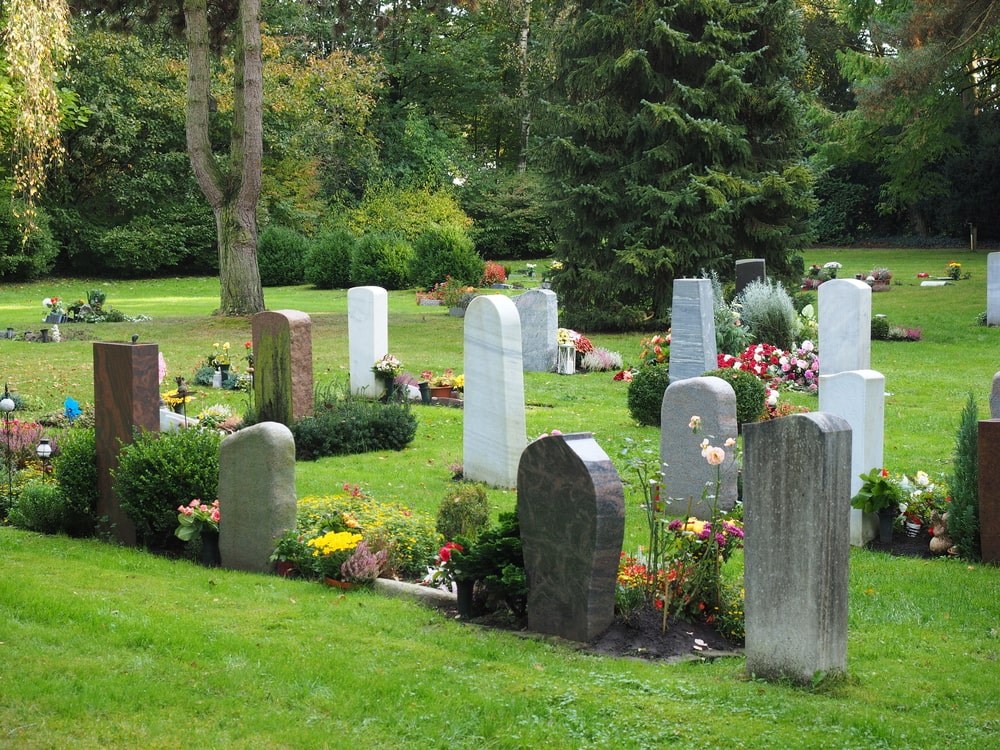
Often, family members request memorial donations to be given in honor of a loved one. In most cases, the cause or organization is one that the loved one held close to his or her heart. You might consider choosing a memorial gift that includes a plaque, sign, brick, or other physical memorial that can be inscribed with a loved one’s name. Another option would be to donate or plant a tree as a living memorial at a park, school, church, or other organization. Having a physical place to go where your loved one’s name is inscribed can make a memorial gift more personal. It also offers opportunities to reflect, remember, and cherish memories for years to come.

2. Find a way to include their favorite things

Every person is unique, and we all have personal quirks, things we particularly love. Consider how you might incorporate these things into the funeral. Perhaps there is a favorite color, collection, artwork or personal belongings you can implement. By including them, you share what was most precious to your loved one’s heart with those who come to mourn.

3. Create a memorial work of art together

Bring a large canvas, quilt squares, art supplies, scrapbook supplies, or any other medium that you are comfortable with to create a community work of art. Encourage guests to write down their favorite memory of your loved one on a quilt square, create a scrapbook page, or paint a portion of the canvas with a memory, color, or picture that they would like to share. Perhaps, they could write down a favorite saying or what qualities they appreciated most about your loved one. After the funeral, you will have a treasure trove of memories. On days when you need to feel close to the one you have lost, you can admire the painting, pull out the scrapbook, or wrap up in the quilt and cherish your loved one’s influence on their world of family and friends. Don’t forget to bring the appropriate supplies for writing, painting, or crafting!

4. Make a collage or a timeline

If you have access to pictures, you could create a collage of your loved one to display. Start with childhood and share images from the important events of their life. Or, alternatively, share your most treasured memories of them. Likewise, you could create a timeline of their life’s major events and provide pictures for each one. Consider including events like their birth, high school graduation, first job, children, etc.

5. Invite guests to take an item home

For example, if your loved one was a voracious reader, consider taking some of their books to the ceremony with a note, saying, “[Your loved one’s name] loved to read. Please take and read one of [his or her] books in honor of [his or her] memory.” In doing this, guests leave with a tangible reminder, and it may contribute to creating a meaningful experience. You can do this with recipes, seed packets, postcards, collection items—anything your loved one may have cherished – and invite your guests to honor your loved one’s memory by taking home a small reminder of the person they loved.

6. Include favorite foods

Food is a love language in many families. If your loved one favored certain foods, you might try to incorporate those somehow into the person’s celebration of life. You might have an ice cream station at the visitation. Or arrange a fellowship meal after the service that includes all your loved one’s favorite dishes and desserts.

Now, these ideas are only the beginning. Take some time to think about what would be most meaningful to you and to your loved one’s memory. Every person is unique, and because of this, no two funerals should be the same.

On a final note, in case you didn’t know, it is possible to begin this process now. You can plan ahead for funeral wishes at any time. And of course, if you do decide to plan ahead, you will have ample time to create a personalized, healing, and meaningful funeral service for those left behind to mourn.

5 Reasons to Establish a Permanent Memorial

By Cemeteries, Explore Options, Memorial, Planning Tools

When we lose someone we love, our feeling of connection to them continues, even though they are no longer with us physically. It is this connection that contributes to our feelings of loss, that makes it so difficult to process death and move toward healing and reconciliation. And today, as cremation continues to rise as a preferred method of final disposition, one very important element of the healing process is being forgotten: the need for a permanent memorial.

In some areas of the United States, there has been a significant increase in the number of families that keep the cremated remains of a loved one in their homes. While this is not bad in and of itself, it may create unforeseen difficulties down the road. Unfortunately, it is not unheard of for cremated remains to be misplaced, accidentally knocked over and spilled, or even found in the trash or unknowingly donated to thrift stores.

That said, here are 5 reasons why you should consider establishing a permanent memorial for yourself or a loved one:

1. It provides a place for people to mourn.

By establishing a permanent memorial, you provide a place to mourn. If a loved one dies, and one person keeps the cremated remains, it may be difficult for other family members to find a place to go to remember and honor their lost loved one. After all, everything that remains of the person may be inaccessible without inconveniencing the one who possesses the ashes. A permanent memorial allows any person access to the one who has died. Because everyone grieves in different ways and at different rates, a specific place is beneficial for individual grief journeys.

2. It gives all mourners (not just family) access to pay their respects and connect with the one who has died.

Additionally, a permanent memorial provides an established location for non-family members to mourn. For example, if the best friend of the person who has died wants to connect with them, to talk with them, they may have no place to go where they feel as strong a connection as a permanent memorial would provide. In this same vein, it’s not uncommon to see permanent memorials for those who have died due to acts of violence or vehicular accidents. We do this because we have a need to remember, to remind, and to honor the life lived.

3. It provides a permanent place that will exist for generations to come.

Cemeteries, mausoleums, or cremation gardens will exist for many years to come. The oldest maintained cemetery in the United States is in Massachusetts, where several voyagers from the Mayflower are buried. People show great interest in their origins, and because of this curiosity, cemeteries will receive visitors consistently. They provide a permanent place for families to reconnect with their ancestors, even those who died long before they themselves were born.

4. It is practical for the family.

Dr. Alan Wolfelt, a nationally-known author, speaker, and grief expert, tells us that establishing a permanent memorial is a practical choice for the family. “Families can rest easy knowing that the cremated remains [of their loved one] are being taken care of in perpetuity. …Having to pass along urns to the next generation or amassing more and more urns on a shelf…is not a viable long-term solution.”

5. It ensures respect for the dead.

Keeping the cremated remains of a loved one at home can be an important part of the healing process. It all depends on what the mourner needs. But, out of respect for the one who has died, to ensure that nothing unfortunate happens to them when you are gone, it’s best to consider how you can permanently memorialize them. Dr. Wolfelt puts it this way, “It’s about respect for the dying and the dead. Permanent memorialization is one of the most important ways in which we as a culture can ensure that respect [is carried out] ….”

It’s perfectly fine to wait to set up a permanent memorial. For some, it’s necessary to have a loved one nearby during the healing process. But, in three, five, or even ten years, consider the benefits of setting up a permanent memorial. It will ensure that your loved one is cared for long after you are gone.

Skip to content