Are you interested in an eco-friendly funeral? Then consider looking into natural organic reduction! According to research, the entire process uses 87% less energy than traditional flame cremation and fewer natural resources than conventional burial. How, you may ask? Let’s talk about natural organic reduction and 4 ways that the process is gentle on the body and kind to the planet.

What is Natural Organic Reduction?
In case you haven’t heard much about natural organic reduction, let’s review a quick definition.
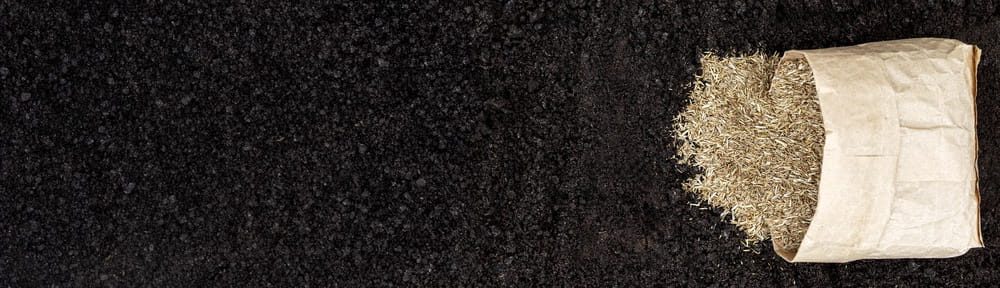
Natural organic reduction is the process of transforming human remains into nutrient-rich soil through controlled natural decomposition. The body is placed in a specialized container with organic materials like wood, straw, and alfalfa. Then, by controlling the heat, moisture, and temperature inside the container, decomposition takes place quickly, and as the body merges with the natural materials, nutrient-rich soil is created. Fascinating, right?

4 Ways Natural Organic Reduction is Eco-Friendly
Now, let’s discuss why natural organic reduction is considered one of the more eco-friendly funeral options.
1. Uses Less Energy
As stated earlier, natural organic reduction uses significantly less energy and natural resources than conventional burial or cremation. But why is that?

Compared to Cremation
Traditional flame cremation requires a sustained heat of approximately 1,600 degrees Fahrenheit for 3 to 4 hours. This high heat is achieved through fossil fuels, like natural or propane gas. As the cremation takes place, carbon dioxide and particulates are released into the atmosphere. According to the data, more than 300,000 metric tons of carbon are released through cremation every year.
On the other hand, natural organic reduction relies on electricity for its low heat component, not fossil fuels. By using electricity, natural organic reduction cuts down on its carbon footprint significantly.

Compared to Burial
For a burial to take place, you need several manufactured items, including a casket, headstone, and grave liner. To meet these needs in the United States, manufacturers use roughly 20 million feet of wood and 1.6 million tons of concrete each year.
In addition to using natural resources like wood and concrete, there are environmental factors associated with transporting the items, like gasoline and vehicle exhaust.
With natural organic reduction, there’s no casket or grave liner, reducing energy use by cutting down on manufacturing and transport. While you may still wish to commission a memorial plaque, the size and material are entirely up to you (no need to abide by any cemetery regulations).
2. Moves Away from Harsh Chemicals
During the natural organic reduction process, great care is taken to ensure that everything is done naturally and with minimal environmental impact. One way that the process protects the environment is by banning the use of any chemicals, including embalming fluids.
Let’s put it into perspective. In 2024, the CDC published that just over 3 million Americans died during the year. Of those, 31.6% likely chose burial (according to the NFDA’s 2025 statistics). On average, 3 gallons of embalming fluid are used per person, which means that approximately 2.8 million gallons of embalming fluid are used each year. While many funeral homes are moving toward using embalming fluid made from essential oils and extracts, traditional formaldehyde, phenol, and methanol are still quite common.
By eliminating the use of chemicals entirely, natural organic reduction supports a cleaner and healthier ecosystem.

3. Conserves Natural Resources
We’ve already talked about how natural organic reduction conserves natural resources like fossil fuels, wood, and concrete. On top of that, natural organic reduction also works to conserve and revitalize land.
As there is no traditional gravesite, the family does not need to purchase a plot or use private land for a loved one’s final resting place. Instead, the soil created during the natural organic reduction process can be used to restore and revitalize protected areas where vital environmental repair is needed.
And for those concerned about chemical seepage (from burying an embalmed body), natural organic reduction removes that concern entirely by prohibiting embalming.
4. Boosts Soil Health
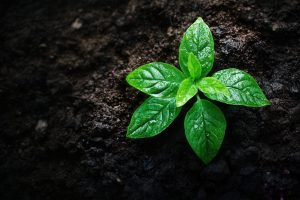
The natural organic reduction process creates roughly one cubic yard of soil (or 1,000 pounds). Before natural organic reduction was legalized, tests were conducted to ensure that the soil was safe for use in nature. Research found that the soil’s pH range was ideal for most plants (other than tender annuals).
The soil composition is balanced, providing rich nutrient content with a good supply of macronutrients. What does that mean? Once the soil is ready for use, the family can take it home for private use. Or, if they prefer, they can donate the soil to a land conservation program.
Regardless of which option the family selects, the soil will go back into the environment, nourishing ecosystems and revitalizing plant life.

What If I Have More Questions?
You now have a better understanding of why natural organic reduction is considered eco-friendly and green, but that doesn’t mean all your questions are answered. To get more information, check out the resources below or contact your local funeral home today!