Category

Meaningful Funerals

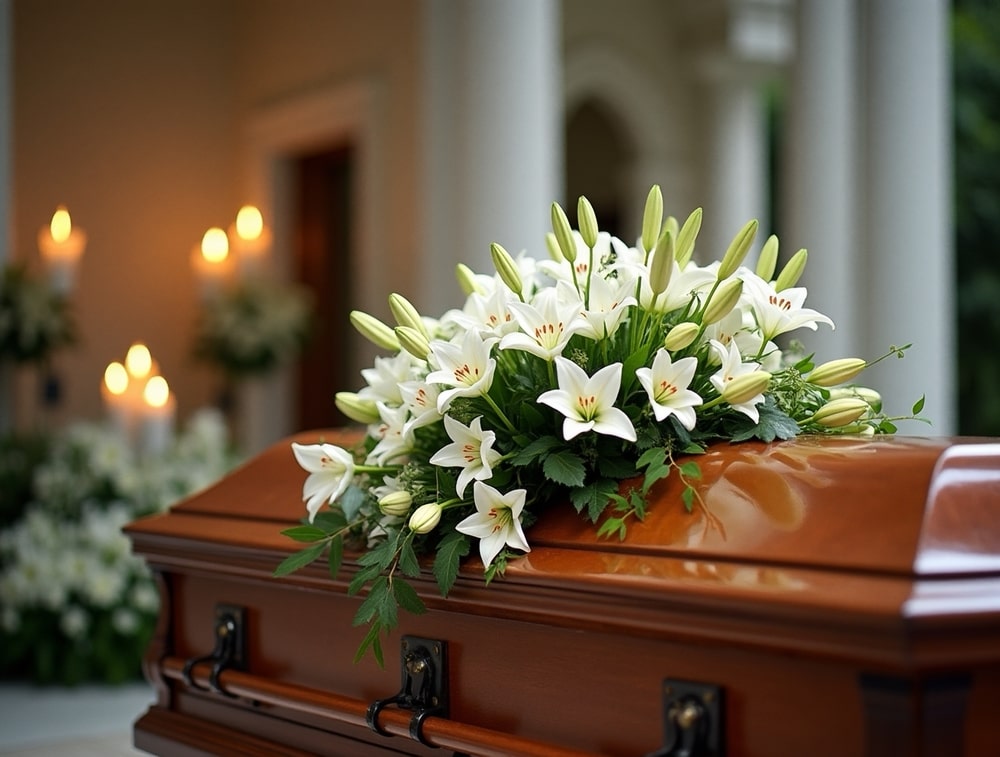
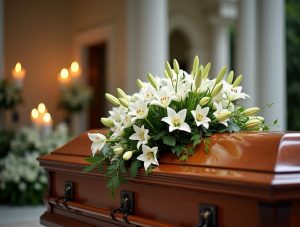
Casket spray of white lilies resting on top of wooden casket

7 Elements of a Healing and Meaningful Funeral

By Meaningful Funerals, Planning Tools

“People who take the time and make the effort to create meaningful funeral arrangements when someone loved dies often end up making new arrangements in their own lives. They remember and reconnect with what is most meaningful to them in life…strengthen bonds with family members and friends. They emerge changed, more authentic and purposeful. The best funerals remind us how we should live.” – Dr. Alan Wolfelt

Casket spray of white lilies resting on top of wooden casket

In order for a funeral service to be a healing and meaningful experience, there are 7 tried and true elements that you should consider incorporating. Dr. Wolfelt, nationally respected grief counselor and educator, tells us that these 7 elements are necessary to facilitate the 6 needs that a funeral fulfills:

  1. Acknowledging the reality of the death
  2. Embracing the pain of the loss
  3. Remembering the person who died
  4. Developing a new self-identity
  5. Searching for meaning
  6. Receiving ongoing support from others

And what are the 7 elements? They are music, readings, a viewing/visitation or reception, a eulogy, symbols, a gathering, and actions. If you are planning a funeral, whether because someone you love has died or you are making advance funeral plans, give thoughtful consideration to how you can implement these healing and meaningful elements. Let’s look at each one in a little more detail!

Pink and yellow flowers resting on a piano keys

1. Music

Music sets the tone of a funeral and brings emotions to the forefront. In fact, one of the purposes of a funeral is to allow mourners to grieve together, and in many ways, music says what words cannot. So, don’t be afraid to invite people to express grief. Select music that will remind mourners of the person who has died and allow everyone to pay tribute to that special person’s life and legacy in a meaningful way.

Why Include Special Music in a Funeral Ceremony?

How to Personalize Music at a Funeral

Setting the Tone for a Service: A Collection of Funeral Songs
A red rose resting on open book pages

2. Readings

Readings add another facet to a meaningful service. They are another way to not only invite mourners to express their emotions, but readings can also highlight the unique spirit of the one who has died. Did they have a favorite book? Poem? Were they a person of faith who would want passages read? Use these preferences to create a one-of-a-kind tribute.

How do Readings Enhance the Funeral Experience?

How to Personalize Readings at a Funeral

10 Literary Readings for Any Type of Funeral

Top 10 Poems for a Funeral Ceremony

Two women comforting each other at a visitation as they stand next to a casket

3. Viewing, Visitation, and/or Reception

The viewing, visitation, or reception is a time for family, friends, coworkers, and neighbors to gather and express support and sympathy. If it is decided to have a viewing with the loved one’s body present, it provides an opportunity for mourners to see that special person one more time. No matter which type of event you choose to incorporate, you can personalize the space to tell your loved one’s story through pictures, cherished items, and more.

Viewing vs. Visitation: What’s the Difference?

How to Personalize the Visitation at a Funeral

3 Reasons to Have a Visitation

Young man in a suit holding a microphone in his hands

4. Eulogy

The eulogy may be the single most important aspect of a funeral service. It is the time to acknowledge and affirm the significance of the life lived. It is the moment when friends and family tell the story of a person’s life and reflect on what they love and will miss. With that in mind, share treasured memories, quotes, or even the lost loved one’s favorite jokes. The eulogy, sometimes called the “remembrance” or the “homily,” can be delivered by a clergy person, a family member, or even by a series of people.

8 Tips for Crafting a Eulogy

11 Mistakes to Avoid When Writing a Eulogy

5 Public Speaking Tips for Delivering a Eulogy

A casket draped with an American flag at the viewing

5. Symbols

Symbols offer a focus point for the bereaved as well as a sense of comfort. A few common examples are religious symbols (like a cross or Star of David), funeral flowers, and lit candles. In addition to these examples, you could also choose a symbol that is unique to the person who has died. If they were a sports fan, drape their favorite jersey over the casket or urn. For a quilter, you can display quilts, or for a veteran, you can use the American flag. Simply choose symbols that make sense for your loved one’s unique life.

The Importance of Symbols

How to Personalize Symbols at a Funeral

A gathering around a buffet meal with several guests

6. Gathering

The gathering is an opportunity for friends and family to come together after the funeral service to share stories and to support each other. During the grief journey, it’s essential to talk about your grief and share the stories on your heart. By including a gathering, you give mourners dedicated time and space to do so. The gathering can be as simple or elaborate as you wish. It’s simply about taking time to talk and to honor the life of the person you all love.

What is the Purpose of a Gathering?

How to Personalize the Gathering at a Funeral

Focus on hand holding a lit memorial candle

7. Actions

And finally, actions invite mourners to put their grief into motion. What does that mean? In order to facilitate the healing process, it’s important to channel grief into healing actions. At the funeral, this could mean inviting guests to light a candle, take part in the eulogy, or lay a flower on the casket. It could also mean acting as a pallbearer, bringing a potluck dish for the reception, or sitting quietly with the casket to say final goodbyes.

How Do Actions Help Us Heal?

How to Personalize Healing Actions at a Funeral

5 Meaningful Actions to Personalize a Funeral

As you plan a loved one’s final farewell, consider using these 7 elements to create a personalized tribute. By incorporating each one, you will create a sweet, meaningful, and healing experience. Those who come to mourn will leave feeling like they have truly honored the life lived and taken the first healthy step on their grief journey.

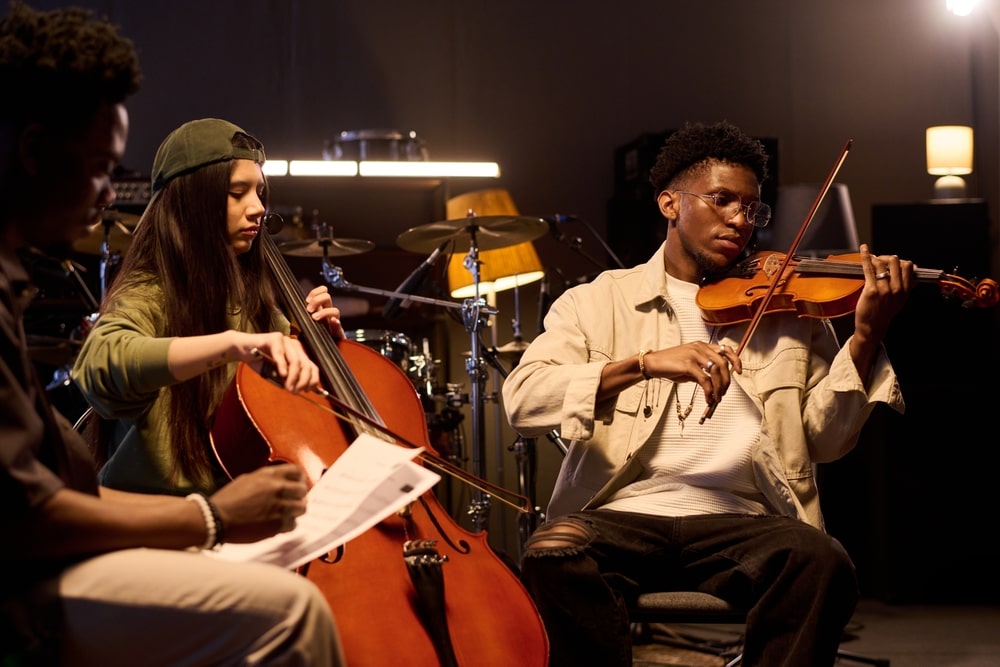
Woman playing a cello, seated by man playing a violin.

12 Ways to Honor the Musician in Your Life

By Meaningful Funerals, Personalization

Losing a loved one is one of the most difficult things we face in life, but designing a meaningful final goodbye can create a sweet moment of remembrance that will help soothe the pain.

Today, we’re going to talk about ways you can personalize the service to honor a loved one who deeply valued music, whether they sang, wrote songs, played an instrument, or participated in band, orchestra, musical theatre, and more. Let’s get started.

Personalized Ways to Honor the Musician in Your Life

1. Pick a music-related venue

Did you know that you have freedom when choosing the location of a loved one’s final tribute? For music lovers, your local theater, performance hall, or another type of music venue would be a great location for a service. Gathering somewhere that was either meaningful to your loved one or that highlights an area of interest is a wonderful way for people to feel closer to them.

2. Choose a music-inspired guestbook

It’s common practice to ask people to sign a guestbook when they attend the visitation or funeral service. Consider choosing one with a musical theme, such as music notes, vinyl records, or instruments. If you can personalize it, consider including a picture of your loved one playing their favorite instrument. Having a music-themed guestbook gives you a unique way to honor your loved one’s passion for music.

Flowers made out of sheet music placed in a vase.

3. Decorate with a music theme

While flowers are commonly used for decoration at a funeral service, there are so many ways that you can get creative! To add a musical theme to the service, you could use flowers made from sheet music, play vinyl on a record player, or display posters of their favorite bands. Additionally, if they were involved in musical theatre or any organized musical group, you could add playbills, programs, ticket stubs, costumes, and other memorabilia associated with that aspect of their life. These special touches add a unique feel to the service and pay tribute to their love of music.

4. Create a collage of photos from performances

If your musician did shows, put on concerts, or played on stage, gather photos of the performances to use during the service. Put the images in a photo album, scatter them on a table, or hang them on the wall for mourners to admire as they reflect on their loved one’s life. By adding these special touches, you can bring a loved one’s past performances to life for mourners who have come to honor their legacy.

Close up of a guitar on a stand with drums in the background.

5. Display their instrument

Perhaps your loved one played an instrument, or two, or three. To honor the time and commitment your loved one put into honing their craft, consider displaying their instrument(s) during the service. The instrument will become a visual reminder of their love of music. Plus, when people see the instrument, they can reflect on the special moments when they watched your lost loved one play it.

6. Perform songs they wrote

If your musician enjoyed writing song lyrics, you may want to play their personal songs at the service. Print out the lyrics and provide them to guests as they enter the service. Have a musician, band, or family members perform the song and encourage attendees to sing along. Hearing the lyrics your loved one wrote can bring peace and comfort during difficult moments.

Woman playing a cello, seated by man playing a violin.

7. Show videos of them singing or playing instruments

Alternatively, you could include a memorial video that highlights your loved one’s musical talent. If you have videos of your musician singing or playing instruments, they could be shown on-screen while people are entering or leaving the service. Watching a video of your loved one can help you revisit joyful memories and see the happiness they felt while performing.

8. Play music by their favorite artists

Every music lover will have their favorite musical artists, and you can use those preferences to personalize the service. Did your loved one have a favorite country artist, enjoy jazz, or love a band from their youth? Use their favorite tunes to compile a list of songs to play during the service.

If you want to involve the guests, consider creating a collaborative playlist of songs. Using whatever music streaming service you prefer, share a link with mourners to allow them to add songs that you can play at the service. To ensure the songs are appropriate for the service, review the playlist ahead of time. Additionally, you will need to make sure that the funeral home you partner with for the service has an appropriate license to play copyrighted music. By inviting family and friends to create a playlist together, you give them the chance to participate and reflect on meaningful moments spent with a lost loved one.

Tan chairs with white reserved signs in them.

9. Reserve seats for musical peers and students

Your musician may have spent part of their life mentoring others or leading musical groups, either as part of their career or during their personal time. If your loved one was a music teacher, voice coach, or band member, reserve a seating section for their students or fellow band members at the service. Providing special seating for guests who were important to your musician is a great way to honor their legacy.

10. Donate to a local musical organization

If your musician was active in a musical band, club, or organization, consider offering the option for people to donate to that cause as an alternative to sending flowers. Memorial contributions will serve as a meaningful way to support a cause that was close to your loved one’s heart.

Pile of guitar picks in different colors.

11. Hand out mementos at the service

Another thoughtful way to honor the musician in your life is to pass out mementos at the service. Not only will the keepsake remind people of your loved one on the day of the service, but it will act as a reminder for years to come.

Here are a few ideas for mementos:

  • Sheet music of an original song or one of your loved one’s favorite tunes

  • Guitar picks in a basket

  • Picture of your loved one performing

  • Musical note bookmarks

By providing attendees with a meaningful keepsake, you give them a tangible object that will help them process the loss.

12. Design a custom monument

In most cases, monuments are entirely customizable, allowing you to create a unique design to honor your musician. For example, you could add a photo etching, choose the shape of a music note, or have your loved one’s favorite lyrics carved on the stone. Your funeral director or a monument specialist can help you design the perfect monument to honor your loved one. They will discuss your options and answer any questions that you may have about creating a custom monument.

These are just a few ideas to get you started! Musicians bring joy and happiness to people’s lives, and there are so many ways to highlight their musical interest and talent. By planning a personalized service that incorporates music themes, you can pay tribute to their gift, their values, and their unique personality.

Additional Resources

If you’d like more ideas on personalizing a funeral for a loved one, check out these resources:

10 Ideas for Making a Funeral More Personal
Using Color to Personalize a Service
How to Personalize Music at a Funeral
How to Personalize Readings at a Funeral
How to Personalize the Eulogy at a Funeral
How to Personalize Healing Actions at a Funeral
Why Does Funeral Personalization Matter?

Uniformed military personnel resting hand on flag-draped casket

20 Ideas for Personalizing a Veteran’s Final Tribute

By Educational, Meaningful Funerals, Personalization, Veterans

Honoring a veteran’s life and service goes beyond commemorating their time in the military; it’s about acknowledging their personal sacrifices, valor, and the unique stories that shaped their lives. From their active-duty service days to their veteran years and family memories, a veteran’s life is made up of many different facets. Today, let’s talk about 20 ideas for how you can personalize a beloved veteran’s funeral. These will help you honor and celebrate their military service in a way that is tailored to their one-of-a-kind story.

20 Ideas for Personalizing a Veteran’s Final Tribute

Uniformed military personnel resting hand on flag-draped casket

1. Request military honors

One of the most recognized options for honoring a veteran is military honors. This ceremonial option commonly includes the folding and presentation of the flag, playing Taps, and a salute from uniformed personnel. It may also include other elements, but the details can be worked out with a funeral director.

2. Invite guests to attend in uniform

If you expect any current or former service members to attend the final tribute, invite them to wear their uniform. This simple act will be a visual reminder to everyone that your loved one proudly served in the Armed Forces.

3. Choose a venue with significance

If you’d like, you can highlight a veteran’s service by choosing a venue with military significance. For example, have the service in an old USO building or contact the local VFW or American Legion Post to see if they can host. Or, if you choose burial at a national cemetery, you could ask for additional military honors, such as uniformed pallbearers.

4. Incorporate personal keepsakes & memorabilia

Every veteran will have special items and keepsakes associated with their time in military service. You could display awards, medals, challenge coins, patches, or ribbons in a shadow box. Create a uniform display on a table or use a dressmaker’s mannequin. Or you could put together a memory table where photos and keepsakes are shown.

Bugle resting on top of an American flag

5. Prepare a personalized event program

It’s common practice to create a personalized event program, where the songs, speakers, and other events are clearly outlined for attendees. For a veteran, you could use a patriotic color theme, include photos, and list their rank, awards, and deployments. For the design, you can also add insignia, logos, or the American flag or eagle.

6. Ask fellow veterans to speak during the eulogy

If your veteran was still in touch with old buddies or was involved at the local VFW or American Legion, you could ask fellow veteran friends to speak at the eulogy. With their own history in military service, they may add a unique perspective and highlight your loved one’s time in the miliary.

7. Create a video montage of the veteran’s life

While a video tribute should include every aspect of a person’s life, you can add specific details to commemorate their time in the service. Include photos of the person in uniform or volunteering with local veteran organizations. If available, you could also include video footage of graduations, promotion ceremonies, and other significant military milestones.

8. Decorate with patriotic colors or floral arrangements

Personalization has become the new norm, which means you can decorate the funeral venue with a theme, if you wish. For a veteran, you could use red, white, and blue as the signature colors during the service. Alternatively, you could invite guests to wear these colors or place patriotic floral arrangements in prominent places throughout the venue.

Red, white, and blue flowers

9. Select customized funeral merchandise

The funeral home will offer many types of merchandise, from caskets and urns to guestbooks and memorial jewelry. If you’d like, you can choose items that align with a military theme. For example, select a guestbook or an urn inscribed with the American flag or other military imagery.

10. Design a personalized monument

If you’ve decided to honor a veteran with burial or inurnment at a local cemetery, you can work with a local monument company to design a personalized grave marker. As part of the design, you could include a military medallion, a photo, or the insignia for the veteran’s service branch or unit.

11. Give guests a remembrance token or keepsake

At some funerals, guests are invited to take home a remembrance token or a keepsake. For a veteran, you could design a custom patch or challenge coin. Alternatively, you could create a bookmark with their photo in uniform or give away miniature American flags or pins. There are many options to choose from!

12. Add a timeline of the veteran’s life

Many military families move around, so it’s possible that a veteran has lived in many unique places. To highlight those cities and/or countries, you could add a timeline of the veteran’s life or display a map with pins added for each place they lived. Another option is creating collages or shadow boxes for each location with photos and mementos.

Red pins pushed into map

13. Encourage donations to support veteran organizations

For families who prefer not to receive flowers, you could instead encourage guests to give memorial donations to organizations that aid veterans and their families. You could look into local non-profits or direct people to national options, like Wreaths Across America or the Wounded Warrior Project.

14. Play ceremonial and patriotic music

In addition to national songs like “America the Beautiful” and the “Star-Spangled Banner,” every service branch has their own anthem, hymns, and related melodies. For example, the U.S. Navy is closely tied to the famous march “Anchors Aweigh” and the hymn “Eternal Father, Strong to Save.” With a quick online search, you can find the songs most beloved by your veteran’s service branch.

15. Sing patriotic songs together

Hearing many voices raised in song can be a powerful experience. To encourage participation and honor a veteran’s military service, you can invite guests to sing the “Star-Spangled Banner” together. Or you can select another patriotic song that may have special significance to the family or to the person who has died.

16. Arrange for a military band to perform

Another musical option is to arrange for a military band to perform during the service. You could request that they play ceremonial marches, Taps, Amazing Grace, a particular branch’s anthem, or you could leave it up to the band to choose. And if an official military band is not available, perhaps a local one would be willing to step in to perform.

American flags waving from car window

17. Invite comrades-in-arms to participate

If the veteran was in touch with former comrades-in-arms, consider giving them time to share memories and express their respect. By including comrades’ stories, you not only highlight the veteran’s service, but you also create an incredibly moving moment and reinforce the power and camaraderie of bonds formed during service.

18. Read a history of the service branch

For those who are less familiar with the service branches, you could incorporate a short history of the veteran’s chosen branch. You could add the history to the printed program or include a reading on the subject. This practice could be a great way to help others appreciate the history and respect associated with the veteran’s service and dedication.

19. Include patriotic readings

Finally, you could include meaningful poems or quotes that will add an emotional and reflective element to the program. A few popular options to consider are:

20. Customize the funeral procession

If escorting a veteran to their final resting place is planned, you could add a few unique elements to the funeral procession. Provide each car with a small American flag that will rest in a rolled-up window and wave during the drive. Add patriotic streamers to the funeral hearse or ask people to listen to a provided playlist on the drive to the cemetery.

As you can see, there are so many ways to personalize a veteran’s final tribute that pay homage to their commitment and dedication during their time of military service. And if you want to brainstorm other ideas, your funeral director can help!

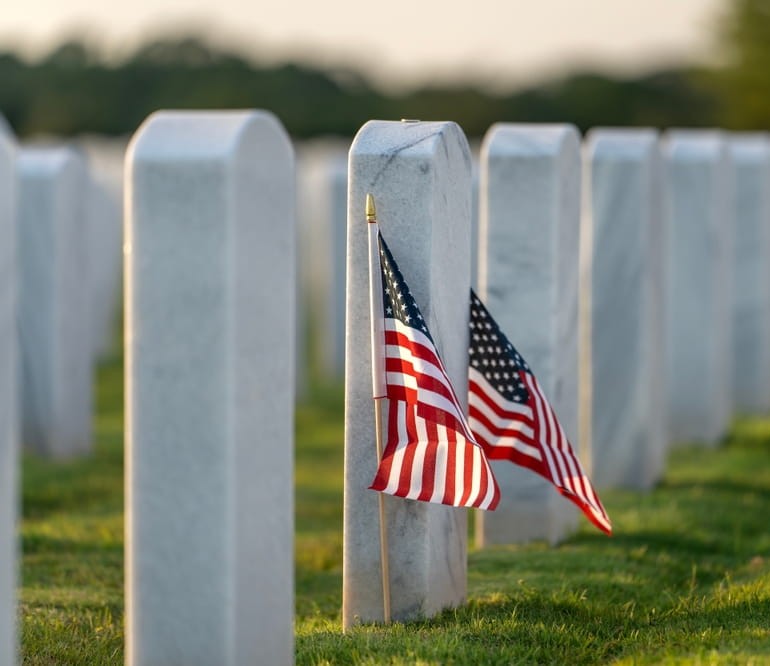
military funeral with headstones and mini American flags in the ground before every grave

Don’t Forget to Take Advantage of VA Veteran Burial Benefits

As you plan a beloved veteran’s final goodbye, don’t forget to request all the burial benefits they are eligible to receive. Depending on eligibility, the U.S. Department of Veterans Affairs may provide burial allowances, a government-issued headstone or grave marker, burial in a national cemetery, and more. Talk with a funeral director or visit www.va.gov/burials-memorials to look into the details. Additionally, you can browse the resources below for more information.

Top 12 Country Songs for a Celebration of Life Service

By Meaningful Funerals, Music, Personalization

Cowboy boots with hat in foreground with guitar in background

“A good country music song takes a page out of somebody’s life and puts music to it.” – Conway Twitty

Music is a window to the soul and takes us to a place mere words never can. After all, we all know a song that particularly touched the heart and brought tears to the eyes or joy to the spirit. For countless people around the world, country music is a big part of their everyday life. For that reason, we have put together these top 12 country songs for a celebration of life. Whether you need a grief playlist or are planning a funeral and need inspiration, this list is worth checking out.

12. I Hope You Dance (Lee Ann Womack)

I hope you never fear those mountains in the distance
Never settle for the path of least resistance
I hope you dance

Over time, this beloved tune became Lee Ann Womack’s signature song. It won the Country Music Association’s and Academy of Country Music’s awards for Song of the Year as well as a Grammy Award for Best Country Song of the Year. The song calls us to be active in the stories of our lives and to take the opportunities before us to find hope and new life.

11. Live Like You Were Dying (Tim McGraw)

I spoke sweeter and I gave forgiveness I’d been denyin’
And he said someday I hope you get the chance
To live like you were dyin’

Released in August 2004, this song went on to be the 2005 Grammy Award winner for Best Country Male Vocal Performance and the Best Country Vocal Performance. The original music video prominently featured McGraw’s relationship with his father, who had died of brain cancer. No matter whether you are grieving, planning a funeral, or both, this song is worth a listen.

10. Temporary Home (Carrie Underwood)

This was just a stop on the way to where I’m going
I’m not afraid because I know
This was my temporary home

This lovely ballad was co-written by Carrie Underwood and inspired by her belief that Earth is our temporary home. One day, heaven awaits those who truly believe in God. This song is beautiful in its melody and message. As you make musical selections for a funeral, choose songs like this that bring hope and invite others to express their grief.

9. If I Had Only Known (Reba McEntire)

So unaware I foolishly believed
That you would always be there
But then there came a day
And I turned my head and you slipped away

In this powerful song, the longing in the singer’s voice draws the listener in as Reba reflects on all the things she would have done or said if only she’d known what was coming. Even if death is not a surprise to us, we may still feel a sense of shock or disbelief when it occurs. Perhaps, we even wish we’d done some things differently. This song perfectly illustrates our natural desire to turn back time and say things unsaid or do things undone.

8. There’ll be You (Faith Hill)

In my heart
There will always be a place for you for all my life
I’ll keep a part of you with me
And everywhere I am, there you’ll be

Nominated for both an Academy Award and a Golden Globe Award for Best Original Song, this hit song dips and soars, inviting us to join in the emotional journey. Faith Hill’s melodic tones perfectly express the deep feelings of gratitude we have toward those who give us strength, steadfastness, and love throughout our lives. The words “I’ll keep a part of you with me” are perfect for those who are mourning, as we will always carry the memory of a lost loved one within us.

7. Just a Closer Walk With Thee (Patsy Cline)

When my feeble life is o’er
Time for me will be no more
Guide me gently, safely o’er
To Thy Kingdom’s shore, to Thy shore

A beloved hymn with a long history, this Patsy Cline recording of “Just a Closer Walk With Thee” is beautiful and touching. The song is a statement and a prayer. It calls the listener to trust in God during times of grief and struggle. Though we may not understand why a death has occurred, this song gives hope that God is with us. Patsy Cline’s rendition is dear to the hearts of many, and it provides an avenue for us to express our emotions.

6. Angels Among Us (Alabama)

Oh, I believe there are angels among us
Sent down to us from somewhere up above

If you are familiar with country music, you’ve likely heard of the band Alabama. They became known for their unique blend of country music and southern rock with elements of gospel and pop. To date, they are the most awarded band in country music history. This 1993 hit song is exceptionally versatile and beautifully portrays the goodness in people and how every person is an angel in disguise to someone around them. If your loved one was an angel in your life, then this soulful tune may be a fitting addition to their final goodbye.

5. Go Rest High on That Mountain (Vince Gill)

Oh, how we cried the day you left us
We gathered round your grave to grieve

Inspirational and emotional, this Grammy Award-winning song was originally written as a tribute to Vince Gill’s brother, who passed away from a heart attack. Vince Gill would later state, “All I wanted to do was grieve for him and celebrate his life.” The song talks about the pain we feel when we lose someone we love. But it also couples that pain with hope, reflecting on the joy that comes from being with God.

4. The Dance (Garth Brooks)

Our lives are better left to chance
I could have missed the pain
But I’d have had to miss the dance

Well known in country music circles, “The Dance” is one of the most beloved country songs. The song is soft and poignant throughout, beginning with a beautiful piano introduction. The lyrics are simple but relatable, exploring the relationship between pain and risk. When we love people, we are taking a risk because one day we will lose them. But even when we lose someone we love, we’ve gained the dance of life and many beautiful memories.

3. Daddy’s Hands (Holly Dunn)

If I could do things over, I’d live my life again
and never take for granted the love in daddy’s hands

Written as a Father’s Day gift, “Daddy’s Hands” became Holly Dunn’s breakout song and signature hit. The lyrics are sweet and simple, beautifully portraying the love between a father and his child. With its open lyrics, either a son or daughter could use the song as the perfect tribute. If you are looking to highlight a father’s loving relationship with his children, then this melody may be the perfect fit for the service.

2. One More Day (Diamond Rio)

I didn’t ask for money
Or a mansion in Malibu
I simply asked for one more day with you

Following several tragic events that occurred in 2001 – namely 9/11, the Oklahoma State plane crash, and the death of Dale Earnhardt – “One More Day” became a song of mourning and healing. Diamond Rio drummer Brian Prout said the song was very special. He knew that the song had an “impact on someone’s life and helped in a tough time of healing and hope.” The desire for more time with our lost loved ones is universal. This song helps us touch on those emotions and express them in a healthy way.

1. When I Get Where I’m Going (Brad Paisley, featuring Dolly Parton)

But when I get where I’m going
And I see my maker’s face
I’ll stand forever in the light
Of his amazing grace

Featuring the vocal harmony of Dolly Parton, this inspirational song carries a two-fold focus. In part, the lyrics paint a picture of wonder and joy awaiting those who have left this earth and an exhortation to those still alive that they should rejoice that their loved one is in heaven. But on the other hand, the song acknowledges the pain of missing those we love deeply. Bittersweet and beautiful, this song is well worth considering for a meaningful celebration of life.

More Musical Selections to Consider

If you are interested in learning more about meaningful music, check out the articles below.

Setting the Tone for a Service: A Collection of Funeral Songs

How to Personalize Music at a Funeral
Why Include Special Music in a Funeral Ceremony? 

Man and woman in black clothing leaning on each other in a comforting way as they attend a visitation

Viewing vs. Visitation: What’s the Difference?

By Explore Options, Meaningful Funerals, Planning Tools

After losing a loved one, you will have to make many decisions regarding what type of services will best honor their unique life. As you speak with a funeral director, they may ask you, “Would you like to have a viewing or a visitation?” These two terms may seem interchangeable, but they actually aren’t. Let’s talk about the key difference between them.

Woman in black dress placing a red rose in an open casket at a viewing

What is a Viewing?

For some people, it’s important to physically see a loved one before they are laid to rest. At a viewing, the deceased’s body is available to “view,” often lying in a casket with flowers or memorabilia nearby. You can choose to have a public viewing or a private, family-only viewing.

The act of viewing the person can play an important role in the grieving process. It’s an opportunity to say goodbye in person, to touch that special person one final time, to kiss their forehead in farewell. It’s also an opportunity to truly acknowledge the reality of the death. Sometimes, the truth of a loved one’s death doesn’t feel real at first, but by seeing their body for yourself, the reality of the death begins to sink in. And as hard as it may be, accepting the reality of the death is an important aspect of the healing process.

Additionally, the viewing may also provide an opportunity to pay respects to the surviving family. It’s not required that the family be present at the viewing, but most of the time, they are. The viewing gives mourners access to the grieving family and the chance to offer condolences and support following the death.

Man and woman in black clothing leaning on each other in a comforting way as they attend a visitation

What is a Visitation?

On the other hand, a visitation is a little different. The surviving family must be present, but the deceased’s body is not visible. While there may be photos, an urn, or even a closed casket, there is no viewing of the body itself.

Instead, the focus of the visitation is on paying one’s respects by offering support and condolences to the grieving family. It’s a time for surviving family members to make themselves available to friends, family, co-workers, and neighbors who want to offer their sympathies. It’s also a time to share stories about the deceased and comfort each other through shared grief.

Because the funeral service itself has an order of events, it’s not always the best time to offer support and condolences. The visitation is more casual and provides the chance to speak freely and as long as you want without the time constraints of the funeral service.

Young man paying his respects at a closed casket at a visitation

Are there Any Similarities?

Absolutely! Here are a few ways in which the viewing and visitation are similar to each other:

  • They may both include an opportunity to pay respects to surviving family members
  • Each event may be personalized to reflect the life of the person who has died
  • There may be refreshments or a meal provided, if the family wishes
  • The event can take place at the funeral home, church, community hall, or even a residence (depending on local regulations)
  • It doesn’t matter whether you choose burial or cremation, you can still have a viewing or visitation (though embalming is generally recommended for the viewing)

Could I Have a Viewing AND a Visitation?

Yes, you could, but to keep things less stressful for the grieving family, it’s often recommended to simply have a viewing with the family also present. By doing so, you cut down on the number of events the family must attend while still achieving the benefits of both a viewing and a visitation.

Group of mourners leaving a viewing or visitation

Is a Visitation or Viewing Required?

Neither of these events are required. It’s entirely up to your personal preferences whether you’d like to include either one. They do have their benefits, so speak with your family and the funeral director as you decide whether to include them or exclude them from a loved one’s final tribute.

Are There Times When a Viewing is Not Recommended?

Yes, there are times when the funeral director may recommend that the family skip the viewing. Most of the time, this recommendation is made because the body is not as presentable. While funeral homes can do wonders with cosmetics or restorative arts, there are times when it’s not enough to restore a loved one’s appearance to how you remember them. In these cases, the funeral director will use their professional judgment and suggest you skip the viewing. The final decision will be up to the surviving family members.

Man placing a hand on another person's shoulder in a comforting way

When Does a Viewing or Visitation Occur?

As you plan the funeral service with your chosen funeral director, you can discuss the options. The two most common choices are:

  1. Have the visitation/viewing the evening before the funeral service. This allows anyone unable to attend the funeral service a secondary opportunity to say goodbye and offer their support.
  2. Have the visitation/viewing the hour prior to the funeral service. This option means that the grieving family only has one event to attend, but there may be some people unable to attend due to their own work or personal schedules.

Ultimately, it’s up to the family to decide what’s best for their own grief and for honoring their loved one’s life.

Lit memorial candle with white funeral flowers around it

Personalization is Key

Now that you have a better understanding about the key differences between a viewing and a visitation, it’s essential to discuss the importance of personalization. For an event to be meaningful, it must also be personalized. You can go simple or elaborate, but the personal touches will make the viewing or visitation that much more special to the grieving family and any other mourners.

Here are a few resources that will help you personalize the event, whether you choose a viewing or a visitation:

hands typing on a silver laptop with black keys

5 Steps for Writing a Personalized Eulogy with AI

By Meaningful Funerals, Planning Tools

Writing a eulogy for a loved one can be a daunting task. Eulogies typically last for less than ten minutes, which feels like too short of a time to properly share the legacy of your loved one. Plus, you’re likely working through your own feelings of grief and coming to terms with the loss, which can make it hard to write, especially if you have no idea where to start.

To overcome the writer’s block that comes from staring at a blank page, you can use an AI writing tool. AI has taken the world by storm, and while it’s best not to run with whatever AI generates as-is, it can give you a great framework and a solid starting point for your eulogy. Here are five important steps to follow to help you develop a personalized, touching eulogy with the help of AI.

1. Provide a specific, detailed prompt

The more details your prompt has, the better your results from the AI generator will be! Include details about what was most important to your loved one: their family, their job, their hobbies, their pets. Also, add information about their personality, significant memories you shared with them, and their passions. If you’re not sure what to include, try asking your AI generator for a list of questions to help you brainstorm for a eulogy. When you put together your prompt, start it with “Write a eulogy about…” so the generator will know what tone to use and how to structure what it writes.

2. Ask the generator to refine the eulogy

Once AI creates something for you, it can also help edit and refine what it’s given you. If the eulogy is too serious or lighthearted, ask the AI generator to change the tone. You could ask AI to focus more on a specific part of the eulogy, like family life or personality. You can also ask the generator to shorten or lengthen the eulogy. Or if you don’t like the option provided, you can ask AI to try again, although you may need to adjust your prompt to get a better result. You can play around with different versions of the eulogy until you find one you like.

3. Double-check the facts

Often, AI generators will exaggerate facts or add incorrect information. This phenomenon is called AI hallucination, and it’s important to watch for it when working with an AI generator. You might mention in your prompt that your dad loved to play golf, but the AI generator may say that your dad won many golf tournaments when he only played casually. Or you might say that your aunt was great in the kitchen, and the AI generator may talk about her world-famous pot pie recipe (that doesn’t exist). Make sure to read through the eulogy and double-check all the details, including names and dates, to ensure that everything is accurate.

4. Make the eulogy more personal

While AI can create a great eulogy, it can’t make it sound like you. After fact-checking the information, sit down with the eulogy and rewrite it in your own words. Did AI use words you wouldn’t typically use? Does the tone match what you want to portray, whether sadness, peace, humor, or anything in between? Could you add any stories of your loved one to help illustrate their character? AI can state the facts and even use empathy, but it’s up to you to make the eulogy truly personal.

5. Read the eulogy aloud

Young man in a plaid shirt practicing a eulogy by reading it aloud from a paper

Once you’ve finished personalizing the eulogy, practice reading it out loud. This can help you get a better feel for the flow of the eulogy and give you a chance to practice before delivering the eulogy. Watch out for words or phrases you trip over or long sentences that don’t give you an opportunity to take a breath. You could also time yourself while reading the eulogy to get an idea of whether you need to shorten or lengthen it.

As you work on writing the eulogy, don’t be afraid to be vulnerable! While AI is a useful tool that can help you organize and create a eulogy, it doesn’t have your unique perspective and relationship with your loved one to draw from. By adding your own personal touch to the eulogy, you can create something that truly honors your loved one’s life.

More resources about eulogies:

Musical notes made out of pink flowers on black background

10 Songs to Honor Mom at a Funeral Service

By Explore Options, Meaningful Funerals, Personalization, Planning Tools

Colorful flowers acting like musical notes on vines that are lines of music

For many people, a mom is so much more than just another family member. She’s a pillar of strength, love, kindness, and acceptance. She offers wise counsel and a compassionate, listening ear. She is present and supportive. When you lose someone so important to your life, the urge to honor them in a special way is strong. If you are planning a personalized final tribute for a loving mother, consider including one of these 10 songs to honor her life and the way you feel about her.

1. Because You Loved Me (Celine Dion)

Maybe I don’t know that much
But I know this much is true
I was blessed because I was loved by you

While this song does imply a link to a romantic relationship, the message at its core is one of gratitude. It focuses on thanking a loved one for guidance, encouragement, and protection through the ups and downs of life. The poignant words paired with Celine Dion’s incomparable voice make the song unforgettable and a lovely way to honor mom.

2. In My Life (The Beatles)

Though I know I’ll never lose affection
For people and things that went before

I know I’ll often stop and think about them
In my life, I love you more

Performed by the beloved Beatles, this timeless tune explores themes of love, loss, and nostalgia. Its depth of emotion and thoughtful lyrics help the listener reflect on and appreciate the people in their lives, like a wonderful mom. If you or your mom loved the Beatles or connected to their music in an impactful way, this song may be a worthy inclusion at the funeral service.

3. Mother Like Mine (The Band Perry)

She’s the sky that holds the clouds
She’s the lady of the house
A blind believer in all I dare to be
There’s no safer place I’ve found

With its soothing cadence and deep message, this song from The Band Perry resonates with listeners from all walks of life. The lyrics explore the irreplaceable role of mothers and the power of their unconditional love. If your mom had a positive impact on your life and seemed to be the glue that kept your family together, you might consider including this country classic at her final tribute.

4. My Wish (Rascal Flatts)

But more than anything, more than anything
My wish, for you, is that this life becomes all that you want it to
Your dreams stay big, your worries stay small
You never need to carry more than you can hold

This #1 hit song by Rascal Flatts was written from the perspective of a parent to a child. The lyrics express the wishes many parents have toward their children – big dreams, small worries, no regrets, and lasting love. To bring solace to mourners after the loss of a beloved maternal figure, this song may be a great comfort as you remember just how much your mom loved you and what she wanted for you.

5. You’ll Be in My Heart (Phil Collins)

‘Cause you’ll be in my heart
Yes, you’ll be in my heart
From this day on
Now and forever more

In this familiar classic, Phil Collins explores the ongoing presence of love. Even after a person has died, their legacy and their memory don’t go away. As the song states, “you’ll be in my heart from this day on, now and forevermore” and no truer words were spoken. If you are looking for a song to honor a mom who stood with you, supporting you and loving you, consider including this song at the services.

6. Mama Liked the Roses (Elvis Presley)

Oh, mama liked the roses,
But most of all she cared
About the way we learned to live

Released in Elvis Presley’s 1970 album titled “Elvis’ Christmas Album,” this song holds a special place in the hearts of many fans. With poignant words, Presley shares a look into his own feelings about his mother and the beauty of the enduring bond between a mother and her children. If your mom loved roses or was an Elvis Presley fan, then this enduring classic may be the perfect addition to a lovely tribute.


7. Heaven Was Needing a Hero (Jo Dee Messina)

I came by today to see you
Though I had to let you know
If I knew the last time that I held you was the last time
I’d have held you and never let go

Sometimes, death is expected, and sometimes, it’s not. In this heartfelt country ballad, Messina expresses the desire so many people feel – the ability to see that special person one more time. And she also dives into the emotions you may feel following a loss, especially learning how to grapple with why and how to move forward. If your mother was your hero, this soothing song could be the perfect complement to your plans for her final tribute.

8. Two of Us (Louis Tomlinson)

I know you’ll be looking down
Swear I’m gonna make you proud
I’ll be living one life for the two of us

Written following the passing of his own mother, Tomlinson shares aspects of his grief journey throughout the song. In an interview, he declared that writing the song was a therapeutic experience for him, and he hopes that even though it is sad, other people will find the song’s message comforting during their own losses. If you resonate with Tomlinson and the words he sings about his own mother, consider honoring yours with this ballad.

9. See You Again (Carrie Underwood)

I will see you again, oh
This is not where it ends
I will carry you with me, oh
‘Til I see you again

In this uplifting country tune from Carrie Underwood, the focus is on hope and the belief that we will one day see the people we love again. While your mom may no longer be physically present, there is a time in the future when you will see her again and rejoice together at the reunion. If you share Underwood’s beliefs and want to lean into hope for the future, consider including this selection at your mom’s funeral service.

10. Supermarket Flowers (Ed Sheeran)

Oh I’m in pieces, it’s tearing me up, but I know
A heart that’s broke is a heart that’s been loved
So I’ll sing Hallelujah
You were an angel in the shape of my mum

In this beautiful tribute to a beloved mom and grandmother, Sheeran’s powerful lyrics and emotive voice help you feel exactly what he’s feeling. Perhaps the most stunning words of the songs are the reminder that “a heart that’s broke is a heart that’s been loved.” If you shared a deep and abiding love with your mother, listen to this haunting melody and consider whether it’s right for honoring your mom’s life and legacy.

Paper rose made out of music sheet resting on piano keyboard

Honorable Mentions

If you are a daughter seeking to honor your mom, you might consider including Celine Dion’s “Goodbye’s the Saddest Word,” Faith Hill’s “You Can’t Lose Me,” Taylor Swift’s “The Best Day (Taylor’s Version),” or Riley Roth’s “When God Made You My Mother.” For a son, both “A Song for Mama” by Boyz II Men and “Will the Circle be Unbroken” by Randy Travis are beautiful tributes. And if you grew up in a single parent household with mom as your primary support, “Thank you Mom” by Good Charlotte could be the perfect addition.

As you plan a personalized tribute for your mom, you are not limited to the songs on this list. These are merely a starting place. If there’s a song that always reminds you of your mom or that she sang regularly, include that song. The goal of personalizing the music at a funeral service is to capture the person’s unique life and personality. So, think of who your mom was and choose music accordingly.

Musical notes made out of pink flowers on black background

Additional Resources

For more suggestions on songs to include at a funeral service, check out the resources below:

By decade:

Older man in a blue shirt holding a piece of paper and rehearsing a eulogy

5 Public Speaking Tips for Delivering a Eulogy

By Meaningful Funerals

Delivering a eulogy is a meaningful but challenging honor. While you might be emotional about speaking at the funeral of someone you love, giving a eulogy is a beautiful way to honor a loved one’s life. By sharing memories and highlighting your loved one’s personality and character traits, a eulogy gives you and other mourners a chance to reflect on a life well-lived.

But delivering a eulogy also involves public speaking and sharing your emotions in front of others, which is difficult for many of us! If you don’t know what to expect while speaking at the funeral or how to prepare, here are a few tips to help you get started.

1. Write it out

woman writing a eulogy in a notebook on a wooden table next to a laptop and a cup of coffee
In speech class, you may have learned to speak from an outline instead of having everything written down. But when giving a eulogy, the last thing you want to do when standing in front of everyone is ad-lib and have your brain fill in the gaps on an outline. By writing out the eulogy word-for-word, you’ll make presenting easier on yourself, especially if you’re worried about getting emotional while speaking.

As you write the eulogy, read it aloud to make sure it flows and sounds natural when spoken. To learn how to write a compelling eulogy, read “How to Write a Eulogy” and “8 Tips for Crafting a Eulogy.”

2. Practice, practice, practice

woman practicing giving a eulogy with a friend
The most important part of delivering a eulogy is the practice you put in ahead of time. While you may be giving a eulogy on short notice, practicing as much as you can before the service will help you feel more confident and sound more relaxed. Try to memorize sections if you can, but don’t worry if you still have to read directly off the page at the funeral.

Additionally, if you can, practice the eulogy in front of someone you feel comfortable with in a low-stress environment. They can give you a second opinion about how the eulogy comes across to an audience. Plus, they can help you get experience delivering it in front of another person.

3. Speak slowly and clearly

Older man in a blue shirt holding a piece of paper and rehearsing a eulogy
Whether you’re comfortable with public speaking or terrified of it, delivering a eulogy can bring on a different set of nerves. And when you’re nervous, uncomfortable, or emotional, it’s normal to start talking faster as part of our fight-or-flight response. But talking quickly can make it harder for your audience to understand you and make it easier for you to trip over your words.

As you give the eulogy, concentrate on speaking slowly. Take time to enunciate your words and remove or practice pronouncing any difficult words. Don’t be afraid to pause and take a deep breath in between sentences to calm your nerves if needed. The other mourners at the funeral will understand if you need to take a second to compose yourself.

4. Relax your body language

microphone in front of a crowd at a funeral
If you’re nervous while giving a speech, it can be easy to tense up and revert to anxious body language, which can be distracting to an audience. While typical public speaking rules about rarely looking at your paper or projecting confidence don’t necessarily apply to eulogies, it’s good to maintain open body language.

As you read, don’t hunch over your paper, and try to look up at the audience if you feel comfortable. If you’re worried about making eye contact with someone and losing your composure, look at a point at the back of the room instead of the actual audience members. But if you don’t feel confident taking your eyes away from the page, that’s okay! Just try to keep a relaxed and open posture.

5. Let yourself be vulnerable

Close up of a person tightly holding onto a tissue with tense fisted hands
You may feel like you need to keep your composure as you deliver the eulogy, but it’s okay to show emotion or cry. Sharing treasured memories in front of a group of people is a vulnerable experience. It’s normal to feel overwhelmed by emotions while giving a eulogy. Other mourners at the service understand that you are also grieving for your lost loved one, and if you need to pause for a moment, they’ll understand.

If you’re worried about breaking down and being unable to finish the eulogy, some preparation ahead of time can help. When practicing the eulogy, pay attention to more personal spots where you get emotional so you can prepare for those moments during the service. Rehearsing the eulogy over and over can also soften the emotions you feel while reading. Before delivering the eulogy, take a few deep breaths and make sure you have tissues on hand.

Be patient with yourself as you prepare to deliver the eulogy. Writing, practicing, and giving a eulogy while you’re grieving can be challenging, so give yourself as much time as you can and allow yourself to feel whatever you need to.

More resources about eulogies:

Why Does the Funeral Matter?

By Educational, Meaningful Funerals

Today, we live fast-paced lives focused on instant gratification, immediate responses, and constant stimulation. We fill our minds with a barrage of entertainment and distract ourselves with our devices. In such an environment, moments of silence are increasingly rare, and may even feel uncomfortable.

For many, having a funeral and honoring the sacred space of mourning feels foreign or inconvenient. We resist the idea of slowing down because if we slow down, we risk thinking about our own mortality, something we desperately wish to avoid. But despite our best efforts to minimize its impact, the funeral does matter. Let’s talk about why.

4 Reasons Why a Funeral Matters

Spray of white flowers on a casket at a funeral; pallbearers carrying casket

1. A funeral encourages us to respect the beauty of life

No matter how much we want to hide from it, avoid it, or try to get around it, death isn’t convenient. It’s painful. It forces us to consider the transience of life. It forces us to face our emotions. Dealing with death and loss is not supposed to be convenient or efficient. It takes time and intentionality to deal with death in a healthy way.

Going back to the earliest historical records, human beings have been using the funeral (in its various forms) to honor and remember the lives of loved ones. It doesn’t have to be extravagant or exhausting, but the service should give mourners time to reflect and grieve. With every life that is honored at its passing, we reaffirm the beauty and sanctity of life and the living.

Couple standing together, comforting each other, as they stand at a graveside service at a funeral

2. A funeral brings emotions to the surface and reduces the risk of complicated grief

If grief isn’t expressed at a time of loss, it has a way of coming back around later, sometimes with a vengeance. In some cases, unresolved grief can lead to complicated grief or even depression. Both of these mental health concerns are serious and require the assistance of a licensed mental health professional to overcome.

While ignoring grief may save you from short-term pain, it’s harmful in the end. Dr. Alan Wolfelt, a nationally respected grief educator and counselor, says:

The pain of grief will keep trying to get your attention until you unleash your courage to gently, and in small doses, open to its presence. The alternative—denying or suppressing your pain—is in fact more painful. If you do not honor your grief by acknowledging it, it will accumulate and fester. So, you must ask yourself, ‘How will I host this loss? What do I intend to do with this pain? Will I befriend it, or will I make it my enemy?’”

By attending a funeral, memorial, or some type of service following the death of a loved one, you give yourself and other mourners a chance to release what’s pent up inside. When grief is allowed to be expressed in its proper time, complications tend to be reduced or alleviated.

Woman in black jacket holding an urn, remembering and honoring the life of a special person

3. A funeral provides the opportunity to say goodbye

In addition to reminding us about the sanctity of life and encouraging us to express ourselves, the funeral matters because it provides an opportunity to say goodbye. As human beings, we need some form of closure – some way to say goodbye and “I love you, I miss you” to those we have loved and lost.

The funeral provides an avenue for both family and friends to have that final opportunity to say what needs to be said, to see that special person’s face one more time, and to close the door on a beautiful chapter of life as they turn the page to see what the future holds. We all need to say goodbye, so we can face the challenges and changes of tomorrow.

Person in black jacket placing hand on a casket draped with an American flag

4. A funeral honors a loved one’s life and says they matter

And lastly, the funeral matters because your loved one’s life matters. Whether you do something simple or something elaborate, take time to celebrate who your loved one was. What did they enjoy doing? What were their lovable quirks? What did they mean to you? What are your favorite memories?

By adding customized stories and details to a final tribute, you get to say goodbye to them in a truly personal way. It’s not a hollow or meaningless service. It’s full of love, appreciation, remembrance, and a focus on the value your loved one brought to the world.

Woman holding white lilies at a funeral

What Does All This Mean?

So, what does all this mean? It means take time to slow down. Make time to mourn. You deserve the chance to express and work through your feelings. And your loved one deserves to have their life remembered and honored in a personal way.

While confronting death head-on can feel uncomfortable, respecting the dead makes us stronger people. We find greater resilience and the ability to navigate through the difficulties of life. At the funeral, we mourn. We come together and remember. In many ways, we forget our differences and heal old wounds. We honor sacred space and time, and we grow as individuals and as a society.

And remember, every funeral will look different. You can work with a trusted funeral professional to choose the type of service that best meets your loved one’s wishes and your family’s emotional needs. Whether that’s a formal Mass, a memorial service with cremated remains present, a graveside service, a celebration of life, or some other type of service entirely, the funeral matters because it helps you meaningfully honor, remember, and celebrate a unique person you deeply love.

Mourners attending a service, placing hands on casket in remembrance

5 Ways Funerals Today Aren’t One-Size-Fits-All

By Educational, Meaningful Funerals, Plan Ahead

Mourners attending a service, placing hands on casket in remembrance

Starting in the mid-1800s, there was a shift in funeral care. This shift was mainly due to the influence of Queen Victoria’s mourning practices on the Western World and the rise of embalming after the assassination of President Abraham Lincoln. The expectation for funerals came to include embalming, a viewing and visitation, service, funeral procession, graveside service, as well as a headstone.

While many people today still choose a traditional funeral as outlined above, things have changed in the last 150+ years. Now, funerals aren’t one-size-fits-all. You get to make more choices regarding how you want your life remembered and celebrated.

So, let’s talk about 5 key ways that you get to choose what’s right for you.

Mature mourners attending a funeral service with casket

1. Choose Your Service

One way you can customize the funeral to fit your needs and personality is by choosing the type of service you want. For example, would you like a traditional funeral service? Or perhaps you’d prefer a memorial service after cremation has taken place? Would you like a viewing or a visitation? If so, would it be a private event or a public event? Alternatively, you might prefer to have your ashes scattered in a special place by the people closest to you.

While the options mentioned above are for the sake of example, you can talk with your family and a trusted local funeral home to better understand all of the possibilities. Then, with that information in hand, you can put your funeral plans in writing so that your loved ones know exactly how to honor your life after you’re gone.

For more resources on the types of services you could select, check out the articles below:

Mourner holding a white flower while standing near an urn and memorial candles

2. Choose Your Disposition

The two most common forms of final disposition in the United States are burial and cremation. While there are pros and cons to each, the choice is up to you. With burial, you can choose traditional burial with or without embalming, or you can opt for green burial. Similarly, with cremation, you can choose cremation by heat or by water.

When deciding which to choose, make sure you consider your family’s needs and your own personal convictions. For example, someone who wants to leave a smaller environmental impact could choose green burial or water cremation, the two options with the smallest footprint. However, if having a viewing is essential to your family or religious needs, you might choose have one before burial or cremation takes place.  It’s entirely up to you and your family.

A few lesser used forms of disposition are burial at sea, recomposition burial (only available in select states), or body donation to science. For more information about all of these forms of final disposition, check out the resources below:

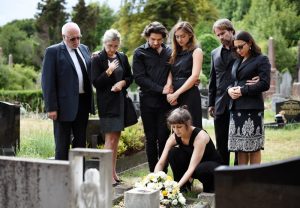
Woman on her knees visiting a loved one's grave

3. Choose Your Final Resting Place

Next up is choosing your final resting place. Not only can you personally choose the cemetery, but you also decide what kind of placement you want. With burial, you could opt for a single or double plot, a mausoleum, or even an above-ground crypt, to name a few. The cemetery may even have options like choosing a plot near a pond, a bench, or a lovely view.

On the other hand, with cremation, you could choose placement in a columbarium, a glass-front niche, scattering (at a cemetery or a special place), or even urn burial. Depending on the cemetery, there may be other options available. And if you are a veteran, there are national and state veteran cemeteries to consider as well as veterans’ burial benefits.

For more information about choosing a final resting place, check out the resources below and start talking with cemeteries in your area. You can consider the options available at each one and decide which works best for you.

Lit memorial candles at a church or service; funerals aren't one-size-fits-all

4. Choose Your Personalized Details

Personalization is perhaps the best way to create a truly unique final tribute. Special touches and custom details tailor the service to tell the story of your particular life and its events. There are so many ways to personalize the funeral. Just think – weddings, birthday parties, anniversary celebrations, they all look different because they are custom to the people being celebrated. The same personalization can be true for any funeral or memorial service.

When adding meaningful details, there are a number of things to consider. You could add personalized music, readings, symbols, actions, or choose a unique location. You could also include photos, a memorial tribute video, or serve the deceased’s favorite foods at the reception.

The options are truly endless, so check out these resources and then discuss personalization with a trusted funeral director. They will brainstorm with you, discuss the possibilities, and work to make them a reality.

Older couple sitting at home, using a calculator to determine cost; funerals aren't one-size-fits-all

5. Choose Your Budget

One important aspect of the funeral that’s in your hands is cost. While you can’t control the cost of materials, merchandise, and services, you do get to decide which ones you want. The Federal Trade Commission requires that every funeral home have a General Price List that outlines all of their services and merchandise. With this list, you can pick and choose what you want and ensure that the cost of the funeral stays within your budget.

Plus, at a good funeral home, the staff will work with you to create a personalized plan that fits your needs. So, go to the funeral home with a realistic range of what you are willing to spend on a service, and they will work with you to honor that. If they push you toward the most expensive options, that’s a warning sign that you should find another funeral home to partner with.

Mature couple sitting in the comfort of their home talking to a preplanning specialist; funerals aren't one-size-fits-all

Next Steps: Record Your Wishes for the Future

And one final thing that must be included is the importance of writing down your wishes once you’ve made decisions. It doesn’t do your family any good if you’ve decided what you want but never communicate it. Thankfully, planning ahead (also known as preplanning or advance funeral planning) is very common and can take an incredible weight off your family’s shoulders. Simply make an appointment at your chosen funeral home to get started. With your funeral plans written down, your family will have a roadmap to understanding what you want. Otherwise, they may be left scrambling after the loss, not sure what to choose.

Also, if you wish, you can pay in advance or set up a funeral insurance policy to cover the total cost. Alternatively, you can set aside funds in your personal accounts or use a life insurance policy. However, keep in mind, setting aside enough funds may be difficult due to rising costs and inflation. And with life insurance policies, funds may not be available for 6-8 weeks. This means your family may need to pay out of pocket for any funeral services and be reimbursed later.

To learn more about the benefits of planning ahead and how to pay for a funeral, check out the resources here:

By writing down your funeral wishes, you can communicate your personalized preferences to those you love. And with that information, they can make sure that your final tribute isn’t one-size-fits-all. It’s the size that uniquely fits YOU.

Skip to content