All Posts By

christy.kessler

11 Meaningful Ways to Honor Your Loved One’s Ashes

By Cremation, Memorial, Plan Ahead, Planning Tools

Have you considered how to honor a loved one’s ashes after their passing? In today’s world, there are so many options available, and you’re sure to find one that perfectly matches your loved one’s preferences and personality. To help you get started with choosing the best option, let’s discuss 11 meaningful ways that you can honor a loved one’s cremated remains. With the information gained, you can thoughtfully decide what’s best for your family’s specific needs.

Copper urn sitting on a table, nestled in white roses and red flowers

1. Burial

Did you know that you can bury an urn? Just like a casket, you can hold a graveside service and bury an urn in a cemetery of your choosing. Additionally, many cemeteries allow you to bury an urn alongside a casket, in case two loved ones had differing burial preferences. If you wish, you can also look for a cemetery with an urn garden, where there’s a dedicated and landscaped area for urn fountains and benches.

2. Columbarium

An above-ground structure, the columbarium exclusively houses cremated remains. The columbarium is filled with niches (wall spaces) where urns are placed and interred. A bronze plaque with an epitaph will be placed on the exterior of the niche to mark a loved one’s final resting place. This is perhaps the most familiar option for cremation, aside from scattering.

Person releasing ashes against a rainbow sky

3. Scattering

Scattering is the act of taking a loved one’s ashes to meaningful places and scattering them. This could be by the ocean, in the mountains, at a special place, or near home. Alternatively, you could opt for a scattering garden, which is a designated space often attached to a cemetery. Regardless of where you choose to scatter your loved one’s ashes, always review local laws and regulations first.

4. Keep the Ashes at Home

More people are starting to keep the cremated remains of a loved one at home. This option is definitely viable, but make sure you indicate in your will what to do with the ashes after your passing. Whoever handles your estate may not know about your loved one’s urn and could dispose of it unknowingly. So, if you do keep a loved one’s ashes in your home, make sure you communicate a plan for their care after you are gone.

A golden locket with an engraved flower design

5. Memorial Jewelry

Another popular option is to place a small amount of a loved one’s ashes in memorial jewelry. The jewelry design often includes a small interior space (like a locket) where the ashes are placed. You can choose from various styles, metals, and types (e.g. necklaces, rings, pendants, etc.). Selecting this option allows you to take a small part of your loved one with you, no matter where you go.

6. Under the Sea

For a loved one who adored the ocean, there are now options available at sea. For example, you can place an urn in an underwater mausoleum. Or you can create an artificial coral reef with a loved one’s ashes that will assist in the repair and conservation of natural coral reefs. As a memorial to your loved one, consider affixing a plaque to the artificial reef. Also, in many cases, it’s possible to be present as the reef is placed in the ocean.

Two people work together to plant a young tree in dark soil

7. Plant the Ashes

With the proper treatment, it is now possible to plant a memorial tree with a loved one’s ashes. With this option, you will place a special, biodegradable urn in the ground. The top section of the urn contains seeds and soil, while the bottom holds the treated ashes (making them safe for plants). Once the roots grow deep enough, they will mingle with the ashes. Speak with a trusted funeral director to learn more about this option.

8. Launch into Space

Interestingly enough, you can send a person’s ashes into space. If your loved one adored space and all its mysteries or was always looking for the next big adventure, you might consider this option. Of course, there will be regulations and stipulations to follow, but it is an option available to you.

A blue, glass pumpkin held in hands made from stone

9. Stained Glass or Hand-Blown Glass Keepsakes

Another possibility is to have the ashes of a loved one infused with glass to create beautiful pendants, paperweights, orbs, hourglasses, and other glassware. During the creation process, layers of hot glass encase the ashes. The process fuses the two (glass and ashes) together permanently. As with memorial jewelry, this option requires only a small portion of the ashes.

10. Press into a Diamond

A growing trend is to forge a loved one’s ashes into diamonds, which are made of crystallized carbon. This is possible because the second most abundant element in the human body is carbon. After the diamond-making process is complete, the family can design memorial jewelry or other items of significance to remember someone loved.

White stones used in home landscaping

11. Memorial Stones

With memorial stones, the cremated remains are compressed into a collection of 40-80+ stones. Each stone possesses its own unique color, texture, and shape. To create the stones, the ashes are mixed with a clay-like material, shaped into stones, and then fired in a kiln. The finished stones can be placed in a garden, given to individual family members, taken to mountain peaks, or whatever else would be meaningful for your family.

As you can see, there are many ways to honor the cremated body of someone dearly loved. The most important thing is to determine which will be the most meaningful for you and your family. And keep in mind that these are only some of the options. There may be something else out there just right for you!


Woman reviewing notifications on social media

Tips for Writing a Memorial Post on Social Media

By Educational, Grief/Loss, Memorial

When you’re grieving, remembrance and expression are an essential part of the healing process. You need time to sit with your memories, turn them over in your mind, and process them. And as you review each memory, lean into how it makes you feel and express what’s going on in your mind and heart.

One way to meet both needs (remembrance and expression) is to create a memorial post for social media. As you craft a memorial post (either before or any time after the funeral), you can look back on your loved one’s life (remembrance) and put what you’re thinking and feeling into words (expression). In many ways, the process can be incredibly cathartic and help you get things that are whirling around in your heart and mind outside of yourself in a healthy way. But how do you write a memorial post for social media? Let’s talk about it.

Woman sitting at table with computer and smartphone, looking at social media notifications

Why Post on Social Media?

For most of us, social media has become a normal, everyday part of our lives. While social media comes with its positives and negatives, it is an excellent way to connect with others quickly and easily. By publishing a memorial post on social media, you:

  • Honor your loved one’s life and memory publicly
  • Express what’s on your heart and mind
  • Reflect on the meaningful moments you experienced with your loved one
  • Invite others to remember your loved one’s life alongside you
  • Receive love and support from others
  • Encourage others to reflect on their own grief in a healthy way

Grief is a universal experience. Every person on this planet knows what it is to experience grief and loss. By creating a memorial post, you acknowledge that collective experience and open the door to compassion, reflection, and eventually, healing.

5 Tips for Writing a Memorial Post on Social Media

So, how do you get started? Here are 5 simple tips for writing a memorial post, but remember, these are guidelines, not rules.

Woman taking a smartphone picture of a man holding colorful planters

1. Select a Meaningful Image, Video, Song, or Quote

Perhaps the easiest place to start is with choosing a meaningful image, video, song, or quote. You can then use this chosen media to inspire what you write in the post. Plus, a visual can enhance the post by adding a layer of connection and evoke emotions and memories.

You could choose a photo that means a lot to you or one that captures a milestone event in your life or your loved one’s life. By using a video, your loved one’s physical presence and vitality add a dynamic element to the post. Alternatively, you could include a meaningful quote or share a song that brings tears to your eyes and memories to your heart.

Man in orange shirt typing on laptop

2. Write from the Heart

When writing a memorial post, it’s okay to let your emotions guide you. Because the intention of a memorial post is to reflect on memories, use sincere and heartfelt language as you express your grief and share the story behind meaningful moments. Feel free to talk about how difficult it has been without that special person and how much you miss them.

However, a few tips on what not to include: it’s best to stay respectful, avoid controversial topics, and refrain from sharing traumatic details about the death. Also, if you are posting about a non-family member, be mindful of the family’s privacy and don’t reveal details that are meant to remain private.

Woman sitting on yellow couch and interacting with phone and social media

3. Add Personal Touches

As you write, consider adding personal touches to the post. You could share a specific memory, talk about a shared experience, or discuss your loved one’s unique quirks. Talk about their love of music or pop culture or 8-track tapes or the color yellow.

If you’ve included a video with the post, give some context and share why it means so much to you. You can also do this with photos, memes, GIFs, or songs. As you add personal details to your memorial post, you not only express your own sentiments and feelings, but you also transform a general tribute into a unique portrait of your loved one’s life.

Old theatre marquee

4. Include a Call to Action (Optional)

It’s possible that your post may serve two purposes: honoring your loved one’s life and promoting a cause or event. Perhaps your loved one was deeply involved in the local theatre scene, and there’s a new play opening this weekend. You could share a memory about going to plays with your loved one and encourage everyone to go enjoy the newest production!

In a case like this, you can include a call to action. For example, “I’m going out to support the theatre this weekend to honor Dad! I hope to see you there.” Alternatively, you can share a loved one’s final tribute details or highlight their favorite non-profit. No matter what the cause or event, you can create a sense of community and support by inviting others to join in.

Young man reading and editing a post on his phone

5. Think, Review, and Revise

No matter what you’re writing (academic paper, email, social media comment, etc.), always take time to think, review, and revise.

  • Stop to think about what you’ve written. Does it say what you want to say? Does it hit the tone and purpose you’re going for? Is what you’ve said going to hurt any family or friends who are grieving?
  • Review each word you’ve written. Are you clear and concise? Are there any grammatical errors or misspellings? Did you forget to add any necessary details?
  • And finally, if you see something you want to change, revise it right away.

Two easy proofreading hacks are reading it aloud and asking someone else to review it. When you read it aloud, anything that’s off will often rise to the surface. Did everything make sense to you? Did you trip over any wording or feel like the phrasing was awkward? And when you ask a friend to read your post, they may see something you didn’t. Once the post is fully reviewed, make edits as needed. Once you’re happy with it, it’s time to post!

Woman reviewing notifications on social media

What Happens After You Post?

Once your memorial post is live, people may post comments on it. These comments are likely to be supportive and kind, sharing in your grief. If you wish, you can react or reply to comments and talk more about the loss. But if you simply want to read the comments and not go any further, that’s okay, too. Also, some people are unkind or simply oblivious, so if you see a rude or inappropriate comment, you can either ignore it or delete it. This is your memorial post, and you can curate it however you want.

Also, it’s unlikely, but it’s possible that someone may post a rude or inappropriate comment. Decide now how you will respond if that happens. The simplest responses are to either ignore the comment or delete it. This is your memorial post, and you can do what you want with it. Just because someone makes a comment doesn’t mean you have to keep it.

Writing a memorial post is a beautiful way to celebrate a person’s life and the impact they had on others. Whether you’re crafting a tribute for a beloved family member, a cherished friend, or a respected colleague, the process requires sensitivity, thoughtfulness, and a touch of creativity. May these simple tips help you create a loving post that honors that special person and brings comfort to your heart and peace to your soul.

Woman in black holding red rose near her heart

Unique Venue Ideas for a Celebration of Life Service

By Meaningful Funerals

Losing a loved one can bring the heart and soul so much comfort to honor and remember that beloved life in a special and meaningful way. In fact, creating a personalized final tribute can make a big difference on your grief journey.

According to author, educator, and grief expert Dr. Alan Wolfelt, “People who take the time and make the effort to create meaningful funeral arrangements when someone loved dies…emerge changed, more authentic and purposeful. The best funerals remind us how we should live.” One way to personalize a funeral is to choose a venue that is unique and special to the person whose life you are honoring. But how do you get started?

Woman in black placing white rose on top of casket

Questions to Ask Yourself

The options for a special venue are numerous, but it’s helpful to ask yourself a few questions as you brainstorm.

  • What things or places were most important to my loved one?
  • What did my loved one value?
  • Where did my loved one enjoy spending their time?
  • What hobbies or interests did my loved one enjoy the most?
  • Is there a place that instantly comes to mind when I think about my loved one?

If your mind is drawing a blank, you can consult with a trusted funeral director or talk with family members and friends to come up with options. And to spark your creativity, here are a few ideas!

5 Venue Ideas for a Celebration of Life Service

Golf cart parked on the green lawn of a beautiful golf course

1. Golf Course or Club

If your loved one was an active golfer, it might be meaningful to coordinate part of the service at a favorite hole on the course. After a memorial service on the green, you could move into the clubhouse. Once there, you can display your loved one’s clubs, photos, and even ask golfing buddies to share tales of their golfing adventures.

2. A Tribute at Sea

If your loved one was most at home on a boat, you could rent a vessel and have a seaworthy ceremony. While on the water, spread flowers on the water or go fishing in their honor. Alternatively, you could scatter your loved one’s ashes at sea (make sure you follow local ordinances) or purchase a biodegradable urn and lay them to rest beneath the waves. If you want, you can even turn their ashes into a barrier reef to help heal the ocean!

Baseball diamond, looking at the field from home plate

3. Local Baseball Diamond or Park

If your loved one was a huge fan of softball/baseball or was a player or coach, you might consider holding the service at a local park or baseball diamond. In addition to having the service, you could invite family, friends, and neighbors to play a game in your loved one’s honor. To add another special touch, you could set up a photo of your loved one in a place of honor on the field or ask everyone to wear special jerseys.

4. Nature Lover’s Outdoor Service

For outdoor lovers, you could ask your funeral director about holding the service at a local botanical garden, park, or private garden (with permission, of course). This would allow you to incorporate the peacefulness of the outdoors into your tribute and share the joy that being surrounded by nature brought to your loved one. Or, if you prefer, many National Parks allow scattering, and you can hold a quiet, private service there to honor your loved one.

Wooden pier stretching out into water at a beach

5. Beachside Service

Lastly, if your loved one found joy in walking along the beach at sunset, finding unique seashells, or surfing at dawn, perhaps you could coordinate a lakeside or beachside service. You could incorporate a much-loved seashell collection or invite guests to set flowers or lanterns adrift on the water. Bring memorial candles to light as you watch the sun disappear on the horizon and remember the person you love.

These are just a few ideas for how you can personalize the venue for a final tribute. No matter what you’d like to do, bring it up with your funeral director. They will work with you to determine whether an idea is possible. From launching a loved one’s ashes into space to requesting a military funeral at a national cemetery, the funeral home staff will help you create a personalized goodbye that brings peace and comfort to your heart.

Woman in black holding red rose near her heart

Additional Personalization Resources

For more information on how to personalize a loved one’s final goodbye, check out these additional resources that offer suggestions and ideas for a unique tribute.

10 Mourning Rights of a Grieving Spouse

By Grief/Loss

Losing a spouse can feel like losing an essential part of yourself. The two of you were a team, doing all the ups and downs of life together. Now, you find yourself facing life alone, and you don’t remember how to do it on your own. Some days, you may even feel like you’re going crazy. But you’re not crazy – you’re grieving.

While the grief journey is about saying goodbye and moving forward, it’s also about honoring the love you shared, reflecting on the memories you made, and finding a new place in your heart for your spouse’s presence.

As you walk through the heartbreaking loss of a spouse, remember these things:

Sad woman with blue eyes sitting on couch and looking into the distance

1. You have the right to your own unique grief

Every person grieves in their own way, and you have the right to experience your grief differently than the people around you. While you are grieving a spouse, other family members may be going through the loss of a parent or child. For example, if one or both of your spouse’s parents are still living, you are both grieving the same person but very different losses.

It’s possible that other family members may expect you to react to the loss of a spouse in a certain way. Try not to conform your needs to their expectations. Instead, be real about what you need and compassionately communicate those needs when appropriate.

Two women hugging, comforting each other after a loss

2. You have the right to talk about your feelings

Many people grow up learning that it’s better to conceal emotions (and admittedly, some places aren’t appropriate for emotional outbursts), but most of the time, it’s healthy to express what you’re feeling. And one of the most tried and true ways to express what you’re thinking and feeling is through talking.

Talking about your spouse may be painful at first. If it’s easier, you can start by writing down what you’re thinking and feeling. Once you are comfortable with that, you can move to speaking with trusted family and friends who are ready to hear what you have to say. The biggest thing is to express what’s going on in your heart and get those big feelings out in the open, not trapped inside you.

Man looking out with window with a thoughtful look on his face

3. You have the right to feel the way you feel

After a loss, it’s common to feel a wide range of emotions. Shock, denial, confusion, yearning, guilt, sadness, or depression, to name a few. All of these reactions are normal. And if you’ve just lost your soulmate, these feelings may be more intense than anything you’ve felt before. But remember – it’s normal.

Try to embrace what you’re feeling, but when you can, do it in small doses. For example, when you’re busy but feel the grief rising, allow yourself to engage with your emotions for 10 minutes. Go to a quiet place and cry, scream, kick, do whatever you need to do (as long as you don’t harm yourself or others). After 10 minutes, take a deep breath, and go back to what you were doing. It’s going to take time and many such moments of grief to process this deep loss.

Tired woman lying on a bed with her arms crossed over her eyes

4. You have the right to be tired

Grief is hard work, mentally, emotionally, physically, and spiritually. You may find yourself feeling simply exhausted at the end of the day. And at night, your bed may feel less welcoming because that special person is no longer there. Some people even experience physical symptoms like headaches, nausea, and weight loss or gain after losing a loved one.

Please know – this is a natural reaction. Your body is in distress, the same as your mind and heart. Respect what your body and mind are telling you. Rest every day. Eat balanced mealsBe kind to yourself as you grieve the loss of your spouse and figure out how to move forward.

Mature woman lying on bed with her hand resting on a photo of her late husband

5. You have the right to experience “grief bursts”

At times, the feelings of grief are going to appear suddenly and overwhelmingly. This is called a “grief burst.” It could be triggered by many things. You walk past the perfume counter and breathe in your wife’s preferred scent. You burst into tears while cooking dinner because he was the best chef ever. You wake up and say “good morning” before you remember no one is there.

So many small moments could trigger a grief burst. The powerful surge of emotion can be scary, but it’s normal and natural. When these bursts happen, honor and acknowledge them; don’t suppress them. Let yourself cry. Write down what’s going through your mind. Or call someone you trust and talk with them through the grief burst.

Mature man visiting a spouse's grave with flowers

6. You have the right to engage in healing actions

Sometimes, in order to heal, you will need to do more than talk – you need to act. And as you put your grief into motion, you engage with your feelings and begin to process them in a healthy way. But what are “healing actions”?

Get coffee with someone and share a few cherished memories about your spouse. Mark your spouse’s birthday in a special way. Volunteer at their favorite organization. Talk about your lost spouse with family, friends, and your children. Write to your spouse and catch them up on everyone’s news. Visit their final resting place to chat for a little bit.

These are all acts of mourning – the outward expression of your internal grief. As hard as it is to believe, as you do the work of grief and participate in healing actions, you will find a way to move forward. You will never forget your spouse – nor should you – but you can find the path toward healing and discover a good life you didn’t know could exist.

Woman in green sweater holding rosary beads

7. You have the right to embrace your spirituality

If you are a person of faith, your beliefs are either sustaining you or it’s all feeling a little shaky. Whatever you’re feeling, it’s okay. The loss of a spouse can unbalance your entire world.

If you are a person of faith, surround yourself with people who understand and support your religious beliefs. Find someone to talk with who won’t be critical of your feelings. Pray. Meditate. Journal. Share what you’re feeling with God; he’s big enough and loving enough to accept and understand whatever you’re feeling, even if it’s anger toward him.

8. You have the right to take your time

Whether you’ve been married for 6 months or 60 years, take all the time you need to grieve your loss. You may have a well-meaning friend or family member who’s encouraging you to “move on” because “enough time has passed.” You can politely ignore them because, in truth, there’s no rush, no timeline, and no expiration date on grief. It takes the time it takes.

Ultimately, the journey toward reconciliation – learning how to move forward after a loss – often depends on the type of loss and the depth of the relationship. With a spouse, a soulmate, the process can take longer than with other types of loss. After all, your spouse was with you every day, the person who knew you best, inside and out. That type of relationship comes with deep love and appreciation and deserves to be fully mourned.

Grandfather showing photos to grandson and sharing memories of spouse

9. You have the right to treasure your memories

Think back on your cherished memories. The moment you met your spouse. The first time you knew you wanted to marry them. The meaningful moments you shared, from the wedding day to having children, decorating your first home, or traveling together. You have some very special memories that no one else has, and they are very precious.

So, what could you do to treasure your spouse’s memory? You could collect keepsakes – photos, favorite items, something special between you and your spouse, etc. Have a piece of jewelry made to wear in remembrance. Start a tradition that brings you comfort. Bake their favorite Christmas treat every year. There are so many ways that you can remember and treasure the memories. Simply choose the ones that speak to you.

Man and dog talking a peaceful walk in park

10.  You have the right to grieve and to heal

No matter what your feelings or other people may be telling you right now, remember that you do have the right to grieve and to heal.

Nationally respected grief author and educator Dr. Alan Wolfelt tells us that, in many ways, we never truly “get over” a death; instead, we learn to reconcile ourselves to the loss. He states, “Your feelings of loss will not completely disappear, yet they will soften, and the intense pangs of grief will become less frequent. Hope for a continued life will emerge as you are able to make commitments to the future…. The unfolding of this journey is not intended to create a return to an ‘old normal’ but the discovery of a ‘new normal.’”

The journey ahead is not going to be easy. The loss you’ve suffered is significant and heartbreaking. As you grapple with the loss, grieve in whatever way you need so that you and your family can find healing, peace, and reconciliation.

*Adapted from Dr. Alan Wolfelt’s The Mourner’s Bill of Rights.

Root system of moss-covered tree in a forest

An FAQ Guide to Natural Organic Reduction

By Educational, Explore Options, Planning Tools

Have you ever heard of natural organic reduction? If you haven’t, don’t worry! Today, we’re going to discuss some frequently asked questions about this new service option, so that you can be informed when making end-of-life decisions. Let’s get started!

Root system of moss-covered tree in a forest

What is natural organic reduction?

Natural organic reduction is the process of transforming human remains into nutrient-rich soil through controlled natural decomposition. Washington State was the first to legalize natural organic reduction, and other states have followed suit since then. Both gentle and sustainable, natural organic reduction is considered a “green” funeral option and has become an eco-friendly alternative to classic burial and cremation.

Does natural organic reduction go by any other names?

Yes, you may come across several names as you research this service option. In addition to natural organic reduction, you may find it called human composting, soil transformation, recomposting, recomposition, and terramation.

Dirt walking path through a forest of trees with blue sky above

How does the natural organic reduction process work?

Typically, the process occurs in phases and can take 8 to 12 weeks to complete. The body is laid in a specially designed vessel and surrounded by wood chips, alfalfa, and straw. Over the next several weeks, microbes created by these natural materials will accelerate the decomposition process and break down the body, resulting in nutrient-dense soil. There will then be a curing period of three to five weeks before the soil is returned to the family.

Is natural organic reduction more eco-friendly than other traditional options?

Research has found that natural organic reduction uses 87% less energy than traditional burial or cremation. Additionally, the soil created through the natural organic reduction process can nurture the ecosystem by filtering water, providing nutrients for plants, and releasing carbon in a way that is less harmful to the environment.

New green growth of a plant in dark soil

Can I have a funeral service with natural organic reduction?

Yes, you can have a service! There are several options, and the funeral home staff can review them with you. Most commonly, you can:

  1. Have a service before the natural organic reduction process has begun,
  2. Have a memorial service (no body present) at any time, or
  3. Wait until the soil has been returned to you and host a scattering/tree planting service, memorial service, or whatever kind of gathering you prefer.

No matter what you choose, personalizing the final tribute is a meaningful way to celebrate and honor the essence of your loved one’s life and legacy.

Is there anyone who isn’t eligible for natural organic reduction?

Body size and weight do not matter, but there are a few things that will disqualify a person from being eligible for natural organic reduction.

  1. The natural organic reduction process destroys most harmful pathogens. However, there are three rare diseases that disqualify a body: Ebola, prion diseases such as Creutzfeldt-Jakob Disease, and active tuberculosis.
  2. For patients who have received radiation seed implants, the seeds must be removed, and 30 days must pass before they are eligible for natural organic reduction.
  3. Embalming disqualifies a body for natural organic reduction, so any bodies donated to science are ineligible. However, you can be an organ donor and still choose natural organic reduction.

Person planting new plant shoots in dark soil

What happens to bones, teeth, and implants during the process?

Bones and teeth: Because of their mineral composition, bones and teeth do not fully break down during the natural organic reduction process. However, once the soil is ready, the bones and teeth are removed and then ground into a fine powder. The bone powder (ashes) is then added back to soil and will further enrich its nutrient-density.

Implants, artificial limbs, and tooth fillings: Once the process is complete, the soil is screened for non-organics like implants, artificial limbs, and tooth fillings. When possible, these items are recycled.

Pacemakers: If a pacemaker is present, it will be removed before the natural organic reduction process begins.

How much soil does that natural organic reduction process create?

The amount of soil created really depends on the size of the person and how much plant material (wood chips, alfalfa, straw) was used during the natural organic reduction process. After choosing a service provider, you can ask how much soil their specific process creates.

Garden bed with spade, work clothes, and small, red flower

What can you do with soil created by natural organic reduction?

Once the soil is returned to your family, you can use it to create a garden, plant a memorial tree, scatter it in a natural environment, or whatever else you’d prefer. You can place the soil on private property with permission from the owner. However, with public spaces or conservation areas, check local guidelines and ordinances first.

Alternatively, many service providers also partner with at least one non-profit land conservation organization. Rather than take the soil home, you can donate it to a land conservation project, and it will be used to restore forests and revitalize protected areas.

Can the soil be shipped?

Yes, shipping to most locations in the United States is available. However, due to the variety of regulations involved, international shipping is generally not available. To get specific information, speak with your chosen funeral home about shipping costs and regulations.

Forest floor with tree trunks, ferns, moss, and dried, brown leaves

Can I have a grave marker if I choose natural organic reduction?

Typically, families choose to scatter or bury the soil, use it in gardening, or donate it to a conservation partner to help nourish the land. If you wish to commission a grave marker, you certainly can. However, keep in mind that there likely won’t be a traditional gravesite where you can place a grave marker. You will need to be creative with your placement or opt for a plaque or memorial stone instead.

How does the cost of natural organic reduction compare to other funeral options?

Pricing generally depends on the provider you use and the state you live in. However, many providers are actively keeping the cost comparable to burial and cremation.

Mature woman biking through green forest

Where is natural organic reduction legal?

As of February 2026, natural organic reduction is legal in 14 states: Arizona, California, Colorado, Delaware, Georgia, Maine, Maryland, Minnesota, Nevada, New Jersey, New York, Oregon, Vermont, and Washington. More states are likely to approve this final disposition option in the years to come, so speak with a trusted funeral professional if your state is not listed.

Can you preplan with natural organic reduction?

Absolutely! The only difference is that you should look for a funeral home that offers natural organic reduction as part of their service offerings. If you do that, then the funeral planning process will be seamless for you and your family.

Hopefully, you now feel more informed about natural organic reduction! If you’d like more information, reach out to a trusted local funeral home. Even if they don’t offer natural organic reduction themselves, they can point you in the right direction.

Senior man sitting in a chair with a loved one's arms wrapped around his shoulders

The Capacity to Love: The Reason We Grieve

By Grief/Loss

Every time we make the decision to love someone, we open ourselves to great suffering, because those we most love cause us not only great joy, but also great pain. The greatest pain comes from leaving…the pain of the leaving can tear us apart. Still, if we want to avoid the suffering of leaving, we will never experience the joy of loving. And love is stronger than fear, life stronger than death, hope stronger than despair. We have to trust that the risk of loving is always worth taking.”   – Henri Nouwen

“All you need is love,” famously sang the Beatles. I couldn’t agree more. We come into the world yearning to give and receive love. Authentic love is God’s greatest gift to us as human beings. Love is the one human experience that invites us to feel beautifully connected and forces us to acknowledge that meaning and purpose are anchored not in isolation and aloneness, but in union and togetherness.

Father and son laughing together

What higher purpose is there in life but to give and receive love? Love is the essence of a life of abundance and joy. No matter what life brings our way, love is our highest goal, our passionate quest. Yes, we have a tremendous need for love – love that captures our hearts and nourishes our spirits.

In fact, our capacity to give and receive love is what ultimately defines us. Nothing we have “accomplished” in our lifetime matters as much as the way we have loved one another.

Yet love inevitably leads to grief. You see, love and grief are two sides of the same precious coin. One does not – and cannot – exist without the other. People sometimes say that grief is the price we pay for the joy of having loved. This also means that grief is not a universal experience. Grief is predicated on our capacity to give and receive love. Some people choose not to love, and so, never grieve. If we allow ourselves the grace that comes with love, however, we must allow ourselves the grace that is required to mourn.

Middle-aged woman sitting quietly at home in an armchair

The experience of grief is only felt when someone of great value, purpose, and meaning has been a part of your life. To mourn your loss is required if you are to befriend the love you have been granted. To honor your grief is not self-destructive or harmful, it is life-sustaining and life-giving, and it ultimately leads you back to love again. In this way, love is both the cause and the antidote. Just as our greatest gift from God is our capacity to give and receive love, it is a great gift that we can openly mourn our life losses.

It is important to understand that grief and mourning are not the same thing, however. Grief is the constellation of thoughts and feelings we have when someone we love dies. We can think of it as the container. It holds our thoughts, feelings, and image of our experience when someone we love dies. In other words, grief is the internal meaning given to the experience of loss. Mourning is taking the grief we have on the inside and expressing it outside of ourselves.

Senior man sitting in a chair with a loved one's arms wrapped around his shoulders

Making the choice not just to grieve, but to authentically mourn, provides us the courage to live through the pain of loss and be transformed by it. How ironic that to ultimately go on to live well and love well we must allow ourselves to mourn well. You have loved from the outside in, and now you must learn to mourn from the inside out.

About the Author:

Dr. Alan Wolfelt is a noted author, educator, grief counselor. Dr. Wolfelt believes that meaningful funeral experiences help families and friends support one another, embrace their feelings, and embark on the journey to healing and transcendence. Recipient of the Association of Death Education and Counseling’s Death Educator Award, Dr. Wolfelt presents workshops across the world to grieving families, funeral home staffs, and other caregivers. He also teaches training courses for bereavement caregivers at the Center for Loss and Life Transition in Fort Collins, Colorado, where he serves as Director. Dr. Wolfelt is on the faculty of the University of Colorado Medical School’s Department of Family Medicine. He is also the author of many bestselling books, including Understanding Your Grief, The Mourner’s Book of Hope, Creating Meaningful Funeral Ceremonies, and The Paradoxes of Grief: Healing Your Grief With Three Forgotten Truths, upon which this series is based. For more information, visit www.centerforloss.com

Printed by permission of Dr. Alan D. Wolfelt, all rights reserved.

Grandmother and granddaughter sitting on couch and hugging with smiles on their faces

Love and Grief: Living as You Were Meant to Live

By Grief/Loss

“We are all mirrors unto one another. Look into me and you will find something or yourself as I will of you.”  – Walter Rinder

Love is a sacred partnership of communion with another human being. You take each other in, and even when you are apart, you are together. Wherever you go, you carry the person inside you. Communion means the sharing or exchanging of intimate thoughts and feelings, especially on a spiritual level. When two people love one another, they are connected. They are entwined.

Grandmother and granddaughter sitting on couch and hugging with smiles on their faces

Communion of Lives

The word “communion” comes from the Old French comuner, which means “to hold in common.” Note that this is different than “to have in common.” You may have very little in common with another person, yet love them wholeheartedly. Instead, you hold things in common – that is, you consciously choose to share one another’s lives, hopes, and dreams. You hold her heart, and she holds yours.

This experience of taking another person inside your heart is beyond definition and defies analysis. It is part of the mystery of love. Love has its own way with us. It knocks on our hearts and invites itself in. It cannot be seen, but we realize it has hap­pened. It cannot be touched, yet we feel it.

Communion of Grief

When someone we love dies, then, we feel a gaping hole inside us. I have compan­ioned hundreds of mourners who have said to me, “When she died, I felt like part of me died, too.” In what can feel like a very physical sense, something that was inside us now seems missing. We don’t mourn those who die from the outside in; we mourn them from the inside out.

The absence of the person you love wounds your spirit, creates downward movement in your psyche, and transforms your heart. Yet even though you feel there is now a hole inside you, you will also come to know (if you haven’t already) that those you love continue to live on in your heart. You remain in communion with those you love forever and are inextricably connected to them for eternity.

Man and woman grieving together and holding a single pink rose

Yes, you will grieve the person’s absence and need to express your feelings of grief. You must mourn. You must commune with your grief and take it into your heart, embracing your many thoughts and feel­ings. When you allow yourself to fully mourn, over time and with the support of others who care about you, you will come to find that the person you lost does indeed still live inside you.

Love abides in communion – during life and after death. And mourning is com­munion with your grief. With communion comes understanding, meaning, and a life of richness.

Greater Than the Sum of Its Parts

Accept the things to which fate binds you, and love the people with whom fate brings you together, but do so with all your heart.”  – Marcus Aurelius

When you love another person, it can feel like one plus one equals three.

I’m sure you’ve heard the saying, “The whole is greater than the sum of its parts.” Love is like that. Two people can come together and form a partnership that enables each person to be “more” in so many ways.

Here’s another way to think about this idea: Love is like an orchestra. You may be a clarinet – a strong, fine wind instrument all by yourself. But when you surround yourself with other instruments, each of which does the work of carrying its own part and practicing its own music, to­gether as a group you can blow the doors off the place.

I much prefer this expansive concept of love over the long-held reductionist belief that two become one. If two become one, both participants in the relationship are diminished. Conversely, what truly feeds the soul of a loving relationship is expansion, mutual-nurturance, and growth.

Without doubt, being part of a synergistic, two-makes-three relationship requires a conscious commitment. Did your rela­tionship with the person who died feel enhancing or diminishing? In synergistic relationships, there has to be space and encouragement to be real and authentic. Were you empowered to be your true self or disempowered to be something you were not? Did your two make three, or did your two make you less than one? If your two made less than one, perhaps you are now faced with mourning what you never had but wished you did. How human is that?

Person wearing black placing a spray of white flowers at a loved one's grave

If, on the other hand, your relationship with the person who died made you greater than the sum of your parts, what happens now that one of you is gone? You may feel diminished. You may feel empty. You may feel less than whole. Your self-identity may even seem to shrink as you struggle with your changing roles. If you are no longer a wife (or a mother or a sister or a daughter), what are you? If you are no longer a husband (or a father or a brother or a son), what are you?

The experience of mourning can feel piecemeal – a cry here, a burst of anger there; a deep sadness today, a crush of guilt tomorrow. You might feel a sense of disorientation from the scattered and ever-changing nature of your grief.

But when you trust in the process of grief and you surrender to the mystery, you will find that mourning, like love, is also greater than the sum of its parts. Leaning into your grief and always erring on the side of expressing rather than inhibiting or ignoring your thoughts and feelings – ­no matter how random and disjointed they might seem some days – will bring you to a place of transformation. You will not just be different from the person you were before the death. You will be greater. Your experience of love and grief will create a changed you, a you who has not only survived but who has learned to thrive again in a new form and in a new way.

And just as love connects you to others, so should grief. You need the listening ears and open hearts of others as you express your thoughts and feelings about the death. You need the support of others as you mourn.

Yes, love and grief are both greater than the sum of their parts. The lesson I take from this is that whenever you engage fully and openly in life, experiencing both the joys and the sorrows head-on, you are living the life you were meant to live.

About the Author:

Dr. Alan Wolfelt is a respected author and educator on the topic of healing in grief. He serves as Director of the Center for Loss and Life Transition and is on the faculty at the University of Colorado Medical School’s Department of Family Medicine. Dr. Wolfelt has written many compassionate, bestselling books designed to help people mourn well so they can continue to love and live well, including Loving from the Outside In, Mourning from the Inside Out, from which this article is excerpted. Visit www.centerforloss.com to learn more about the natural and necessary process of grief and mourning and to order Dr. Wolfelt’s books.

Printed by permission of Dr. Alan D. Wolfelt, all rights reserved.

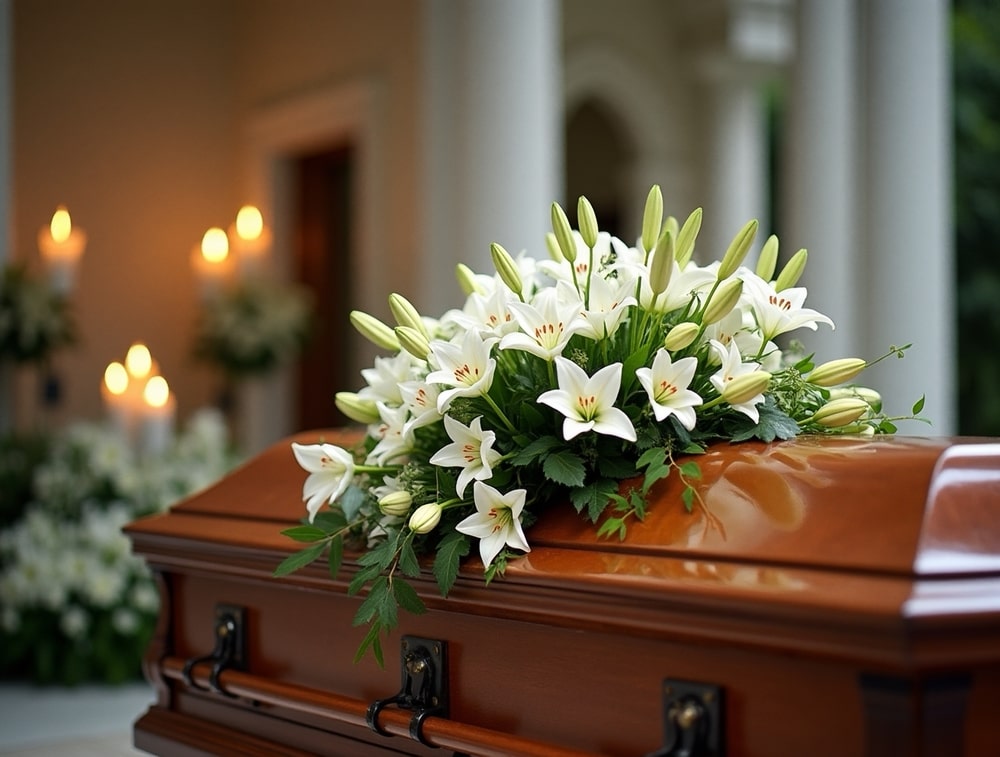
Casket spray of white lilies resting on top of wooden casket

7 Elements of a Healing and Meaningful Funeral

By Meaningful Funerals, Planning Tools

“People who take the time and make the effort to create meaningful funeral arrangements when someone loved dies often end up making new arrangements in their own lives. They remember and reconnect with what is most meaningful to them in life…strengthen bonds with family members and friends. They emerge changed, more authentic and purposeful. The best funerals remind us how we should live.” – Dr. Alan Wolfelt

Casket spray of white lilies resting on top of wooden casket

In order for a funeral service to be a healing and meaningful experience, there are 7 tried and true elements that you should consider incorporating. Dr. Wolfelt, nationally respected grief counselor and educator, tells us that these 7 elements are necessary to facilitate the 6 needs that a funeral fulfills:

  1. Acknowledging the reality of the death
  2. Embracing the pain of the loss
  3. Remembering the person who died
  4. Developing a new self-identity
  5. Searching for meaning
  6. Receiving ongoing support from others

And what are the 7 elements? They are music, readings, a viewing/visitation or reception, a eulogy, symbols, a gathering, and actions. If you are planning a funeral, whether because someone you love has died or you are making advance funeral plans, give thoughtful consideration to how you can implement these healing and meaningful elements. Let’s look at each one in a little more detail!

Pink and yellow flowers resting on a piano keys

1. Music

Music sets the tone of a funeral and brings emotions to the forefront. In fact, one of the purposes of a funeral is to allow mourners to grieve together, and in many ways, music says what words cannot. So, don’t be afraid to invite people to express grief. Select music that will remind mourners of the person who has died and allow everyone to pay tribute to that special person’s life and legacy in a meaningful way.

Why Include Special Music in a Funeral Ceremony?

How to Personalize Music at a Funeral

Setting the Tone for a Service: A Collection of Funeral Songs

A red rose resting on open book pages

2. Readings

Readings add another facet to a meaningful service. They are another way to not only invite mourners to express their emotions, but readings can also highlight the unique spirit of the one who has died. Did they have a favorite book? Poem? Were they a person of faith who would want passages read? Use these preferences to create a one-of-a-kind tribute.

How do Readings Enhance the Funeral Experience?

How to Personalize Readings at a Funeral

10 Literary Readings for Any Type of Funeral

Top 10 Poems for a Funeral Ceremony

Two women comforting each other at a visitation as they stand next to a casket

3. Viewing, Visitation, and/or Reception

The viewing, visitation, or reception is a time for family, friends, coworkers, and neighbors to gather and express support and sympathy. If it is decided to have a viewing with the loved one’s body present, it provides an opportunity for mourners to see that special person one more time. No matter which type of event you choose to incorporate, you can personalize the space to tell your loved one’s story through pictures, cherished items, and more.

Viewing vs. Visitation: What’s the Difference?

How to Personalize the Visitation at a Funeral

3 Reasons to Have a Visitation

Young man in a suit holding a microphone in his hands

4. Eulogy

The eulogy may be the single most important aspect of a funeral service. It is the time to acknowledge and affirm the significance of the life lived. It is the moment when friends and family tell the story of a person’s life and reflect on what they love and will miss. With that in mind, share treasured memories, quotes, or even the lost loved one’s favorite jokes. The eulogy, sometimes called the “remembrance” or the “homily,” can be delivered by a clergy person, a family member, or even by a series of people.

8 Tips for Crafting a Eulogy

11 Mistakes to Avoid When Writing a Eulogy

5 Public Speaking Tips for Delivering a Eulogy

A casket draped with an American flag at the viewing

5. Symbols

Symbols offer a focus point for the bereaved as well as a sense of comfort. A few common examples are religious symbols (like a cross or Star of David), funeral flowers, and lit candles. In addition to these examples, you could also choose a symbol that is unique to the person who has died. If they were a sports fan, drape their favorite jersey over the casket or urn. For a quilter, you can display quilts, or for a veteran, you can use the American flag. Simply choose symbols that make sense for your loved one’s unique life.

The Importance of Symbols

How to Personalize Symbols at a Funeral

A gathering around a buffet meal with several guests

6. Gathering

The gathering is an opportunity for friends and family to come together after the funeral service to share stories and to support each other. During the grief journey, it’s essential to talk about your grief and share the stories on your heart. By including a gathering, you give mourners dedicated time and space to do so. The gathering can be as simple or elaborate as you wish. It’s simply about taking time to talk and to honor the life of the person you all love.

What is the Purpose of a Gathering?

How to Personalize the Gathering at a Funeral

Focus on hand holding a lit memorial candle

7. Actions

And finally, actions invite mourners to put their grief into motion. What does that mean? In order to facilitate the healing process, it’s important to channel grief into healing actions. At the funeral, this could mean inviting guests to light a candle, take part in the eulogy, or lay a flower on the casket. It could also mean acting as a pallbearer, bringing a potluck dish for the reception, or sitting quietly with the casket to say final goodbyes.

How Do Actions Help Us Heal?

How to Personalize Healing Actions at a Funeral

5 Meaningful Actions to Personalize a Funeral

As you plan a loved one’s final farewell, consider using these 7 elements to create a personalized tribute. By incorporating each one, you will create a sweet, meaningful, and healing experience. Those who come to mourn will leave feeling like they have truly honored the life lived and taken the first healthy step on their grief journey.

Two people holding a small chocolate birthday cake with white icing

10 Ways to Celebrate a Loved One’s Memory on their Birthday

By Grief/Loss, Memorial

After losing a loved one, the act of remembrance is essential to the healing process. Memories and cherished moments bring comfort and peace during the difficult process of grief. While you will always miss the person who has died, you can keep their memory alive in your heart and memory. One way you can honor and remember them is by celebrating their birthday every year. But what does that look like? Let’s review 10 ideas for celebrating a loved one’s memory on their birthday.

Two people holding a small chocolate birthday cake with white icing

1. Organize a gathering with family and friends

If you love hosting and having people around you, consider throwing a birthday party for your lost loved one. Instead of gifts, guests can bring their favorite memories to share over the dinner table. Display photos, bring out your loved one’s favorite dishes, and place your loved one’s photo in a place of honor at the table. Coming together with others may be just the right balm for your heart as you mark a lost loved one’s birthday.

2. Cook their favorite meal

If you don’t feel up to a full gathering, keep it simple by cooking your loved one’s favorite meal for your immediate family. As you prepare their signature dish, place a photo of your loved one nearby. Then, once everyone is settled at the table, swap stories about your lost loved one and laugh together as you celebrate their birthday and their life. In this way, you can combine the comfort of food with the comfort of your memories.

Woman in gray sweater sitting down and writing in a card

3. Write them a letter

Words are powerful, and writing down your thoughts can be a therapeutic and effective way to process what you’re feeling. As you write, you could express your feelings, share life updates, or simply tell your loved one how much you miss them. If you want an extra touch, choose a birthday card at the store and write your letter inside. Then, you can leave the letter at their graveside or place it in a memory box where you can come back to it in future years.

4. Start a birthday tradition

If you like the idea of creating a ritual you can revisit year after year, consider starting a birthday tradition on your loved one’s birthday. Did they love apple pie? Eat a slice on their birthday every year. Did they adore When Harry Met Sally or Die Hard? Watch the movie, even if it’s the wrong time of year. Did they love taking walks? Get outside and breathe in the crisp air. Simply choose a birthday tradition that’s doable and look forward to it every year.

5. Give a memorial donation

If your loved one was active in the community or did regular volunteer work, then giving a memorial donation may be an excellent way to honor their memory. Consider giving to an organization they were passionate about. Alternatively, if they suffered from a disease, you could give toward medical research seeking a cure and treatment options. By giving a memorial donation in your loved one’s name, you extend their positive impact on the world.

A woman sprinkles flower petals on a loved one's grave

6. Visit their final resting place

Another activity to consider is visiting your loved one’s final resting place. If the cemetery allows it, bring a birthday bouquet or a birthday balloon. Sit down and give your loved one an update on the past year of your life. If your person wasn’t laid to rest in a cemetery, visit a place that is particularly meaningful to the two of you. It doesn’t really matter where you go, as long as you feel a connection and kinship to the person who has died.

7. Share a post on social media

Social media is a big part of life today, and it can be a great place to publicly honor and remember a loved one. Take your time crafting a heartfelt message and selecting meaningful photos. If you wish, you could ask people to share a favorite memory or leave a message of remembrance in the comments. When you’re hurting, it can be comforting to know you aren’t alone and that other people miss your person, too.

8. Participate in their favorite hobby

Did your loved one have a favorite hobby or pastime? In honor of their birthday, you could jump in and participate. For the painters, sign up for a class at the local Paint & Sip. For the marathon runners, sign up for a 5k (you can walk, no running required). For the crafters, spend time learning how to embroider, quilt, or crochet. For the golfers, take the whole family to mini golf. No matter what your loved one’s interests were, you can use them to honor your loved one’s birthday.

Elderly woman wearing a memorial locket with a picture inside

9. Wear something meaningful for the day

What you wear is a form of expression. On your lost loved one’s birthday, you can express your love for them through your wardrobe. You could wear their favorite color or a piece of jewelry that once belonged to them. You could pull on fuzzy cat socks or paint your nails that signature blue. Whatever it is, wearing a physical reminder can brighten your day and hopefully bring a smile to your face amidst any sadness you’re feeling.

10. Perform random acts of kindness

Lastly, give kindness to others on behalf of your loved one. For one mother who lost her young daughter, this meant paying for another child’s birthday cake in her daughter’s memory. For you, this could mean so many things. Paying for the person’s order behind you in the drive-thru. Taking cookies to work. Smiling at people at the store. Giving a bigger tip. Big or small, a simple act of kindness can lift the heart – yours and the other person’s.

Remember, this is just a list of possible ideas. Get creative and identify the most meaningful way for you to honor your loved one’s memory on their birthday. And if it’s hard to think about “celebrating” anything right now, that’s okay. You can come back to this list of ideas at a future date when you’re ready. Each year may look different as your loved one’s birthday comes and goes, but your love for them will remain forever and always.

Man and woman greeting each other with a handshake in a professional setting

What to Expect at a Funeral Arrangement Conference

By Plan Ahead, Planning Tools

None of us are ever truly prepared to lose someone we love. Whether the loss comes suddenly or has been long expected, numbness and shock are common in the first two days, which is usually when the funeral arrangements are made. To help ease the burden you may feel so soon after a loss, it’s helpful to know what to expect when you head into an arrangement conference. Preparing ahead of time will help ease your mind and prepare your thoughts.

Mature couple sitting down with funeral professional, signing papers

What is an Arrangement Conference?

An arrangement conference is a time specifically set aside to meet with a funeral director and discuss final disposition and the details of a meaningful tribute. Additionally, it’s an opportunity for the funeral director to get to know you better and learn how to best honor your loved one.

Dr. Alan Wolfelt, a nationally respected grief author and counselor, says that the funeral ritual is incredibly important for our individual grief journeys. He says, “Rich in history and rife with symbolism, the funeral ceremony helps us acknowledge the reality of the death, gives testimony to the life of the deceased, encourages the expression of grief in a way consistent with the culture’s values, provides support to mourners, allows for the embracing of faith and beliefs about life and death, and offers continuity and hope for the living.

With this goal in mind, the arrangement conference gives you and the funeral director time to create a meaningful and healing funeral service. Most arrangement conferences take place in the funeral home, but if you are traveling from a long distance or can’t make it to the funeral home in person, you may also be able to work with your funeral director over the phone and via text, email, or other digital options.

Man and woman greeting each other with a handshake in a professional setting

What are the Main Objectives?

There are three main objectives for your time with the funeral director during the arrangement conference.

  1. Gather the vital information of the person who died (full name, SSN, birthdate, etc.), which the funeral director will then use on your behalf to request death certificates and file for veterans’ burial benefits (if applicable) and life insurance claims.
  2. Make your wishes known about how you want to remember and honor your lost loved one.
  3. Select the most fitting funeral, cremation, and burial options.

Typically, the conference takes 2-3 hours on the day of or the day after a death. The funeral director will guide you through the available funeral service and memorial options, music selections, coordination with a church and cemetery (or other desired location for the service), and much more.

Post-it notes with questions written on them

What Questions Should You Consider in Advance?

The funeral director is your partner and your guide throughout the funeral planning process. They have the experience and the knowledge needed to help you make informed decisions. Even though you will get thorough explanations from the funeral director, it’s a good idea to come to the arrangement conference having considered a few key questions:

  • Where and when should the services be held?
  • Do you want to publish an obituary? If you do, who will write it? Where will you publish it?
  • In lieu of flowers, do you want to offer charitable contributions as an option for sympathy gifts?
  • Have you chosen a cemetery or other final resting place?
  • Do you need assistance with selecting a monument or grave marker?
  • What kind of funeral service is most appropriate? Simple? Elaborate? Public? Private? Religious?
  • What would you consider to be the best way to honor and memorialize your lost loved one?
  • Should there be a viewing, visitation, funeral service, or committal service?
  • If there is a service, who will participate? Musicians, speakers, pallbearers?
  • Do you want floral arrangements present, and if so, what kind?
  • Will the final disposition be burial, cremation, or another type of interment?
  • Will the body be present at the funeral or memorial service?
  • If applicable, open or closed casket?
  • Do you know someone who will act as officiant, or will you need the funeral home’s assistance in finding one?

What Should You Bring?

The more information you bring, the smoother the meeting will be (and the less documentation you will need to bring back later). To help you prepare, print and review this Funeral Arrangement Conference Checklist. The list is fairly comprehensive and gives you an excellent place to start. However, please note that the funeral home may ask you for something not included.

Additionally, the funeral home might also reach out to you before the arrangement conference to start planning digitally. Completing some information ahead of time means that the focus of the in-person meeting can be about planning a meaningful, personalized service for your loved one.

Couple sitting at home and deciding what plans to make for a funeral

Some Final Tips

First of all, prepare as much as you can ahead of time. You can gather necessary documents, clothing and personal items, details for the obituary, and photos to be used in the service ahead of time.

Secondly, don’t feel rushed during the conference. Remember, the funeral director is there to help you with all your needs and is ready to serve you fully.

Thirdly, ask as many questions as you need. As you plan a tribute for your loved one, the funeral director is there to be a knowledgeable and available partner in a difficult situation. Make use of their experience and ask as many questions as you want.

Finally, take notes. You will receive a lot of information during the arrangement conference, and it’s unlikely you will be able to remember it all. Take a notepad (or a friend) with you and make sure to write things down.

Hopefully, you now feel a little more prepared for an arrangement conference and can go into the meeting with confidence!

Couple talking with funeral professional

One Last Thought

After planning a funeral for a loved one, you know how hard it can be. Instead, here’s a pro tip: If you’d like to make the planning process easier for your own family in the future, consider the benefits of preplanning. With a prearranged funeral plan already in place, your family won’t have to answer dozens of questions while under a cloud of stress and grief. Instead, with your wishes in hand, the arrangement conference will go very smoothly. Often, the only question left to answer is the date and time for the service to be held!

To learn more about funeral preplanning, check out these resources:

Skip to content