Category

Estate Planning

group of people of mixed ages, races, and gender, smiling with a positive mindset

Living Better: How Positive Thinking Can Improve Your Life

By Estate Planning, Living Well, Plan Ahead

As we get older, we tend to reflect on our lives and examine how we’ve lived. Did we live a meaningful life? Have we left behind a legacy that we’re proud of? While everyone has a different idea of what a “meaningful” or “good” life looks like, making small, positive changes, like creating a positive mindset, can help you feel more fulfilled and healthier.

group of people of mixed ages, races, and gender, smiling with a positive mindset

One way to make changes and create a positive mindset is to build a habit of positive thinking! Studies suggest that positive thinking can significantly improve physical and mental health. It’s not always easy to view the glass as half full, but with practice and persistence, you can cultivate a state of mind that will make you more appreciative of the good in life and more accepting of the bad.

Here are a few ways to build a positive mindset and improve your life!

Practice Contentment

Older happy couple sitting in a green field of dandelions

What does it mean to be happy? Most people don’t find happiness in a stable job, a large paycheck, or even fulfilling their biggest goals. Instead, the most significant factor that influences true happiness is contentment, being satisfied with your current situation.

Maybe you don’t have as much in your retirement savings as you would like. Maybe you never got to work at your dream job. Or maybe you’re experiencing more physical pain as you age. All of these things can be genuinely frustrating, but choosing acceptance and contentment can help you build a more positive perspective.

Instead of focusing on what you don’t have or dwelling on “If only” or “I wish” statements, try to find ways to be content with where you are. Adversity and hardship are a natural part of life, and learning to accept those negative experiences can help improve your health and create a more meaningful, enjoyable life.

Create a Habit of Gratitude

Young woman looking out a window and writing in a gratitude journal

Contentment is the ability to deal with life’s negative events, and gratitude is the flip side of that: the ability to focus on and cherish positive events. Studies suggest that practicing gratitude can reduce stress, lessen anxiety, and improve overall health, thereby increasing quality of life.

But often, it’s easier to focus on the negative aspects of life instead of the positive aspects, especially during hard times or when you’re grieving. Thanks to this negativity bias, practicing gratitude can be a struggle. However, if you build up a habit of gratitude by finding something to be thankful for every day, you can find positivity on even the most challenging day.

How can you build a habit of gratitude? One way is to spend a few minutes each day writing in a gratitude journal. You could also set aside time to say what you’re grateful for, like when you’re doing the dishes or driving to work. Whether you have big or small things that you’re thankful for, taking a few minutes to appreciate them can help you create a positive mindset.

Choose Your Thoughts Wisely

Young african american man thinking with his eyes closed and a smile on his face

What you think has great power. The thoughts you focus on affect your words, actions, and overall mindset. While we can’t always choose the thoughts that enter our minds, we can control what we do with those thoughts. When a negative thought about your appearance, personality, or past enters your mind, do you internalize it and dwell on it? Or do you dismiss it, shift your focus to positive attributes, or take time to remind yourself of what’s important?

In the same way, you can shift your inner dialogue to focus on positivity. When you catch yourself being overly critical of yourself or others, pause and evaluate your thoughts. Is your inner voice being helpful or just judgemental? Is there something more beneficial you can think about? The answer is usually yes!

This doesn’t mean that you try to suffocate negative thoughts and emotions. Negative feelings are a natural part of life, and letting yourself experience them is essential. But as you build a positive mindset, you can learn to differentiate between healthy and unhealthy thoughts.

Of course, having a positive mindset is not the only way to a better quality of life. Eating well, exercising regularly, and avoiding destructive habits are also important for your well-being. But by training your brain to think positively, you can get so much more out of life – and enjoy it more, too!

Woman with a gray fuzzy sweater holding a small green bird and smiling

Protect Your Pet: 4 Steps to Create an Estate Plan for Your Pet

By Estate Planning, Pets

When creating an estate plan, most people think about caring for their families after they die. But what about your pets? How do you know that your pet will continue to be cared for?

There are plenty of crazy stories about the rich setting aside millions for their pets, but you don’t have to be a millionaire to make sure your pet is cared for after your death. Follow these 4 steps to create a plan to protect your pet!

DISCLAIMER: Individual circumstances and state laws vary. Only undertake estate planning with the help and assistance of an attorney licensed in your state.

1. Choose a Caretaker

Woman with a gray fuzzy sweater holding a small green bird and smiling

Who do you want to care for your pet when you’re gone? Picking a caretaker is an important first step.

Do you have a responsible friend or family member who gets along well with your pet? While you look for a possible caretaker, talk to the people you trust to see if they would be interested. Some people may have other pets, small children, or demanding jobs that could make them unwilling or unable to take on the extra responsibility.

If you don’t know anyone who can care for your pet, there are other options. Pet legacy programs around the world work to connect pets with loving families after they lose their owners. You could also leave your pet with a local no-kill animal sanctuary or rescue organization that will find it a new home.

2. Add Your Pet to Your Estate Plan

Small fluffy brown dog running in green grass

Once you’ve chosen a caretaker, you have several options for ensuring your pet goes to them. The most common ways to leave your pet to your chosen caretaker are with a non-legal arrangement, a clause in your will, a trust, or a pet power of attorney. Before deciding, consider whether there may be a conflict about your pet’s care among your family or any extra provisions you want to make, like setting aside money for your pet’s care (see point #4).

As you consider the best option for you and your pet, talk to your estate planning attorney. They can provide you with extra information regarding your state’s specific regulations and help you set up a plan that fits your needs.

3. Share Your Pet’s History

Vet holding a black and white bunny

Even if your caretaker is someone you know, they’ll need extra information about your pet’s history. To help with that, you can create a document with the necessary information. Consider adding details about your pet’s:

  • Vaccination history
  • Current and past medications
  • Medical issues (past and present)
  • Adoption papers
  • Any American Kennel Club or other breed registration information
  • Special dietary needs

Make sure to keep the document up-to-date when things change with your pet.

4. Set Aside Funds

Older woman petting a peaceful cat on her lap

Because pets are legally considered property, you can’t leave them money in your will. However, you can set aside funds to help pay for their food, care, and medical expenses as they transition to their new caretaker. One of the most common ways to do this is by setting up a pet trust.


If you choose to set aside funds for your pet’s care, consider the typical cost of their food, medical expenses, etc. By providing these funds for your chosen caregiver, you can lighten the burden of caring for your pet and ensure that your pet is cared for in the way you want.

While thinking about what will happen to your pet after you’re gone can be sad, remember that planning ahead can make the transition easier for them. Once you make decisions about your pet’s future, trust yourself and your choices. You know your pet best, and once you have an estate plan for your pet in place, you can rest easy knowing that they’ll be well cared for.

Mature woman sitting down with female doctor, reviewing paperwork together

Developing Your Advance Care Directive

By Educational, Estate Planning, Planning Tools

Have you recorded your preferences for medical care through an Advance Care Directive? Most people remember to write a will and put their funeral wishes in writing, but it’s also a good idea to lay out your wishes for medical care. By creating an Advance Care Directive, you give your family valuable insight into what type of medical care you prefer. That way, if you ever become incapacitated, they know what decisions to make regarding your health. Let’s take a deeper look at the Advance Care Directive – what it is and how to plan for it.

Mature woman talking with her doctor about her medical preferences

Advance Care Directives Explained

An Advance Care Directive (ACD), also known as an Advance Healthcare Directive (AHD), ensures that your medical wishes will be followed when you cannot speak or are no longer in a mental state to make decisions. By planning out your wishes in writing ahead of time, you provide healthcare professionals with important guidelines for medical care.

Three key documents make up the Advance Care Directive: the living will, the healthcare power of attorney, and the DNR/DNI order.

What is a Living Will?

The living will is the most common type of ACD. Not to be confused with a Last Will & Testament, which deals with decisions to be carried out after your death, the living will is written to explain the kinds of medical care you wish to receive and those you do not. It helps doctors and your family make important decisions regarding tests, medicines, surgeries, blood transfusions, CPR, and feeding tubes.

Paperwork for healthcare power of attorney and living will

What is the Healthcare Power of Attorney?

A living will does not technically allow you to designate a person to make decisions for you. For this, you will need to turn to a healthcare power of attorney. However, you can combine these two forms into one document. The person who represents your wishes is often referred to as a healthcare proxy, and their authority will be limited to decisions of a medical nature. Legal and financial choices do not fall under their jurisdiction. Choose someone you trust to follow your wishes and make decisions with your best interests in mind.

What are DNR and DNI Orders?

Though DNR (Do Not Resuscitate) and DNI (Do Not Intubate) orders may be included in the living will, they don’t have to be. A DNR prevents a medic from performing CPR, and a DNI prevents the use of breathing tubes.  You can also verbally communicate these orders to your physician, who will put them in their medical records.

Man sitting down with this doctor, talking together

7 Tips for Developing Your Advance Care Directives

According to the National Institute on Aging, more than one in four Americans will have medical decisions made when they are incapacitated. That means more than 25% of us will need loved ones to make medical decisions on our behalf. Without an ACD, this can be a very stressful time for physicians, friends, and family members.

To ensure you receive the care you want and make things easier for your family in a medical emergency, consider filling out your advance care directives.

Mature woman sitting down with female doctor, reviewing paperwork together

Here are some tips for getting started:

1. Consider your family’s medical history

By examining the medical issues that run in your family, you can construct a good genetic map for determining potential health problems. For example, suppose older family members have suffered strokes. In that case, you may spend some time researching strokes to determine the kinds of decisions that would need to be made if this ever happened to you.

2. Determine your values

What is most important to you? Would you like to be kept alive by any means necessary? If so, provide clear instructions for doing so. Or are there specific issues that would reduce your quality of life so completely that you would rather not have your life prolonged artificially? If feeding tubes and breathing machines are out of the question for you, make this known so that physicians and loved ones don’t have to worry about making the wrong decision.

Two people sitting across from each other at table, touching hands, focus on hands

3. Talk to your loved ones

Once you have started considering the medical decisions you would like to make, bounce your ideas off the people closest to you. Ask for feedback from family members to see what they think of your plan. Of course, at the end of the day, it’s your plan, and you don’t want to change your directives to conform to the will of others. But it can be useful to get the opinions of people you trust.

4. Research your state laws

As is the case with most medical issues, rules and regulations on advance care directives vary to a certain degree from state to state. Research your state’s laws ahead of time so that you ensure all of your wishes are interpreted or documented in a legally valid way. A lawyer can be helpful in this area, but it’s not required.

5. Seal the deal

Consult with your doctor and talk through your wishes together. Your doctor can help you identify any gaps in your medical preferences. Then, fill out the required forms according to your state’s laws.

Man and his elderly father looking at medical documents together

6. Keep it handy

Once you have completed your ACD, make sure that it is readily accessible. Provide copies for your doctor and your family members. Also, keep copies of your directives in a readily accessible location. It may be a good idea to put a copy in your wallet or the glove compartment of your car for quick and easy access.

7. Reviewing your ACD

If you change your mind about any issue, don’t worry. You can always update it to reflect more current wishes. If you do this, destroy all previous copies to avoid future confusion. Also, don’t forget to give copies of your new directives to family members.

Start Planning Today

While older adults most need ACDs, people of all ages can benefit from a little preparation. After all, tomorrow is never promised. A sudden onset of an illness or an accident could force your family and physician to make some tough decisions. Consider taking these precautionary steps. That way, you can rest assured that your family and healthcare team will know how to proceed.

DISCLAIMER: Individual circumstances and state laws vary, so any estate planning should only be undertaken with the help and assistance of an attorney licensed in your state.

Older man in blue shirt sitting at a table at home with a laptop and notepad in front of him

8 Tips for Managing Your Digital Estate

By Estate Planning

While the internet and advances in technology have made so many aspects of life easier, they’ve made estate planning a little bit harder. Now, you not only need to focus on planning the funeral and dividing up your estate, but you must also decide what should happen to all the online accounts in your name. After all, the last thing your family needs is for a portion of your identity to float around in cyberspace. But not to worry – with these 8 tips, you can easily organize and manage your digital estate!

Older man in blue shirt sitting at a table at home with a laptop and notepad in front of him

1. Create an inventory of your digital material

Before doing anything else, make sure that you are aware of all of your online material (at least the most important sites). This may seem obvious, but it’s the first step. You can’t make a plan if you don’t know what to include. Consider social media accounts, email information, blogs, online shopping, pictures, and videos. There’s a lot of information out there, and it’s best to understand the entirety of your digital estate before you go any further.

2. Use an online resource or app as a tool to organize your assets

If you haven’t already, consider investing in a password manager app that allows you to store your passwords, usernames, pins, and any other login information in a secure place. There are also free options available, if you prefer. These apps function as a sort of vault for your digital assets. This is an easy way to compile everything so that it can be easily accessible to loved ones. However, be sure to do some thorough research on the company you choose to make sure they have a good reputation.

Man standing at computer typing in password; lock on screen denotes privacy and protected password

3. Keep your digital inventory up to date

After you organize your digital information, be sure to update your list or password manager every time you update your passwords or create a new account. Also, don’t include passwords in your will because the will ends up in the public records, which raises safety concerns. However, make sure that your emergency contacts have access to your computer and phone pass codes. Many people forget that their devices (and all the information stored on them) are often inaccessible to loved ones after they die without those very important codes.

4. Review company policies regarding accounts of the deceased

Many companies have a default plan regarding what happens to a customer’s account upon their death. For example, Facebook, Twitter, Instagram, and LinkedIn all have different policies for dealing with a deceased person’s personal information. It’s a good idea to familiarize yourself with each company’s policy, particularly social media accounts, so you can determine the best course of action. For more information, read How to Create a Memorial Page on Facebook and Instagram.

Woman sitting in chair at home, checking social media accounts

5. Provide instructions on your preferences

Once you have everything organized, appoint a representative who will act on your behalf and follow your instructions regarding your online information. Though username and password information should not go in the will, you can designate your representative in the will and provide general instructions. Be in contact with your representative to make sure that he or she knows where and how to obtain your personal information.

6. Make sure that loved ones know to act fast

Many companies have a legal right to the ownership of your account after you die. In most cases, the account is merely shut down and the material lost. However, if your family members need to access a particular account, they should act fast before the company deletes the account.

If it’s a social media account, your family can gain access to post a final tribute or retrieve photos and videos. If it’s an email, they may be able to transfer information before the account is terminated. However, most major institutions – like life insurance companies and banks – require a death certificate in order to update the account, so you can take your time with those types of businesses.

Woman in pink doing a search on her phone

7. Check your state’s laws

As with so many legal issues, digital estate planning may vary based on the laws of your state. Some states have specific laws for handling the online material of a deceased person. Other states have no such laws regarding these issues. To ensure that you’re doing things according to the book, look into the guidelines of your individual state.

8. Plan ahead

While it’s tempting to procrastinate, everything is much smoother for your family members when your estate is planned and organized. Imagine how stressful it would be to not even know which life insurance company to call when making a claim. With an ever-increasing portion of our lives dedicated to cyberspace, it’s important that you begin to think about the management of your online content. By developing a plan ahead of time and organizing your thoughts and wishes, you can make things easier on your loved ones in the future.

For more useful information about estate planning, check out:

Woman in a yellow shirt looking at papers

How to Make an Estate Planning Checklist

By Estate Planning

Most of us know that estate planning is important, but many people don’t take care of their estate planning because they find it intimidating. There are so many estate planning documents to consider, so how do you know where to start?

A checklist is a great place to start! Starting with a checklist can help you track what you’ve already taken care of and what you still need to work on. You can make your estate planning checklist using the points below, or you can download our estate planning checklist here.

DISCLAIMER: Individual circumstances and state laws vary. Only undertake estate planning with the help and assistance of an attorney licensed in your state.

Gather What You Have

Woman in a yellow shirt looking at papers

For families who have recently lost a loved one, it can be difficult to track down all of the documents they need for death certificates, life insurance, veterans’ benefits applications, and closing an estate. You can help your family by gathering these documents and putting them in a safe, secure location. Important documents include:

  • Social Security card
  • Birth certificate
  • Certificates of marriage, divorce, citizenship, or adoption
  • Education records
  • Employment records
  • Military records
  • Property deeds
  • Car title and registration
  • Medicare/Medicaid information
  • Copy of most recent income tax return

Don’t forget to let your emergency contacts know where these documents are stored so they can find them if needed.

Finances

paper that says last will and testament

When most people think of estate planning, they usually think of writing a will. A legal will is one way to make your wishes about your assets known; the other option is usually a living trust. Without one of these two plans, the state will distribute your assets, so they may not go to the people you want. Whether you choose to distribute your assets through a will or a living trust is up to you. Talking to your financial advisor or an estate planning attorney can help you pick the right option for you and your family. Plus, an estate planning attorney can help you know what you should and shouldn’t put in your will.

End-of-Life Care Documents

Nurse holding a hospice patient's hand

End-of-life care documents determine what will happen to you and your assets if you become incapacitated or unable to make your own decisions. There are two types of end-of-life care documents: powers of attorney and advance care directives.

Powers of attorney (POAs) allow you to choose a person (called an agent) to make decisions on your behalf when you can’t. You can either have a general POA that selects one agent to look over all of your affairs or specific POAs, like healthcare or financial, that give your agent control over one aspect of your affairs.

Advance care directives are documents that let your family know what medical decisions you’re okay with and which you don’t want. These can be separate documents, like DNR or DNI orders, or combined into one document. When choosing what medical procedures you want, make sure your wishes are on file with your doctor.

Digital Assets

Older man looking at a laptop

One part of estate planning that’s easy to forget is your digital estate! Your digital assets are all your online accounts, rewards points, subscriptions, online bills, and digital photos and videos. Deciding what should be done with your digital assets is an important part of estate planning that shouldn’t be overlooked. Start by making a list of all of your digital assets (see our checklist for a long list of potential assets). After you’ve listed your assets, you’ll need to determine what should be done with each one after you’re gone.

Advance Funeral Planning

Older couple planning a funeral in advance

Prearranging your funeral is another essential part of your estate plan. Making decisions about a funeral after a loved one’s death can be stressful, especially if your family doesn’t know your wishes. When you preplan, you’ll remove their doubt and uncertainty by answering the many questions they might have. Plus, you’ll have the option to prepay, which can save your family from the stress of waiting for life insurance money to come through. Assets like life insurance and bank accounts can be tied up for weeks or even months, while the funds in a prepaid funeral plan are available right away. To start preplanning, you can call your local funeral home and schedule a time to speak with a funeral director about your wishes.

While creating your checklist, you can always add other things you want to take care of, like taking care of your small business or making plans for minors in your care. It’s also a good idea to consult with an estate planning attorney to learn about your state’s individual laws and your options. Once your estate planning checklist is finished, you’ll be ready to tackle estate planning and ensure everything is taken care of!

Young man standing in front of casket with his hand resting on it as he says goodbye

130+ Questions Your Family Will Have to Answer After a Death

By Estate Planning, Explore Options, Plan Ahead

Most people don’t realize just how many questions surviving family members will need to answer following the death of a loved one. That’s why advance preparation is so important. From prearranging your funeral plan to gathering all your estate planning documents, you can lessen the burden your family will feel at a time of loss. When they are feeling numb, sad, confused, shocked, it will be a true comfort to know that everything is already organized and complete. It’s a final gift to them.

But what kinds of questions will they have to answer? Here’s a sampling of more than 130 questions that your family will need to answer (and there will likely be even more!).

Vital Statistics & Obituary Information

Older man in blue button-down shirt sitting at table at home, completing forms

  1. What is the deceased’s full name (first, middle, last)?
  2. What is the deceased’s complete home address?
  3. What is the deceased’s telephone number?
  4. What is the deceased’s sex?
  5. What is the deceased’s race?
  6. What is the deceased’s date of birth?
  7. What is the deceased’s place of birth?
  8. What is the deceased’s marital status?
  9. If married, what is the spouse’s name?
  10. What is the deceased’s highest level of education completed?
  11. Is the deceased a veteran (if yes, see additional questions below)?
  12. What is the deceased’s citizenship (American, Canadian, Mexican, etc.)?
  13. What is the deceased’s father’s full name?
  14. What is the deceased’s father’s birthplace?
  15. What is the deceased’s mother’s full name, including maiden name?
  16. What is the deceased’s mother’s birthplace?
  17. What is the deceased’s Social Security number?
  18. How long did the deceased live at any current/former residence(s)?
  19. What was the deceased’s occupation, job title, and work history?
  20. How many years was the deceased employed at each job?
  21. What is the address of the deceased’s last workplace?
  22. What is the telephone number for the deceased’s last workplace?
  23. How long has the deceased lived in the community?
  24. What is the deceased’s date and place of marriage?
  25. Who preceded the deceased in death?
  26. Was the deceased involved in the community? If so, which organizations?
  27. Was the deceased a member of a church or religious organization? If so, which ones?
  28. Did the deceased have any hobbies, interests, or passions to highlight in the obituary?
  29. Are there any favorite family memories, life lessons, or treasured accomplishments to include in the obituary?

Veterans & Servicemembers

Older veteran saluting the American flag

  1. What name did the deceased serve under (full name)?
  2. What branch did the deceased serve in?
  3. What is the deceased’s serial/service number?
  4. What was the deceased’s rank at discharge?
  5. What was the deceased’s date and place of enlistment?
  6. What was the deceased’s date and place of service?
  7. What type of discharge did the deceased receive?
  8. What was the date of discharge?
  9. Do you have a copy of the discharge certificate (DD 214)?
  10. Who will contact the Veterans Administration to report the death?
  11. Would you like to request military honors at the service?
  12. Will interment take place in a state-owned or national veterans cemetery? If yes, which one?
  13. Would you like to receive a presidential memorial certificate in honor of the deceased’s service?
  14. Would you like to request a government-issued headstone?
  15. Would you like to request a government-issued flag to drape over the casket or urn?
  16. Have you talked with the VA about the burial benefits the deceased may be eligible to receive, including monetary assistance?
  17. Are there any special requests or elements you’d like to include at the final tribute in honor of the veteran’s military service?

Funeral Service Information

Young man standing in front of casket with his hand resting on it as he says goodbye

Service Details

  1. Did the deceased complete a prearranged funeral plan? If so, which funeral home?
  2. If the deceased did not prearrange funeral plans, do you have a preferred funeral home?
  3. Who are the primary contacts for funeral arrangements?
  4. Does the deceased prefer burial or cremation?
  5. Would you like a private ceremony (family only) or one open to the public?
  6. What funeral events would you like to include (funeral service, memorial service, committal service, reception, visitation, viewing, Mass, etc.)?
  7. Once you have determined what funeral events you’d like to include, what dates and times would you like to request for these events?
  8. What clothing would you like the deceased to wear at any open-casket events?
  9. Would you like any food served at the funeral service or a gathering afterward?
  10. Who will serve as pallbearers?
  11. Where would you like the funeral service to take place (funeral home, church, residence, organization, outdoors, etc.)?
  12. What type of service would the deceased prefer (religious, fraternal, military, etc.)?
  13. Are there any reasons to delay the service?
  14. Who will deliver the eulogy? Will there be other speakers?
  15. Would you like an open or closed casket service?
  16. Who would you like to officiate the service (clergy, family member, celebrant, etc.)?
  17. How many death certificates would you like to order (ask funeral director for best practices)?
  18. Would you like to include a framed portrait of the deceased at any services?
  19. How will you pay for the funeral expenses?

Personalization Preferences

Still of an old camera sitting on photos, representing a photographer's life

  1. What music would you like to include at the service? Do you want live music from a musician or vocalist?
  2. Do you want floral arrangements at the service or around the casket/urn?
  3. If so, which florist would you like to use?
  4. Have you written an obituary, or would you like the funeral home to do so?
  5. Do you want a death notice published in a newspaper?
  6. Would you like memorial items available at the service, such as programs, register book, and memorial/prayer cards?
  7. What photos or text would you like to include on any memorial items?
  8. What readings would you like read at the service (poems, religious texts, lyrics, etc.)?
  9. Do you prefer that well-wishers send flowers?
  10. Do you prefer that well-wishers give charitable contributions to a certain organization? If so, which organization?
  11. If there is a gathering or meal after the service, is catering required? If yes, which restaurant?
  12. Are there any personal items you’d like to display at the service or gathering to personalize the event?
  13. Would you like a memorial tribute video with photos/videos from the deceased’s life?
  14. Do you want to include a time for friends and family to share their most precious memories?
  15. Do you have pictures, music, or personal items you’d like to include at the visitation, service, or gathering?
  16. Is there a unique hobby or interest that you’d like to include at the service (firetruck, tractor, motorcycle, quilts, artwork, favorite horse, etc.)?
  17. Are there any favorite foods you’d like include at a gathering or reception?
  18. Are there any activities you’d like to include in the service (singing a favorite song, lighting candles, releasing doves, writing down memories, etc.)?

Cemetery & Committal/Graveside Service

Young woman wearing black dress visits grave and leaves beautiful flowers

  1. With burial, what kind of casket do you prefer?
  2. With cremation, what kind of urn do you prefer?
  3. What kind of headstone or monument do you prefer – plaque, upright, customized, engraved?
  4. What inscription would you like engraved on the headstone?
  5. Does the deceased own a cemetery plot? If yes, where is the deed or proof of ownership?
  6. What is the cemetery lot’s section, lot number, and space number?
  7. Do you know the cemetery name and phone number?
  8. If there’s no cemetery plot, where would you like the deceased to be interred?
  9. For cremated remains, would you prefer urn burial, scattering, columbarium niche, or something else?
  10. What type of outer burial container would you prefer?
  11. Would you like to use the funeral car to transport the family to the committal service?
  12. Would you like to use the flower car to transport floral arrangements to the committal service?
  13. What kind of cemetery property do you want (companion, individual, mausoleum, columbarium, etc.)?
  14. Are there any personal touches you’d like to include at a committal/graveside service (certain music, speakers, military honors, release of butterflies or doves, etc.)?

Estate Planning Assistance

Mature couple sitting at table together as they work on estate planning documents

  1. Did the deceased have a legal will? If so, where is it, and what does it say?
  2. Did the deceased have a power of attorney on file? If so, who is the appointed agent?
  3. Do you have access to all usernames and passwords needed for online accounts?
  4. Where is the deceased’s birth certificate?
  5. Is there a living trust that outlines any special wishes?
  6. Do you have a copy of the deceased’s marriage license?
  7. What is the deceased’s attorney’s name and contact information?
  8. Are there any current or urgent bills to pay?
  9. Are there any medical bills to pay?
  10. Do you have copies of any insurance policies (life, health, accident, property, auto, home, etc.)?
  11. Is all beneficiary information up to date?
  12. Are there any active disability claims for the deceased?
  13. Do you have the deceased’s banking information?
  14. Did the deceased have a safety deposit box? If so, do you have access to it?
  15. Do you have access or information on any other financial accounts in the deceased’s name?
  16. Do you have the correct tax identification number (if applicable)?
  17. Do you have the ability to cancel any direct deposit payments?
  18. Do you have contact information for any creditors, such as mortgages, personal loans, credit card companies, etc.?
  19. Do you have a copy of all property deeds?
  20. Do you have documentation of all vehicle titles or bills of sale?
  21. Do you have access to the deceased’s income tax returns?

Who to Contact After a Death

Young woman making phone calls from her home

  1. Are there any relatives you should inform of the death?
  2. Are there any friends or neighbors you should inform?
  3. Are there any community members you should inform?
  4. Are there any employers or co-workers you should inform?
  5. Who will call the deceased’s employer (if applicable)?
  6. Who will inform the attorney of the death?
  7. Who will inform the accountant of the death?
  8. Who will inform the financial planner of the death?
  9. Who will inform the executor of the death?
  10. Who will inform credit card companies of the death?
  11. Who will call the Social Security Administration to report the death?
  12. Who will call the VA to report the death (if applicable)?
  13. Who will call any necessary insurance companies?
  14. Are there any religious, fraternal, or civic organizations to inform of the death?

As you can see, the list is extensive and includes a wide range of personal and financial topics. Can you imagine trying to answer all these questions in a short period of time? It’s overwhelming, but with a little preparation, you can ensure that everything is easier and smoother for those you love.

For more resources, check out:

What is Advance Funeral Planning?

What to Expect at a Preplanning Appointment

Getting Your Affairs in Order

How to Make Digital Estate Planning Simple

The 5 Most Important Estate Planning Documents

What Are My Burial Benefits as a Veteran?

6 Items You Shouldn’t Include in Your Will

By Estate Planning

No matter what age you are, creating a will is a great way to prepare for the future. A legal will is a document that lays out your wishes for your estate. Without a will, your family may not know your wishes after your death, and your estate will be distributed according to your state’s probate laws, which may or may not fit with your wishes.

Depending on the size of your estate and your wishes, your will may be simple or very complex. But how do you know what you should and shouldn’t include in your will? Speaking with your attorney is a great way to learn about your state’s regulations, but here are 7 items you should avoid putting in your will.

Time-sensitive wishes

red clock falling through the air

After someone dies, it can take weeks or even months before the will is read. Because it can take a while before the contents of your will are known, you shouldn’t include time-sensitive details in your will, especially about your end-of-life care. For example, medical decisions, like Do Not Resuscitate (DNR) orders or organ donations, should be on file with your physician or included in a healthcare power of attorney, not your will.

You should also avoid including your wishes for funeral arrangements in your will. Most funerals typically happen within a week of the death. By the time your will is read, your funeral will likely have already occurred. Instead of discussing your funeral wishes in your will, you can create an advance funeral plan with your local funeral service provider. Let your family know that you have a plan in place with that funeral home. Your funeral service provider will ensure that everything is taken care of just how you want.

Assets with named beneficiaries

When you set up life insurance, a retirement account, a living trust, and other accounts, you may name a beneficiary. The beneficiaries named on these accounts supersede your legal will. If you originally named your son as the beneficiary of your life insurance, you won’t be able to give it to your daughter through your will. If your wishes about who should receive the proceeds from a specific account have changed, you should update your beneficiaries directly in the account, not in your will.

Joint property and accounts

Two people shaking hands

Jointly-owned bank accounts and properties have specific laws and regulations about what happens when one of the owners dies. Some joint accounts or jointly-owned properties allow you to pass the property to the heir of your choice in your will. But if your joint account or property is labeled “with rights of survivorship,” your share in the property will go to the other owner or owners at your death. Property or accounts with rights of survivorship should not be included in your will. If you’re unsure what type your jointly-owned account or property is, please check with your attorney or bank.

Specific accounts

Front of a bank building

When writing your will, it’s best to avoid naming wishes for specific accounts, like your checking or savings account. This is because your situation may change over time. You may close out accounts or open new ones, or the amount in your accounts may change drastically. If you name a specific account in your will, you’ll need to update your will every time your account changes. Instead, you can bestow a specific amount of money or a percentage of your estate on your chosen beneficiary.

Illegal or unethical conditions

In most cases, you can provide specific conditions that must be fulfilled before your beneficiaries receive their inheritance. For example, you can provide a specific inheritance to your granddaughter for when she graduates college. However, there are limits to what you can ask of your beneficiaries. For example, you can’t include instructions requiring someone to marry a specific person, get divorced, or change their religion. You also can’t make someone do something illegal to receive their inheritance, like using property to grow illegal substances or committing a crime.

Reasons for bequest

Person holding a handwritten letter

While it’s not illegal to include the reasons for bequests in your will, providing reasons for each gift can add unnecessary length to your will. If you want your beneficiaries to know why you’re giving them a specific piece of property, that’s great! Instead of adding that to your will, you can include separate letters with details. A separate letter can also give you the space to share the history behind a specific item, like a quilt your great-grandmother made or your great-uncle’s pocket watch.

Before creating your will, please consult a licensed attorney to ensure you follow your state’s regulations. As you document your wishes in your will, try to keep it as clear and concise as possible. If your wishes are clear and uncluttered, it will be easier for your executor to carry them out. And as life changes, don’t forget to regularly update your will.

DISCLAIMER: Individual circumstances and state laws vary. Only undertake estate planning with the help and assistance of an attorney licensed in your state.

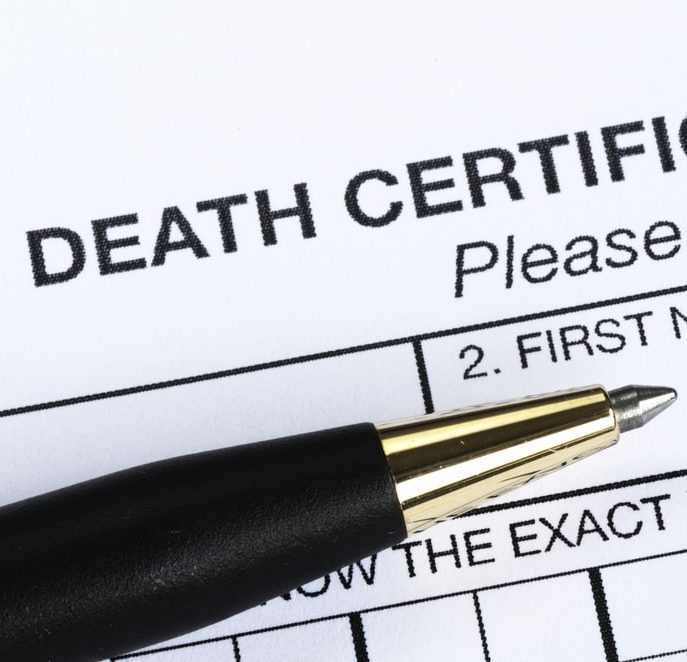
Death certificate request form with pen on top

The Beginner’s Guide to Death Certificates

By Estate Planning, Planning Tools

If you’ve recently lost a loved one, you know how overwhelming it can be. You’re grieving, but you may also be trying to take care of their affairs. As you navigate the complicated world of funeral planning, life insurance, Medicaid, and estate settlement, one item you’ll need for everything is a death certificate.

Death certificates are official documents that provide the name of the deceased, the date, time, and place of death, and the cause of death. Different states have their own requirements for death certificates, so other details may be included, like the deceased’s birth date, Social Security number, or their parents’ names. Basically, death certificates provide official confirmation of a person’s death.

While obtaining death certificates may seem like an extra hassle at a time when you’re grieving, they play a necessary role in estate settlement. Plus, they can help you and your family members accept the death of your loved one. Here are 3 things you need to know about these important documents:

Person filling out a form

1. Why You’ll Need a Death Certificate

As you work through your loved one’s affairs, you’ll likely need 5-10 copies of the death certificate. The funeral home or crematory you work with will need a death certificate to get a burial or cremation permit. You’ll also need a death certificate to claim life insurance, close accounts, and transfer ownership of any vehicles, real estate, or other property. If your spouse has died, you’ll also need a death certificate to manage their pension or Medicaid or if you plan to remarry. Some companies will accept a copy of the death certificate, but insurance agencies typically need an official certificate.

If your loved one was a veteran, you’ll also need a death certificate for the veterans’ burial benefits provided by the VA. Whether your loved one’s death was service-related or took place after they were discharged, your family will need to present the death certificate at the VA’s office when you request burial benefits.

But death certificates are more than just legal records. By officially documenting someone’s death and what caused it, death certificates can provide some closure for your family. If your loved one died unexpectedly, knowing the official cause of death can give you and your family peace of mind as you begin your grief journey.

Black awning for a funeral home

2. Who Supplies the Death Certificate

While states have different requirements about death certificate filing, funeral directors must file them within 72 hours of the death. When you speak with a funeral director after the death of your loved one, they’ll need certain information to submit the death certificate. A coroner, physician, or medical examiner will also need to sign the certificate before it’s filed to certify the cause of death.

To get copies of a death certificate, you’ll likely request them from the funeral home or your local vital records office. Some states also offer the option to request a death certificate on their website. Additionally, there are third-party websites you can use to request death certificates.

If you choose to request death certificates online, make sure to choose a reliable site. You’ll also want to make sure that you’re requesting an official copy of the death certificate. Some sites offer informational copies, unofficial certificates, or death verification letters, which aren’t official documents. If you’re unsure if a site is reliable, ask your local funeral provider or your state’s vital records office.

3. What Information You Need to Request a Death Certificate

Laws about requesting death certificates vary in different states. In many areas, only a spouse, parent, child, sibling, or legal representative can request a death certificate. To request a certificate, you’ll need to bring an ID and proof that you’re related to the deceased, like your birth certificate or your marriage license. Extended family members may be able to request a death certificate with written permission from an immediate family member.

To request the certificate, you’ll likely need the following information about the deceased:

  • Full legal name
  • Sex
  • Social Security Number
  • Date of birth
  • Date of death
  • Place of death
  • Father’s legal name
  • Mother’s maiden name

Some states may require you to provide other information, like their last known address, race, birthplace, or marital status. If you’re missing any of the above information, you may be able to request a birth certificate to find it.

As mentioned above, it’s a good idea to request 5-10 copies of the death certificate so you have plenty on hand. Pricing differs in each state, but death certificates usually cost between $5 and $25. Some states offer discounted pricing when you order more than one death certificate at a time. For example, the initial certificate may cost $20, but you only pay $5 for each additional certificate.

While navigating the world after your loved one’s death, don’t be afraid to ask for help. Your local funeral provider can be a knowledgeable source of information. You can also speak with your attorney as you navigate estate settlements and life insurance. As you begin your grief journey, don’t be afraid to accept help from those around you and to take time to process your emotions.

DISCLAIMER: Individual circumstances and state laws vary. If you have questions about obtaining a death certificate, please contact a licensed funeral professional or local vital record’s office.

4 Reasons Why You Should Update Your Will

By Estate Planning, Plan Ahead

If you’ve written your will, you’ve already gotten a great start on your estate planning! But now that you’ve created a will, don’t just put it in a drawer and forget about it. As your life changes, your will should change, too.

A good rule of thumb is to update your will every three to five years. However, if something big changes in your life, you may need to update it sooner. Here are a few times you might need to update your will:

Woman taping a packing box shut

When your life changes

When something in your life drastically changes, you should check your will and see if anything needs updating. For example, you will definitely want to make changes if a loved one mentioned in your will dies. Other life changes may prompt a review, such as a big move or a significant change in health status. You might also take a look if you start a new business or job or get a new pet.

Since a will also discusses guardianship of minors, if you have a child or gain care of anyone under 18, you should update your will to provide for them and name a guardian to care for them in your absence. Otherwise, the court will appoint a guardian with no input from you. You should also update your will if you’ve been caring for a minor who is now a legal adult.

African American man putting a ring on a woman's finger

When your relationships change

As time passes, your relationships with friends and family members will shift. Relationships change naturally as family members get married, divorced, or have children. But also consider that conflict can change your relationships with others. Every new relationship – or lost relationship – doesn’t require an update to your will. However, if there is a change with someone you’ve named as a beneficiary, guardian, executor, or any other role in your will, a change may be necessary.

You should also update your will if your own marital status changes, whether through marriage, death, or divorce. All three of those events can cause upheaval in your life, and it’s easy to forget to update your will. Once you have space to think, be sure to set aside time to review your will. This is especially important if you have a blended family. You may want to make sure that children from your previous marriage are taken care of.

Additionally, if relationships between your beneficiaries or other family members become volatile, you may want to update your will to make it more secure. If you’re worried about someone challenging your will, you could include a no-contest clause. This clause would disinherit the person if they challenge the will in court. Make sure to consult a lawyer to learn about your state’s specific laws if you’re considering a no-contest clause.

hand stacking quarters in stacks that increase in height

When your financial situation changes

Since your will lays out your wishes for your property and assets, you’ll want to update your will when your financial situation shifts dramatically. This doesn’t mean you need to readjust your will every time your net worth fluctuates. But if you experience significant gains or losses, like if you inherit a large amount of money from another family member or suffer a large financial setback, you may want to take another look at your will. A change in your assets may make you reconsider how you distribute your belongings, or you may want to set up a living trust.

Also, pay attention to any specific pieces of property you’ve named in your will. Conflict might ensue if, for example, you’ve named your daughter as the heir to your antique desk, but you later sell it or give it to your son for his new house. Keep track of any specific items you’ve mentioned and update your will as needed.

Judge banging a gavel

When laws change

Just as life changes unpredictably, laws can change that affect your will. Estate tax laws directly affect the proceeds of your will, and as other laws are passed and amended, they could also impact your will. Plus, if you move to a different state or country, laws about wills may be different. Some states ask you to use a different number of witnesses or require you to include certain statements in your will. If you’re unsure what laws affect your will, ask your attorney if there are any changes you need to make.

While the events above are great signs that you should check your will, you don’t need a big life change to update your will. It’s up to you to decide how you want your assets distributed, so you can make changes whenever you wish, as long as you are of sound mind.

As you make changes to your will, make sure to exchange your updated copies for any out-of-date versions to avoid confusion. Your new will should make any old versions invalid, but it’s a good idea to destroy any copies of your original will. If you have your will on file with your lawyer or have given copies to any family members, make sure to give them the updated version.

After you’ve updated your will, don’t forget to check your other estate planning documents! Your powers of attorney, emergency contacts, and funeral plan might need to be updated, too, so take a look at your documents and see if anything has changed.

DISCLAIMER: Individual circumstances and state laws vary. Only undertake estate planning with the help and assistance of an attorney licensed in your state.

Young couple reviewing official documents with advisor

4 Reasons to Keep Your Beneficiaries Up to Date

By Estate Planning

Wouldn’t it be great if estate planning was a “one and done” type of task? If life came without change, then it could be, but we all know change is inevitable. That’s why it’s so important to update your estate plan needs over time, too. While it may seem like a hassle, failing to update your beneficiaries can actually have long-reaching effects that you’ll want to avoid. If you’re not convinced, let’s go over 4 key reasons why keeping your beneficiaries up to date is so valuable!

Older man and woman signing documents

What is a Beneficiary?

Before we jump into the reasons why it’s so important to update your beneficiaries, let’s first review what a beneficiary actually is. To define the term, a beneficiary is the person or entity that will receive the proceeds of your accounts upon your death. You may name a beneficiary on:

It’s always good to name both a primary beneficiary and a contingent beneficiary. That way, if the primary beneficiary were to die before you, the contingent beneficiary would inherit in their place.

Now that you have an understanding of what a beneficiary is as well as what types of accounts they are associated with, let’s talk about why it’s essential to keep your beneficiary information up to date!

Young couple reviewing official documents with advisor

4 Reasons to Keep Your Beneficiaries Up to Date

Reason #1 – Your Relationships Are Going to Change Over Time

If one thing is certain, the relationships in your life are going to change. Whether you’re a young person who hopes to marry one day or you’re an older adult who may eventually face the death of a spouse, things are going to change, and most likely, your listed beneficiaries will be affected.

When you go through a major life change, like marriage, birth of a child, death of a spouse, divorce, etc., make sure you update your beneficiaries. If you don’t, your family may face unintended consequences. Let’s look at a few examples.

Marriage

If you marry and don’t add your new spouse as a beneficiary, your spouse may not inherit anything. Of course, it all depends on who your beneficiaries are. If you are a young person and have always named your parents as beneficiaries, they will hopefully make sure that your spouse is taken care of. Unfortunately, that’s not always the case, especially with estranged relationships. The best route is to update your beneficiaries to include your new spouse.

Divorce

Let’s say you marry in your twenties. You have two children and set up a life insurance policy, naming your then-spouse as beneficiary. Fast forward 20 years. You have divorced and re-married, and now, you have a child with your new partner. If you never updated your beneficiaries on your policy, your ex-spouse would inherit, leaving no proceeds for your current spouse or any of your three children. By updating your beneficiaries as needed, you can avoid this unpleasant situation. For more helpful tips on estate planning for a blended family, click here.

Deceased Beneficiary

In some cases, you may name a beneficiary who happens to die before you. If you don’t update your beneficiary to someone new, it can cause complications down the line and may require your family to go to court to straighten things out. And in some cases, you can’t untangle things, and your family won’t receive your assets.

Even after only a few examples, it’s easy to see how complications creep in quickly. By staying on top of your beneficiary updates, you can ensure that everything goes smoothly for your loved ones.

Two people reviewing official documents together

Reason #2 – Your Beneficiary Designations Supersede Your Legal Will

Did you know that the United States Supreme Court ruled that beneficiary designations supersede the provisions of a will or trust? What does that mean? It means that keeping your beneficiaries up to date is more important than ever before.

Even if you write a legal will, whoever is listed as your beneficiary on the individual accounts is the person who will inherit. So, if you write in your legal will that your spouse should inherit the proceeds of your investment account, but your parent is named as the beneficiary on the account, your parent will inherit, if they are still living. If they aren’t living, things get more complicated from there, and your spouse may need to go to court to receive any proceeds at all.

In situations where there is divorce and re-marriage, it’s essential to update beneficiary information. If you don’t, an ex-spouse may receive support you intended for a current spouse. By keeping things as current as possible, you can prevent headache and heartache for those you love.

Reason #3 – You Eliminate Confusion and Avoid Probate Court

Reflecting back on what we’ve already discussed, it’s easy to see how quickly things can get confusing with your estate plan and beneficiary selection. By keeping your beneficiaries up to date and accurate, you eliminate unnecessary confusion for your loved ones.

By matching up your beneficiary information with your legal will, you can make sure that your intentions are crystal clear. With everything clear-cut and in agreeance, your family can avoid the costly expense of probate court and receive the financial benefit of your accounts much sooner.

Older woman signing official documents while seated with spouse and advisor

Reason #4 – You Ensure Your Loved Ones’ Financial Security

Without the correct beneficiaries listed on your financial accounts, the wrong person may receive the proceeds of your hard work. To ensure that your loved ones receive everything you want them to, it’s best to stay on top of your beneficiary information. The last thing your loved ones need after your passing is to untangle your legal affairs and possibly go to court to ensure their own financial security. And even in court, they may not win because many beneficiary mistakes are irreversible.

What’s Next?

Now, it’s time to go check your accounts and make sure that your beneficiary information is accurate and up to date. Has your beneficiary moved or died? Have phone numbers changed? Are your relationships different now? Would like someone else to inherit? All of these things could trigger the need to update your beneficiary information.

While it would be great if you could do everything once and be done, life isn’t always that straightforward. Consider reviewing your beneficiary information every two – three years (or whenever you have a significant life change), so that you don’t fall into this common estate planning mistake. Instead, you will protect your family’s interests and well-being, both today and in the future.

DISCLAIMER: Individual circumstances and state laws vary. Only undertake estate planning with the help and assistance of an attorney licensed in your state. 

Skip to content