Category

Planning Tools

Funeral Celebrants: How Can They Help Your Family?

By Educational, Explore Options, Meaningful Funerals, Planning Tools

When you’re planning a final tribute for a loved one, you don’t want the last words spoken over them to be hollow, empty, or insincere. Instead, the words should be real, kind, true, and an accurate reflection of who they were as a person. A funeral celebrant can help you create a beautiful send-off that feels personal, meaningful, and genuine.

But what is a funeral celebrant, and how can they help? Let’s talk about it.

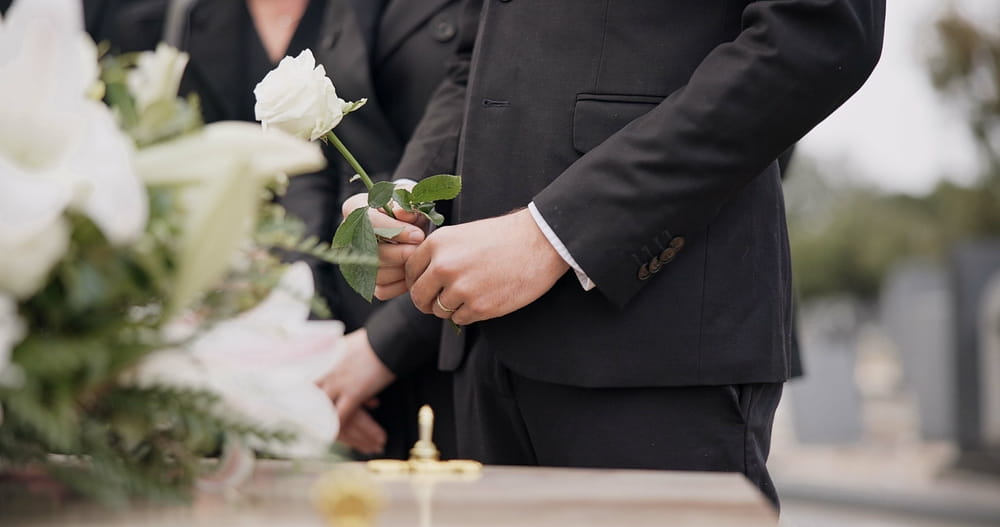
Mourner holding a white flower as they look at a wooden casket with a spray of white flowers on top

What is a Funeral Celebrant?

A funeral celebrant leads and officiates a funeral or memorial service, religious or non-religious, helping create a personalized and meaningful ceremony for the person who has died. In the United States, a funeral celebrant is often not a member of the clergy, but they can be.

Their main role is to tell a story – the story of your loved one’s life. The service is about remembrance and celebration, heartache and joy. The celebrant will work closely with you to tailor the services to meet your needs and wishes, honoring your loved one’s life and personality.

They are skilled public speakers who adapt and adjust to your family’s requests. Whether it’s a solemn occasion requiring decorum and poise or a joyous celebration calling for an inspirational and cheerful tone, a funeral celebrant can strike the right balance.

A celebrant can be particularly helpful for families who are non-religious. For those who regularly attend a place of worship, a clergy member is often available to officiate the service (if you wish), but for those who are non-religious, a funeral celebrant can fill the role.

Man in red sweater shaking hands with another man

How Can a Funeral Celebrant Help You?

While the funeral director coordinates all the service details, they don’t prepare the actual program for the event or officiate. The order of events and what’s included in the service are up to the family. This is where the celebrant can step in and become a huge help.

Here are several ways that the funeral celebrant can help you before, during, and after a loved one’s service:

  • Learn about your loved one so they can prepare personalized remarks
  • Help to plan the order of service, if you wish
  • Suggest and coordinate readingsmusicpoems, or hymns
  • Write and deliver a personalized eulogy (based on stories you shared)
  • Keep you informed, so you never feel left out or overwhelmed
  • Ensure that the program moves smoothly from one speaker to the next
  • Provide logistical and emotional support throughout the planning process
  • Keep the event on track while staying sensitive and adapting as needed
  • Provide feedback to family or friends who’d like to speak at the funeral
  • Coordinate with the funeral home staff and other service providers as needed
  • Lead the ceremony with warmth, sensitivity, and kindness
  • Conduct the graveside service, if you wish

Planning and hosting a funeral may feel overwhelming when you’re processing and grieving a loss. The celebrant can step in and act as both storyteller and organizer, ensuring that your wishes for the service come to pass with attention to detail and authenticity.

Female celebrant meeting a woman at her home to talk about the funeral

What Should I Expect When Meeting with a Celebrant?

Once you’ve decided to use a celebrant, they will contact you for a chat, either in person or via video or phone call. If you wish to meet in person, they can come to your home or you can meet at an agreed-upon location.

When you meet the celebrant, they should put you at ease right away. They will ask questions about your loved one’s life, values, and personality because they want to understand who they were. By listening to your stories and memories, the celebrant can craft their words and presentation to reflect your loved one’s life.

If you wish, the celebrant can also discuss options for the funeral service and offer suggestions to help you personalize the service even more. Throughout it all, they will provide emotional and logistical support as you make choices that are best for your family and honor your loved one’s life.

Celebrant reviewing written eulogy with grieving couple

What Questions Should I Ask the Funeral Celebrant?

While the celebrant will ask you many questions during your time together, you can also ask questions to get to know the celebrant and learn more how they work. It’s important that you work well together, and a few questions can help you determine whether your personalities and practices are compatible.

Here are a few questions you might consider asking:

  • How long have you been practicing as a funeral celebrant?
  • What is your training and experience?
  • Can you provide testimonials or references?
  • What process do you follow on the day of the funeral?
  • What do you do when something goes wrong at the funeral?
  • Do you have any specific ideas or themes in mind for the funeral service?
  • How will you help us create a service that reflects the personality of our loved one?
  • How much do you charge for your services?
  • Are you comfortable working with both religious and non-religious families?
  • Do you have experience working with families from different cultures or religions?

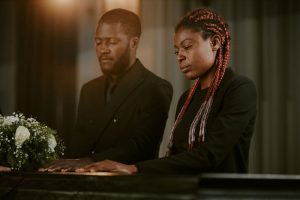
Grieving man and woman standing next to a casket, hands rested on its lid

What’s the Difference Between a Celebrant and a Funeral Director?

While the roles overlap in some duties, they are distinct and separate.

Celebrant

A celebrant serves as a storyteller, guide, writer, speaker, and master of ceremonies. They conduct religious or non-religious services, depending on the religion’s requirements. Their main role is to lead and direct any final services and ensure everything runs smoothly while you honor and remember a loved one. They do not assist with anything related to the burial or cremation (unless they are also a trained funeral director).

Funeral Director

A funeral director is trained to support grieving families by coordinating every aspect of burial or cremation, including preparation of the body, working with the cemetery, securing permits, and filing for a death certificate. They also assist with third-party services (such as florists) and with planning final services like coordinating the viewing, funeral or memorial service, or graveside service. They do not lead or conduct the final tribute or any other remembrance events.

Three list memorial candles

Do I Need a Funeral Celebrant?

You do not specifically need a celebrant, but you DO need someone to lead the service. You may ask a friend, family member, or clergy person to officiate. Celebrants are simply another option. They can be especially helpful if you don’t have a clergy person in mind or if family and friends don’t feel up to leading the service. No matter who you choose – clergy, family, friend, celebrant – always select the person who best fits your family’s needs and can meaningfully honor your loved one’s life.

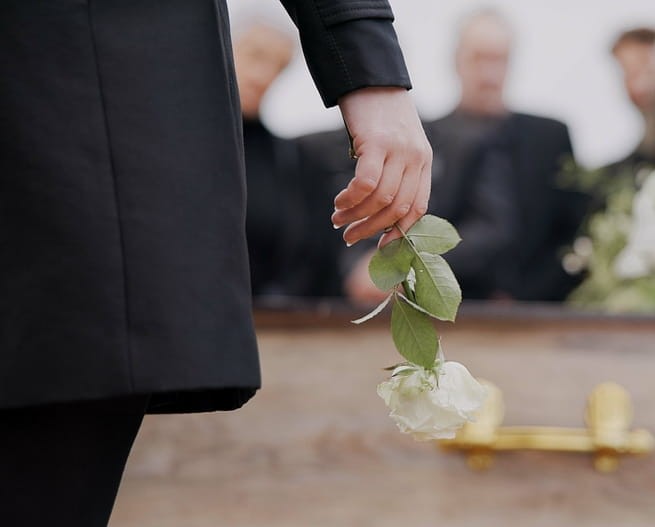
Woman in black veil placing white rose on top of casket

How Much Do Celebrants Cost?

Celebrant fees vary, but compensation or an honorarium is expected. Ask the funeral home for a recommendation or rely on the funeral director to engage a celebrant’s services on your behalf. Once a celebrant is selected, discuss fee expectations. If the celebrant is familiar to the funeral home, the funeral director can share the celebrant’s typical rates.

Hopefully, you now have a better and deeper understanding of the funeral celebrant and the value their services can bring to you and your family. If you have more questions about celebrants or would like to meet with one locally, contact your trusted funeral home. They can point you in the right direction and help you find a celebrant who will help you honor your loved one’s life in a way that feels right and good.

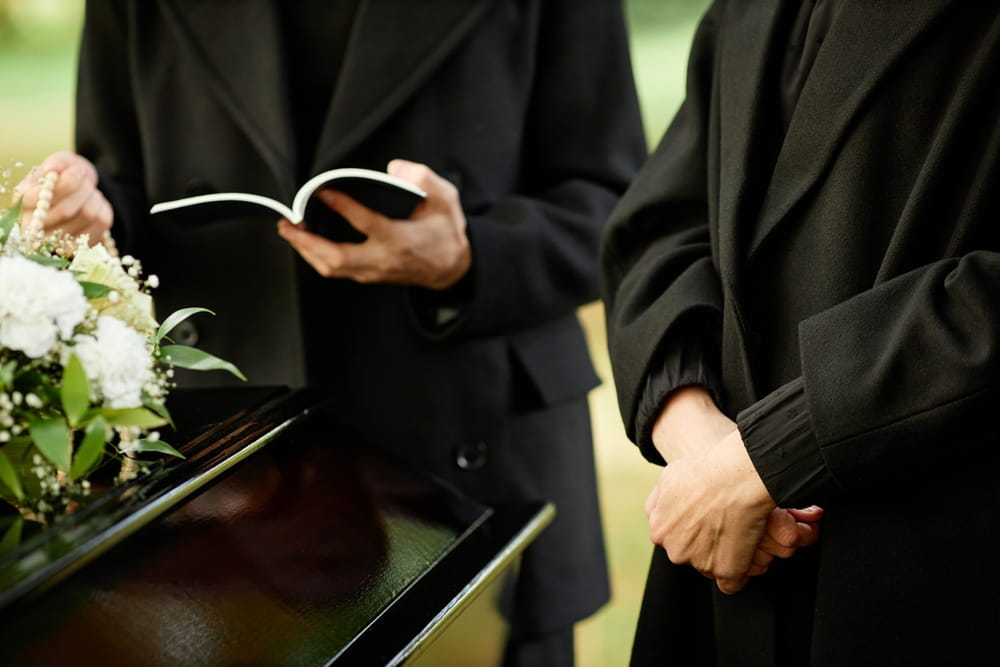
Officiant reading from book at graveside service

10 Funeral Costs That Are Often Overlooked

By Educational, Plan Ahead, Planning Tools

Every funeral is different, which means the cost can vary widely. While funeral homes provide clear pricing for their services through the General Price List, funerals often require additional services that can only be supplied by a third party. Because these items are provided by an outside entity, the pricing isn’t up to the funeral home. However, the funeral home staff know what to do and can ensure these services aren’t overlooked!

Today, let’s talk about 9 third-party funeral costs that are often overlooked but can be essential to creating a meaningful final tribute for a loved one.

Woman in black dress holding pink rose while in cemetery

1. Cemetery and Monument Charges

Whether you choose burial or cremation, you will likely need to consider cemetery costs in your plans. Cemetery charges would include the cost of a burial plot or a niche in a columbarium or mausoleum, plus any fees associated with opening and closing the grave.

Also, consider the cost of a grave marker or monument, along with a monument installation fee. Cemetery proprietors and monument companies determine these fees because many funeral homes do not own a cemetery or monument company themselves.

If you don’t already have a plan in place for cemetery needs, your funeral director can provide a recommendation or discuss your local cemetery options.

Top of official death certificate document with black pen

2. Death Certificates

Most people don’t realize how many death certificates they will need. As a rule of thumb, purchase multiple copies – more than you think you will need. Copies of a death certificate are typically requested as proof of death for life insurance policies, social security or veterans’ benefits, stocks, bonds, and banks, to name a few.

The state or municipality determine the cost of a death certificate, and that amount can change over time. While death certificates are typically inexpensive, you can make the process a bit easier by relying on the funeral home to complete all the paperwork and request certificates on your behalf. Just let your funeral director know how many you want.

Man with coffee mug reading newspaper

3. Obituary/Death Notice

Many people are surprised at the cost associated with publishing an obituary or death notice in a newspaper, especially in a larger city. In most cases, the funeral home will publish an obituary to the funeral home’s website at no cost, but if you wish to post it elsewhere, the fee may be higher than you expect. If there’s a particular place you’d like to publish the obituary, let your director know so you can discuss any fees or requirements.

4. Church or Venue Charges

If you choose to have a funeral or memorial service outside the funeral home’s facility, the venue you choose may charge a fee to use the space. Your funeral director will help you coordinate and discuss any rental fees for the location you’ve selected. Choosing a special location can add a beautiful touch to the ceremony and may be just the right way to honor your loved one’s life.

Three people resting hands softly on casket with white flower spray

5. Flowers

Depending on the time of year, the cost of flowers will fluctuate. Unfortunately, this makes it hard to pin down the actual cost. While most funeral homes don’t have their own florists, they do have positive working relationships with local businesses. If you’d like, the funeral home can purchase floral arrangements on your behalf. You can work with your funeral director to set a budget and discuss which types of flowers you prefer.

6. Live Music

Music is a very personal and touching way to create a one-of-a-kind tribute. If you elect to have live music, it is likely that an honorarium (monetary token of appreciation) will be necessary. Most of the time, the musician or group you choose to hire will determine the honorarium amount. If you don’t already have a musician in mind, you can ask your funeral director for recommendations.

Officiant reading from book at graveside service

7. Officiant Honorarium

It’s common practice to have an officiant at the funeral, who will act as host for the service and ensure that events move along smoothly. It is customary to offer this person an honorarium for their time and effort.

In many cases, the officiant will be a clergy person or a celebrant. A celebrant is a non-clergy person who has trained to eulogize and coordinate funeral services. However, anyone can do it. If you have a friend who is willing to officiate for free, you can do that.

No matter whom you choose, discuss that person’s fee expectations before you hire them.

Focus on two pallbearers carrying front of wooden casket with white flower spray resting on lid

8. Pallbearers

In many cases, pallbearers are family members and friends. However, for some, it is difficult to identify six to eight pallbearers. If you require assistance, the funeral home can help by hiring the extra hands needed. This service will come with a small fee for each hired pallbearer, which your funeral director will discuss with you before anyone is employed.

9. Police Escort

In many states, it is common practice to request a police escort for the funeral procession to the final resting place. With an escort, the funeral procession can move through traffic in an orderly way and without traffic delays. The cost for this service is determined by the local police department, and your funeral director is likely to already know the cost (if any).

Urn sitting on table with red rose floral arrangement

10. Catering

And finally, if you choose to have a reception following the service, don’t forget to count the cost of catering. Whether you decide to serve refreshments or a full meal, pricing will be subject to whatever catering service or restaurant you select. You can, of course, make any food yourself (or go potluck style), but catering can make a stressful time a bit easier. If you aren’t sure how to proceed with catering, your funeral director can help you get everything ordered and set up.

While not all-inclusive, you now have a better understanding of these 9 often overlooked funeral costs. Thankfully, you have an advocate and a guide in your trusted funeral director. They can help you navigate through the funeral planning process from beginning to end.

Whether you are planning ahead for your own funeral wishes or creating a meaningful final tribute for a loved one, your funeral director will sit down with you to discuss all the options, ensuring that nothing is forgotten or left unconsidered.

11 Meaningful Ways to Honor Your Loved One’s Ashes

By Cremation, Memorial, Plan Ahead, Planning Tools

Have you considered how to honor a loved one’s ashes after their passing? In today’s world, there are so many options available, and you’re sure to find one that perfectly matches your loved one’s preferences and personality. To help you get started with choosing the best option, let’s discuss 11 meaningful ways that you can honor a loved one’s cremated remains. With the information gained, you can thoughtfully decide what’s best for your family’s specific needs.

Copper urn sitting on a table, nestled in white roses and red flowers

1. Burial

Did you know that you can bury an urn? Just like a casket, you can hold a graveside service and bury an urn in a cemetery of your choosing. Additionally, many cemeteries allow you to bury an urn alongside a casket, in case two loved ones had differing burial preferences. If you wish, you can also look for a cemetery with an urn garden, where there’s a dedicated and landscaped area for urn fountains and benches.

2. Columbarium

An above-ground structure, the columbarium exclusively houses cremated remains. The columbarium is filled with niches (wall spaces) where urns are placed and interred. A bronze plaque with an epitaph will be placed on the exterior of the niche to mark a loved one’s final resting place. This is perhaps the most familiar option for cremation, aside from scattering.

Person releasing ashes against a rainbow sky

3. Scattering

Scattering is the act of taking a loved one’s ashes to meaningful places and scattering them. This could be by the ocean, in the mountains, at a special place, or near home. Alternatively, you could opt for a scattering garden, which is a designated space often attached to a cemetery. Regardless of where you choose to scatter your loved one’s ashes, always review local laws and regulations first.

4. Keep the Ashes at Home

More people are starting to keep the cremated remains of a loved one at home. This option is definitely viable, but make sure you indicate in your will what to do with the ashes after your passing. Whoever handles your estate may not know about your loved one’s urn and could dispose of it unknowingly. So, if you do keep a loved one’s ashes in your home, make sure you communicate a plan for their care after you are gone.


A golden locket with an engraved flower design

5. Memorial Jewelry

Another popular option is to place a small amount of a loved one’s ashes in memorial jewelry. The jewelry design often includes a small interior space (like a locket) where the ashes are placed. You can choose from various styles, metals, and types (e.g. necklaces, rings, pendants, etc.). Selecting this option allows you to take a small part of your loved one with you, no matter where you go.


6. Under the Sea

For a loved one who adored the ocean, there are now options available at sea. For example, you can place an urn in an underwater mausoleum. Or you can create an artificial coral reef with a loved one’s ashes that will assist in the repair and conservation of natural coral reefs. As a memorial to your loved one, consider affixing a plaque to the artificial reef. Also, in many cases, it’s possible to be present as the reef is placed in the ocean.

Two people work together to plant a young tree in dark soil

7. Plant the Ashes

With the proper treatment, it is now possible to plant a memorial tree with a loved one’s ashes. With this option, you will place a special, biodegradable urn in the ground. The top section of the urn contains seeds and soil, while the bottom holds the treated ashes (making them safe for plants). Once the roots grow deep enough, they will mingle with the ashes. Speak with a trusted funeral director to learn more about this option.

8. Launch into Space

Interestingly enough, you can send a person’s ashes into space. If your loved one adored space and all its mysteries or was always looking for the next big adventure, you might consider this option. Of course, there will be regulations and stipulations to follow, but it is an option available to you.

A blue, glass pumpkin held in hands made from stone

9. Stained Glass or Hand-Blown Glass Keepsakes

Another possibility is to have the ashes of a loved one infused with glass to create beautiful pendants, paperweights, orbs, hourglasses, and other glassware. During the creation process, layers of hot glass encase the ashes. The process fuses the two (glass and ashes) together permanently. As with memorial jewelry, this option requires only a small portion of the ashes.

10. Press into a Diamond

A growing trend is to forge a loved one’s ashes into diamonds, which are made of crystallized carbon. This is possible because the second most abundant element in the human body is carbon. After the diamond-making process is complete, the family can design memorial jewelry or other items of significance to remember someone loved.

White stones used in home landscaping

11. Memorial Stones

With memorial stones, the cremated remains are compressed into a collection of 40-80+ stones. Each stone possesses its own unique color, texture, and shape. To create the stones, the ashes are mixed with a clay-like material, shaped into stones, and then fired in a kiln. The finished stones can be placed in a garden, given to individual family members, taken to mountain peaks, or whatever else would be meaningful for your family.

As you can see, there are many ways to honor the cremated body of someone dearly loved. The most important thing is to determine which will be the most meaningful for you and your family. And keep in mind that these are only some of the options. There may be something else out there just right for you!

Root system of moss-covered tree in a forest

An FAQ Guide to Natural Organic Reduction

By Educational, Explore Options, Planning Tools

Have you ever heard of natural organic reduction? If you haven’t, don’t worry! Today, we’re going to discuss some frequently asked questions about this new service option, so that you can be informed when making end-of-life decisions. Let’s get started!

Root system of moss-covered tree in a forest

What is natural organic reduction?

Natural organic reduction is the process of transforming human remains into nutrient-rich soil through controlled natural decomposition. Washington State was the first to legalize natural organic reduction, and other states have followed suit since then. Both gentle and sustainable, natural organic reduction is considered a “green” funeral option and has become an eco-friendly alternative to classic burial and cremation.

Does natural organic reduction go by any other names?

Yes, you may come across several names as you research this service option. In addition to natural organic reduction, you may find it called human composting, soil transformation, recomposting, recomposition, and terramation.

Dirt walking path through a forest of trees with blue sky above

How does the natural organic reduction process work?

Typically, the process occurs in phases and can take 8 to 12 weeks to complete. The body is laid in a specially designed vessel and surrounded by wood chips, alfalfa, and straw. Over the next several weeks, microbes created by these natural materials will accelerate the decomposition process and break down the body, resulting in nutrient-dense soil. There will then be a curing period of three to five weeks before the soil is returned to the family.

Is natural organic reduction more eco-friendly than other traditional options?

Research has found that natural organic reduction uses 87% less energy than traditional burial or cremation. Additionally, the soil created through the natural organic reduction process can nurture the ecosystem by filtering water, providing nutrients for plants, and releasing carbon in a way that is less harmful to the environment.

New green growth of a plant in dark soil

Can I have a funeral service with natural organic reduction?

Yes, you can have a service! There are several options, and the funeral home staff can review them with you. Most commonly, you can:

  1. Have a service before the natural organic reduction process has begun,
  2. Have a memorial service (no body present) at any time, or
  3. Wait until the soil has been returned to you and host a scattering/tree planting service, memorial service, or whatever kind of gathering you prefer.

No matter what you choose, personalizing the final tribute is a meaningful way to celebrate and honor the essence of your loved one’s life and legacy.

Is there anyone who isn’t eligible for natural organic reduction?

Body size and weight do not matter, but there are a few things that will disqualify a person from being eligible for natural organic reduction.

  1. The natural organic reduction process destroys most harmful pathogens. However, there are three rare diseases that disqualify a body: Ebola, prion diseases such as Creutzfeldt-Jakob Disease, and active tuberculosis.
  2. For patients who have received radiation seed implants, the seeds must be removed, and 30 days must pass before they are eligible for natural organic reduction.
  3. Embalming disqualifies a body for natural organic reduction, so any bodies donated to science are ineligible. However, you can be an organ donor and still choose natural organic reduction.

Person planting new plant shoots in dark soil

What happens to bones, teeth, and implants during the process?

Bones and teeth: Because of their mineral composition, bones and teeth do not fully break down during the natural organic reduction process. However, once the soil is ready, the bones and teeth are removed and then ground into a fine powder. The bone powder (ashes) is then added back to soil and will further enrich its nutrient-density.

Implants, artificial limbs, and tooth fillings: Once the process is complete, the soil is screened for non-organics like implants, artificial limbs, and tooth fillings. When possible, these items are recycled.

Pacemakers: If a pacemaker is present, it will be removed before the natural organic reduction process begins.

How much soil does that natural organic reduction process create?

The amount of soil created really depends on the size of the person and how much plant material (wood chips, alfalfa, straw) was used during the natural organic reduction process. After choosing a service provider, you can ask how much soil their specific process creates.

Garden bed with spade, work clothes, and small, red flower

What can you do with soil created by natural organic reduction?

Once the soil is returned to your family, you can use it to create a garden, plant a memorial tree, scatter it in a natural environment, or whatever else you’d prefer. You can place the soil on private property with permission from the owner. However, with public spaces or conservation areas, check local guidelines and ordinances first.

Alternatively, many service providers also partner with at least one non-profit land conservation organization. Rather than take the soil home, you can donate it to a land conservation project, and it will be used to restore forests and revitalize protected areas.

Can the soil be shipped?

Yes, shipping to most locations in the United States is available. However, due to the variety of regulations involved, international shipping is generally not available. To get specific information, speak with your chosen funeral home about shipping costs and regulations.

Forest floor with tree trunks, ferns, moss, and dried, brown leaves

Can I have a grave marker if I choose natural organic reduction?

Typically, families choose to scatter or bury the soil, use it in gardening, or donate it to a conservation partner to help nourish the land. If you wish to commission a grave marker, you certainly can. However, keep in mind that there likely won’t be a traditional gravesite where you can place a grave marker. You will need to be creative with your placement or opt for a plaque or memorial stone instead.

How does the cost of natural organic reduction compare to other funeral options?

Pricing generally depends on the provider you use and the state you live in. However, many providers are actively keeping the cost comparable to burial and cremation.

Mature woman biking through green forest

Where is natural organic reduction legal?

As of February 2026, natural organic reduction is legal in 14 states: Arizona, California, Colorado, Delaware, Georgia, Maine, Maryland, Minnesota, Nevada, New Jersey, New York, Oregon, Vermont, and Washington. More states are likely to approve this final disposition option in the years to come, so speak with a trusted funeral professional if your state is not listed.

Can you preplan with natural organic reduction?

Absolutely! The only difference is that you should look for a funeral home that offers natural organic reduction as part of their service offerings. If you do that, then the funeral planning process will be seamless for you and your family.

Hopefully, you now feel more informed about natural organic reduction! If you’d like more information, reach out to a trusted local funeral home. Even if they don’t offer natural organic reduction themselves, they can point you in the right direction.

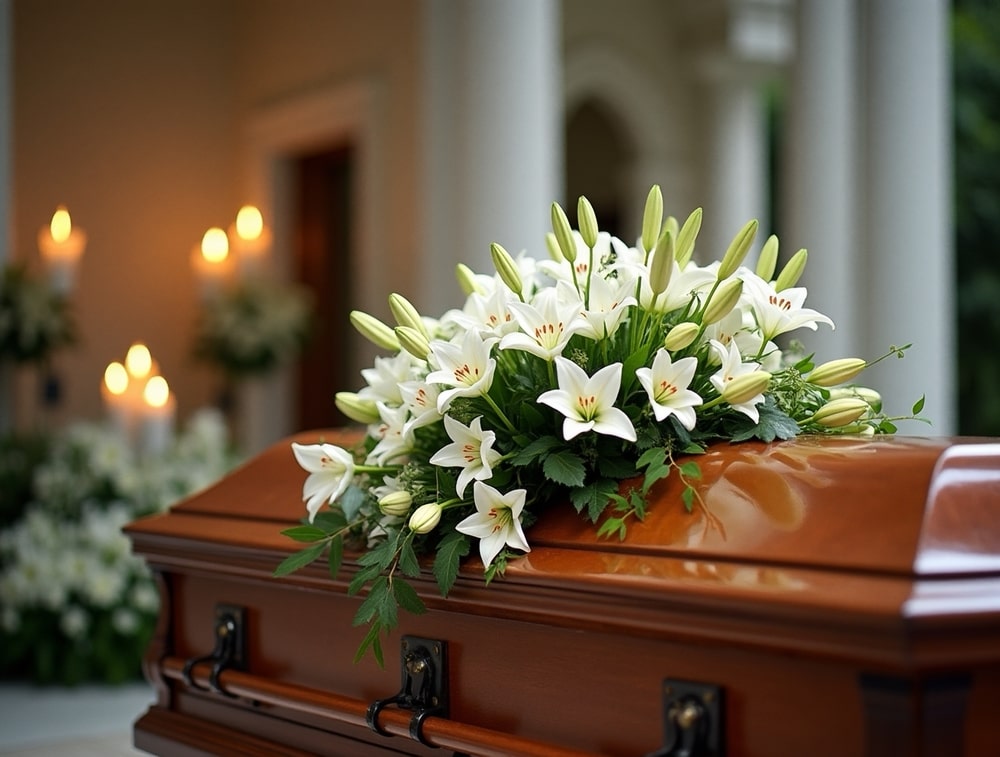
Casket spray of white lilies resting on top of wooden casket

7 Elements of a Healing and Meaningful Funeral

By Meaningful Funerals, Planning Tools

“People who take the time and make the effort to create meaningful funeral arrangements when someone loved dies often end up making new arrangements in their own lives. They remember and reconnect with what is most meaningful to them in life…strengthen bonds with family members and friends. They emerge changed, more authentic and purposeful. The best funerals remind us how we should live.” – Dr. Alan Wolfelt

Casket spray of white lilies resting on top of wooden casket

In order for a funeral service to be a healing and meaningful experience, there are 7 tried and true elements that you should consider incorporating. Dr. Wolfelt, nationally respected grief counselor and educator, tells us that these 7 elements are necessary to facilitate the 6 needs that a funeral fulfills:

  1. Acknowledging the reality of the death
  2. Embracing the pain of the loss
  3. Remembering the person who died
  4. Developing a new self-identity
  5. Searching for meaning
  6. Receiving ongoing support from others

And what are the 7 elements? They are music, readings, a viewing/visitation or reception, a eulogy, symbols, a gathering, and actions. If you are planning a funeral, whether because someone you love has died or you are making advance funeral plans, give thoughtful consideration to how you can implement these healing and meaningful elements. Let’s look at each one in a little more detail!

Pink and yellow flowers resting on a piano keys

1. Music

Music sets the tone of a funeral and brings emotions to the forefront. In fact, one of the purposes of a funeral is to allow mourners to grieve together, and in many ways, music says what words cannot. So, don’t be afraid to invite people to express grief. Select music that will remind mourners of the person who has died and allow everyone to pay tribute to that special person’s life and legacy in a meaningful way.

Why Include Special Music in a Funeral Ceremony?

How to Personalize Music at a Funeral

Setting the Tone for a Service: A Collection of Funeral Songs

A red rose resting on open book pages

2. Readings

Readings add another facet to a meaningful service. They are another way to not only invite mourners to express their emotions, but readings can also highlight the unique spirit of the one who has died. Did they have a favorite book? Poem? Were they a person of faith who would want passages read? Use these preferences to create a one-of-a-kind tribute.

How do Readings Enhance the Funeral Experience?

How to Personalize Readings at a Funeral

10 Literary Readings for Any Type of Funeral

Top 10 Poems for a Funeral Ceremony

Two women comforting each other at a visitation as they stand next to a casket

3. Viewing, Visitation, and/or Reception

The viewing, visitation, or reception is a time for family, friends, coworkers, and neighbors to gather and express support and sympathy. If it is decided to have a viewing with the loved one’s body present, it provides an opportunity for mourners to see that special person one more time. No matter which type of event you choose to incorporate, you can personalize the space to tell your loved one’s story through pictures, cherished items, and more.

Viewing vs. Visitation: What’s the Difference?

How to Personalize the Visitation at a Funeral

3 Reasons to Have a Visitation

Young man in a suit holding a microphone in his hands

4. Eulogy

The eulogy may be the single most important aspect of a funeral service. It is the time to acknowledge and affirm the significance of the life lived. It is the moment when friends and family tell the story of a person’s life and reflect on what they love and will miss. With that in mind, share treasured memories, quotes, or even the lost loved one’s favorite jokes. The eulogy, sometimes called the “remembrance” or the “homily,” can be delivered by a clergy person, a family member, or even by a series of people.

8 Tips for Crafting a Eulogy

11 Mistakes to Avoid When Writing a Eulogy

5 Public Speaking Tips for Delivering a Eulogy

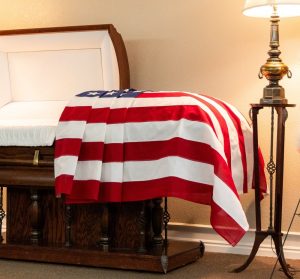
A casket draped with an American flag at the viewing

5. Symbols

Symbols offer a focus point for the bereaved as well as a sense of comfort. A few common examples are religious symbols (like a cross or Star of David), funeral flowers, and lit candles. In addition to these examples, you could also choose a symbol that is unique to the person who has died. If they were a sports fan, drape their favorite jersey over the casket or urn. For a quilter, you can display quilts, or for a veteran, you can use the American flag. Simply choose symbols that make sense for your loved one’s unique life.

The Importance of Symbols

How to Personalize Symbols at a Funeral

A gathering around a buffet meal with several guests

6. Gathering

The gathering is an opportunity for friends and family to come together after the funeral service to share stories and to support each other. During the grief journey, it’s essential to talk about your grief and share the stories on your heart. By including a gathering, you give mourners dedicated time and space to do so. The gathering can be as simple or elaborate as you wish. It’s simply about taking time to talk and to honor the life of the person you all love.

What is the Purpose of a Gathering?

How to Personalize the Gathering at a Funeral

Focus on hand holding a lit memorial candle

7. Actions

And finally, actions invite mourners to put their grief into motion. What does that mean? In order to facilitate the healing process, it’s important to channel grief into healing actions. At the funeral, this could mean inviting guests to light a candle, take part in the eulogy, or lay a flower on the casket. It could also mean acting as a pallbearer, bringing a potluck dish for the reception, or sitting quietly with the casket to say final goodbyes.

How Do Actions Help Us Heal?

How to Personalize Healing Actions at a Funeral

5 Meaningful Actions to Personalize a Funeral

As you plan a loved one’s final farewell, consider using these 7 elements to create a personalized tribute. By incorporating each one, you will create a sweet, meaningful, and healing experience. Those who come to mourn will leave feeling like they have truly honored the life lived and taken the first healthy step on their grief journey.

Man and woman greeting each other with a handshake in a professional setting

What to Expect at a Funeral Arrangement Conference

By Plan Ahead, Planning Tools

None of us are ever truly prepared to lose someone we love. Whether the loss comes suddenly or has been long expected, numbness and shock are common in the first two days, which is usually when the funeral arrangements are made. To help ease the burden you may feel so soon after a loss, it’s helpful to know what to expect when you head into an arrangement conference. Preparing ahead of time will help ease your mind and prepare your thoughts.

Mature couple sitting down with funeral professional, signing papers

What is an Arrangement Conference?

An arrangement conference is a time specifically set aside to meet with a funeral director and discuss final disposition and the details of a meaningful tribute. Additionally, it’s an opportunity for the funeral director to get to know you better and learn how to best honor your loved one.

Dr. Alan Wolfelt, a nationally respected grief author and counselor, says that the funeral ritual is incredibly important for our individual grief journeys. He says, “Rich in history and rife with symbolism, the funeral ceremony helps us acknowledge the reality of the death, gives testimony to the life of the deceased, encourages the expression of grief in a way consistent with the culture’s values, provides support to mourners, allows for the embracing of faith and beliefs about life and death, and offers continuity and hope for the living.

With this goal in mind, the arrangement conference gives you and the funeral director time to create a meaningful and healing funeral service. Most arrangement conferences take place in the funeral home, but if you are traveling from a long distance or can’t make it to the funeral home in person, you may also be able to work with your funeral director over the phone and via text, email, or other digital options.

Man and woman greeting each other with a handshake in a professional setting

What are the Main Objectives?

There are three main objectives for your time with the funeral director during the arrangement conference.

  1. Gather the vital information of the person who died (full name, SSN, birthdate, etc.), which the funeral director will then use on your behalf to request death certificates and file for veterans’ burial benefits (if applicable) and life insurance claims.
  2. Make your wishes known about how you want to remember and honor your lost loved one.
  3. Select the most fitting funeral, cremation, and burial options.

Typically, the conference takes 2-3 hours on the day of or the day after a death. The funeral director will guide you through the available funeral service and memorial options, music selections, coordination with a church and cemetery (or other desired location for the service), and much more.

Post-it notes with questions written on them

What Questions Should You Consider in Advance?

The funeral director is your partner and your guide throughout the funeral planning process. They have the experience and the knowledge needed to help you make informed decisions. Even though you will get thorough explanations from the funeral director, it’s a good idea to come to the arrangement conference having considered a few key questions:

  • Where and when should the services be held?
  • Do you want to publish an obituary? If you do, who will write it? Where will you publish it?
  • In lieu of flowers, do you want to offer charitable contributions as an option for sympathy gifts?
  • Have you chosen a cemetery or other final resting place?
  • Do you need assistance with selecting a monument or grave marker?
  • What kind of funeral service is most appropriate? Simple? Elaborate? Public? Private? Religious?
  • What would you consider to be the best way to honor and memorialize your lost loved one?
  • Should there be a viewing, visitation, funeral service, or committal service?
  • If there is a service, who will participate? Musicians, speakers, pallbearers?
  • Do you want floral arrangements present, and if so, what kind?
  • Will the final disposition be burial, cremation, or another type of interment?
  • Will the body be present at the funeral or memorial service?
  • If applicable, open or closed casket?
  • Do you know someone who will act as officiant, or will you need the funeral home’s assistance in finding one?

What Should You Bring?

The more information you bring, the smoother the meeting will be (and the less documentation you will need to bring back later). To help you prepare, print and review this Funeral Arrangement Conference Checklist. The list is fairly comprehensive and gives you an excellent place to start. However, please note that the funeral home may ask you for something not included.

Additionally, the funeral home might also reach out to you before the arrangement conference to start planning digitally. Completing some information ahead of time means that the focus of the in-person meeting can be about planning a meaningful, personalized service for your loved one.

Couple sitting at home and deciding what plans to make for a funeral

Some Final Tips

First of all, prepare as much as you can ahead of time. You can gather necessary documents, clothing and personal items, details for the obituary, and photos to be used in the service ahead of time.

Secondly, don’t feel rushed during the conference. Remember, the funeral director is there to help you with all your needs and is ready to serve you fully.

Thirdly, ask as many questions as you need. As you plan a tribute for your loved one, the funeral director is there to be a knowledgeable and available partner in a difficult situation. Make use of their experience and ask as many questions as you want.

Finally, take notes. You will receive a lot of information during the arrangement conference, and it’s unlikely you will be able to remember it all. Take a notepad (or a friend) with you and make sure to write things down.

Hopefully, you now feel a little more prepared for an arrangement conference and can go into the meeting with confidence!

Couple talking with funeral professional

One Last Thought

After planning a funeral for a loved one, you know how hard it can be. Instead, here’s a pro tip: If you’d like to make the planning process easier for your own family in the future, consider the benefits of preplanning. With a prearranged funeral plan already in place, your family won’t have to answer dozens of questions while under a cloud of stress and grief. Instead, with your wishes in hand, the arrangement conference will go very smoothly. Often, the only question left to answer is the date and time for the service to be held!

To learn more about funeral preplanning, check out these resources:

Tiles with happy and sad faces printed on them resting on a table with a person's hand splitting them apart

Funerals and Family Discord: What Can You Do?

By Grief/Loss, Planning Tools

Funerals can be difficult. Emotions tend to live closer to the surface. Then, add the struggles and intricacies associated with relationships to the emotional pot. Dealing with family discord or difficult people at an already challenging time is taxing. If you’ve lost someone you love, you are already feeling a wide range of emotions, and you may not feel you have energy left to deal with difficult people or situations.

Family discord or interactions with difficult people can happen at any stage of the funeral process. It may be that you and a sibling disagree on the best way to honor your parent’s life. Or perhaps someone you have intentionally avoided will be coming to the funeral service. No matter the details of your particular situation, you may feel your stress levels rising when you think about the funeral. If this resonates with you, take a moment to review some thoughts on how to navigate these tricky moments.

Tiles with happy and sad faces printed on them resting on a table with a person's hand splitting them apart

1. Be aware of your emotions

Our emotions are a gift, but they are also our responsibility. They tell us how we feel, but they do not always reflect the truth about a situation. We need to examine whether our feelings are based on faulty assumptions or real facts.

As you deal with family discord or difficult people, try to be mindful of your emotions and what they are telling you. But more importantly, ask yourself, “Are my emotions a reflection of reality or a result of my potentially faulty conclusions?” In other words, are you thinking clearly or through an emotionally-blurred lens? It’s important to answer these questions before taking the offensive against family members during a very emotional time.

Remember – you control your emotions; they do not control you.

Two people shaking hands after a compromise

2. Find ways to compromise

Compromise is a highly successful way to navigate discord, so be on the lookout for areas where you can give and take. In some cases, family members may disagree about funeral arrangements for a lost loved one. Some may prefer cremation while others may prefer burial. And if cremation is chosen, what happens to the ashes? Who decides?

These types of family disagreements are one reason why it’s so important to plan ahead for funeral arrangements. If a loved one provides an outline of their wishes, survivors don’t have to stress over what to do. They can have confidence in what their lost loved one wanted. But in the absence of a plan, find ways to compromise so that everyone gets a little of what they want.

And if you’re attending a funeral where you will see a certain family member you’ve been avoiding, remember what the service is all about. It’s about honoring and saying goodbye to the person who has died. Whether or not there is a possibility to repair the strained relationship with the living person, try to set aside your differences until after services are complete.

Woman in blue shirt sitting on home and talking on the phone

3. Choose your words thoughtfully

It’s always good practice to weigh your words in every situation, especially during a time of loss. Those who speak out of anger or pain are usually in a reactive state and may say something hurtful that they later regret. If tension is rising with family members, words spoken in anger will only make things worse.

Instead, work to stand up for yourself and express your opinion without attacking the position of others. Try to really listen to what others are saying and see things from their perspective before responding. Start your statements with “I feel” or “I think” rather than “You always do this” or “You make me so mad!” Using “I” instead of “You” statements will help you take responsibility for your emotions without accusing others and putting them on the defensive, which could escalate an already tense situation.

Man laying on couch and listening to music to relax

4. Discover what helps you cope with stress

Next, take time to understand your own needs.

We should always try to learn more about our own motivations and those of other people, seeking to understand why we and others act or react in certain ways. What calms you down? What is your outlet or release? For some, it’s painting or writing, working out, being alone for a while, or spending time with specific people who bring life and comfort.

As you approach a situation that may be difficult, do what you need to do beforehand to bring your stress levels down. Think about appropriate ways to express your grief, your anger, your frustration, or whatever feeling is rising up in you. Don’t bottle it up; channel it appropriately. If you do feel the need to express your emotions vocally, go to a room by yourself (or with a safe person) and scream or cry if you need to.

Focus on hand holding a compass pointed at a high road outdoors

5. Try to take the higher road

When dealing with a difficult person, the last thing you may want is to be “nice.” If you and a sibling are arguing over a parent’s final wishes for the funeral service, you are likely more irritated than kindhearted at the moment. But that’s why it’s so important to look for a way to be kind.

As you seek ways to be gracious to those who are difficult, rude, or discourteous, you may even change the direction of the conversation. Even if they don’t respond to you in kindness, you can look back at the funeral and say, “I did my best in a difficult situation.”

In life, conflict is unavoidable. How we respond and deal with it is what truly matters. If you are looking for a way to avoid future family discord or an uncomfortable situation at a funeral, one option is to talk with your elderly, living relatives about making advance funeral arrangements. Putting a plan in place provides a valuable opportunity for families to get on the same page regarding future events and prevent as much disagreement as possible.

Person sitting down and looking at online review on a smartphone

Top 10 Characteristics to Look for in a Funeral Home

By Explore Options, Planning Tools

While losing a loved one is not something any of us want to think about, there is value in thinking ahead and being prepared for the future. Whether you want to complete advance funeral arrangements or are in the midst of planning a loved one’s funeral right now, it’s important to choose the funeral home that works best for you.

Unfortunately, funeral homes are not created equal. As you select a funeral home to meet your planning needs, consider looking for these 10 characteristics.

Person sitting down and looking at online review on a smartphone

1. Possesses a Good Reputation

You probably know of a place (whether it be a restaurant, retail store, or funeral home) that has a bad reputation. What do you instinctively do when you know a place has a bad reputation? You avoid it. You read online reviews, listen to other people’s stories, and value your own experience.

Particularly when selecting a funeral home, find a trusted establishment that maintains a good reputation so you can be confident in the care and service you will receive. Ask your friends for recommendations or read online reviews of the funeral homes in your area.

Professional resting caring hand on shoulder of grieving person

2. Employs Caring and Compassionate Staff

At any business, you should expect to be treated with kindness. However, this attitude should be especially true of funeral home staff, who should exhibit excellent customer service and authentic sincerity. If they don’t, you know there’s a problem.

Another way to determine whether a funeral home cares is to see how involved they are in the community. Alternatively, make a short list of funeral homes you are considering and give them a call. Just one conversation can tell you a lot about their service and care.

Stacked hands representing community

3. Communicates a Commitment to Families

No matter which funeral home you choose, you should have confidence in their commitment to you. If a funeral home has a good reputation and employs kind and caring staff, then they’re also likely to show great commitment to the families they serve.

However, it is still good practice to read a funeral home’s mission statement and history. These two pieces of information can give you a better understanding of a funeral home’s values and commitments. You and your family should be at the top of the list!

White flowers resting on dark wood casket

4. Expresses a Desire to Create a Meaningful Experience

Renowned grief counselor, author, and educator, Dr. Alan Wolfelt, says, “What is essential [when planning a funeral] is the life that was lived and the impact that life had on family and friends. To honor that unique life, the funeral must also be unique. Over and over families tell me that the best funerals are those that are personalized.

As you consider a funeral home, ask yourself, “Will this funeral home help me create a service unique to my needs and values?” Personalized funerals are on the rise, and a good funeral home will work with you to create a meaningful and healing experience. The funeral director should listen carefully to your needs, answer your questions, and offer suggestions for creating a personalized final goodbye.

GPS showing on smartphone on car's dashboard

5. Offers a Good Location and Services

As you look for a funeral home to partner with, take your specific needs into account. For many, a convenient location is essential. When planning a funeral, you will be in frequent contact with the funeral home and easy access will be helpful for your preparations.

In addition to having a good location, evaluate the facility and services. Is the building clean and well-kept? Do they have room for a visitation, viewing, or reception (if your plans require such spaces)? Is the facility flexible, allowing you to adjust it to meet your specific needs?

Regarding services, does the funeral home offer what you need? Do they provide burial and cremation options? Do they coordinate graveside services or offer eco-friendly selections? No matter what your wishes are, only commit to a funeral home that can accomplish them.

Man holding white rosary beads in his hand

6. Accommodates Religious or Cultural Needs

Another thing to consider is whether the funeral home can accommodate your religious or cultural needs. For some people, their origins and beliefs make up the fabric of who they are. It’s important that these core values are evident in the funeral or memorial service.

No two people are the same, and because of that individual uniqueness, no two funerals should be the same either. The funeral home you choose should be willing to help you express any religious or cultural beliefs you hold dear.

Blocks that says "pricing" on white background

7. Values Transparency about Costs and Descriptions

Everyone values a clearly stated fee structure. With that in mind, partner with a funeral home that practices openness and transparency.

When you contact the funeral home, ask for the General Price List, which includes an itemized list of all services and merchandise. Every funeral home is required by the Federal Trade Commission to have this document updated and readily available for anyone who wishes to see it. With the Price List in hand, you can determine what’s best for your budget – no surprises!

And if you have questions about pricing or manufacturing, the staff should be willing to quickly and thoroughly answer your questions.

Young woman looking sadly out a window

8. Offers Grief Resources

An important question to ask yourself is, “Does this funeral home provide services beyond the funeral itself?” A good funeral home will be there for you even after the funeral is over.

Look for an establishment that offers grief counseling services, post-funeral newsletters and education, grief support groups or materials, “check in” visits and phone calls, or holiday commemoration services, to name a few options. Your grief journey is important, and the right funeral home can help you on the road toward healing.

Man in blue button-down shirt working on a computer

9. Utilizes Up-to-Date Technology

The funeral industry is often accused of being behind the times, but this is not entirely true. Yes, some funeral homes may be slow to change, but there are new, exciting technological advances available.

More and more funeral homes are cultivating a social media presence, creating and updating their websites, helping families create memorial videos, or offering a livestream of the funeral service. Some are even providing online funeral planning options. If these services are important to you, look for a funeral home that uses up-to-date technology to enhance its offerings.

Blonde woman giving an educational presentation

10. Engages the Community with Education Programs

Finally, a good funeral home and its staff engage with the community before, during, and after the funeral. Does the funeral home host educational programs about estate planning and the importance of getting your affairs together? Do they offer educational events to share the importance of funeral preplanning or offer tours of the funeral home facilities? Do they offer hospice continuing education or engage in community events?

The funeral home should be an advocate of information. Death inevitably comes to us all, and we cannot change that. Education and preparation can be our ally, but that only happens if a funeral home engages with its community.

Hopefully this list of characteristics will help you find the best funeral home partner for your specific needs and wishes. Saying goodbye in a personalized and meaningful way is an important step in the healing journey, so don’t be afraid to ask questions and make sure you’ve got the right team by your side.

Man placing white rose reverently on top of casket

A Quick Guide to Planning a Funeral

By Explore Options, Planning Tools

Before we start, if you have recently lost a loved one, you have our sincerest sympathies. It is our hope that this quick guide to planning a funeral will help you navigate through the complex process of planning a funeral for a loved one. You will find accurate, up-to-date, and helpful links and information on a variety of topics. Let’s get started!

Three people placing hands on the top of a casket in a gesture of goodbye

The “Why” of Funerals

To start off, it’s important to note that in today’s world many people miss out on the purpose and value of a funeral. But saying goodbye in a meaningful way is just as important today as it was thousands of years ago. Dr. Alan Wolfelt, a nationally respected grief expert who has counseled thousands of families, teaches that the funeral is an important rite of passage and “puts you on the path to good grief and healthy mourning.” To learn more about why funerals are important, take a look at the articles below.

Do Funerals Still Matter?

Why Does the Funeral Matter?

Should a Funeral Be Efficient or Effective?

The 6 Purposes of a Funeral

Final Disposition Options

Nowadays, your options for final disposition (or a final resting place) continue to expand. Please take a moment to read the articles below to help you decide which option is most appropriate for your needs.

Burial FAQs: What Are Your Burial Options?

Answering Your Green Burial Questions

5 Questions to Ask When Selecting a Casket

What Should I Know When Considering Cremation?

Urn Burial: Understanding the Basics

Bright bouquet of flowers resting on top of casket

The Elements of a Meaningful Funeral Service

“People who take the time and make the effort to create meaningful funeral arrangements when someone loved dies often end up making new arrangements in their own lives. They remember and reconnect with what is most meaningful to them in life…strengthen bonds with family members and friends. They emerge changed, more authentic and purposeful. The best funerals remind us how we should live.” – Dr. Alan Wolfelt

In order for a funeral service to be a healing and meaningful experience, there are several tried and true elements that you should consider incorporating.

Element #1: Music

Let’s discuss music. It sets the mood for a funeral and brings emotions to the forefront. In fact, one of the purposes of a funeral is to allow mourners to grieve together, and in many ways, music says what words cannot. Don’t be afraid to invite people to express grief. Consider using music that was significant to the lost loved one. What was their favorite genre of music? Did they have a favorite artist or song?

Why Include Special Music in a Funeral Ceremony?

How to Personalize Music at a Funeral

Setting the Tone for a Service: A Collection of Funeral Songs

Woman in gray sweater reading a book

Element #2: Readings

Readings add another facet to a meaningful funeral. They are a way to not only invite mourners to express their emotions, but readings can bring to life the unique spirit of the one who has died. Did they have a favorite book? Poem? Were they a person of faith who would want passages read?

How do Readings Enhance the Funeral Experience?

How to Personalize Readings at a Funeral

10 Literary Readings for Any Type of Funeral

Top 10 Poems for a Funeral Ceremony

Top 10 Bible Verses for a Celebration of Life Service

Element #3: Viewing/Visitation

The viewing or visitation is a time for family, friends, coworkers, and neighbors to gather and express support and sympathy. The viewing is an opportunity for mourners to see the special person one last time and begin to acknowledge the reality of the death. For many, it is important to physically see the body, and the viewing offers this opportunity. A visitation, which can be paired with a viewing, provides mourners with an opportunity to offer their support and condolences to the grieving family.

Viewing vs. Visitation: What’s the Difference?

How to Personalize the Visitation at a Funeral

3 Reasons to Have a Visitation

microphone on blue background

Element #4: Eulogy/Remembrance

Fourth, the eulogy may be the single most important aspect of a funeral service. It is the time to acknowledge and affirm the significance of the life lived. With that in mind, take time to share treasured memories, quotes, or even the lost loved one’s favorite jokes. The eulogy, sometimes called the “remembrance” or the “homily,” can be delivered by a clergy person, a family member, or even by a series of people.

8 Tips for Crafting a Eulogy

How to Personalize the Eulogy at a Funeral

11 Mistakes to Avoid When Writing a Eulogy

5 Steps for Writing a Personalized Eulogy with AI

Element #5: Symbols

Symbols, or symbolic acts, offer a focus point for the bereaved as well as a sense of comfort. Common symbols are a cross (or another appropriate religious symbol), flowers, and candles. For example, the act of lighting a candle, planting a memorial tree, and wearing dark clothing are all symbols we utilize.

The Importance of Symbols

How to Personalize Symbols at a Funeral

Gathering of mourners supporting grieving woman, who is holding a burial flag

Element #6: Gathering

The gathering is an opportunity for friends and family to come together after the funeral service to share stories and to support each other. For more benefits of a gathering, take a few moments to read the article below.

What is the Purpose of a Gathering?

How to Personalize the Gathering at a Funeral

Element #7: Actions 

By inviting others into action at the funeral service, you engage mourners and invite them to put their grief into motion. Simply put, mourning is the outward expression of our inward grief, so to move others toward healing, it is important to invite them to act.

How Do Actions Help us Heal?

5 Meaningful Actions to Personalize a Funeral

How to Personalize Healing Actions at a Funeral

Memorial service with urn surrounded by white roses and greenery

Choosing a Memorial Service

Some families decide that a memorial service is a more appropriate tribute for their lost loved one. In short, the main difference between a funeral service and a memorial service is the absence of the body. All the other elements of a meaningful and healing service can be incorporated into a memorial service.

7 Tips for Planning a Memorial Service

What’s the Difference Between a Funeral and Memorial Service?

Personalization is Key

Whether you have a funeral service or a memorial service, the event will be more meaningful if it is personalized. By personalizing the service, you honor the unique life of your lost loved one. Moreover, the possibilities for personalization are endless. For a few ideas, read the articles below.

10 Ideas for Making a Funeral More Personal

Practical Ways to Personalize the 7 Elements of a Funeral

How to Personalize the Location of a Funeral

6 Ways to Personalize a Casket

Using Color to Personalize a Service

10 Ways to Use Photos to Personalize a Service

Man placing white rose reverently on top of casket

Funeral Procession

Accompanying the body to its final resting place is a time-honored tradition. If your family chooses to continue the tradition, the procession is a way for family, friends, and people in the community driving along the road to acknowledge the value of life and show respect for the one who has died.

What is the Purpose of a Funeral Procession?

Deciding on a Grave Marker

Placing a marker of some kind on a final resting place is important. Not only does it identify the person laid to rest, but it also gives the living a place to go should they desire to visit or mourn the lost loved one.

Quick Guide: Selecting and Installing a Grave Marker

What Should I Write on a Headstone?

6 Ways to Personalize a Memorial Marker

bouquet of yellow roses tipped in pink

Sympathy Gifts

Sympathy gifts are a thoughtful way for mourners to express their support and condolences to the family of the lost loved one. Flowers have historically been a popular sympathy gift as have meal trains. However, in recent years, donations in memoriam to a favorite charity have risen in popularity.

7 Popular Sympathy Flowers and Their Meanings

10 Caring and Creative Sympathy Gifts

Sympathy Gifts You Can Mail

Funeral Etiquette: “In Lieu of Flowers” and Donations

Meal Train Etiquette: Tips for Bringing Food to the Grieving

Writing a Touching Obituary

One of the first things you will do after a loved one dies is write an obituary. You don’t have to be a great writer to beautifully express your love for someone you have lost. To that end, even as you include the expected details, consider how you might add little touches that reflect the individuality of the life lived.

How to Write a Great Obituary

5 Practical Obituary Writing Tips

Writing an Obituary with AI: Dos and Don’ts

Service member in dress uniform, saluting the graves at a national cemetery

Burial Benefits for Veterans

If your lost loved one is a veteran of the Armed Forces, he/she may be eligible for certain burial benefits through the Department of Veterans Affairs. Therefore, you might consider looking into these benefits to see if any of them are beneficial to you and your family.

5 Key Veteran Burial Benefits You Should Know

Top 4 Misunderstandings Around Veterans’ Burial Benefits

Veterans’ Burial Benefits Checklist

Resources for Advance Funeral Planning

Finally, if you are interested in making your own funeral prearrangement plan in advance, or are curious about why you should do so, take a moment to review the articles below.

What to Expect at a Preplanning Appointment

6 Ways You Can Save Money with Funeral Preplanning & Prefunding

How to Get Started with Funeral Preplanning

5 Emotional Benefits to Funeral Preplanning

How Preplanning Eases Emotional, Financial & Legal Burdens After a Death

Hopefully you have found all the information you need in this guide to planning a funeral. If you have additional questions, reach out to your preferred funeral home and speak with a funeral director. They can ensure that your questions and concerns are addressed quickly and accurately.

Man and woman in black clothing leaning on each other in a comforting way as they attend a visitation

Viewing vs. Visitation: What’s the Difference?

By Explore Options, Meaningful Funerals, Planning Tools

After losing a loved one, you will have to make many decisions regarding what type of services will best honor their unique life. As you speak with a funeral director, they may ask you, “Would you like to have a viewing or a visitation?” These two terms may seem interchangeable, but they actually aren’t. Let’s talk about the key difference between them.

Woman in black dress placing a red rose in an open casket at a viewing

What is a Viewing?

For some people, it’s important to physically see a loved one before they are laid to rest. At a viewing, the deceased’s body is available to “view,” often lying in a casket with flowers or memorabilia nearby. You can choose to have a public viewing or a private, family-only viewing.

The act of viewing the person can play an important role in the grieving process. It’s an opportunity to say goodbye in person, to touch that special person one final time, to kiss their forehead in farewell. It’s also an opportunity to truly acknowledge the reality of the death. Sometimes, the truth of a loved one’s death doesn’t feel real at first, but by seeing their body for yourself, the reality of the death begins to sink in. And as hard as it may be, accepting the reality of the death is an important aspect of the healing process.

Additionally, the viewing may also provide an opportunity to pay respects to the surviving family. It’s not required that the family be present at the viewing, but most of the time, they are. The viewing gives mourners access to the grieving family and the chance to offer condolences and support following the death.

Man and woman in black clothing leaning on each other in a comforting way as they attend a visitation

What is a Visitation?

On the other hand, a visitation is a little different. The surviving family must be present, but the deceased’s body is not visible. While there may be photos, an urn, or even a closed casket, there is no viewing of the body itself.

Instead, the focus of the visitation is on paying one’s respects by offering support and condolences to the grieving family. It’s a time for surviving family members to make themselves available to friends, family, co-workers, and neighbors who want to offer their sympathies. It’s also a time to share stories about the deceased and comfort each other through shared grief.

Because the funeral service itself has an order of events, it’s not always the best time to offer support and condolences. The visitation is more casual and provides the chance to speak freely and as long as you want without the time constraints of the funeral service.

Young man paying his respects at a closed casket at a visitation

Are there Any Similarities?

Absolutely! Here are a few ways in which the viewing and visitation are similar to each other:

  • They may both include an opportunity to pay respects to surviving family members
  • Each event may be personalized to reflect the life of the person who has died
  • There may be refreshments or a meal provided, if the family wishes
  • The event can take place at the funeral home, church, community hall, or even a residence (depending on local regulations)
  • It doesn’t matter whether you choose burial or cremation, you can still have a viewing or visitation (though embalming is generally recommended for the viewing)

Could I Have a Viewing AND a Visitation?

Yes, you could, but to keep things less stressful for the grieving family, it’s often recommended to simply have a viewing with the family also present. By doing so, you cut down on the number of events the family must attend while still achieving the benefits of both a viewing and a visitation.

Group of mourners leaving a viewing or visitation

Is a Visitation or Viewing Required?

Neither of these events are required. It’s entirely up to your personal preferences whether you’d like to include either one. They do have their benefits, so speak with your family and the funeral director as you decide whether to include them or exclude them from a loved one’s final tribute.

Are There Times When a Viewing is Not Recommended?

Yes, there are times when the funeral director may recommend that the family skip the viewing. Most of the time, this recommendation is made because the body is not as presentable. While funeral homes can do wonders with cosmetics or restorative arts, there are times when it’s not enough to restore a loved one’s appearance to how you remember them. In these cases, the funeral director will use their professional judgment and suggest you skip the viewing. The final decision will be up to the surviving family members.

Man placing a hand on another person's shoulder in a comforting way

When Does a Viewing or Visitation Occur?

As you plan the funeral service with your chosen funeral director, you can discuss the options. The two most common choices are:

  1. Have the visitation/viewing the evening before the funeral service. This allows anyone unable to attend the funeral service a secondary opportunity to say goodbye and offer their support.
  2. Have the visitation/viewing the hour prior to the funeral service. This option means that the grieving family only has one event to attend, but there may be some people unable to attend due to their own work or personal schedules.

Ultimately, it’s up to the family to decide what’s best for their own grief and for honoring their loved one’s life.

Lit memorial candle with white funeral flowers around it

Personalization is Key

Now that you have a better understanding about the key differences between a viewing and a visitation, it’s essential to discuss the importance of personalization. For an event to be meaningful, it must also be personalized. You can go simple or elaborate, but the personal touches will make the viewing or visitation that much more special to the grieving family and any other mourners.

Here are a few resources that will help you personalize the event, whether you choose a viewing or a visitation:

Skip to content