All Posts By

christy.kessler

10 Family-Focused Pet Remembrance Ideas

By Grief/Loss, Pets

Pets have a special place in our hearts. When we lose one of our furry family members, every person in the family is affected, some more than others. As a parent, following the loss of a pet, it’s valuable to help your child learn how to mourn and grieve the loss. For many children, losing a pet will be the first experience they have with the pain of loss. Helping children remember, memorialize, and properly grieve a beloved pet teaches them how to process grief in a healthy way so they can do it again the next time the pain of loss visits them.

According to Dr. Wolfelt, a noted grief educator and counselor, “Any child old enough to love is old enough to grieve. And many children love their pets with all their hearts. As an adult, if you are open, honest and loving, experiencing the death of a pet can be a chance for children to learn about both the joy and the pain that comes from caring deeply for pets or for people.” This is a lesson they will take long into their adulthood and will pave the way for healthy grieving habits.

Let’s discuss 10 family- and kid-focused ways to remember and memorialize a pet that will help focus your and your child’s grief in productive and healthy ways, allowing everyone to say goodbye, process the pain of loss, and move toward healing.

10 Family-Focused Pet Remembrance Ideas

Before we begin, it’s important to take your child’s age into account when selecting any of these activities for your family. You may do some with a younger child and others with an older child. Or, if you’re comfortable with it and feel that it’s right for the entire family, do them together. The most important thing is to allow your family the opportunity to mourn and express the feelings of sadness that may be growing inside.

Share Stories

Let’s start off with something simple, easy, and good for everyone – sharing stories and allowing each family member to tell stories about the family pet. Tell the funny stories that you all know. Remember the moments when the dog knocked over the card table, dumping the contents, or laugh about the times you bathed the cat, making him look like a drowned rat. This activity will make you laugh and cry, but most of all, it will bond you together in your grief and allow each of you to talk about your feelings for your pet.

Plan a Memorial/Burial Ceremony

While funerals do not bring an end to grief, they are an important rite of passage and give us a certain measure of comfort. If this is the case for you, chat with your child about planning a small burial or memorial ceremony for your household pet. This could be as simple as having a small family gathering with a few words spoken, or you could invite friends and neighbors to take part, turning the event into a full celebration of your pet’s life. You could choose to bury your pet with his favorite toy or bedding or even invite your child to make an item to bury with your pet. The ceremony would allow you as a family to reinforce the importance of your pet’s life while also intentionally marking its death.

Create a Memory Album

Memory is a funny thing. After a period of time, we begin to forget – what our old house looked like, what our first grade teacher looked like, what our childhood pet looked like. That’s one reason why visual reminders are so powerful. They help us recall what we might otherwise forget.

To create a visual reminder for your kids, consider gathering up photos of your pet and allowing them to each create a scrapbook. Or you can create a scrapbook for the entire family, allowing each person to participate in its creation. Alternatively, you could place photos of your pet in a special place in your home. You could even create a shadow box and fill it with your pet’s collar, tags, photos, or other special keepsakes. In some ways, creating this type of memorial gives your kids something tangible to hold onto or look at, which is incredibly valuable during the grieving process.

Keep a Memento

Children often find safety in objects, like security blankets or a favorite toy they take everywhere. The same might be true as they grieve the loss of a pet. For instance, a child might find it helpful to keep the pet’s collar or sleep with its favorite toy for a while. Alternatively, you could place a photo of your pet next to the bed or help the child make a bracelet or necklace that spells your pet’s name. All of these will help younger members of the family feel that their feelings matter. If your child doesn’t want to do any of these things, that’s just fine. We all grieve in different ways.

Put Together a Memory Jar

Sometimes we just need a little reminder of the good times when we’re in the midst of the hard times. Consider having everyone in the family write down some happy memories of your pet and place them in a jar or bowl. Then, when someone is really missing your pet, you can pull out a memory and smile at happier times. This activity will allow everyone the opportunity to recall the good times and process what they’re feeling in the safety. You can either write down a memory for a child too young to write or have them draw a picture instead.

Create a Tribute Video

For some, a visual reminder is incredibly helpful. If it’s best for you and your family, put together a tribute video of your pet, using photos, audio, or video elements. Invite your kids into the process, and you might even add in a few family stories, like remembering the day you brought your pet home or some its more infamous escapades. Then, take time to watch it together as a family, allowing each person the opportunity to remember, smile, or cry if needed. Also, a video can be watched when the kids are older if they want to reminisce about your beloved pet.

Get Creative with Writing and Drawing

For some children, drawing a picture or a pet or writing a letter to a pet are helpful exercises. It helps them feel that they are communicating their feelings to the pet who is gone, and as with adults, sometimes you just need to get something off our chest. Another option is to write poems or short stories about your pet, perhaps giving them fun and amusing adventures or just writing down your feelings. Either way, creative expression is a helpful activity for anyone who is grieving and will help you process the loss.

Make Remembrance Jewelry

This is a simple activity that may help your child feel close to your pet at times when grief hits. You could order a special necklace or bracelet online that has a paw print or a photo of your pet. Or, you could involve your child in the jewelry’s creation by gathering beads, pendants, and other materials. Then, you can spell out your pet’s name or use charms to customize it.

Read Helpful Books

Books are a great way to teach children. That’s why we use them in our homes and in our schools. Story is powerful and can teach important lessons in a simple way. Consider finding a few books that will help your child deal with the loss of your family pet. A few books to look into are “The Tenth Good Thing About Barney” by Judith Viorst, “I’ll Always Love You” by Hans Wilhelm, and “Cat Heaven” or “Dog Heaven,” both by Cynthia Rylant. These are just a few to get you started. Check out your local bookstore or shop online to find an option that’s good for your family.

Mark the Anniversary

By taking time to mark an occasion, we acknowledge that date’s importance to our lives. We do this with birthdays, anniversaries, and other life events. Consider whether it’s appropriate and helpful for your family to mark the anniversary of your pet’s loss. That could be at the one-year mark or it could be the one-month mark. Either way, sharing a story, reading a book, or looking at photos can help your child realize the value of remembrance and that your pet was a valuable and irreplaceable part of your family.

No matter what you decide to do, that most important thing is to talk about your pet with your child, often and with love. Let your kids know that while the pain will eventually lessen and perhaps go away, the happy memories will always remain. When the time is right (best not to rush this), you might consider adopting a new pet — not as a replacement, but as a way to welcome another animal friend into your family.

Remembering Our Loved Ones Through Photos

By Explore Options, Grief/Loss

When you photograph a face… you photograph the soul behind it.” – Jean-Luc Godard

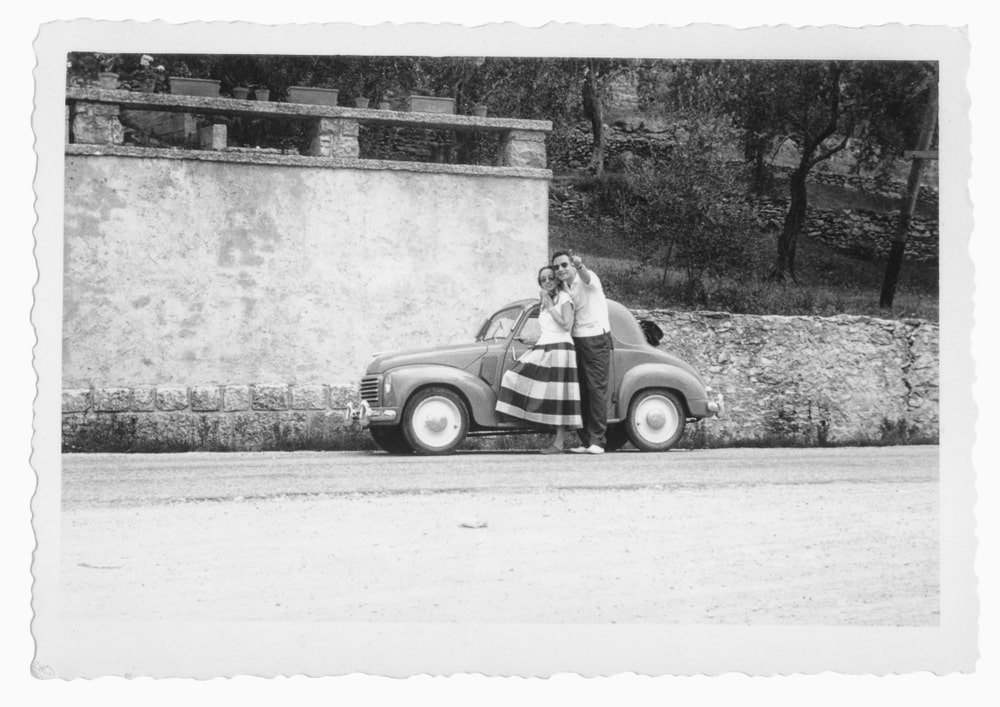
Today, we can’t imagine a world without photographs. They capture the moments of our lives – both the special and the mundane – and create a record for years to come. They help us remember what has come before, and they elicit powerful emotions.

In actuality, photography is a relatively new invention. The first photographic process was introduced in 1824 by Nicéphore Niépce. Building on his initial work, many other scientists and inventors improved photography over the years. However, it was George Eastman who first brought the camera to the individual. In the 1910s, the first 35mm camera became available to the public, and people began to go “Kodaking” (spending the day taking pictures with friends).

We have come a long way from glass plates, daguerreotypes, and negatives. Now, most of us carry a camera with us everywhere we go because they are built into our cell phones. That’s quite the innovative leap, especially since it’s been just over 100 years since the first camera became available to the public.

But despite its relative newness, we are fascinated with photography. Photographs have found a place of prominence in our lives. They give us something that the generations before us didn’t experience in the same way. They give us a unique way to remember our loved ones after they’re gone and recall the memories we shared.

So, How Do Photographs Benefit Us?

1. They connect us with our past.

What I like about photographs is that they capture a moment that’s gone forever, impossible to reproduce.” – Karl Lagerfeld

Looking at photos of loved ones often elicits a sense of connection. With people we know, we remember the person in the photo and how they made us feel. With people we never met – like ancestors – there’s something special about looking at family even though you never met. After all, without them, you wouldn’t exist.

2. They remind us of people, places, feelings, and stories.

The best images are the ones that retain their strength and impact over the years, regardless of the number of times they are viewed.” – Anne Geddes

While a picture may be worth a thousand words, it captures a very specific memory. Whether the photo is of friends, that crazy family vacation, or your high school graduation, it will remind you of people you’ve met, places you’ve gone, and feelings you’ve felt. Every picture tells a story. And in some cases, you’ve forgotten the story until the picture gives it life again.

3. They help keep a certain memory sharp.

With my father’s passing, I realized just how important images of him are to me. The photo[s] also made me think, what do my children have to remember me by?” – John Wineberg

Oftentimes, when we lose someone we love, we fear that we will forget them. That’s one reason why photos are so precious – they give our loved one’s face and any cherished memories a sharper focus in our minds. With a photo, we are less likely to forget what a loved one looked like. We are less likely to forget some of our favorite memories. In a way, a loved one lives on through the pictures we have of them.

4. They remind us that there were good times in the midst of the bad.

The best thing about a picture is that it never changes, even when the people in it do.” – Andy Warhol

In life, unexpected things happen. A spouse leaves. A best friend moves away. A loved one dies. Photos capture a single moment in time. Perhaps, when that best friend moved away, things became difficult, and it took a while to find a new friend. But just the same, any pictures you have with that friend are precious. Despite the changes in life and people, photos remind us that good is interwoven with the bad.

5. They express emotions that words cannot.

The whole point of taking pictures is so that you don’t have to explain things with words.” – Elliott Erwitt

Sometimes words are just not enough. They don’t adequately capture the essence of what you feel. But for many, a photo can do just that. It expresses what your lips can’t articulate and helps you say what’s in your heart. And on the other side of that, photos elicit deep emotion from us. They remind us of something or someone we love and just how precious memories are.

How Can Photos Help Us Honor Our Loved Ones?

A healing and meaningful funeral is about honoring and remembering a life lived. Pictures are an excellent way to tell a loved one’s unique story. There are a variety of ways that you can utilize your favorite photos in a final tribute:

  • Put together a memorial DVD (or ask the funeral home to do it).
  • Create a collage or timeline.
  • Print off some of your favorites and give them as a remembrance token at the funeral.
  • Make your own memory wreath.
  • If there is a gathering or reception, place photos in prominent places or use as centerpieces.

These are just a few ideas to get you started. Think on it. Whatever will honor your loved one’s memory most, do it. Every picture you have captures a moment of your loved one’s life. And that life is worth celebrating.

Do Animals Mourn?

By Grief/Loss, Pets

As human beings, mourning is hard-wired into our makeup. When we lose someone or something that we love or depended on, our natural reaction is to mourn that loss. But is it the same for animals?

In the case of the elephant, the answer, in some ways, appears to be yes. Sensitive, tender, and caring beasts, elephants have a highly developed ritual for mourning loss. While we won’t have the discussion of whether or not animals can feel love, we can all agree that they experience deep social bonds, either with others of their own kind or with humans.

In many ways, we can learn a lot from the mourning rituals of the elephant. Let’s take a deeper look.

First, let’s define mourning.

According to Dr. Alan Wolfelt, a nationally respected grief counselor and educator, grief and mourning are two different things. Grief is internal and refers to our thoughts and feelings after a loss. On the other hand, mourning is a shared, social response to loss. It’s how we acknowledge death and honor and remember those who have died.

Second, let’s talk about the six needs of mourning.

Now that we have a clear definition of mourning, let’s talk about what Dr. Wolfelt calls the 6 needs of mourning. Wolfelt says: “Everyone grieves and mourns differently, but there are some steps along the way that we all must encounter. I call these the ‘six needs of mourning.’ You might think of them as your ‘to-do list’ as, slowly and over time, you work on actively expressing—or mourning—your grief. Meeting the six needs of mourning one day at a time will help you move toward a life of meaning and purpose again.”

The six needs are:

  • Acknowledge the reality of the death
  • Embrace the pain of loss
  • Remember the one who has died
  • Develop a new identity
  • Search for meaning
  • Receive support from others

Now, let’s discuss how elephants appear to instinctively work through these six needs.

Before we begin, it’s important to know that elephants are smart, sensitive creatures. They live in groups, self-medicate with plants, protect animals or people in trouble, and some even paint! They are complex and beautiful. Of all animals, they have the most well-documented mourning rituals. So, how do they instinctively work through the six needs of mourning?

1. Acknowledge the reality of the death

When a family group comes across the bones or body of a dead elephant, they stop and investigate. Typically, they take time to touch the bones and tusks with their trunks. Often, they are quiet and cover the body with leaves and grass (almost like a form of burial). If the dead elephant belonged to their family group, they will stay with the body for days or weeks at a time. All of this behavior is quite similar to what we do as human beings. We touch the body of our loved one, care for them, and often spend time and sit with them until it’s time for the funeral.

2. Embrace the pain of loss

Based on the findings of many animal researchers, it’s safe to say that elephants become very upset when one of their own dies. Martin Meredith, an elephant researcher, says: “The entire family of a dead matriarch…were all rumbling loudly. The calf was…weeping and made sounds that sounded like a scream…. They then began to throw leaves and dirt over the body and broke off tree branches to cover her. They spent the next two days quietly standing over her body.” Elephants shed tears and sometimes won’t eat after losing an elephant in their community. That certainly sounds like embracing some kind of pain.

3. Remember the one who has died

As human beings, we celebrate and remember the life of someone loved in many ways. Funerals. Memorial events. Traditions. Elephants have an amazing memory, and long after any member of the group has died, the remaining members do not forget them. For instance, one researcher played a recording of the trumpet call of an elephant that had died. The elephant’s family went wild with calls, looking for the dead elephant. Its daughter continued to call, looking for its mother for days. The researchers never did this again – the reaction and remembrance were so strong.

4. Develop a new identity

When we lose someone we love, we must go through the process of finding and accepting our new identity. Perhaps, you were a wife and are now a widow. Or, you had 6 cousins but now have 5. We must process the change that has occurred in our lives and find our new normal. For elephants, that means finding a new identity in the family group. If the matriarch has died, who will take her place? If a calf has lost its mother, who will care for it now? The group’s entire dynamic changes. They must find a new identity, which they do, and life moves forward.

5. Search for meaning

After a death, we often begin to ask ourselves questions like “Why did this happen?” “What does this mean for me now?” And while elephants certainly don’t search for meaning in the same way that we do, they do seem to understand that life is meaningful. Following the death of an elephant, its family may stay nearby for weeks. The surviving elephants often stand vigil or will revisit the gravesite over the coming weeks. They appear to place high value on their dead, seeming to recognize that life is precious.

6. Receive support from others

Just as we need support from others when we lose someone we love, elephants also mourn together. They often approach a dead elephant together, in a huddle, sniffing and examining the body. And while some may return on their own, they are often together. Depending on which of their family group has died, they then rearrange their group dynamics, which allows all the elephants to find the new dynamic for the group.

Isn’t it interesting how Dr. Wolfelt’s tenets for mourning can be seen in the animal kingdom? Perhaps the six needs of mourning are more instinctual than we might have previously thought. While it’s certainly not the same as human mourning, it is intriguing to think about what may be going through an elephant’s mind as it pays homage to the dead.

You might ask, are there other animals who exhibit mourning rituals?

Absolutely. None are nearly as complex and well-documented as the elephant, but particularly in creatures who are quite social, mourning rituals are often present.

For example, dogs will whine, lick, and stay beside the body of a dead canine friend for hours. They even mourn human beings, as was the case with Hachiko, an incredibly loyal dog whose story captured the hearts of millions (see photo above). Dolphins and whales will keep their dead safe from predators and will carry their dead young for days. Gorillas and chimpanzees also exhibit certain mourning behavior, particularly mothers who continue to carry their dead young, caring for and protecting them for weeks or months. Young chimps who lose their mother may become very depressed and refuse to leave their mother’s side.

While we can’t definitively say that elephants grieve, we can say that they do take part in mourning rituals, just like we do. There is something necessary about acknowledging death and honoring life. Unlike most species, as human beings, we have the privilege to truly know those around us at a close, personal level and honor the losses in our lives. Elephants never forget the ones they once knew – they remember. As should we.

Creating Memorial Keepsakes with Funeral Flowers

By Grief/Loss, Meaningful Funerals, Memorial

One way that extended family, friends, and co-workers show their love and support in times of loss is by sending flowers and condolences to the grieving family. By offering a gift, others are able to physically show their loving care and send a message of support. While the flowers bring comfort to the family during the ceremony, what should be done with the flowers afterward?

One special way that funeral flowers can be repurposed is by creating unique and personal memorial keepsakes. These keepsakes are one way that you can honor your grief and your loved one’s memory. Dr. Alan Wolfelt, a nationally respected grief counselor, author, and educator, says: “It is not instinctive to see grief and the need to openly mourn as something to honor, yet the capacity to love requires the necessity to mourn. To honor your grief is not self-destructive or harmful, it is courageous and life-giving.”

A memorial keepsake may be part of a healthy grief journey for you. A way to honor your grief through creative expression. The keepsake may be long lasting, or it may have a shorter term of use. It may be something you keep for yourself or share with others who are grieving or had a relationship with the person who is gone. The choice is entirely up to you and your wishes.

Creating a Memorial Keepsake

Depending on which option you choose, you will need to dry and/or press the flowers in order to use them. After the flowers are ready, you can start on the task of creating a keepsake.

Candle

A memorial candle with dried flowers is a beautiful keepsake option. As you create the candle, you can reminisce about your loved one, and when the candle is complete, you can light it in their memory. In the days and months to come, you can find comfort in your memories every time you enjoy the candle.

Potpourri

Our sense of smell is closely linked to memory, more so than our other senses. With that in mind, as you create potpourri out of leftover funeral flowers, choose spices and oils that remind you of your loved one. That way, every time you pass by, you can find comfort in the familiar scent.

Bookmarks

If you are a reader or your loved one was, creating a memorial bookmark with dried flowers might be especially meaningful. Every time you take refuge in the pages of a book, it will be like your loved one is enjoying the pages along with you.

Ornaments

If you particularly enjoy Christmas time, making a memorial ornament may be just right for you. You can make ornaments from a variety of materials, one of which is funeral flowers. When you place your specially made ornament on the tree each year, it will be a small reminder of the person you love. Also, these would make excellent gifts to other friends and family who value your loved one.

Bracelets

If you would prefer to make something that you can take with you anywhere you go, a bracelet may be the option for you. There are many ways to make bracelets out of funeral flowers, but two of them are with resin or with polymer clay. With your specially made memorial bracelet, you can remember your loved one no matter where you go.

Pressed Flower Initials

Pressing funeral flowers into the initials of your loved one is a beautiful reminder of the person who died and their impact on your life. With its simple beauty, you can display this work of art in your home and fondly remember the person you love.

Pressed and Dried Flower Phone Case

These days, almost everyone carries a cell phone with them. That’s why this idea is so practical. You can make a protective case for your phone that showcases the beautiful flowers given in love and support. Each time you look at them, remember that you’re not alone. People care about you and your family.

Pendant

Wearing memorial jewelry is a growing trend. For those whose loved one was cremated, cremation jewelry is available. However, in addition to or instead of cremation jewelry, you can create your own pendants with dried flowers. Any time you want to remember your loved one, you can wear the pendant you made in their honor.

Coasters

You can design some beautiful coasters with dried funeral flowers. With these, you can create something that not only pleases your eye but helps you fondly remember your loved one. And each time a guest comments on them, you can share a story about your loved one’s life.

Shadow Box

By creating a shadow box with dried flowers from the funeral, you can create a large piece of art to admire. You might even consider placing a favorite photo of your loved one in the box as well. These items together will create a lovely tribute.

If you should decide to repurpose funeral flowers, these ideas are only the beginning. There are so many options available to you. It’s just a matter of choosing the one you like most. Another benefit to these craft ideas is that you can share them with others, inviting them to join you in remembering someone loved.

For the Less Craft-Inclined Person

For some of us, the idea of creating a memorial keepsake is a bit too much to think about. That’s perfectly fine. We are all different and will grieve in different ways. For those who are less craft-inclined, you can:

  • Give any remaining funeral flowers to friends, relatives, and co-workers
  • Donate the flowers to a church, workplace, retirement home, or hospice care facility
  • Place them at the gravesite of another loved one
  • Keep them to enjoy in your own home

How to Write a Great Obituary

By Planning Tools

After the loss of a loved one, family members are often overwhelmed by all of the decisions that have to be made in the midst of their grief. One of the details that has to be taken care of is the writing of the obituary. If you have recently lost a loved one and don’t know where to start with the obituary, you may find the following tips useful. This information will walk you step-by-step through the process of writing a great obituary.

Announce the death

Start off the obituary by announcing the death of the loved one. Provide the name and a very brief description, the age of the deceased, and the day of passing. You can probably squeeze all of this information into one sentence. For example:

On Monday, September 4, 2017, John Doe, loving husband and father of four children, passed away at the age of 74.

Provide general biographical information

Include some biographical information such as birth date, upbringing, education, marriage information, accomplishments, and work history. Be compact and precise with your wording. Try to get as much meaning into as few words as possible.

John was born on July 31, 1943 in Houston, TX to Bob and Jane (Smith) Doe. He received his law degree from the University of Texas in Austin in 1971, and he practiced business law for 31 years in Houston. On May 28, 1975, he married Grace Ann Lewis. They raised two sons, Nick and Joel, and two daughters, Alice and Lisa.

Make it personal

To write a great obituary, it’s important to capture the spirit of the loved one who has passed. Compose a paragraph that describes not only what your loved one did, but also what your loved one was like. For example, focus on hobbies, passions, and personal characteristics. Remember, newspapers will charge you by line, word, or inch (depending on the publication), so don’t write more than you can afford. A short, factual obituary might be all you need. But if you want to write a special, personalized obituary, include details like this:

John had a passion for painting. He also loved to bird watch, and he combined his two favorite hobbies to create extraordinary art. His paintings of various birds were much admired not only by friends and family, but also by all who frequented the coffee shops where his paintings were displayed. He was also an avid music lover and a collector of Beatles memorabilia. He was known for his quick wit, his infectious smile, and his kind and compassionate spirit.

Listing the family members

While you don’t have to mention every nephew and cousin by name, it’s important to write a general overview of the family members who passed away before the loved one as well as the surviving family. Close family members can be listed by name, and other relatives can be referred to more generally.

John was preceded in death by his father, Bob, and his mother, Jane. He is survived by his wife Grace, his four children, Nick, Joel, Alice, and Lisa, his brother Paul, and several cousins, nieces, and a nephew.

Funeral information

Provide the date, time, and location of the funeral. Also include information regarding donations, flowers, or condolences.

A funeral service will be held on Thursday, September 7th, 2017 at the Church of Christ on Main Street at 1 o’clock p.m. Flowers or donations may be sent to 1234 St. Houston, TX.

Put it all together, and you’ve got a complete obituary.

                                                                          Sample Obituary

On Monday, September 4, 2017, John Doe, loving husband and father of four children, passed away at age 74.

John was born on July 31, 1943 in Houston, TX to Bob and Jane (Smith) Doe. He received his law degree from the University of Texas in Austin in 1971, and practiced business law for 31 years in Houston. On May 28, 1975, he married Grace Lewis Doe. They raised two sons, Nick and Joel, and two daughters, Alice and Lisa.

John had a passion for painting. He also loved to bird watch, and he combined his two favorite hobbies to create extraordinary art. His paintings of various birds were much admired not only by friends and family, but also by all who frequented the coffee shops where his paintings were displayed. He was also an avid music lover and a collector of Beatles memorabilia. He was known for his quick wit, his infectious smile, and his kind and compassionate spirit.

John was preceded in death by his father, Bob, and his mother, Jane. He is survived by his wife Grace, his four children, Nick, Joel, Alice, and Lisa, his brother Paul, and several cousins, nieces, and a nephew. A funeral service will be held on Thursday, September 7th, 2017 at the Church of Christ on Main Street at 1 o’clock p.m. Flowers or donations may be sent to 1234 St. Houston, TX.

Review for mistakes

Check, check, and check again. Once you are satisfied with the finished product, pass it off to a friend or a dispassionate third party for review. Since obituaries are composed during a time of grief, it’s not always easy to keep a clear mind when writing one. It’s always good to get multiple perspectives. When you are sure that the obituary is as good as it can be, send it off for publication.

For examples of unusual and inspirational obituaries, visit these pages:

This Incredible Obituary May Be the Best Thing You Read All Week

Betsy Cohen

Seattle Author’s Powerful Self-Written Obituary Goes Viral

94-year-old’s obituary is what every mom hopes her kids will write for her

6 Things You Probably Didn’t Know about Funeral Goods and Services

By Explore Options, Plan Ahead, Planning Tools

Most of us will only plan a handful of funerals in our lifetime, and because it is so infrequent, we often don’t know what to do, how to do it, or how much it should cost. Fortunately for us, funeral directors are here to help. When you walk into a funeral home, you don’t have to have everything figured out. After all, you don’t know what you don’t know. However, while you don’t have to know everything, it’s always good practice to prepare as much as you can in advance. Today, let’s talk about a few things you probably didn’t know about funeral goods and services.

1. What is the General Price List (GPL)?

A General Price List (GPL) is an itemized list of the goods and services provided by the funeral home, including their associated cost. The GPL allows you and the funeral professional to openly talk about the goods and services that are best for you and your family. The GPL includes the cost for many different items and services, including but not limited to:

  • Basic service
  • Preparation of the body (embalming, dressing, casketing, etc.)
  • Use of facilities and staff for various types of funeral services
  • Transportation
  • Burial options
  • Cremation options
  • Memorial packages
  • Urns
  • Outer burial containers (sometimes on a separate list from GPL)
  • Caskets (sometimes on a separate list from GPL)

2. What is the Funeral Rule?

In the funeral profession, funeral homes abide by the Funeral Rule, set in place by the Federal Trade Commission. These regulations allow the funeral home to provide you, the consumer, with certain rights and privileges. The Funeral Rule allows you to:

Choose what goods and services you want.

Personalization is key to a healing and meaningful funeral, and funeral professionals are willing to work with you to select the options that are best for you and your family.

Call for pricing information.

Sometimes you just don’t know which funeral home you want to partner with, so you call around. While the price is important, you should also take other factors into consideration, like location, reputation, facilities, and the services available. To learn more about choosing the best funeral home partner for you, read Top 10 Characteristics to Look for in a Funeral Home.

Review an itemized statement before payment.

Transparency is important. Both the GPL and the itemized statement are ways for the funeral home to open pathways for clear communication with you. After you choose which goods and services you want, they will provide you with an itemized statement so you know exactly what you’re getting.

Take home a price list for caskets and outer burial containers.

Before you make any decisions on a casket or outer burial container, you can peruse all the options available at the funeral home. Then, you can ask questions and discuss the best options with your family before making a decision.

Select an alternative container for cremation.

No longer must you use a casket for cremation. Now, you can use an alternative container, often made of unfinished wood, pressed wood, fiberboard, or cardboard. Just talk with your funeral professional for more details.

Purchase a casket or urn on your own.

While purchasing a casket or urn from the funeral home is the most convenient option and ensures that you receive a quality item, you can purchase these items from other places.

Elect to forego embalming.

With direct cremation or immediate burial, embalming isn’t necessary. If you select other services, speak with your funeral professional to determine if embalming is the best way to fulfill your wishes.

3. What is a basic service fee?

Simply put, the basic service fee is a set charge for the professional services of the funeral director and staff. This fee includes services provided by the funeral home, including conducting the arrangement conference, planning the services, obtaining permits and death certificates, preparing notices, and seeing to cemetery or crematory arrangements. This fee may also include overhead that hasn’t been allocated elsewhere.

4. What are cash advance items?

Cash advance items are funeral-related goods and services that must be purchased from a third-party vendor. In other words, a service that is not expressly provided by the funeral home. A great example is the publication of an obituary in a newspaper. It is the newspaper, not the funeral home, that determines the cost to print. For more information on cash advance items, make sure to read 9 Funeral Costs That Are Often Overlooked.

5. Why does the cost of a funeral vary so widely across the nation?

While there are many reasons, one of the primary reasons is the cost of real estate and property taxes. In some areas of the country, the cost of overhead is higher, and similar to how housing prices differ across the nation, so do funeral costs. Another factor is that costs are dependent on what merchandise you choose. An item that is made locally will cost less than an item that must be shipped across the country.

6. What do I need to know about cemetery costs?

First, you should know that funeral costs and cemetery costs are often separate. This is because, for the most part, funeral homes do not also own and operate cemeteries, unless they are a combination operation. If the cemetery is run by a different proprietor than your funeral home partner, the costs are separate.

Second, it’s helpful to know what cemetery costs typically entail. On the whole, cemetery costs will include the purchase of a plot, niche, or other designated final resting place on the cemetery grounds. In addition to the final resting place, the cost will also include the opening and closing of the grave as well as a fee for the perpetual care of the gravesite.

Taking the Next Step

Now that you have more information about funeral goods and services, the next step is deciding what to do with all that you’ve learned. More and more families have found that planning ahead for funeral wishes saves time, decreases stress, and allows families to spend more time grieving together at a time of loss. If you are interested in learning more about how to plan ahead, take a few minutes to check out the following articles:

10 Reasons to Plan Ahead

7 Elements of a Healing and Meaningful Funeral

6 Ways to Personalize a Funeral

10 Questions to Ask Before You Prepay Your Funeral

9 Preplanning Mistakes to Avoid

Walking a Child Through a Funeral: 9 Tips for Parents

By Children, Explore Options, Living Well

Most of us dearly love our children and want to protect them from the difficult parts of life. But understanding that a funeral is a rite of passage and an important part of the grieving process is an important lesson to learn. Whether or not your child attends a funeral is entirely up to you. For many children, attending a funeral actually helps them move forward in their own grief process. However, as Dr. Kenneth Doka states, “One of the questions oft asked is whether, or at what age, children should attend funerals. The truth is that I am not the person to ask – ask the child!

It’s important to determine whether your child is ready and to give them a choice. Forcing them to attend is usually not very successful, but you also don’t want to assume they wouldn’t want to go. Just like adults, children need an opportunity to say goodbye, so giving them a choice and preparing them ahead of time are important factors to consider.

The Funeral’s Purpose

Before making a decision, explain what a funeral is to your child. Having never attended one, they won’t know its purpose. Use simple, but truthful, answers. For example, “Remember I told you that Nana died? The funeral is a time for everyone – all of her friends and family – to sit and talk together and to remember her and share stories about her. All of us miss her, and at the funeral, we talk about what we liked about her and what we will miss about her. What do you remember about Nana? What will you miss about her?

Breaking it down helps your child get an idea of what the funeral is so they can make an informed decision about whether to go or not. Don’t go into too much detail – keep it age appropriate and strive to use words that won’t scare them.

9 Tips for Helping Kids Through a Funeral

If your child decides to attend the funeral, it’s important to make sure they have the support they need. Remember, this is a completely new experience for them. Just as you sought to make the first day of school as easy and seamless as possible, do the same for a funeral. Talk through it and help them know what to expect.

Prepare them in advance

Just as adults feel more comfortable and better prepared when they know what to expect with a new experience, children do, too. Go through the process step by step. Discuss what your child will see (pews, religious symbols, flowers, casket, urn, the body of the deceased, black clothing, etc.). You don’t have to talk about everything at once – do it in small doses. The point is to put any anxiety to rest and prepare your child for a new experience. For more help with discussion topics, click here.

Explain what death is

Our natural desire is to protect our children from what we think could be harmful. Death is something each of us must come to understand, and it’s best for your child that the information come from you, their parent. Take your child’s age and maturity into account before having the discussion. Young children (under age 7) will understand basic concepts while an older child is able to understand more complexities. But in general, help them understand the physical aspect of death – the person’s body doesn’t work anymore, and they no longer need it. Depending on your spiritual beliefs, you can talk about what happens to the person’s soul after death. Be clear and simple, using the words dead and died. It’s better not to use euphemisms – your child needs to understand the reality. They will learn societal nuances later.

Let them know that their feelings are okay

Explain to your child that they will see a wide variety of emotions at the funeral. Many people will be sad, and that’s okay. It’s natural to be sad after someone dies. People may be quiet at the funeral service but laugh and tell stories at the reception or gathering. Make it clear to your child that their feelings are okay. If they want to cry, that’s fine. If they don’t, that’s fine, too.

Be attentive to their needs

Pay attention to their reactions and ask how they are feeling. While it’s important to let children learn how to process difficult events, it’s also good to give them the ability to escape. You (or a designated friend or relative) can take them outside or into the hallway for a quick break if the funeral or memorial service becomes overwhelming for them. Be attentive but let them go at their own pace. They may surprise you with how well they handle everything.

Ask if they want to remember the person in a special way

Depending on the relationship and your child’s temperament, it may be appropriate to ask if there’s a special way they want to honor the one who has died. Perhaps they might wear a certain color (the loved one’s favorite), tell a story, draw a picture to share or bury with the person, or bring an item that the loved one gave to them (like a toy, blanket, or article of clothing). Just as it’s important for us as adults to find special ways to honor the lives of those we love, it’s important for children.

Answer their questions

Answer their questions as best you can, honestly and without shaming them. By asking questions, they are processing the death and what it means. The questions will range from simple to more complex. Don’t be afraid to say, “I don’t know” or “Let’s find out.” This helps them know that you also don’t know all the answers, and you can learn and process together.

Don’t force anything on them

While we all strive to teach our children obedience and how to follow our household rules, it’s best not to force things on a child at a funeral. This applies to many things. Don’t force them to go up to the casket to view the body or to touch the body. Don’t make them feel that they must share stories at the gathering or reception. Instead, ask them. Give them the opportunity to participate and the grace to stand back and observe.

Discuss your own feelings

Funerals bring out a wide variety of feelings: sadness, anger, relief, shock. Even for adults, emotions are difficult, so as children identify them and learn about them, it’s important that they have a role model: you. Tell them how you feel about the person who has died. Assure them that your and their feelings are normal and natural. By watching you in your grief, they learn how to handle their own.

Debrief with them

After the funeral, over the next days and weeks, ask your child questions about their experience. Check in to see how they are feeling and if they need to talk through anything they witnessed or didn’t understand. Encourage them to share how they are feeling. Let them know that you care about them and their feelings and are there for them, no matter what.

Ultimately, it’s about preparing them and guiding them through the hard things in life, so they can deal with them on their own in a healthy way.

For more in-depth information on topics to discuss with your children before the funeral, make sure to read 7 Key Topics to Discuss with Children Before a Funeral.

6 MORE Things You Should Never Say to a Grieving Person

By Grief/Loss, Helping a Friend in Grief

Sometimes – perhaps most of the time – we just don’t know what to say to our friends, family, children, or coworkers who are grieving. We want to offer words of comfort, encouragement, and love. But there are some things we just shouldn’t say. Our hearts may be in the right place, but people cannot see our hearts. They cannot decipher our good intentions. They can only interpret what they hear and what they see: our words and our body language.

In 6 Things You Should Never Say to a Grieving Person, we talked about the power of words. Our words have the ability to hurt or to heal. They are a powerful tool. We can use our words for building up or tearing down. We all know this is true. So, let’s use our words wisely, kindly, and for the encouragement and building up of those around us. Below is a list of a few more phrases that should be banished from our conversations with people who are grieving.

6 MORE Things You Should Never Say to a Grieving Person

“How’s your family holding up?”

While this question is not innately bad, take the time to ask about your friend or loved one first. Ask “How are you?” and then ask about family members. By asking about family first, you indicate that the family’s feelings are more important than the individual’s feelings. Dr. Alan Wolfelt, a respected grief author, educator, and counselor, offers this advice: “Keep in mind that your friend’s grief is unique. The death of someone loved is a shattering experience.  As a result of this death, your friend’s life is under reconstruction.” Take time to ask your friend about their family, but first, be intentional about asking how they are doing in their own individual grief journey.

“Your loved one wouldn’t want you to be sad.”

You may be trying to lighten the mood and add a little levity, but in actuality, this comment trivializes the grief felt by the bereaved. You are telling them that their grief is a bit silly, and their loved one would say the same thing. Instead, allow people to grieve. Dr. Wolfelt encourages us to “Allow your friend to experience all the hurt, sorrow and pain that he or she is feeling at the time. Enter into your friend’s feelings, but never try to take them away.

Give them the freedom to express whatever emotions are present. A grieving person needs a safe space to release and process through their emotions. Rather than tell them how they should feel, allow them space to express their true feelings and support them as they begin the healing process. Instead, you might say “There’s no need to apologize. It’s OK to be sad. I know you miss him/her very much.”

“It was his/her time to go.”

This is similar to saying, “He’s/She’s in a better place.” When a person is grieving, it doesn’t matter that it was their loved one’s “time.” While the death of a grandparent or even a parent feels more in the natural order of things, some people are grieving a loss that feels unnatural, like that of a sibling, a child, or a friend. The fact that it was “their time” doesn’t offer the comfort and compassion that your grieving friend needs.

Always remember, grief is made up of many complex and often conflicting emotions. Offering clichés to a grieving person is like trying to put a bandaid on a gaping wound. They just don’t work. Dr. Wolfelt puts it this way, “Words, particularly clichés, can be extremely painful for a grieving friend. Clichés are trite comments often intended to diminish the loss by providing simple solutions to difficult realities.” Your intentions may be good, but coping with a loss, even when the loss is expected, is still a complicated process. The best thing to say is “I’m so sorry about your loss. He/she was such a special person.”

“How did he/she die?”

The only reason to ask this question is to satisfy your own curiosity. And in the end, the question will only make you seem nosy. Instead, focus on your grieving friend’s feelings. They need to hear you say, “I’m so sorry for your loss” or “My heart hurts for you.” For some, talking about the details of a death won’t be difficult, but for others, it will be excruciating. It’s best to wait until they decide on their own to share.

Dr. Wolfelt offers this advice from his years of experience: “Helping begins with your ability to be an active listener. Don’t worry so much about what you will say. Just concentrate on listening to the words that are being shared with you. Your friend may relate the same story about the death over and over again. Listen attentively each time. Realize this repetition is part of your friend’s healing process. Simply listen and understand.”

“You have to be strong for (insert person’s name).”

It is a common misconception that it’s best to move away from our grief rather than to move toward it, but strong-arming your way through grief isn’t very effective. In fact, “being strong” often causes people to push their feelings away and compartmentalize what they feel. Suppressing our emotions is never healthy and can lead to anxiety, tension, and emotional distance from the very person you want to connect with at a difficult time. Perhaps you are a parent, and you feel that you need to “be strong” during a time of loss for your child. So, you put on a happy face and mostly pretend that nothing’s wrong, even though you are broken on the inside.

The problem is, when children see that your words contradict your actions, behavior, and facial expressions, they instinctively learn that “being strong” is more important than “being real.” Instead, demonstrate to your children what healthy grieving looks like. Talk about what you are experiencing. Develop traditions that honor your loved one. Tell stories. Visit the graveside. Allow yourself to cry. All of these are great ways to model healthy grief over the loss of a loved one for a child.

Having walked with many families through the grief journey, Dr. Wolfelt shares this advice for talking with children about death: “Sometimes, adults don’t want to talk about the death, assuming that by doing so children will be spared some of the pain and sadness. However, the reality is very simple: children will grieve, anyway. Adults who are willing to talk openly about the death help children understand that grief is a natural feeling when someone loved had died. Children need adults to confirm that it’s all right to be sad and to cry, and that the hurt they feel now won’t last forever.”

We should not encourage people to “be strong” when that means ignoring what they feel. Certainly, we don’t want them to fall apart for weeks on end and forget all their responsibilities, but we should give them permission to grieve. Ultimately, the person you feel the need to “be strong” for doesn’t need you to shelter or protect them from your pain. They are going to have to learn to deal with pain; it’s part of life. Instead, they need someone to walk beside them as you both grieve.

“I’m sure it will be better soon.”

When someone is grieving deeply, this comment may be frustrating. The grieving person may be thinking that they can’t imagine ever feeling better again. Your presumption that they will be better “soon” can seem insensitive. They may even feel like you are judging their current emotional state. In his teachings, Dr. Wolfelt shares that grief is individual and can take a long time to process. He encourages: “Don’t force your own timetable for healing. Don’t criticize what you believe is inappropriate behavior. And while you should create opportunities for personal interaction, don’t force the situation if your grieving friend resists.”

The reality is that grief can be one of the darkest times in a person’s life. To a griever, telling them things will get better (and soon!) translates to, I don’t understand the pain you are going through right now.” Instead, if your intention is to offer comfort, you can say, “I’m here for you for as long as you need me.” Or you can even offer to help alleviate some stress: “I know this is hard, and I’m here for you. Can I bring dinner to your house tomorrow night?”

All in all, the most important thing you can do is offer support to your grieving friend in the best way you know how. You may stumble a bit with the words, and that’s okay. But take the time to carefully consider your words and say what is most beneficial, even if you feel awkward. Your friend will appreciate your efforts to be sensitive, kind, and supportive in their time of grief and need.

What Vital Statistics Should I Bring to a Funeral Arrangement Conference?

By Plan Ahead, Planning Tools

When a loved one dies, the emotions of grief can hit hard. These feelings range from person to person and may include sadness, shock, anger, or anxiety. It is during this time of emotional distress that an arrangement conference takes place and a funeral is planned, unless funeral arrangements were taken care of ahead of time. Whether the funeral was planned in advance or the planning is imminent, the funeral home will ask for certain vital statistics about your loved one.

Why does the funeral home need these vital statistics?

Throughout the funeral planning process, the funeral home staff acts as your representative in many ways. They coordinate between third parties, like the florist, clergy, musicians, Veterans Affairs, etc. Also, with the vital information provided, they obtain permits for burial or cremation; in some cases, help prepare the obituary; and submit a request for a death certificate to the county. And if your loved one was a veteran, they coordinate with the Armed Forces for any military honors you may request for your loved one. These are just a few of the details they take care of, but to accomplish these, the funeral home staff needs to know your loved one’s pertinent information.

What vital statistics should I bring with me to the arrangement conference?

If possible, it’s best to prepare this information before you attend the arrangement conference. By doing so, you will make the arrangement conference much smoother and more efficient for yourself and your loved ones.

Be sure to bring these vital statistics to the funeral arrangement conference for your loved one:

  • Full legal name
  • Address
  • Race and gender
  • Date of birth
  • Date of death
  • Place of death (city and county)
  • Age
  • Social Security Number
  • Occupation (kind of business or industry)
  • Marital status
  • Spouse’s name (if applicable)
  • Maiden name (if applicable)
  • Father’s name
  • Mother’s maiden name
  • Education information
  • Armed Forces information (including DD-214)
  • Name of surviving spouse and family members

Is there anything else I should bring?

It is always helpful to come prepared with obituary information (or an already written draft of the obituary). Additionally, the more you think about the service details, the easier the conversation will go. So, consider what kind of service you want for your loved one, what personalized touches you will add to make the ceremony unique to your loved one, and where will you lay them to rest permanently.

The more information you take with you to the arrangement conference, the better. But no matter what, the funeral home staff will work with you to make sure that, together, you create a ceremony that is healing, meaningful, and uniquely tailored to your loved one’s life and spirit.

If you would like more information on planning a funeral, the following articles may be helpful to you:

Funeral Planning Checklist

Quick Start Resource Guide: Planning a Funeral

What Are My Burial Options?

What Should I Know When Considering Cremation?

Cremation and the Importance of Ceremony

7 Elements of a Healing and Meaningful Funeral

Or, if you would like more information on planning ahead and getting your affairs in order, go to:

Getting Your Affairs in Order

How to Get Started with Funeral Planning

Why Plan Ahead for Funeral Wishes?

The 5 Most Important Estate Planning Documents

6 Things Your Emergency Contacts Need to Know

12 of the Best Books on Grief

By Grief/Loss, Helping a Friend in Grief

The most beautiful people are those who have known defeat, known suffering, known struggle, known loss, and have still found their way out of the depths. These people have an appreciation, a sensitivity, and an understanding of life that fills them with compassion, gentleness, and a deep loving concern. Beautiful people do not just happen.”  – Elisabeth Kubler-Ross

The grief journey is long and difficult. We all need a few road signs along the way. That’s why learning from the stories of others is so powerful. You can pinpoint where you are and learn what next step to take. While every grief journey is different, we can all learn from each other’s pain. If you have recently lost someone you love, or you know someone who is grieving, spend a few moments considering these 12 books on grief. Any one of them could have an impact on a grieving heart.

12 of the Best Books on Grief

1. Resilient Grieving: Finding Strength and Embracing Life After a Loss That Changes Everything (Lucy Hone, Ph.D.)

Written by psychologist and resilience/well-being expert Lucy Hone, this book explores humanity’s resilience and ability to grow even in the face of traumatic loss. Hone began her own resilient grieving journey after the loss of her 12-year-old daughter, and in her own words, “This book aims to help you relearn your world…to help you navigate the grieving process as best you can – without hiding from your feelings or denying the reality, or significance, of your loss.”

2. I Wasn’t Ready to Say Goodbye: Surviving, Coping and Healing After the Sudden Death of a Loved One (Brook Noel and Pamela D. Blair, Ph.D.)

Considered a classic guide, this book was featured on ABC News, Fox and Friends, and many other shows because its message resonates with people. Focused specifically on sudden death, the authors understand that a sudden death could mean any type of relationship or circumstance. Because all of our lives are different, they touch on tough topics like suicide, the death of a child, homicide, and depression. This book provides survivors with an anchor through the storm of grief.

3. A Grief Observed (C.S. Lewis)

C.S. Lewis is considered an intellectual giant of the twentieth century and one of its most influential writers. Widely known for his classic children’s series The Chronicles of Narnia, he is also the author of many theological works. Written following the death of his wife to cancer, A Grief Observed is an honest record of a man who has lost his beloved and must wrestle with life, death, and faith. You will find his words relatable and real – reflecting the honest struggle we each face in grief.

4. Please Be Patient, I’m Grieving: How to Care for and Support the Grieving Heart (Gary Roe)

From the heart of award-winning author Gary Roe, this short but powerful read focuses on how family and friends can support and love someone who is grieving. Drawing on his experience as a hospice chaplain, Roe shares how we can learn to support those who are grieving, know what to say and not say, discover how to be a help and not a hindrance, and many other helpful suggestions.

5. More Beautiful Than Before: How Suffering Transforms Us (Steve Leder)

Pain cracks us open. It breaks us. But in the breaking, there is a new kind of wholeness.” With these words, Rabbi Steve Leder, leader of Wilshire Boulevard Temple in Los Angeles, lays out the essence of his book. It is the suffering, the breaking, that occurs during times of grief that leads us to live more meaningful lives. He outlines three stages of pain – surviving, healing, and growing – which lead us to find meaning in our suffering and new hope for a life that is more beautiful than before.

6. Healing After Loss: Daily Meditations for Working Through Grief (Martha Whitmore Hickman)

Offering daily meditations for those who are grieving, this book has offered comfort since 1994 and continues to be a sought-after classic. Each daily meditation is brief but powerful, intended to bring comfort and encouragement to any reader. Drawing on her own experiences of grief, Hickman creates a book that is relevant to all, no matter the loss or the year. With more than 1,300 5-star ratings on Amazon, this one is worth a look.

7. It’s OK That You’re NOT OK: Meeting Grief and Loss in a Culture That Doesn’t Understand (Megan Devine)

The basic premise of the book is this: there is nothing wrong with grief. As Devine puts it, “Grief is simply love in its most wild and painful form. It is a natural and sane response to loss.” Using her own loss as an example, she talks about how difficult it is to grieve in our current culture and the importance of building our lives alongside our grief – learning how to reconcile our lives to it – rather than seeking to “get over” or overcome it.

8. Understanding Your Grief: Ten Essential Touchstones for Finding Hope and Healing Your Heart (Dr. Alan Wolfelt)

Dr. Alan Wolfelt, respected grief counselor and director of the Center for Loss and Life Transition, packs a lot of helpful information into this relatively short read. He discusses the difference between grief and mourning, the factors that make each person’s grief unique, and the need for mourners to treat themselves with compassion. In addition to a wide range of information, the book also includes journaling sections to allow you to engage and write down your own thoughts and feelings.

9. Chicken Soup for Soul: Grieving and Recovery (Jack Canfield, Mark Victor Hansen, and Amy Newmark)

Filled with the stories of other grievers, this book is both inspirational and comforting. As you read through the stories, it’s easy to see that every grief journey is different and every loss unique. Through the poignant and relatable stories shared, you will find yourself appreciating life and receiving strength and support from the lives of others.

10. Life After Loss: A Practical Guide to Renewing Your Life After Experiencing Major Loss (Bob Deits)

Drawing on more than thirty years of experience in helping people cope with major loss, Bob Diets provides practical help with navigating the unknowns of grief and helps you find a different, but no less meaningful, life following a loss. Filled with compassionate insight, Life After Loss is considered “one of the classics” (Dr. Earl Grollman) and a “roadmap for those in grief” (Lawrence J. Lincoln, MD).

11. Safe Passage: Words to Help the Grieving (Molly Fumia)

Written by a grief expert and grieving mother, Safe Passage gently and lovingly guides you through the stages of grief and toward hope and healing. In her own words, Molly Fumia says, “On the path toward healing, I learned two surprising lessons. The first is that grief is the most patient and persistent of all of life’s companions. The second is that grief is an ancient, universal power that links all human beings together.” In Fumia, you will find a compassionate and steady friend.

12. Living When a Loved One Has Died (Earl A. Grollman)

In the pages of this book, Earl A. Grollman, an internationally recognized bereavement counselor, explores the various emotions associated with mourning, the pitfalls to avoid, and how to process and work through the complex emotions of grief. Grollman gently guides the reader through learning how to heal in their own way because we each grieve differently. No two people grieve in the same way, so now two grief journeys will look the same. Find comfort and learn how to move forward.

No matter where you are in life – grieving or not – these books are a fount of compassion, guidance, and information. Whether you need the information now or later, remember that there are those out there who have experienced something similar to you, and you can find courage in their stories.

Skip to content