Category

Educational

Man slouched over with someone's hand on his shoulder.

Navigating Behavioral Changes After Loss

By Educational, Grief/Loss

After losing a loved one, many aspects of your life may shift and change. Your daily interactions with others, hobbies, and interests may suddenly look different, leaving you feeling disoriented and uncertain. At times, your body and emotions may feel like they have a mind of their own. In addition to physical and emotional changes, you may also experience behavioral changes. To help you and your loved ones navigate any unexpected behavioral shifts, let’s discuss what you might experience and how you can overcome these changes.

Elderly man looking off into the distance, and sitting on the couch while leaning on his cane.

What are Behavioral Changes?

To start, let’s define “behavioral changes.” Behavioral changes involve replacing old habits or patterns with new ones in response to a situation, such as the death of a loved one. Depending on the person, some changes may be short-lived while others linger on. But either way, always remember that behavioral changes are normal as you learn how to navigate life without your loved one.

Common Behavioral Changes

Next, let’s talk about some common behavioral changes you might experience after losing a loved one. When you know what to expect, you can adapt and adjust more easily to the changes.

Lashing out

Woman with hand on her forehead, looking upset, while another woman stands beside her, frustrated.Following the loss of a loved one, there may be days when you feel especially upset or angry because that special person is gone. With these strong emotions at the forefront, it can be challenging to focus on the other relationships in your life. On these days, you may feel tempted to lash out at the people around you, even if they are also grieving.

For example, because you may become triggered or upset more easily, you might find that you are more short-tempered with your spouse, kids, parents, or friends or have less patience than you typically do. In that instance, remind yourself that those around you are also experiencing loss and big emotions. They may also be feeling triggered and upset, just like you.

If you feel close to lashing out, remind yourself to breathe and remember that you will get through this. Take it one day at a time and allow yourself breaks and alone time when needed.

Avoiding people or social situations

Woman with sad expression, another woman comforting her.Without your loved one by your side, it might be exhausting to think about attending social gatherings or events. On top of that, it can be difficult to see others celebrating when you are grieving. As a result, you may find yourself avoiding social situations entirely.

Perhaps a friend and your lost loved one share the same birthday, so you aren’t sure if you want to attend the birthday brunch. It’s okay to skip the event if you need to focus on healing instead. One day, you will enjoy events again, but it’s okay to say no right now.

It’s natural and normal to want to be alone in your grief at times. Just be sure you don’t keep friends and family at a distance in the long term. After all, they care about you and want to help you during this difficult time.

Decreasing interest in activities

Elderly man sitting on couch and holding a remote.After losing a loved one, there may be times when it is challenging to participate in the activities you usually enjoy. That’s okay! A decrease in activities is normal as you figure out life after loss.

The book club, pottery class, or daily walks that usually bring you joy might begin to feel daunting. If an activity suddenly feels unenjoyable, it is okay to take a break and try again later. Over time, you can pick up the activities again, and they may become a healthy way to express your emotions during your grief journey.

As you adjust, remember to be kind to yourself and know that your interest in activities should return in time. However, if you don’t go back to those classes or clubs, that’s okay, too. You might discover new hobbies or interests while on your path to healing.

Feeling the need to make huge life decisions

Close up of hands holding a pen and signing a document.Because losing a loved one causes a significant change in your life, you may feel the overwhelming need to adjust other parts of your life to help you cope.

You may decide that it’s time to move, especially if you shared a home with your loved one and it’s now painful to stay there. Or perhaps you’ve lost a dear colleague, and you now have a strong urge to leave your job and start over somewhere new.

Before making any life-altering decisions, remind yourself that you are grieving and thoughtfully consider whether the decision will be helpful long term. Is the decision a logical one or a result of your grief? Not all big decisions are bad, but it’s important to be sure you are making them for the right reasons.

Ways to Overcome Behavioral Changes

While these behaviors may feel discouraging, the good news is that there are positive, healthy ways to cope with and overcome them. The following suggestions offer various outlets that will help after losing a loved one.

Take care of yourself

Elderly woman walking on a path with trees in the background.After a loss, make sure that you are eating well, sleeping, and getting some form of daily exercise to help improve your mental and physical well-being. Grief can affect even the most basic daily routines, so it’s important to ensure that you don’t forget to shower, brush your teeth, and change clothes every day. Although taking care of yourself may feel difficult while you are grieving, self-care is essential for your health.

Create a daily routine

Woman laying in bed and stretching with alarm clock on the table.Creating and sticking to a daily routine can help you ground yourself and find your new normal. Getting out of bed and making breakfast is a great start. Try to go for a walk, attend a workout class, or fit some form of exercise into your day. Having a familiar routine and knowing what to expect each day can give you a sense of control, even as you feel a little out of control after losing your loved one.

Find a support system

Man slouched over with someone's hand on his shoulder.Establishing a support system is a great way to get the physical help and emotional care you need during a time of loss. You can find a grief support group and chat with others who understand what you are going through. If a group setting is a bit overwhelming or just not your thing, reach out to a grief therapist. By connecting with others, you can share the load of your grief with people who care.

Identify positive outlets for your grief

Close up of shoes walking on a path.In order to heal, you need to find a way to express your grief. When you have the energy (it may not be right away), look for positive outlets to help you release your emotions and anything that may be pent-up inside you. For example, you could take a boxing class, go for a run, write in your journal, read poetry, or color as a way to process your grief. Adding a few relaxing hobbies and activities to your routine can be a productive way to move toward healing.

Visit your loved one’s final resting place

Monuments with color flowers.Visiting your loved one’s final resting place can be a cathartic step in your healing journey. For some, it may feel normal to visit a loved one’s final resting place as often as possible because it brings comfort. For others, visiting may feel uncomfortable, unnecessary, or even pointless at first. But consider giving it a try, either now or in the future. Spending time at your loved one’s resting place can be a healing experience and bring you closure.

Hopefully, you now have a better understanding of some of the most common behavioral changes to expect after a loss and how to deal with them when they come. But in addition to these changes, you may experience other behavioral shifts, and that’s okay. Every grief journey is different, so pay attention to your personal triggers and any new behaviors. And if you’d like help on the grief journey, reach out to a therapist in your area. They can help you build coping skills and learn how to navigate any behavioral changes you may experience.

No matter what, give yourself kindness and grace as you learn to navigate life without your loved one by your side. You have experienced a major loss, and unwanted changes have come into your life. Allow yourself to grieve in your own way, at your own pace, and in your own time.

Woman reviewing notifications on social media

Tips for Writing a Memorial Post on Social Media

By Educational, Grief/Loss, Memorial

When you’re grieving, remembrance and expression are an essential part of the healing process. You need time to sit with your memories, turn them over in your mind, and process them. And as you review each memory, lean into how it makes you feel and express what’s going on in your mind and heart.

One way to meet both needs (remembrance and expression) is to create a memorial post for social media. As you craft a memorial post (either before or any time after the funeral), you can look back on your loved one’s life (remembrance) and put what you’re thinking and feeling into words (expression). In many ways, the process can be incredibly cathartic and help you get things that are whirling around in your heart and mind outside of yourself in a healthy way. But how do you write a memorial post for social media? Let’s talk about it.

Woman sitting at table with computer and smartphone, looking at social media notifications

Why Post on Social Media?

For most of us, social media has become a normal, everyday part of our lives. While social media comes with its positives and negatives, it is an excellent way to connect with others quickly and easily. By publishing a memorial post on social media, you:

  • Honor your loved one’s life and memory publicly
  • Express what’s on your heart and mind
  • Reflect on the meaningful moments you experienced with your loved one
  • Invite others to remember your loved one’s life alongside you
  • Receive love and support from others
  • Encourage others to reflect on their own grief in a healthy way

Grief is a universal experience. Every person on this planet knows what it is to experience grief and loss. By creating a memorial post, you acknowledge that collective experience and open the door to compassion, reflection, and eventually, healing.

5 Tips for Writing a Memorial Post on Social Media

So, how do you get started? Here are 5 simple tips for writing a memorial post, but remember, these are guidelines, not rules.

Woman taking a smartphone picture of a man holding colorful planters

1. Select a Meaningful Image, Video, Song, or Quote

Perhaps the easiest place to start is with choosing a meaningful image, video, song, or quote. You can then use this chosen media to inspire what you write in the post. Plus, a visual can enhance the post by adding a layer of connection and evoke emotions and memories.

You could choose a photo that means a lot to you or one that captures a milestone event in your life or your loved one’s life. By using a video, your loved one’s physical presence and vitality add a dynamic element to the post. Alternatively, you could include a meaningful quote or share a song that brings tears to your eyes and memories to your heart.

Man in orange shirt typing on laptop

2. Write from the Heart

When writing a memorial post, it’s okay to let your emotions guide you. Because the intention of a memorial post is to reflect on memories, use sincere and heartfelt language as you express your grief and share the story behind meaningful moments. Feel free to talk about how difficult it has been without that special person and how much you miss them.

However, a few tips on what not to include: it’s best to stay respectful, avoid controversial topics, and refrain from sharing traumatic details about the death. Also, if you are posting about a non-family member, be mindful of the family’s privacy and don’t reveal details that are meant to remain private.

Woman sitting on yellow couch and interacting with phone and social media

3. Add Personal Touches

As you write, consider adding personal touches to the post. You could share a specific memory, talk about a shared experience, or discuss your loved one’s unique quirks. Talk about their love of music or pop culture or 8-track tapes or the color yellow.

If you’ve included a video with the post, give some context and share why it means so much to you. You can also do this with photos, memes, GIFs, or songs. As you add personal details to your memorial post, you not only express your own sentiments and feelings, but you also transform a general tribute into a unique portrait of your loved one’s life.

Old theatre marquee

4. Include a Call to Action (Optional)

It’s possible that your post may serve two purposes: honoring your loved one’s life and promoting a cause or event. Perhaps your loved one was deeply involved in the local theatre scene, and there’s a new play opening this weekend. You could share a memory about going to plays with your loved one and encourage everyone to go enjoy the newest production!

In a case like this, you can include a call to action. For example, “I’m going out to support the theatre this weekend to honor Dad! I hope to see you there.” Alternatively, you can share a loved one’s final tribute details or highlight their favorite non-profit. No matter what the cause or event, you can create a sense of community and support by inviting others to join in.

Young man reading and editing a post on his phone

5. Think, Review, and Revise

No matter what you’re writing (academic paper, email, social media comment, etc.), always take time to think, review, and revise.

  • Stop to think about what you’ve written. Does it say what you want to say? Does it hit the tone and purpose you’re going for? Is what you’ve said going to hurt any family or friends who are grieving?
  • Review each word you’ve written. Are you clear and concise? Are there any grammatical errors or misspellings? Did you forget to add any necessary details?
  • And finally, if you see something you want to change, revise it right away.

Two easy proofreading hacks are reading it aloud and asking someone else to review it. When you read it aloud, anything that’s off will often rise to the surface. Did everything make sense to you? Did you trip over any wording or feel like the phrasing was awkward? And when you ask a friend to read your post, they may see something you didn’t. Once the post is fully reviewed, make edits as needed. Once you’re happy with it, it’s time to post!

Woman reviewing notifications on social media

What Happens After You Post?

Once your memorial post is live, people may post comments on it. These comments are likely to be supportive and kind, sharing in your grief. If you wish, you can react or reply to comments and talk more about the loss. But if you simply want to read the comments and not go any further, that’s okay, too. Also, some people are unkind or simply oblivious, so if you see a rude or inappropriate comment, you can either ignore it or delete it. This is your memorial post, and you can curate it however you want.

Also, it’s unlikely, but it’s possible that someone may post a rude or inappropriate comment. Decide now how you will respond if that happens. The simplest responses are to either ignore the comment or delete it. This is your memorial post, and you can do what you want with it. Just because someone makes a comment doesn’t mean you have to keep it.

Writing a memorial post is a beautiful way to celebrate a person’s life and the impact they had on others. Whether you’re crafting a tribute for a beloved family member, a cherished friend, or a respected colleague, the process requires sensitivity, thoughtfulness, and a touch of creativity. May these simple tips help you create a loving post that honors that special person and brings comfort to your heart and peace to your soul.

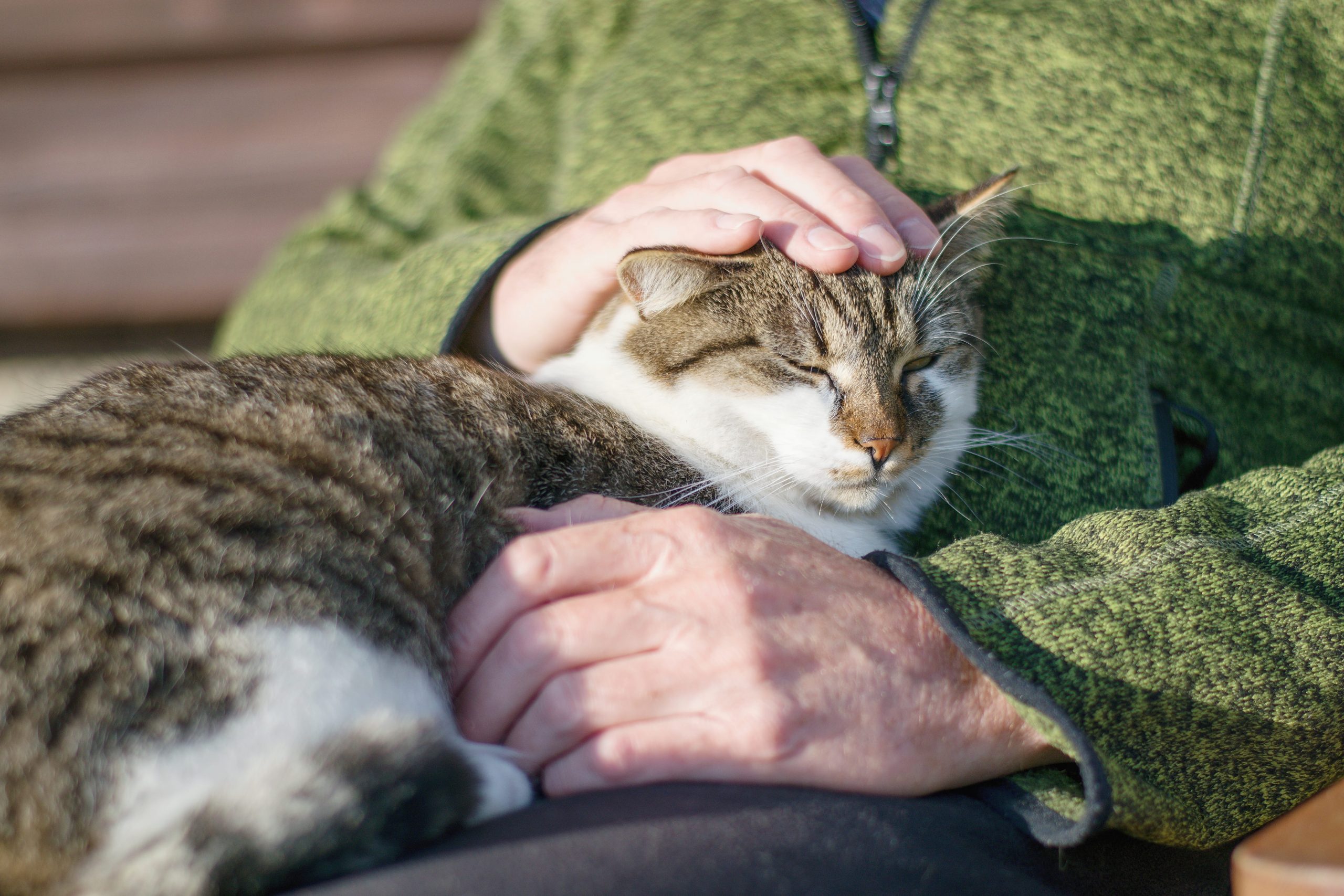
man petting cat

Understanding the Benefits of Pet Therapy for Hospice Patients

By Educational, Hospice, Pets

Hospice patients and their families carry a tremendous emotional weight during the transition to end‑of‑life care. During the difficult moments, they often seek joyful moments and opportunities for meaningful experiences to help alleviate the stress that comes with this trying time.

While hospice care alone is designed to improve quality of life for terminally ill patients, pet therapy can add a powerful source of connection and comfort. But what is pet therapy, and how does it benefit hospice patients?

man petting catWhat is Pet Therapy?

Pet therapy provides hospice patients with comfort and support through companionship with a qualified furry or feathered friend. This kind of therapy uses animals to lift the spirits of those who are facing life’s final chapter and dealing with the anticipatory grief that accompanies it. Also referred to as animal-assisted therapy, or AAT, pet therapy provides animals that are trained to help reduce stress, improve overall mood, and promote physical activity for those in hospice care.

elderly couple with dog

How Can Hospice Patients Benefit from Pet Therapy?

1. Emotional Encouragement

Pets bring joy by improving moods, decreasing feelings of isolation, and providing companionship to even the most difficult-to-reach patients. This type of therapy provides a sense of purpose for patients and can help reduce negative feelings towards other forms of therapy, like physical or occupational, when they have a furry friend alongside them.

2. Mental Support

Pet therapy increases mental stimulation and has the potential to evoke cherished memories of a beloved pet or childhood experience. Companionship from a therapy animal can release hormones like oxytocin, serotonin, and prolactin, boosting moods and promoting relaxation.

3. Physical Benefits

Pet therapy also has proven physical health benefits. Studies show that petting an animal can lower blood pressure, decrease heart rate, and promote overall well-being. Additionally, when a therapy pet is around, hospice patients are generally more motivated to exercise by playing, cuddling, petting, or walking their animal companion. And in some cases, a therapy animal can even assist with physical and occupational therapy.

4. Social Empowerment

Animal-assisted therapy visits reduce loneliness and boredom by providing a companion that patients can form a different type of connection with, offering them an outlet for their emotions. Sometimes, patients who don’t readily engage with others will open up and interact more easily with an animal. This can be especially beneficial for those with dementia or Alzheimer’s who might struggle to communicate comfortably.

Overall, pet therapy offers a range of advantages to address various needs among hospice patients. They can bring joy, comfort, and a sense of fun companionship to those who may feel lonely or are in search of connection. All patients, regardless of allergies or mobility restrictions, can benefit from the program and experience the company and joy of engaging with compassionate animals.

yellow cockatiel

Which Animals are Commonly Used in Pet Therapy?

Dogs

Dogs are great at sensing subtle human emotions and using their presence to bring comfort. Fully trained therapy dogs and their handlers can visit hospice patients a couple of times a month, or sometimes weekly, to provide companionship and build relationships.

Cats

Cats bring a playful, loving, and quiet presence and are among the most requested pet therapy animals. While cats cannot be trained in the same way therapy dogs are, they can learn specific cues and perform tricks to bring joy to those receiving hospice care.

Miniature Horses

Miniature horses, now the second most common therapy animal, are ideal for individuals who need a calm and gentle companion. Considered a light activity, grooming and petting a miniature horse provides sensory input and supports motor skills.

miniature horse grazing

Rabbits

Rabbits are a great alternative for patients who are allergic to cats or dogs. They can fit in someone’s lap as a cuddly companion for plenty of petting, which is a comforting activity that provides great tactile stimulation.

Birds

Birds are fun and unique therapy companions. Although they require a great deal of training before being ready to serve, their cheerful behavior brings a lot of entertainment and laughter to patients and their families.

Pigs

Pigs are highly social and intelligent animals that can easily pick up on a person’s emotional state. They can also lend a helping hoof with physical and occupational therapy, supporting patients who are working on mobility!

nurse/vet holding rabbit

What are the Benefits for Family Members?

While it can be heartbreaking to witness the mental and physical decline of a loved one, pet therapy offers a unique source of comfort and joy, not only for patients but also for their families and caregivers. The playful nature of a cat, the cheerful chirp of a bird, or the soothing presence of a rabbit can create memorable moments that might otherwise feel out of reach.

These interactions often provide families with rare opportunities to connect meaningfully, such as when a loved one lights up at the sight of an animal after being difficult to engage person-to-person. Or someone who grew up around horses but now struggles with communication may experience a flood of cherished memories when meeting a miniature horse, turning an ordinary day into something extraordinary. Such encounters can bring joy to the patient’s family and remind them of the profound impact of meaningful connection.

family with nurse and dog

As pet therapy grows in popularity, research reveals increasingly unique and powerful connections. This form of therapy has been proven to lift patients’ spirits and create meaningful opportunities for connection, thereby improving their mood and supporting other types of therapies they may require. The benefits of pet therapy are astounding, so if you have a loved one currently in hospice care, consider speaking with your hospice care team about inviting a therapy animal for a visit.

different types of makeup spread out on a table with a lighted mirror in the background

What is a Mortuary Cosmetologist?

By Educational

After losing a loved one, you and your family will face a range of emotions and will each experience your own journey toward healing with unique needs. For many, seeing a loved one’s body in person following the death (often called a “viewing”) is a necessary and crucial part of the healing process.

If you’ve chosen to include a viewing, a team of people will prepare the body and ensure that your loved one looks just as you remember them. A mortuary cosmetologist is a key person assisting in the restoration and preparation process. But what is a mortuary cosmetologist, and how do you become one? Let’s talk about it.

a white rose on top of a closed casket with people blurred in the background

What is a mortuary cosmetologist?

If a family is interested in an open-casket viewing, visitation, or funeral service, the body must be prepared in a specific manner. A mortuary cosmetologist, or mortuary makeup artist, is a professional who prepares the body for the family.

At the arrangement conference, the family will provide a reference photo for what their loved one looked like in life. Using the image, the mortuary cosmetologist will employ various techniques to temporarily restore the body to a familiar state. Then the family can view their loved one in a recognizable form. By providing this service, the mortuary cosmetologist ensures that the deceased is treated with dignity and looks as they did in life, which can bring comfort to the grieving family.

different types of makeup spread out on a table with a lighted mirror in the background

What methods does a mortuary cosmetologist use?

Through the restoration process, a mortuary cosmetologist may employ several different artistic techniques to ensure that your loved one appears as you remember them.

Applying creams and lotions

Through a combination of creams and lotions, the artist restores the skin on the face as much as possible. These creams focus on rehydrating and preserving the skin, as well as providing a base layer before makeup application. Additionally, if there is trauma to the face, a more specialized cream can be used to aid in restoration.

Applying makeup

A mortuary cosmetologist uses professional makeup to help the deceased look more like themselves. This isn’t typical, everyday glam makeup. Instead, it is a special mortuary-grade makeup used to add color and give the skin a more lifelike look.

Fixing hair and nails

Another aspect of preparing the body for viewing is hairdressing and cleaning the nails. Families can request a specific hairstyle or nail color for their loved one. This act of care ensures that the body appears neat and respectable, making a loved one look more recognizable to the family.

Using prosthetics and wax

In some instances, prosthetics or wax may be required to restore and reshape a part of the face or body. The cosmetologist will make molds and repair damaged body parts to restore a loved one’s appearance as much as possible.

a makeup brush applying makeup on an eyelid

Are you interested in becoming a mortuary cosmetologist?

If mortuary cosmetology piques your interest, that’s great! However, there are some important aspects of the job you should consider. When deciding if mortuary cosmetology might be the right fit for you, ask yourself the following questions.

  • Do you have “the stomach” for this profession? Performing the duties of a mortuary cosmetologist is not for the faint of heart. Most importantly, you must feel comfortable working with corpses on a daily basis. Not everyone is suited for this profession, so consider it carefully.

  • Do you possess the necessary qualities? As a mortuary cosmetologist, you aren’t only interacting with the deceased but also with their families. During their time of need, you will need to be empathetic, supportive, and respectful to the families who are entrusting you with their loved one.

  • Is this a sustainable profession for you? As with any profession, you want something you can stick with for a long time, especially when there are classes and certifications involved. Consider whether mortuary cosmetology is sustainable for you and something you can commit to long-term.

Two people's hands, doing a handshake and passing off a diploma

How do you get started?

If you’re interested in pursuing the field of mortuary cosmetology, there are a couple of routes that will give you the required training to enter the industry.

Mortuary Science degree

One way to become a mortuary cosmetologist is to obtain a Mortuary Science degree. By earning this degree, you will learn about different processes, including embalming and the preservation of remains. While embalming is not always a necessary skill for a mortuary cosmetologist, it is beneficial to know about the process and what it might mean for you as an artist.

Additionally, due to the nature of the job, a mortuary cosmetologist must be very familiar with human anatomy. Choosing this route allows you to understand mortuary cosmetology from the perspective of a funeral director and anticipate what is expected in postmortem makeup.

Cosmetology degree

Another option for entering this field is obtaining your cosmetology license through a state-accredited cosmetology school. Typically, you will need to earn your Associate of Applied Science in Cosmetology. You could also complete a certificate program and then pass a certification test.

Through your training, you will learn the necessary skills required to apply makeup and fix hair. However, additional training in the restorative arts may be required to ensure that the skills are effectively translated to mortuary cosmetology.

One key benefit of this route is that it may make it easier to pursue a career in a different cosmetology field in the future. If mortuary cosmetology isn’t the best fit for you, you could work as a makeup artist or hairstylist in another field.

Both of these options provide the experience you will need to become a mortuary cosmetologist. Once you have the essential credentials, you can apply for a job through a hiring platform or, more commonly, by word of mouth. Roles vary from becoming a full-time mortuary cosmetologist for one funeral home to part-time at multiple locations.

hand on top of another hand on a bed

Hopefully, you now have a deeper understanding of what a mortuary cosmetologist does and how to become one. Ensuring a deceased loved one looks their best can positively impact the grieving family. Plus, it can be a fulfilling career for the mortuary cosmetologist. If you are interested in becoming a mortuary cosmetologist, you can also speak to a local funeral home and see if they have any suggestions or advice.

Disclaimer: When pursuing your mortuary cosmetology certifications, always research the laws in your state, as they can vary significantly. Ultimately, whichever path you choose needs to fit your preferences and lifestyle.

Root system of moss-covered tree in a forest

An FAQ Guide to Natural Organic Reduction

By Educational, Explore Options, Planning Tools

Have you ever heard of natural organic reduction? If you haven’t, don’t worry! Today, we’re going to discuss some frequently asked questions about this new service option, so that you can be informed when making end-of-life decisions. Let’s get started!

Root system of moss-covered tree in a forest

What is natural organic reduction?

Natural organic reduction is the process of transforming human remains into nutrient-rich soil through controlled natural decomposition. Washington State was the first to legalize natural organic reduction, and other states have followed suit since then. Both gentle and sustainable, natural organic reduction is considered a “green” funeral option and has become an eco-friendly alternative to classic burial and cremation.

Does natural organic reduction go by any other names?

Yes, you may come across several names as you research this service option. In addition to natural organic reduction, you may find it called human composting, soil transformation, recomposting, recomposition, and terramation.

Dirt walking path through a forest of trees with blue sky above

How does the natural organic reduction process work?

Typically, the process occurs in phases and can take 8 to 12 weeks to complete. The body is laid in a specially designed vessel and surrounded by wood chips, alfalfa, and straw. Over the next several weeks, microbes created by these natural materials will accelerate the decomposition process and break down the body, resulting in nutrient-dense soil. There will then be a curing period of three to five weeks before the soil is returned to the family.

Is natural organic reduction more eco-friendly than other traditional options?

Research has found that natural organic reduction uses 87% less energy than traditional burial or cremation. Additionally, the soil created through the natural organic reduction process can nurture the ecosystem by filtering water, providing nutrients for plants, and releasing carbon in a way that is less harmful to the environment.

New green growth of a plant in dark soil

Can I have a funeral service with natural organic reduction?

Yes, you can have a service! There are several options, and the funeral home staff can review them with you. Most commonly, you can:

  1. Have a service before the natural organic reduction process has begun,
  2. Have a memorial service (no body present) at any time, or
  3. Wait until the soil has been returned to you and host a scattering/tree planting service, memorial service, or whatever kind of gathering you prefer.

No matter what you choose, personalizing the final tribute is a meaningful way to celebrate and honor the essence of your loved one’s life and legacy.

Is there anyone who isn’t eligible for natural organic reduction?

Body size and weight do not matter, but there are a few things that will disqualify a person from being eligible for natural organic reduction.

  1. The natural organic reduction process destroys most harmful pathogens. However, there are three rare diseases that disqualify a body: Ebola, prion diseases such as Creutzfeldt-Jakob Disease, and active tuberculosis.
  2. For patients who have received radiation seed implants, the seeds must be removed, and 30 days must pass before they are eligible for natural organic reduction.
  3. Embalming disqualifies a body for natural organic reduction, so any bodies donated to science are ineligible. However, you can be an organ donor and still choose natural organic reduction.

Person planting new plant shoots in dark soil

What happens to bones, teeth, and implants during the process?

Bones and teeth: Because of their mineral composition, bones and teeth do not fully break down during the natural organic reduction process. However, once the soil is ready, the bones and teeth are removed and then ground into a fine powder. The bone powder (ashes) is then added back to soil and will further enrich its nutrient-density.

Implants, artificial limbs, and tooth fillings: Once the process is complete, the soil is screened for non-organics like implants, artificial limbs, and tooth fillings. When possible, these items are recycled.

Pacemakers: If a pacemaker is present, it will be removed before the natural organic reduction process begins.

How much soil does that natural organic reduction process create?

The amount of soil created really depends on the size of the person and how much plant material (wood chips, alfalfa, straw) was used during the natural organic reduction process. After choosing a service provider, you can ask how much soil their specific process creates.

Garden bed with spade, work clothes, and small, red flower

What can you do with soil created by natural organic reduction?

Once the soil is returned to your family, you can use it to create a garden, plant a memorial tree, scatter it in a natural environment, or whatever else you’d prefer. You can place the soil on private property with permission from the owner. However, with public spaces or conservation areas, check local guidelines and ordinances first.

Alternatively, many service providers also partner with at least one non-profit land conservation organization. Rather than take the soil home, you can donate it to a land conservation project, and it will be used to restore forests and revitalize protected areas.

Can the soil be shipped?

Yes, shipping to most locations in the United States is available. However, due to the variety of regulations involved, international shipping is generally not available. To get specific information, speak with your chosen funeral home about shipping costs and regulations.

Forest floor with tree trunks, ferns, moss, and dried, brown leaves

Can I have a grave marker if I choose natural organic reduction?

Typically, families choose to scatter or bury the soil, use it in gardening, or donate it to a conservation partner to help nourish the land. If you wish to commission a grave marker, you certainly can. However, keep in mind that there likely won’t be a traditional gravesite where you can place a grave marker. You will need to be creative with your placement or opt for a plaque or memorial stone instead.

How does the cost of natural organic reduction compare to other funeral options?

Pricing generally depends on the provider you use and the state you live in. However, many providers are actively keeping the cost comparable to burial and cremation.

Mature woman biking through green forest

Where is natural organic reduction legal?

As of February 2026, natural organic reduction is legal in 14 states: Arizona, California, Colorado, Delaware, Georgia, Maine, Maryland, Minnesota, Nevada, New Jersey, New York, Oregon, Vermont, and Washington. More states are likely to approve this final disposition option in the years to come, so speak with a trusted funeral professional if your state is not listed.

Can you preplan with natural organic reduction?

Absolutely! The only difference is that you should look for a funeral home that offers natural organic reduction as part of their service offerings. If you do that, then the funeral planning process will be seamless for you and your family.

Hopefully, you now feel more informed about natural organic reduction! If you’d like more information, reach out to a trusted local funeral home. Even if they don’t offer natural organic reduction themselves, they can point you in the right direction.

Colorful stack of printed photographs

Sharing Your Story with Legacy Projects

By Educational, Grief/Loss, Memorial

Acknowledging our own mortality can feel uncomfortable, but deep down, we all want to be remembered after we’re gone – not just for the things we accomplished, but for who we are. Every person’s life tells a unique story, a treasure trove of wisdom, love, and experiences worth sharing. Unfortunately, too many of our loved ones’ stories go untold, but it doesn’t have to be that way. Legacy projects offer a meaningful way to share your story and support your family through the grief that comes after losing a loved one.

What are Legacy Projects, and Why are They Important?

Legacies come in many forms. Some are tangible, such as heirlooms or lasting contributions, while others are intangible, including the values we pass on and the memories we leave behind. Legacy projects help preserve your values, knowledge, and contributions in a meaningful way. They also allow you to weave your story with intention, building a bridge between your past and your family’s future.

Comfort, two people holding hands

But how do legacy projects benefit both you and your family? Legacy projects can create a map of meaningful moments that benefit both you and your loved ones on the journey through grief.

  • For you: This kind of project encourages reflection, providing emotional clarity while also giving you a way to pass down valuable insight, skills, and traditions. It could become a legacy that future generations continue, honoring your memory and the impact you’ve made.
  • For your family: Cherished keepsakes can serve as a physical reminder of you, providing comfort after you’ve passed. A project built around your story can bring people together and create a new tradition of sharing your life with those yet to come.

Additionally, Dr. Alan Wolfelt, a nationally respected grief counselor and author with decades of experience helping the grieving, talks about how going backward through memories can bring comfort: “In my experience, remembering the past is the very thing that eventually makes hoping for the future possible. Mourners’ lives will open to renewed hope, love and joy only to the extent that they first embrace the past.” By helping your loved ones embrace the past, you help them process their grief and move forward to the good the future holds.

Colorful stack of printed photographs

How to Choose a Legacy Project

When you set out to create a legacy project, knowing where to begin can be a challenge. Here are three thoughtful questions to consider if you’re ready to get started! These questions are designed to help you tune in, connect with your passions, and start shaping a project that truly reflects who you are.

How do you want to be remembered?

Take time to reflect on what is most important to you – your values, impact, and the legacy you hope to leave behind. Set aside time each week for quiet reflection. Keep a journal or notepad nearby to jot down your thoughts as they arise. Additionally, looking back at photographs, journals, or cherished memories can help guide you towards what project you want to create.

What has been meaningful about your relationships?

If you and a loved one shared an interest, then you might consider a legacy project around that shared topic. For example, if you and your daughter love going to see plays at the theater, you could create a scrapbook with photos, playbills, and ticket stubs. After gifting the project to your daughter, it will become a gentle invitation to revisit memories of you. Do you have a Sunday breakfast tradition with your grandchildren? You could create a Family Breakfast Cookbook and fill it with handwritten recipes, along with notes about the memories tied to each one. Like when your grandson flipped the pancakes too early, or the eggs you scrambled perfectly together. Think through your relationships and consider who might benefit from a legacy project based around a shared interest.

Hands baking together

Do you have any hobbies that bring you joy or help you unwind?

Think about activities that are meaningful to you. Whether it’s knitting, baking, collecting, writing, painting, reading, or traveling, you can use your talents to create a legacy project that truly reflects who you are. Do you have a favorite spot at the park, a timeless handmade quilt, or an assortment of vintage cameras that you once used to document your travels? Whatever you choose, you can turn what you love into a lasting legacy.

If you get stuck, ask your family members or close friends for brainstorming help or reach out to those who may want to be involved in preserving your legacy after you’ve passed.

More Ways to Share Your Story

Even with the questions above to help, you may still feel unsure about where to begin. Here are some more suggestions to ignite your own imagination and get your ideas off the ground!

For the writers:

Journals or letters filled with words of wisdom are a powerful way to pass down values and life lessons to your loved ones when advice and encouragement are needed. You can even write letters for memorable milestones like graduations, weddings, and other life events.

For the sentimental:

Photos and photo albums, both physical and digital, can serve as visual stories to spark conversations. Memory capsules are another way to pass sentimental items on to your loved ones to help them heal.

For the foodies:

Do you have a secret recipe, or is there a dish you make that everyone loves? Creating a recipe book or curating a box of favorite recipes is a meaningful way to pass your legacy down through the memories tied to smell and taste.

Box of recipes

For the tech-savvy:

Digital videos and voice recordings are an excellent way for your loved ones to revisit time spent with you. This type of project will help preserve your laughter and presence in a form that can be replayed, bringing comfort and maybe even joy in grief.

For the adventurers:

Talk with your loved ones about meaningful memorials. Have you thought about a bench in your favorite park or a plaque at your most visited ballfield? Additionally, if you’re considering cremation, you might ask your family to scatter your remains in a place that holds special meaning.

For the collectors:

Your treasured collections, such as cameras, art, model trains, or sports memorabilia, carry stories and significance. Passing them on as meaningful gifts ensures that your interests continue to inspire.

Collection of cameras

For the creatives:

Do you have a portfolio or print pieces that include photography or paintings you’ve created? Have you written poetry or music that you would like to be kept in the family? These items can offer comfort and connection, helping your loved ones feel close to you through art or music.

For the readers:

Some books have been in the family for generations as cherished heirlooms. For example, a father or grandfather might read a story every holiday season, and family members may want to carry on the tradition! If your collection holds sentimental or historical value, consider how you’d like it to be preserved.

For the philanthropists:

Do you have a favorite nonprofit organization that you regularly donate to? Would you like for someone in your family to continue supporting a cause in your name? Discuss the possibility of donating to a foundation of your choice with your loved ones.

For the old souls:

Does your family have a special tradition or any beloved items that have been passed down through generations? Family Bibles, antique furniture, jewelry, and quilts can be wonderful items to pass down through the family tree.

colorful quilt collection

Start Telling your Story Today!

Hopefully your creativity is sparking, and you’ve come up with an idea for a legacy project (or even several!). While it may be uncomfortable to think about the end of your life, there’s comfort and healing in telling your story.

A gentle exploration of how you want to be remembered can be a powerful and grounding experience. Completing a legacy project and gifting it to someone you love creates an emotional impact that lasts. For years to come, they’ll have something that’s tangible and meaningful to help them connect back to you. How would you like your story to be told?


Young woman in pink sweater and glasses sitting at home and going over her estate plan

Avoid These 6 Estate Planning Misconceptions

By Educational, Estate Planning

A 2025 survey found that only 31% of Americans have a legal will and 55% of Americans have no estate plan at all. These figures tell us that most American families are unprotected and unprepared regarding legal matters should an unexpected death occur in the family.

You may be asking, “But what is an estate plan?” An estate plan refers to many documents, including but not limited to a legal will, a living will, a financial or healthcare power of attorney, and a trust. A combination of these documents will make up a person’s estate plan.

So, why aren’t Americans completing an estate plan? Let’s talk through 6 misconceptions around estate planning that lead many families to de-prioritize the planning process and create unintentional confusion and headaches for surviving family members.

the words "estate planning" on light teal background

Reason #1: “An estate plan is only for senior adults”

In many ways, estate planning has become associated with advanced age. Because senior adults (65+) have lived longer, worked longer, and often accumulated more wealth, the general thought is that they are more likely to need an estate plan.

However, a 20-something who’s just starting out has just as much need for estate planning documents as an 80-year-old at an assisted living facility. Why? Because both people have assets, possessions, and online accounts tied to their names.

Without a clear estate plan, both the family of the 20-year-old and the 80-year-old will have difficulty untangling an estate. In some ways, the 20-year-old’s estate may be harder. After all, the 80-year-old may have verbally conveyed some wishes while the 20-year-old probably never considered it. So, regardless of age, it’s always a good idea to have a plan for your estate.

Young woman in pink sweater and glasses sitting at home and going over her estate plan

Reason #2: “An estate plan is only for the wealthy”

Next, you may think that estate planning is only for the wealthy. While the wealthy do have more assets and properties to distribute, estate planning is not dependent on having a specific amount of wealth. In many ways, estate planning is about more than money.

It’s about the family heirlooms, the sock drawer money, the paid-off car, and the house you’ve lived in for years. Whether you have $100 to your name or $1 million, your family needs direction and guidance to understand your wishes and ensure that the right people inherit and receive what you want them to receive.

Family of three sitting with estate planning attorney, reviewing documents

Reason #3: “Estate planning will be too expensive”

The cost of estate planning ultimately rests in your hands. While there are expensive options out there, you can choose an estate planning route that comes with minimal cost.

For those who have a complicated estate, it may be worthwhile to get in contact with an estate planning attorney who can help you walk through all the details. However, for those with uncomplicated, straightforward estates, you can complete basic estate planning documents for a nominal fee.

And if you prefer to work directly with an estate planning attorney no matter what, you can call around until you find a firm or attorney that fits into your budget and meets your needs.

Happy couple smiling at estate planning attorney as they complete estate plan

Reason #4: “I have plenty of time”

Most of us don’t spend much time actively thinking about our mortality. It’s something we tend to avoid thinking about, which is why so many people assume they have plenty of time to complete an estate plan.

But the fact is that none of us know the length of our days. More than likely, all of us can name someone who died much too early or quite unexpectedly. Rather than leave things to chance, take charge and make decisions today.

By outlining your estate planning wishes now, not only will you have peace of mind that everyone you love is taken care of, but the people you love can experience incredible assurance that you’ve considered everything and made plans for the future.

Mature couple sitting at home with attorney to discuss estate plan

Reason #5: “I don’t need an estate plan”

For some, you may think you don’t need an estate plan. Maybe you live paycheck to paycheck or you’ve never been able to buy a home or invest in anything. You’re not alone! According to a report put out by PNC Bank, around 67% of workers are living paycheck to paycheck.

While your financial situation may make it seem like you don’t need an estate plan, that’s not the case. Even if your financial assets are minimal, there are still many end-of-life concerns that need your input.

Let’s discuss a few examples. A legal will allows you to designate a guardian for any minor children or pets. A living will encourages you to outline your wishes regarding life-saving medical care. A power of attorney gives your chosen representative the ability to make decisions if you become incapacitated, including paying your bills, making medical decisions, and accessing your online accounts.

Whether you have monetary assets or not, you do have many reasons to complete an estate plan and ensure your wishes are known.

Three people reviewing documents

Reason #6: “I’ve never thought about it”

And lastly, it could be that you just haven’t thought about estate planning at all. It could be because you don’t feel you qualify, but it could also simply be not knowing. In life, we don’t know what we don’t know.

So, consider this your public service announcement: An estate plan matters, and by putting one together (no matter your financial situation), you will make closing your estate and distributing your assets and heirlooms much easier on your family during a time of grief.

Post-it note that says "Time to Plan" sitting on a desk

So, What’s Next?

Now that you understand why estate planning matters and that it applies to you, how do you get started?

  1. Download our free estate planning checklist (download here)
  2. Make an appointment with an estate planning attorney
  3. Look into community and online resources

Further reading on estate planning

DISCLAIMER: Individual circumstances and state laws vary, so only undertake estate planning with the help and assistance of an attorney licensed in your state.

Middle-aged couple sitting at table and reviewing estate planning documents with advisor

11 Reasons Why You Should Start Estate Planning Now

By Educational, Estate Planning

Far too often, estate planning stays at the bottom of the to-do pile, and because of that, surviving family members are left with an estate to untangle and questions to answer. For some families, the lack of an estate plan can lead to years of court appearances and loss of money. But it doesn’t have to be that way. Today, let’s talk about 11 reasons why estate planning is useful and why you shouldn’t put it off.

Pen and notebook paper with estate planning checklist written on it

11 Reasons Why You Should Start Estate Planning Now

First, let’s define “estate plan.” An estate plan is the process of anticipating and managing financial, medical, and guardianship issues that will arise after your death or if you become incapacitated. Think of estate planning as a road map for your family, giving them a clear vision of how to care for your health, possessions, assets, children, pets, and more.

The most common estate planning documents to consider are the financial power of attorney, medical power of attorney, living will, legal will, revocable living trust, and funeral plan.

Not every reason on this list will apply to you, but if even one reason connects to your life, then it may be time to put together an estate plan.

Young mother and father with baby putting together a legal will with attorney

1. Protect Your Minor Children

If you have children under 18, an estate plan can be essential for their care if something should happen to you. By completing certain documents, you can designate a guardian and set aside an inheritance for your children’s future. Without a plan in place, children may go through foster care or experience a period of instability on the way to a permanent home. By completing a few documents, especially a legal will, you can provide for your children if anything unexpected occurs.

Woman in gray sweater sitting on floor next to dog and looking at estate planning documents

2. Outline Future Care for Pets

Pets are family members, too, and to guarantee their well-being after your passing, you can include them in your legal documents. When a pet’s care is left unaddressed, it’s possible that they may be dropped off at a shelter or humane society rather than taken in by a loving family. To protect your pet’s future, consider taking steps to ensure that they go to a happy and healthy home should anything happen to you. To learn more, read Protect Your Pet: 4 Steps to Create an Estate Plan for Your Pet.

Two family members sitting on a couch facing away from each other in a disagreement

3. Minimize or Prevent Family Disagreements

All of us know that money can make people a little bit crazy. Sometimes it’s easy to tell who will cause problems, and other times, it’s not. By putting together an estate plan, you can significantly minimize or completely prevent any squabbles amongst your surviving loved ones. An estate plan will clearly outline your wishes regarding who gets what, when they get it, who’s in charge, and more. And because the documents are legally binding, any difficult people will have to go along with it.

Couple sitting at table with advisor and discussing estate plan

4. Specify How Your Assets Should Be Distributed

You might say, “I don’t have a lot of money. Why do I need a will?” The word “assets” refers to much more than just money. It’s your car, your house, your accounts, and your cherished heirlooms, to name a few. All of these items belong to you, and you should be the one deciding what happens to them after you’re gone. If you don’t have an estate plan, it’s often up to state law to determine what happens, and your family may or may not benefit. By completing a few documents now, you can ensure everything goes to the right people.

Court gavel in probate court

5. Avoid Probate Court and Preserve Privacy

For some families, a revocable trust may be an excellent option because it allows you to skip the costly and time-consuming probate court process. At probate court, the legal will is authenticated, and a plan is set to pay bills and taxes before distributing to the rightful heirs. Depending on your state, it can be a complicated process, especially if someone decides to oppose the will. However, with a trust, you can completely avoid probate court and appoint your own executor, who will take care of everything privately and out of the public eye.

Couple sitting at table with advisor in suit as they look at documents together

6. Choose a Trusted Estate Executor

An executor is the person who carries out the desires and directives you’ve written in a legal will. You can designate someone you trust as executor, but if you don’t have a legal will, everything will fall to the state. The state-appointed executor will then decide what to do with your assets and property. While they will follow state law, the end results may not benefit your family. However, by completing an estate plan and choosing an executor, you can avoid this unnecessary complication.

Mature couple looking at documents with an attorney in the comfort of their home

7. Manage or Minimize Estate Tax Issues

Another reason to set up an estate plan is to manage or minimize taxes associated with state/federal estate tax laws or inheritance laws. Without a plan, these taxes could significantly affect what’s left for your heirs. However, you can reduce the tax on your overall estate when your estate plan is properly structured. It’s best to speak with an estate planning attorney to discuss the right options for your particular estate. With their help, you may be able to legally avoid expensive taxes that can negatively impact your estate.

Mature mature and her female doctor sitting on couch and discussing medical care

8. Document your Medical Care Wishes

Not to be confused with a legal will, the living will is a document that outlines your medical care wishes should you become incapacitated. In this document, you provide guidance on which medical procedures you are okay with and which you aren’t. For example, some people may include DNR (do not resuscitate) orders in their living will. The biggest benefit to completing a living will is that you provide family members and doctors with a comprehensive understanding of your wishes so they can make decisions appropriately.

Focus on two people holding hands, one with a hospital IV inserted

9. Avoid a Guardianship Appointment

A power of attorney (POA) allows a designated representative to legally act on your behalf. This means that they can make financial or medical decisions, pay bills, and sell property, to name a few. However, if you become incapacitated and don’t have a POA, it’s possible that no one (including your spouse) will be able to act for you. In this event, the court must appoint a guardian for you, which can be an expensive and lengthy process. However, with a POA in place, your loved ones can make decisions on your behalf with ease.

Couple sitting on couch and talking with representative about charitable gifts

10. Arrange for Charitable Gifts

If you’d like to support an organization or charity by leaving a charitable gift (or bequest), then you’ll want to use your estate plan to set everything up. There are ways to designate certain finances to go to a specific organization, and when properly structured, you can do so without losing much to taxes. If you plan to give a large amount or would like to create a new scholarship fund at an institution, reach out to the organization itself first. Their knowledgeable staff will help you navigate all the steps.

Father and son sitting on couch and laughing together, completely at peace

11. Give Everyone Peace of Mind

And last but certainly not least, completing an estate plan will give you – and your survivors – peace of mind. Creating an estate plan takes time and can be a bit stressful. Imagine having to do everything after a loved one has already passed away and can no longer answer questions or give opinions. It’s one more stress added to an already difficult time of loss. Instead, by putting in the work now, you can give everyone peace of mind and remove a future burden from your loved ones’ shoulders.

Middle-aged couple sitting at table and reviewing estate planning documents with advisor

Why Is It Important to Plan Now?

In short, the most compelling reason why you should start putting your estate plan together now is that none of us know the length of our days. For many of us, it will be decades before there’s even a hint of a health problem. But for some, an accident or a diagnosis can come without warning and much too early.

Because the future is unknown, take the time now to protect your children, your pets, and your assets. Without your forethought, there’s no telling what may happen after you’re gone. It’s never too early to put together an estate plan, but it can be too late.

To begin preparing a comprehensive estate plan, make an appointment with a local estate planning attorney or look online for resources in your area. While it will take time to put everything together, your family will be so grateful in the end.

Couple sitting at table and discussing estate plan options with expert

Additional Estate Planning Resources

DISCLAIMER: Individual circumstances and state laws vary, so any estate planning should only be undertaken with the help and assistance of an attorney licensed in your state. 

Uniformed military personnel resting hand on flag-draped casket

20 Ideas for Personalizing a Veteran’s Final Tribute

By Educational, Meaningful Funerals, Personalization, Veterans

Honoring a veteran’s life and service goes beyond commemorating their time in the military; it’s about acknowledging their personal sacrifices, valor, and the unique stories that shaped their lives. From their active-duty service days to their veteran years and family memories, a veteran’s life is made up of many different facets. Today, let’s talk about 20 ideas for how you can personalize a beloved veteran’s funeral. These will help you honor and celebrate their military service in a way that is tailored to their one-of-a-kind story.

20 Ideas for Personalizing a Veteran’s Final Tribute

Uniformed military personnel resting hand on flag-draped casket

1. Request military honors

One of the most recognized options for honoring a veteran is military honors. This ceremonial option commonly includes the folding and presentation of the flag, playing Taps, and a salute from uniformed personnel. It may also include other elements, but the details can be worked out with a funeral director.

2. Invite guests to attend in uniform

If you expect any current or former service members to attend the final tribute, invite them to wear their uniform. This simple act will be a visual reminder to everyone that your loved one proudly served in the Armed Forces.

3. Choose a venue with significance

If you’d like, you can highlight a veteran’s service by choosing a venue with military significance. For example, have the service in an old USO building or contact the local VFW or American Legion Post to see if they can host. Or, if you choose burial at a national cemetery, you could ask for additional military honors, such as uniformed pallbearers.

4. Incorporate personal keepsakes & memorabilia

Every veteran will have special items and keepsakes associated with their time in military service. You could display awards, medals, challenge coins, patches, or ribbons in a shadow box. Create a uniform display on a table or use a dressmaker’s mannequin. Or you could put together a memory table where photos and keepsakes are shown.

Bugle resting on top of an American flag

5. Prepare a personalized event program

It’s common practice to create a personalized event program, where the songs, speakers, and other events are clearly outlined for attendees. For a veteran, you could use a patriotic color theme, include photos, and list their rank, awards, and deployments. For the design, you can also add insignia, logos, or the American flag or eagle.

6. Ask fellow veterans to speak during the eulogy

If your veteran was still in touch with old buddies or was involved at the local VFW or American Legion, you could ask fellow veteran friends to speak at the eulogy. With their own history in military service, they may add a unique perspective and highlight your loved one’s time in the miliary.

7. Create a video montage of the veteran’s life

While a video tribute should include every aspect of a person’s life, you can add specific details to commemorate their time in the service. Include photos of the person in uniform or volunteering with local veteran organizations. If available, you could also include video footage of graduations, promotion ceremonies, and other significant military milestones.

8. Decorate with patriotic colors or floral arrangements

Personalization has become the new norm, which means you can decorate the funeral venue with a theme, if you wish. For a veteran, you could use red, white, and blue as the signature colors during the service. Alternatively, you could invite guests to wear these colors or place patriotic floral arrangements in prominent places throughout the venue.

Red, white, and blue flowers

9. Select customized funeral merchandise

The funeral home will offer many types of merchandise, from caskets and urns to guestbooks and memorial jewelry. If you’d like, you can choose items that align with a military theme. For example, select a guestbook or an urn inscribed with the American flag or other military imagery.

10. Design a personalized monument

If you’ve decided to honor a veteran with burial or inurnment at a local cemetery, you can work with a local monument company to design a personalized grave marker. As part of the design, you could include a military medallion, a photo, or the insignia for the veteran’s service branch or unit.

11. Give guests a remembrance token or keepsake

At some funerals, guests are invited to take home a remembrance token or a keepsake. For a veteran, you could design a custom patch or challenge coin. Alternatively, you could create a bookmark with their photo in uniform or give away miniature American flags or pins. There are many options to choose from!

12. Add a timeline of the veteran’s life

Many military families move around, so it’s possible that a veteran has lived in many unique places. To highlight those cities and/or countries, you could add a timeline of the veteran’s life or display a map with pins added for each place they lived. Another option is creating collages or shadow boxes for each location with photos and mementos.

Red pins pushed into map

13. Encourage donations to support veteran organizations

For families who prefer not to receive flowers, you could instead encourage guests to give memorial donations to organizations that aid veterans and their families. You could look into local non-profits or direct people to national options, like Wreaths Across America or the Wounded Warrior Project.

14. Play ceremonial and patriotic music

In addition to national songs like “America the Beautiful” and the “Star-Spangled Banner,” every service branch has their own anthem, hymns, and related melodies. For example, the U.S. Navy is closely tied to the famous march “Anchors Aweigh” and the hymn “Eternal Father, Strong to Save.” With a quick online search, you can find the songs most beloved by your veteran’s service branch.

15. Sing patriotic songs together

Hearing many voices raised in song can be a powerful experience. To encourage participation and honor a veteran’s military service, you can invite guests to sing the “Star-Spangled Banner” together. Or you can select another patriotic song that may have special significance to the family or to the person who has died.

16. Arrange for a military band to perform

Another musical option is to arrange for a military band to perform during the service. You could request that they play ceremonial marches, Taps, Amazing Grace, a particular branch’s anthem, or you could leave it up to the band to choose. And if an official military band is not available, perhaps a local one would be willing to step in to perform.

American flags waving from car window

17. Invite comrades-in-arms to participate

If the veteran was in touch with former comrades-in-arms, consider giving them time to share memories and express their respect. By including comrades’ stories, you not only highlight the veteran’s service, but you also create an incredibly moving moment and reinforce the power and camaraderie of bonds formed during service.

18. Read a history of the service branch

For those who are less familiar with the service branches, you could incorporate a short history of the veteran’s chosen branch. You could add the history to the printed program or include a reading on the subject. This practice could be a great way to help others appreciate the history and respect associated with the veteran’s service and dedication.

19. Include patriotic readings

Finally, you could include meaningful poems or quotes that will add an emotional and reflective element to the program. A few popular options to consider are:

20. Customize the funeral procession

If escorting a veteran to their final resting place is planned, you could add a few unique elements to the funeral procession. Provide each car with a small American flag that will rest in a rolled-up window and wave during the drive. Add patriotic streamers to the funeral hearse or ask people to listen to a provided playlist on the drive to the cemetery.

As you can see, there are so many ways to personalize a veteran’s final tribute that pay homage to their commitment and dedication during their time of military service. And if you want to brainstorm other ideas, your funeral director can help!

military funeral with headstones and mini American flags in the ground before every grave

Don’t Forget to Take Advantage of VA Veteran Burial Benefits

As you plan a beloved veteran’s final goodbye, don’t forget to request all the burial benefits they are eligible to receive. Depending on eligibility, the U.S. Department of Veterans Affairs may provide burial allowances, a government-issued headstone or grave marker, burial in a national cemetery, and more. Talk with a funeral director or visit www.va.gov/burials-memorials to look into the details. Additionally, you can browse the resources below for more information.

Succulent plant next to two blocks that read "Build Resilience"

5 Ways Gratitude Builds Resilience After Loss

By Educational, Grief/Loss

Love brings great joy into our lives, and because of how deeply we love, it can also bring our greatest sadness. After losing a loved one, you may feel lost, adrift, and unsure how to face the future. Thankfully, there are real, practical habits you can use to help you heal. One of those habits is participating in daily gratitude. Research shows that gratitude can help you build resilience, and resilience after loss is essential to moving forward in a healthy and beneficial way.

Plant showing resilience by growing in the crack of concrete

What is Resilience?

Resilience is your ability to adapt to a stressful situation. Being resilient doesn’t mean you don’t experience pain; it means that you can adapt and cope with the ups and downs of life. Many psychologists believe resilience is comprised of several qualities, including honesty, humility, optimism, empathy, and patience. Each of these traits can help you combat stress, cope with adversity, and bounce back stronger.

How Does Gratitude Build Resilience?

Research shows that gratitude bolsters our emotional resilience by motivating us to focus on the positive things in life. By intentionally looking at the good things, many people find it easier to balance the difficult things. Grief can make you turn inward, and expressing gratitude forces you to get out of your head and focus on the positive happening around you.

Here are 5 ways gratitude builds resilience:

1. Encourages Positive Reframing

Small yellow blocks that show moving from sad to happy

Practicing gratitude is not about minimizing or ignoring the grief you feel. Instead, it’s about reframing your perspective. By taking time each day to identify something positive, you broaden your point of view. Yes, grief is hard, but good still exists. You have lost someone you love, which is devastating and life-altering, but what good things still exist to anchor you? Think about your family, your pets, your friends, your passions, your hobbies, or your volunteer projects. By taking the bad with the good, you can reframe your perspective and build your resilience.

2. Reduces Stress and Anxiety

Young woman in yellow beanie hat and sweater standing calming and peacefully

Grief can bring every kind of emotion – sadness, anger, regret, and even guilt. Each person experiences a loss differently, and sometimes, it can feel very negative. Naturally, difficult emotions aren’t easy, and they may spark feelings of stress and anxiety. But practicing gratitude can help! By taking time to appreciate the good things in your life, you can redirect your thoughts and create a greater sense of peace and calm. And of course, this more relaxed mindset will lead to less stress and anxiety.

3. Improves Mental Health

Mature woman looking serenely out the window of her home

Research shows that giving or receiving gratitude releases dopamine and serotonin, both of which are considered the brain’s “feel-good” chemicals. These positive feelings decrease stress, depression, and anxiety while increasing happiness, calm, and contentment. By practicing gratitude daily, you can strengthen your resilience and positively impact your mental health.

4. Promotes Physical Health

Man and woman exercising outside

For some people, grief brings negative thoughts and emotional turmoil, which, in turn, can affect sleep. By improving your mental health through practicing gratitude, you can improve your sleep. Plus, grateful people are more likely to engage in other positive behaviors, such as regular exercise, eating well, and attending regular medical check-ups. All of these elements come together to create higher resilience and a better you.

5. Enhances Social Connections

Friends sitting together in a home, talking and laughing together

Everyone needs to feel appreciated and seen. By spending time with friends and family and telling them what you appreciate about them, you create an extensive support network. While having people by your side is important in the happy times, it can be even more valuable in the difficult times. When you create positive relationships around you, people tend to reciprocate, creating a cycle of kindness and support. This support is essential to building resilience because you aren’t meant to do life alone. You need loving, supportive people around you.

How Do I Create a Gratitude Habit?

There are so many ways to implement consistent gratitude practices into your life. You can choose what best fits your personality and needs. It doesn’t have to be time-consuming or complicated. It simply needs to be effective, so try out a few ideas to see what works best for you.

Succulent plant next to two blocks that read "Build Resilience"

  • Start a Gratitude Journal: With just a few minutes a day, you can start expressing gratitude. Write down three things you’re grateful for and make sure to write something different each day.
  • Write Gratitude Letters: If there are particular people you’d like to thank, sit down and write them a letter expressing your appreciation. This small act will boost your mood and make the recipient feel valued.
  • Use an App: There are a lot of great phone apps out there to encourage daily gratitude. Find one that looks good to you and get started right away!
  • Practice Mindful Gratitude: When you start to feel overwhelmed, take a moment to pause and take a deep breath. Focus on something or someone you’re grateful for. This practice will help you calm your thoughts and bring you back to the present.
  • Add Gratitude to Your Conversations: Another option is to intentionally add gratitude to your conversations with other people. Whether it’s a family member, coworker, or even a total stranger, telling someone you’re grateful for even the smallest act can strengthen relationships and spread positivity.
  • Take Gratitude Walks: Being out in nature has a calming and clarifying effect. A few times a week (or more often, if you prefer), go outside to enjoy the sky, the season, and the life around you. As you go, make note of the things you’re grateful for.

Person sitting in a counselor's office with hands clasped together

Don’t Forget to Pay Attention to Your Own Needs

The more you practice gratitude, the easier it will become. Think about what makes you happy. What nice thing have you done for someone today? And what nice thing has someone done for you? As you cultivate an attitude of gratitude, your resilience will increase. While the difficult will still be difficult, you will have the ability to counteract it with the positive. And that is the definition of resilience.

If you continue to struggle with loss, depression, guilt, heartbreak, or another consuming emotion, don’t be discouraged. Consider speaking with a grief counselor or a mental health professional. While practicing gratitude is incredibly impactful, you may need to pair it with other coping mechanisms. Pay attention to yourself and your needs. Get additional help. In time, your resilience will grow, and your grief will become less sharp. You will always miss the person you’ve lost, but it is possible to see your life transform into something different that’s still good.

Skip to content