Shows couple talking to funeral professional about their funeral plans

What is Advance Funeral Planning?

By Explore Options, Plan Ahead

After the death of a loved one, surviving family members must often answer between 100 – 200 questions before any kind of funeral or memorial service can take place. What’s your loved one’s mother’s maiden name? What is their social security number? For veterans, do you have a copy of the DD-214? Needless to say, pulling together all the answers while grieving a recent loss can feel overwhelming. That’s why advance funeral planning is such a great idea.

What is Advance Funeral Planning?

In short, advance funeral planning is sitting down with a funeral professional to think through and write down (and possibly fund) your final wishes. Like a will, you can put your wishes in writing at any age. But what exactly does advance funeral planning do? Let’s dive into it a little more.

Shows grandmother, daughter, and grandchildren living with peace of mind

1. Advance Planning Gives Peace of Mind

Remember those 100 – 200 questions? By answering them ahead of time, you save your family from having to do it in the future. The first few days after a loss are hazy and can feel like a dark cloud has descended. Having to plan a funeral or memorial in the midst of all those emotions is hard. With advance funeral planning, you alleviate the burden that will fall on your loved ones to plan and pay for your funeral services. That’s a weight off your shoulders – and theirs!

2. Advance Planning Helps Prevent Family Disagreements

One of the biggest family tensions after the death of a loved one can happen when surviving family members disagree on service details, dates, and times. Some lean toward cremation; others burial. Some want a private service; others a public one. With advance funeral planning, they don’t have to guess what you want – they know. You can remove uncertainty and doubt, empowering your loved ones to make decisions with confidence.

Shows a couple creating a meaningful service

3. Advance Planning Gives You Time to Create a Personalized Final Tribute

It’s difficult to plan a truly meaningful funeral in mere hours, especially when feelings of grief are so near the surface. Advance planning allows you to thoughtfully plan and prepare a funeral service (burial or cremation) that will fulfill your wishes and meet the emotional needs of your family and friends. A thoughtfully planned service is a healthy first step for your network of supporters on their individual grief journeys.

4. Advance Planning Saves Money

There are several ways advance planning helps your family save money in the long run.

Prevents emotional overspending

When your family doesn’t know what your wishes are, they may be tempted to seek “only the best” (i.e., most expensive) options and end up emotionally overspending. With advance planning, you can make your selections with a clear, rational mind rather than one affected by emotional strain. In this way, you control the ending cost and save your family money in the long run.

Shows older couple making a plan

Protects against inflation

If you decide to prefund as well as preplan your funeral arrangements, many funeral homes will guarantee in writing that the funeral services and merchandise itemized on your contract will be covered by your prepaid funeral insurance policy at the time of death. A prepaid funeral policy grows over time and often covers all inflation costs.

Plus, if you have a prepaid funeral insurance policy, funds will become available for use immediately. If you rely on life insurance proceeds to pay for a service, it could be six to eight weeks before any funds become available to your family. That means your surviving family members will likely have to pay for the service out of pocket before the life insurance claim is paid out.

Helps you qualify for Medicaid coverage

If you anticipate that you will apply for Medicaid in the future, you can spend down your assets with a prepaid funeral plan. If you place your funeral funds into an irrevocable contract, then whatever funds you place in the contract will be considered exempt assets for Medicaid purposes. In this way, you help yourself qualify for Medicaid while ensuring that your money benefits your family. Click here to learn more.

Shows couple talking to funeral professional about their funeral plans

How to Get Started

Now that you know what advance planning is and how it benefits both you and your family, the best next step is to talk with a preplanning specialist.

Once you select the funeral home you want to partner with (here are some tips for that), give them a call, send an email, connect on Facebook or just stop by their business. They will have a qualified funeral preplanning specialist on staff who will work with you to iron out all the details for your funeral wishes. They will educate you on all the options, so you can make informed decisions regarding your plans. And best of all, their assistance is free!

In many ways, the most loving thing we can do is take care of as much as possible in advance. The future may be uncertain, but with advance planning, you can make a difference in the lives of the people who matter most.
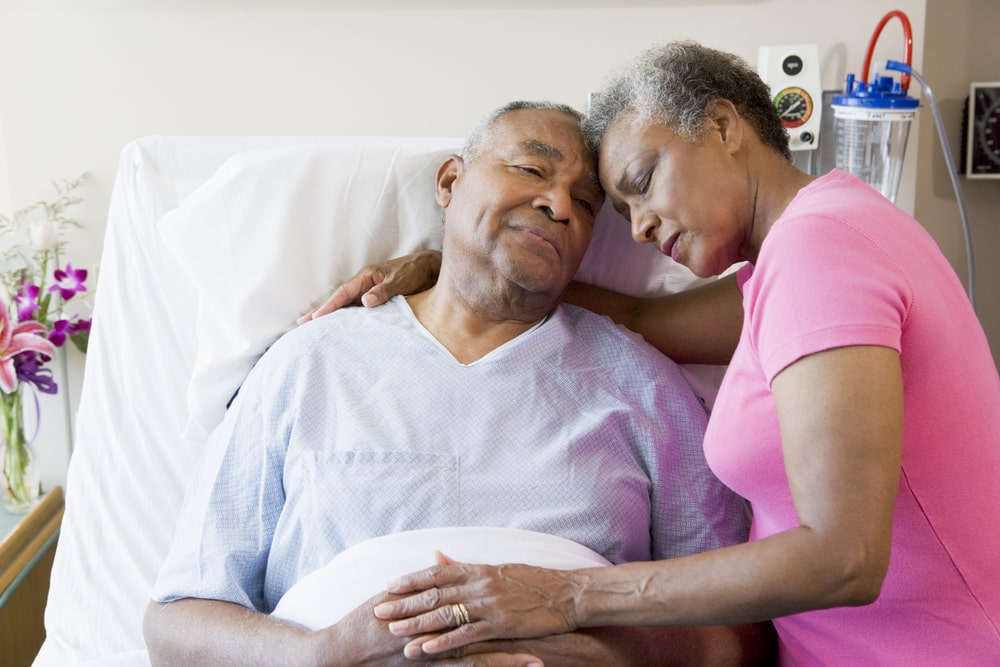

Shows a loving family member sitting with a patient at a hospital

4 Places Where You Can Receive Hospice Care

By Hospice

If you or a loved one have been dealing with an illness for a while, the words “hospice care” may strike your heart with fear and sadness. You may feel overwhelmed or out of your element as you hear new terms and definitions, but that’s okay. Take a deep breath. You will learn what you need to know.

To help you get started, we’re going to discuss the four main places hospice care is provided, so you know what the options are and can discuss them with your hospice care team.

The Purpose of Hospice Care

Before we begin, it’s important to realize that the hospice team is designed to support and guide the family as they care for a loved one during his or her final days. Family members (and friends) are the main source of care for the patient at home, but the hospice staff is available to help with additional care needs, including pain management and symptom relief. The ultimate goal of hospice care is to allow a person to die comfortably and with dignity at home, surrounded by people they love.

Now, let’s get started.

Shows a loving family member sitting with a patient at a hospital

4 Places Where You Can Receive Hospice Care

Every hospice program is designed to give you access to a team of care professionals 24 hours a day, 7 days a week, no matter where that care is provided.

In general, care is provided at your “home,” wherever that home may be. However, as your specific needs and the severity of symptoms change, the place of care may change as well. Your hospice care team can help you determine which place may be the best option for your current health situation.

To learn more about the four levels of care that hospice provides and how each level may affect where you or a loved one receive care, make sure to read “Do You Know the Four Levels of Hospice Care?

With that said, let’s talk about where you can receive hospice care.

1. At a Personal Residence

The most common place to receive hospice care is at a personal residence. This may mean a house, apartment, duplex, townhome, condo, etc. The hospice care team – made up of medical professionals, aides, and volunteers – will drop by for scheduled visits to check on the patient’s condition.

Most often, the hospice care team does not provide around-the-clock supervision – that responsibility falls on the family – but when needed, a hospice care member may stay for longer visits or even overnight.

Shows man receiving care at home from a hospice nurse

2. At an Assisted Living or Nursing Home Facility

For some people, home may be an assisted living facility or nursing home. In this case, the facility may have specially trained nursing staff to care for hospice patients. Alternatively, they might decide to partner with a hospice provider in the area. For terminally ill patients who don’t have someone to care for them at home, an assisted living or nursing home facility is a good option.

A Quick Note Before We Move On

With hospice care, the primary goal is to allow a person to receive care in their own home. However, there are times when care at home isn’t enough. For these cases, you can receive hospice care at the following places instead.

 3. At an Independent Hospice Facility

In some cases, your hospice provider may have its own independent facility or “hospice house.” With its home-like atmosphere, a hospice house provides a comfortable place for in-patient, short-term stays when a patient needs around-the-clock care and supervision.

For the most part, a patient may stay at a hospice house if their symptoms have worsened and cannot be managed at home or they have requested respite care to give family members a break.

Shows woman sitting in a hospital bed receiving care

4. At the Hospital

At times, it may be necessary to receive hospice care while at the hospital. Depending on how the hospital has it set up, the patient may receive care:

  • In a special hospice unit
  • From a hospice team that visits patients on any nursing unit, or
  • The medical staff at the patient’s current unit will act as the hospice team

Like a hospice house, there are two main reasons a person may receive hospice care at a hospital.

  • Either pain and symptoms have progressed to the point of becoming unmanageable at home, or
  • The family has coordinated respite care for a few days

The patient will return to at-home hospice care after respite care is complete or they feel comfortable enough to return home.

Shows a caring husband and daughter visiting loved one at hospital

Remember…

Remember that you should always consult your insurance provider before making a change to the place of care. Most hospice benefits do not usually cover the cost of housing a patient in a nursing home or assisted living facility (also known as daily room and board costs), but these costs may be covered by traditional Medicare benefits or other benefits you have.

Hopefully you now have a better understanding of your options and can confidently converse with your hospice care team about your needs as they change.

Shows person following directions to pack box correctly

5 Tips When Shipping Cremated Remains

By Cremation, Explore Options

It’s impossible to know what circumstances you’re going to face after a loved one’s death. In some cases, it may become necessary to transport a loved one’s remains across a large distance. If this is the case, you have three transportation choices: personal vehicle (car or boat), commercial airline, or postal service.

If shipping a loved one’s (or a pet’s) remains is the most logical choice for your individual situation, then the United States Postal Service (USPS) can help you. As the only legal method of shipping cremated remains (both human and animal) within the United States, USPS can ship domestically through Priority Mail Express and internationally through Priority Mail Express International (if the receiving country accepts cremated remains via the postal service). No other service options are available (for example, you can’t ship cremated remains First-Class or Ground).

To make this process as smooth as possible, let’s review 5 key tips for shipping cremated remains.

Shows on person receiving a box

1. Consider Using the Cremated Remains Kit

You will, of course, need a box to ship the cremated remains in. The USPS actually provides a “Cremated Remains Kit” that gives you all of the materials you need to ship cremated remains through the postal service. You can order either Cremated Remains Kit 1 or Cremated Remains Kit 2 at www.usps.com (kits only available online).

The main difference between the two kits is that Cremated Remains Kit 2 includes instructions, bubble wrap, and a self-sealing plastic bag in addition to the box and Priority Mail Express tape. The biggest benefit to using the Cremated Remains Kit is that the kit is free, it is easily recognizable by USPS employees, and is sturdy enough to ensure the safety and security of your package.

However, if you’d prefer, you can use whatever box you want. It’s not required to use the Cremated Remains Kit.

2. Affix Label 139 to the Outside of the Box

If you choose to use your own box, you must affix Label 139 to all sides (including the top and bottom) of the box. This label says “Cremated Remains” in large letters and is brightly colored to draw attention. The Cremated Remains Kit already has this label printed on it so you won’t need to affix additional labels.

The intention behind the label is to ensure that your package is treated with the proper respect and more likely to be delivered in a timely manner. You must affix the label for both human and animal cremated remains.

Shows person following directions to pack box correctly

3. Pack Your Box Carefully

Whether you use the Cremated Remains Kit or your own box, it’s important to ensure that the urn/container is securely closed and packaged. It’s always a good idea to ship the urn/container in a sealed plastic bag.

With both a securely closed urn/container and a sealed plastic bag, you can ensure that the cremated remains are contained at all times and won’t sift or leak out of the box during transit.

You should definitely add plenty of padding to cushion the urn/container. Also, it’s good practice to include your name, address, and other contact information on a sheet of paper inside the shipping box.

The USPS has given detailed instructions on the best way to package cremated remains (whether human or animal). You can find a PDF version here or a video explanation here.

4. When Mailing Internationally, Check the Policies of the Receiving Country

Just because the United States allows the shipping of cremated remains doesn’t mean that other countries do. When shipping cremated remains (human or animal), contact the receiving country’s embassy or consulate. They can tell if it’s legal to send and receive cremated remains within that country.

In some cases, it’s not legal. In other cases, there may be additional forms to complete or regulations to follow. You can always check out the International Mail Manual (IMM) provided by USPS, and if the regulations aren’t clear, contact the embassy/consulate directly.

Do NOT mail cremated remains internationally until you’ve determined whether or not they can be successfully received by the recipient. Also, don’t forget to complete a customs declaration form.

Shows man and woman packing boxes carefully

5. Decide Whether Extra Services Will Provide Peace of Mind

If it will give you more peace of mind, you can sign up for extra service options when shipping cremated remains. You can request Return Receipt, Insurance, Signature Required, or Signature Waived. If you’d prefer not to pay or request these extra services, they aren’t required.

Consider the Risks

It would be remiss not to mention that there are risks to shipping cremated remains (human or animal). You run the risk of the box getting lost or taking an inordinate amount of time to reach its destination. Review all your options, and if shipping is the best option, then do it.

Also, don’t hesitate to contact the funeral home in charge of your loved one’s cremation. They may have helpful tips or might even be able to handle the shipment for you.

If shipping a loved one’s (or a pet’s) remains isn’t right for you, you can always make the drive by car or fly commercially. To learn more about flying with cremated remains, check out What You Need to Know About Flying with Cremated Remains.

No matter what you decide, may you find peace and healing in the days to come as you mourn the loss of someone dearly loved.

Shows in-patient care

Do You Know the Four Levels of Hospice Care?

By Hospice

On the hospice journey, every person’s life situation and illness are different. One person may have a large family that will split care duties, while another person may have one child and a close friend available to help. For one person, a terminal illness may manifest quickly while the same illness takes longer in another person.

Because situations are varied and could change at any time, Medicare (which covers the largest majority of hospice care expenses) requires that hospice care providers offer four levels of service. You may start the day at one level and be at another level later in the day as needs change, and that’s okay. Hospice programs are equipped to pivot and adjust quickly as things change.

Today, we’ll review the four levels (or “kinds”) of hospice care that are available to families.

shows routine hospice care given at home

1. Routine or Intermittent Home Care

More than likely, it is routine or intermittent home care that comes to mind when you think of hospice. With this level of care, nurses, aides, or therapists stop by the home for short, regularly scheduled visits. These visits are focused on pain management, symptom management, emotional and spiritual counseling for the patient and family, assistance with daily tasks, nutritional services, and therapeutic services.

Routine care takes place wherever the patient calls home. This could mean a residence, a skilled nursing facility, or an assisted living facility, to name a few options. Also, while visits are routine, if your family needs additional help, there’s a nurse on-call 24 hours a day.

2. Continuous Care

With continuous care (or crisis care), a hospice patient will receive nursing assistance for several hours at a time, or even overnight, during a time of medical crisis or intense symptoms. If the patient’s symptoms are severe, they will need more focused and frequent care, so the hospice worker will stay for longer periods of time.

If death is imminent, the hospice nurse may stay overnight or offer whatever support they can to the family. This type of round-the-clock nursing allows family caregivers the opportunity to step back from hands-on care and focus on simply being with their loved one.

Shows in-patient care

3. In-patient Care

While it’s most common to receive hospice care at home, sometimes home nursing isn’t enough. If symptoms intensify or it’s become impossible to manage pain or symptoms at home, a hospice patient may receive in-patient care at a hospital, nursing home of their choice, or independent hospice facility (also called a “hospice house”).

The goal of in-patient care is to help a patient become stable enough that they can return home again. However, in some cases, the person chooses to spend their final days at the in-patient care facility rather than return home.

If the medical need that leads to in-patient care is related to a hospice diagnosis, your insurance’s hospice benefit will likely continue to pay the bills. With an unrelated medical issue, contact your insurance company to discuss what’s covered in your policy.

4. Respite Care

For caregiving family members, a terminally ill loved one’s physical needs can be demanding. To give family caregivers an occasional break, hospice providers offer in-patient respite care.

With respite care, the hospice patient is checked into a 24-hour personal care home. While there, the patient will receive round-the-clock care for up to 5 days. After 5 days, the patient returns home to receive either routine care or continuous care (as needed).

Though this level of care isn’t necessary for every family, it is available and covered by Medicare. Also, if your family needs respite care more than once, that’s fine, too. Just coordinate with your hospice team.

shows man talking to his doctor about his health

Who Determines Which Level of Care is Appropriate?

When you start using the services of a hospice provider, the hospice physician and nursing team will complete an assessment to determine which level of care is appropriate at that time. As symptoms change, the hospice medical personnel can keep tabs on the hospice patient’s status. They can adjust levels of care as needed.

However, don’t think you have to wait on the doctors to take notice. If you see a need to update your level of care, don’t be afraid to ask. Be proactive and talk to your hospice team about updating your care routine.

If you have more questions about the four levels, contact a local hospice provider and start getting answers. While there may be four “levels,” the best part is that no matter which level of care you or a loved one receive, the hospice philosophy will not change: to provide expert medical care and emotional support that respects the unique wishes of the patient. From the moment you begin a hospice care program, your family will be in good hands.

Illustrates what an inscription would look like

6 Ways to Personalize a Memorial Marker

By Cemeteries, Explore Options, Meaningful Funerals, Memorial, Personalization, Planning Tools

When visiting a cemetery, it can seem like your options are limited when choosing a memorial marker, but that’s not true. There are many options for creating a personalized monument that will identify a loved one’s final resting place for generations to come. Today, let’s talk about why memorial markers matter and 6 different ways you can personalize a monument to create something unique and special.

Shows an example of a memorial marker

What is a Memorial Marker?

A memorial marker goes by many names. Tombstone. Headstone. Grave marker. Monument. It can get confusing quickly, so we will use “memorial marker” and “monument” for our purposes today.

If you’ve ever visited a cemetery, then you’ve seen memorial markers. It could be a plaque, an upright headstone, a footstone, or even occasionally a ledger stone, to name a few options. Typically, a memorial marker lists the deceased person’s name and life dates. Anything beyond that is customized.

Why is a Memorial Marker Important?

As human beings, when we lose someone we love, our feeling of connection to them continues, even though they are no longer with us physically. It is this connection that contributes to our feelings of loss, that makes it so difficult to process death and move toward healing and reconciliation.

Not only do memorial markers highlight the value of remembering people by name – names are so important – they also give us a place to go to feel close to the person who has died.

To learn more about why memorial markers and a final resting place can be valuable to families, especially when feelings of grief arise or anniversaries come around, check out 5 Reasons to Establish a Permanent Memorial.

Illustrates why a memorial marker is important as two young people visit a loved one's final resting place

6 Ways to Personalize a Memorial Marker

Now, let’s dive into 6 ways you can personalize a memorial marker to reflect a person’s unique life, personality, and preferences.

To help you decide what’s right for your needs and situation, consider which of these categories you want to focus on (or if you’d like to create a mix):

  • Choose elements that reflect personality (kind, giving, friendly)
  • Focus on family attributes (father, grandmother, uncle, sister)
  • Highlight achievements, hobbies, interests, or long-term commitments

With these categories in mind, let’s talk about personalizing a memorial marker.

1. Create a Personalized Inscription

Also called an epitaph, you can include a short message on the monument that has meaning and significance to everyone – family, friends, and the person who has died.

For instance, you could include:

  • A focus on family (“Beloved mother, sister, and friend”)
  • A poignant sentiment (“Forever in our hearts”)
  • A spiritual quote or verse for a person of faith
  • Pop culture references to music, movies, etc. (“May the Force be with you” or similar)

For a real-life example, one beloved grandmother included her famous fudge recipe on her memorial marker so that everyone who came by could make and enjoy it as much as she did. The possibilities are quite literally endless with how you can personalize the inscription.

Illustrates what an inscription would look like

2. Choose a Color

Next, let’s talk about color. Depending on what material you select, you can choose a color to personalize a memorial marker. Granite is the most popular monument material because it retains its shine for many years. It is available in black, blue, gray, pink, red, and more. If your loved one had an affinity for a certain color, you can ask your monument representative what your color options are.

Bronze is another common material used for memorial markers. Keep in mind, bronze will develop patina over time, resulting in a color change ranging from antiqued green to light or dark brown. Some people love this color change, and one more famous example of patina is the greenish hue that we now see on the Statue of Liberty.

3. Select a Shape

While most people choose a rectangular, square, or pointed top monument, memorial markers aren’t one-size-fits-all. Custom monuments come in many forms—from benches to unique shapes like hearts, books, arches, or even guitars.

If you have a specific vision for what shape you’d like the memorial marker to be, talk to the monument designers about the possibilities. They will discuss the cost and what’s possible when working with stone.

Shows one shape option for memorial markers

4. Add an Image or Symbol

If you’d like, you can request that the memorial marker feature a specific image or symbol. From animals and military insignia to pop culture references or nature scenes, anything is possible. The key is to pick something that is meaningful.

If you aren’t sure what kind of image to request, ask yourself, “Does my loved one have a well-known hobby? A pet who is always nearby? A deep faith? A favorite instrument or talent or sports team?” These types of questions will help you narrow down the options.

Monument companies will work with you on the design and help you create something that will bring your creative vision to life as you honor your loved one’s legacy.

5. Include a Photo

Similar to an image or symbol, you could add a photo (or photos) to personalize a memorial marker. Depending on your wishes, the photo could be etched (by hand or with a laser), or if you prefer to use a color photo, the image can be created in ceramic or porcelain and then permanently affixed to the marker in whatever size you want.

If you decide to include a photo, select one of your favorites and go over your wishes with the monument designer so they can create exactly what you want.

Shows a man leaving flowers at a loved one's memorial marker

6. Incorporate a QR Code

A new trend in memorial marker personalization is the QR code. The code is affixed to the marker, and when mourners or visitors scan the code, they view a website dedicated to that person’s life and legacy.

Imagine if you could scan a QR code for someone who died 100 years ago. It would be both amazing and interesting to read more about who they were and what their life was like.

Of course, this personalization option takes a little additional work on your part (you have to create a website), but it may be a good option for remembering and honoring your loved one’s life.

Do What’s Best for Your Family

The best thing about this whole discussion? There’s no right or wrong. If something traditional is right and good for your needs, do that. If a photo with inscription is best, do that. Would a book top with a literary quote be meaningful? Do that. It’s entirely up to you.

One final note as you consider the possibilities, remember to ask the cemetery representative if they have any specific regulations. Some cemeteries place firm restrictions on monument color and material.

Shows woman visiting a cemetery where there are monument regulations

Now, take some time to brainstorm. Talk to a funeral home or monument company to learn what the options are. Then, start creating a vision for a personalized memorial marker that makes the most sense for your family, your needs, and your loved one.

For more helpful information, make sure to read Selecting and Installing a Grave Marker.

Shows people boarding a plane with sunlight on their hair

What You Need to Know About Flying with Cremated Remains

By Cremation, Explore Options

Did you know that it’s possible to fly – both domestically and internationally – with cremated remains? While flying with cremated remains may not be something you’ve ever thought about before, there are many reasons why someone might consider flying with a loved one’s cremated body. Here are a few possibilities:

  • Your seatmate is taking the cremated remains to a specific place for scattering or burial.
  • The surviving family is hosting a memorial service across the country to allow distant family members to say goodbye, and they want the cremated remains present.
  • The person died away from home – either in country or abroad – and your seatmate is flying them home.

No matter the reason, sometimes flying with the cremated remains of a loved one is necessary. But before getting on a plane with cremated remains, there are a few things you need to know to make the process smoother.

Shows a woman holding an urn clos

Use your Carry-on Instead of a Checked Bag

While many airlines allow travelers to transport cremated remains in a checked bag, the Transportation Security Administration (TSA) doesn’t necessarily recommend it. If you’ve flown before, you’ve probably looked out the airplane window and seen airport employees tossing checked bags around rather quickly and roughly. They have no idea what’s in your bag. To them, the most important thing is to get all the right bags to the right places as quickly as possible.

That said, by transporting a loved one’s cremated remains in your carry-on, you ensure that they are handled with care every step of the journey. All you have to do is use an x-rayable container that fits into your carry-on suitcase.

One more quick note: Please, even though you have the urn with you, don’t open the container while on the flight or in the airport. Turbulence and bumping into bustling human beings happens, but if the urn is tightly closed, your loved one will remain secure.

Choose an X-rayable Urn or Temporary Container

Just like the rest of your carry-on items, the urn must make it through the x-ray machine at the security checkpoint. To make it through security, TSA recommends that you choose an urn or temporary container made of wood, plastic, biodegradable paper, or even fabric. Avoid metal or lead-lined urns, which will register as opaque on the x-ray.

If your container registers as opaque, TSA may try a few other options, but they will NOT open the urn (even if you say it’s okay). In part, they will not open the urn out of respect for the person who has died, but additionally, it is illegal for airport personnel to open any container that holds cremated remains.

Shows x-ray machine at airport security

If TSA is unable to clearly determine what’s inside the container, you won’t be allowed to take it on the plane. In order to avoid this complication, select an urn or temporary container that will easily make it through security.

If you have a decorative urn, you can always transport it in your checked bag (packed very carefully). Once you reach your destination, you can place the cremated remains back into the decorative urn.

If you’d like more guidance about temporary urns or containers, feel free to call your local funeral home. They can give you options and suggestions for traveling with ease.

Give Yourself Extra Time to Get Through Security

While TSA has a streamlined process for screening cremated remains, it’s always good to allow a little extra time. With an appropriate urn, the process should be smooth and quick. However, if there’s a problem, you’re going to want time to figure out your next steps. The airport is already a somewhat stressful place. The last thing you need when transporting a loved one’s remains is to run around last-minute trying to figure out what to do. Leave a little earlier and give yourself extra time.

If you have any questions about TSA’s policies, you can contact them directly through Customer Service.

Shows man going through airport security with carry on bag

Have the Appropriate Documents Readily Available

When flying, it’s important to have the necessary documentation on hand. The most commonly required documents are:

Certificate of Cremation (also called Disposition Permit or Cremation Permit)

This legal document certifies that a cremation has taken place and identifies the person cremated. Additionally, it includes identification information for the crematorium and the qualified staff member who oversaw the cremation itself. The funeral home or crematorium should give you this document when you receive your loved one’s cremated remains.

Death Certificate

The death certificate is used for many purposes, including updating accounts, switching beneficiaries, and receiving life insurance funds after the death of a loved one. It’s good practice to bring a certified copy with you when flying, just in case it’s asked for. You can obtain copies (usually for a small fee) through your local Registrar or Vital Records Office.

However – each airline makes their own regulations regarding the transportation of human remains. Contact your specific airline to find out what documentation is required. To be extra safe, you might also bring something that shows proof of relationship. You could use a birth certificate, marriage license, or a copy of the obituary.

Talk to Your Airline About Specific Guidelines

It cannot be stressed enough that you need to contact your airline about their specific regulations. For instance, some airlines do not allow cremated remains in checked bag at all or may require more documentation. By contacting the airline, you decrease the likelihood of issues at the airport.

Also, if you’d prefer not to take the cremated remains on a plane at all, you can ship them through the USPS. You can learn more about this option by reading 5 Tips When Shipping Cremated Remains.

Shows airport terminal with airplane outside window

A Few Extras for International Travel

All of the tips we’ve already discussed apply to flying internationally as well. However, there are a few extra things to consider. Let’s go over them.

  • Check with the embassy/consulate of your destination country
  • Be prepared for extra documentation

Every country has their own regulations when accepting cremated remains within their borders.

Because of that, if you are taking cremated remains outside the United States, you should contact the appropriate embassy or consulate before you travel to determine what that country requires. Some countries may require special forms or additional authorizations, so give yourself at least two weeks to get everything completed.

If you are entering the United States with cremated remains, you will go through U.S. Customs, which has its own policies. In general, if the remains have already been cremated, you should be fine, and a death certificate won’t be required.

If you have additional questions about international travel, contact your local funeral home for assistance.

Shows people boarding a plane with sunlight on their hair

Be Prepared for an Emotional Journey

As you get ready to travel, take a little time to prepare yourself emotionally. If your grief is fresh, this may be an emotional journey, and that’s to be expected. Give yourself grace. Grief is the natural result of love. When we love deeply, we open ourselves up to the grief that comes when the person we love dies.

It will take time and intentionality to come to grips with everything you think and feel, but it’s okay to give yourself permission to grieve. Use this journey to reflect on your loved one’s life and remember just how much they mean to you.

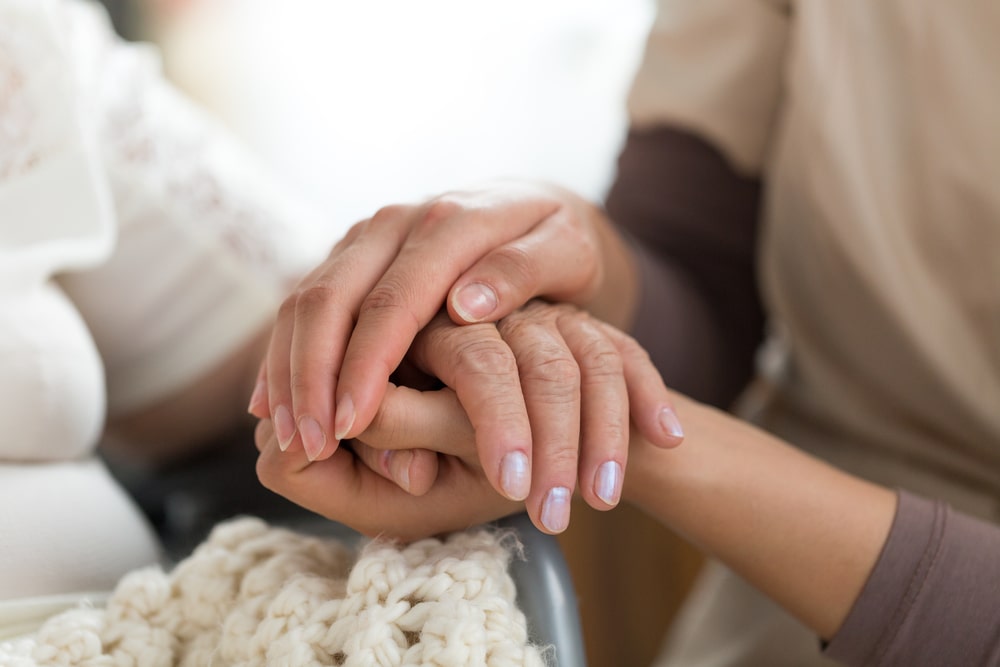
Focus on a pair of hands, one pair holding the other in a comforting way

Practicing Remembrance & Gratitude During Times of Grief

By Grief/Loss

Grief can rear its head at any moment – at the dinner table, at a holiday family gathering, at the grocery store, or at a child’s piano recital. And this is okay. It’s normal and natural to experience intense bursts of deep emotion during the most ordinary of moments after a loss. But did you know that practicing remembrance and gratitude can help you work through your grief and find your way toward healing?

The Power of Remembrance & Gratitude

As human beings, our memories play a big role in the way we experience life. All you have to do is talk to the family member of a dementia patient to understand that memory is both a powerful and beautiful gift. It’s one that we often don’t appreciate until it’s threatened.

During times of grief, our memories help us process loss. Remembrance allows us to recall and reflect on favorite memories and reminisce about a loved one’s many quirks and beauties. Then, when remembrance is paired with gratitude, we look beyond the pain of now and dwell on the good things in life – both the cherished moments of yesterday and the coming memories of tomorrow. Together, remembrance and gratitude help us heal.

Focus on a pair of hands, one pair holding the other in a comforting way

Nationally recognized grief counselor and educator Dr. Alan Wolfelt puts it this way:

The truth, paradoxically, is that in grief, we have to go backward before we can go forward. 

In my experience, remembering the past is the very thing that eventually makes hoping for the future possible. Mourners’ lives will open to renewed hope, love, and joy only to the extent that they first embrace the past. Those who fail to go backward before marching forward after a loss often find themselves stuck in the morass of carried grief.

The loss created by death is the loss of the physical presence of the person who died. In the physical plane, their relationship with the person has ended, and so they grieve. But on the emotional and spiritual planes, their relationship with the person who died continues because they will always have a relationship of memory.

Precious memories, dreams reflecting the significance of the relationship, and objects that link them to the person who died are examples of some of the things that give testimony to a different form of continued relationship.

Woman sitting at table as she writes in a personal notebook

Simple Ways to Practice Remembrance and Gratitude

When practicing remembrance and gratitude, the most important thing is to take your time. Depending on your personality, you may want to spend time journaling or drawing, engaging in physical activity, watching your loved one’s favorite movie, cranking up favorite music, or talking with a close friend who’s prepared to listen.

How you choose to engage with your memories and honor your loved one’s life is less important than actually doing it. Each time, you may do the same thing, or you may do something different. Both options are completely fine.

Here are a few ideas to help you honor and remember a loved one’s life as you practice gratitude:

  • Set a plate out for them at family gatherings
  • Mark their birthday in a special way
  • Host a dinner in their honor and ask guests to share stories
  • Volunteer with organizations that champion your loved one’s passions
  • Keep a journal of memories and thoughts
  • Set up a permanent memorial and visit regularly
  • Create a memorial keepsake (video, photobook, memory box, etc.)

Man in light blue shirt relaxing on the floor and listening to music with headphones

Don’t Rush the Process

You will have multiple opportunities each day to practice remembrance and gratitude. As memories surface – triggered by sights, smells, events – take a moment to engage with the memory and then move toward gratitude.

For example, when washing your whites, you might remember a time when your loved one accidentally threw a red sock into the load of whites, and it turned the entire load pink. In that moment, smile at the memory and let it sit in your mind. Then, take a moment to reflect: “At first, I was so mad, but then we laughed about it. I’m so grateful we had moments like that. I miss you.” And then, take a deep, cleansing breath and continue with your laundry.

It will take practice. At first, the memories may be strong and feel like too much. That’s okay. Over time, the intensity will decrease, and you will be able to engage more easily. After all, grief is a journey, and the ultimate goal isn’t to stop missing the person you love. The goal is to find a way to move forward with hope, healing, and peace with beloved memories by your side.

Mature man sitting on couch at home as he thinks

What If I Don’t Miss the Person Who Has Died?

It would be remiss not to acknowledge that people are messy, complicated, and can be difficult – some more than others. If the person who has died was a difficult person in your life, it’s alright to breathe a sigh of relief – this is a completely normal reaction. After that, it’s time to get to work.

Even if you don’t miss the person who has died, you need to work through your feelings for your own well-being. This may mean processing through anger, disappointment, hurt, and painful memories. The work will be difficult (and you may need a professional therapist to help you through the process), but those who never deal with the pain and wrongdoing done to them often end up hurting, broken, and sometimes angry, people. In some cases, they themselves become the “difficult person” in someone else’s life, and the cycle continues.

While moments of gratitude may be few and far between with a difficult person, remembrance will help you unpack any deep emotional baggage. After all the trauma you experienced, its effects won’t end simply because the person who inflicted them has died. We must still learn how to reconcile with our past and move forward toward the future in a healthy way.

Mom and daughter looking through a photobook as they remember a loved one

Get Started Today

Now that you understand the power of remembrance and gratitude and how together they can greatly impact your grief journey, it’s time to get started. Pull out the family photos. Watch videos that feature your loved one. Remember the moments – both the good and the bad. Practice writing down or saying out loud what you are most grateful for with each memory. Find ways to honor your loved one’s life in creative ways.

As you participate in these healing actions, your heart will fill with warmth and love. In time, the sting will lessen. And while you will always miss the physical presence of the person you love, you will remember them with great fondness and celebrate their life, legacy, and lasting impact.

Shows family and grandmother at a Halloween family gathering

7 Tips for Supporting a Grieving Friend at Halloween

By Exclude from Top Posts, Seasonal

It’s Halloween. Costumes are coming out, parties are being planned, and thousands of pounds of candy is flying off the shelves across the nation. But even as people revel in the changing of the seasons and the fun of dressing up, we can’t forget that many of our neighbors, friends, and family members are hurting deeply. Grief is not relegated to certain parts of the year. But how can we be sensitive to the emotional needs of those around us who are hurting during this festive time?

While there’s no need to put your own Halloween plans on hold, let’s discuss 7 tips that will help you be sensitive to and interact with grieving friends and loved ones this Halloween.

1. Recognize and accept that others may be hurting, and they are going to experience grief during the Halloween season.

While you may want your grieving friend or loved one to “enjoy” the season, don’t push too hard. What you consider enjoyment and what your grieving friend considers enjoyment may look completely different right now. They are experiencing a myriad of emotions, and much of the time, they don’t have control over when those emotions show up. Let your friend experience their feelings and concentrate on being a safe person they can talk to.

2. Encourage your grieving loved one to set healthy boundaries and be prepared to support and abide by those boundaries.

The person who is grieving may have limited energy (grief is hard work), so it’s important that they figure out what will work for them this Halloween. If you are close to someone who is grieving, encourage them to set boundaries, and then, be prepared to support those boundaries, abide by them, and if necessary, help your grieving loved one fight for them.

Shows family and grandmother at a Halloween family gathering

3. Give your grieving loved one plenty of notice about any Halloween events or gatherings.

More often than not, someone who is grieving needs time to work up the energy to go out to an event or gathering. Make sure you give them plenty of notice so they can mentally and emotionally prepare. Also remember! You are encouraging them to put down healthy boundaries. Don’t be offended or hurt if they decide not to come to your party.

4. Be mindful of your Halloween decorations.

By nature, Halloween decorations include skulls, gravestones, blood, depictions of death, and other macabre things. These types of images may act as unpleasant reminders of a recent loss for those who are grieving. While you don’t have to completely re-decorate, consider whether any specific decorations could act as a grief trigger, and if appropriate, remove these items when the grieving person comes over for a visit.

Shows young woman serving at a soup kitchen

5. Invite your grieving friend to take part in a service project.

When we grieve, we can sometimes become so focused on the strong emotions we are feeling that we forget to come up for air. It’s a good practice to focus on others so that we can let our minds rest from the grief for a while. To make Halloween a more pleasant experience, invite your grieving loved one to give out candy at the community trunk or treat or the church fall festival. Alternatively, you could participate in a Halloween 5K for a cause or in another opportunity available through the church or community.

6. Look for ways to honor the memory of a lost loved one.

There are so many special things you can do to honor a lost loved one at Halloween. Buy or make a special gift. Dress up as a lost loved one’s favorite character. Sit down with your grieving friend and share memories or stories. Join your grieving friend for a special trip to the gravesite. Watch that annual scary movie in honor of the person no longer present. Your friend may be perfectly fine with Halloween. Even if they are, most people appreciate it when efforts are made to honor a lost loved one’s memory.

Man making a phone call to check on a friend

7. Follow up after Halloween to see how they are doing.

As human beings, we aren’t always the best at following through on things, but in this case, try to put extra effort in. It’s important for a grieving person to know that your love and concern aren’t just temporary. By following up after the holiday (especially if you know it was difficult for them), you cement your sincerity and care.

And of course, make sure to reach out and offer your support all through the year. Grief isn’t a walk in the park; it’s a journey. Your grieving friend or loved one is going to continue to need love and support long after the loss.

shows nurse providing care

Palliative Care vs. Hospice Care: What’s the Difference?

By Hospice

If you or a loved one have recently entered hospice care, all of the jargon and terminology may feel daunting and foreign. For many people, two terms that often become confusing are palliative care and hospice care. Today, let’s break these two terms down so that you feel more comfortable and knowledgeable. After all, understanding what’s going on around you can help create a little bit of control in an uncertain situation. 

shows nurse providing care

What is Palliative Care?

First, let’s talk about palliative care and get a sense of what it provides.  

Definition

In short, palliative care refers to the day-to-day care and emotional support provided to someone with a life-threatening illness as doctors pursue a cure (age doesn’t matter). In other words, curative treatments and palliative care occur simultaneously.  

For example, a person dealing with a stage 4 cancer diagnosis will receive palliative care as they go through the treatments prescribed by their doctor. Palliative care begins with a diagnosis and only ends when 1) the person gets well or 2) it becomes clear that the person isn’t going to survive their illness.

Who provides palliative care?

The primary care physician oversees palliative care. When a person begins to receive care, a team is assigned to them. This team will work with the patient and their family to provide medical, emotional, physical, social, and practical support.  

The palliative care team is made up of doctors, nurses, social workers, nutritionists, and chaplains (based on the patient’s needs). Each member of the team focuses on different aspects of the patient’s overall well-being and care.   

Shows nurse taking patient's blood pressure

What is the purpose of palliative care?

Some illnesses and treatment plans take a harder toll on the body. Palliative care seeks to enhance a person’s life by focusing on quality of life – for both the patient and their family.  

Not only does palliative care focus on easing symptoms, the palliative care team also desires to help patients understand their treatment options so they can make the choices most appropriate for their specific needs.  

Where can a person receive palliative care and is it covered by insurance?

Thankfully, palliative care is available at many different types of facilities. You can receive it at hospitals, nursing homes, outpatient palliative care or specialized care clinics, or even at home.  

As for insurance, it’s best to check with your insurance provider, though many plans do include some form of coverage. If you are a veteran, check with the Department of Veterans Affairs to see if they might cover palliative care.  

How do I request palliative care? 

If you think palliative care is the best next step, your primary care physician can refer you to a palliative care specialist. However, if your doctor doesn’t mention it on their own, don’t be afraid to ask!  

Doctor talking to young patient about treatment options

What is Hospice Care?

Now that you have a better understanding of palliative care, let’s compare it to hospice care. 

Definition

Hospice care refers to the care provided to those who have received a terminal diagnosis (often with a prognosis of six months or less). However, an illness’s timeline can change so it’s possible to receive hospice care for longer than six months, if needed. Hospice care focuses on pain and symptom management since patients in hospice care are no longer seeking a cure.  

Who provides hospice care?

Similar to palliative care, patients are provided with a hospice care team made up of doctors, nurses, social workers, nutritionists, volunteers, and chaplains (as needed) that provide a variety of services. However, hospice care is overseen by the hospice medical director rather than the person’s primary care physician. 

Regardless, everyone works together to ensure that both the patient and their family are receiving the holistic care they need. The team will visit regularly and is available by phone.  

Illustrates doctor talking with older couple about care options

What is the purpose of hospice care?

Hospice care seeks to provide care, comfort, and quality of life to the person who is dying. At this point, the patient understands that their body is no longer responding to medical treatments. The hospice care team steps in to offer comprehensive care for medical, physical, practical, and spiritual needs.  

Additionally, the hospice care team provides much-needed assistance to family members and friends as they grapple with the day-to-day demands of caring for a loved one with a terminal illness.  

Where can a person receive hospice care and is it covered by insurance?

In most cases, hospice care is received at the home, but it is also available at assisted living and nursing home facilities, hospitals, and hospice centers.  

Both Medicaid and Medicare offer coverage for hospice care (as do most other insurance companies), but you will need to call to get the specifics of your particular plan. Again, if you are a veteran, don’t forget to check with the VA. 

How do I request hospice care?

If you confer with your doctor and decide not to pursue life-saving treatments, you can start talking about hospice care. Most often, the doctor will bring it up, but if not, ask. There are some minimal eligibility requirements you can read about here 

Nurse reviewing paperwork and options with male patient

Let’s Recap

As you can see, hospice care and palliative care are quite similar. Both involve putting together a team of qualified professionals to assist a patient and their family medically, emotionally, physically, spiritually, and practically. Both involve easing pain and symptoms related to a life-threatening condition.  

The main difference between the two relates to ongoing curative treatment. With palliative care, the patient is still actively seeking a cure, while those in hospice care have exhausted all curative options and are focusing on quality of life. 

With these terms defined, hopefully you will feel empowered to ask for what you need when you need it. After all, both palliative care and hospice care options are available and will offer caring support during a difficult season of life.   

9/11: A Day to Remember Together

By Current Events, Grief/Loss

The events of September 11, 2001, are forever ingrained in the memories of Americans (and people around the world) who were old enough to remember the day. Who could forget the terrifying videos and images paired with the stories of heroic courage coming out of New York, Pennsylvania, and the Pentagon that infamous day? And it’s to our credit that we don’t forget. We should never forget but always remember the lives lost on 9/11.

Why is it so important to remember?

Dr. Alan Wolfelt, nationally recognized grief counselor and educator, has found that remembrance is an important part of grieving. We can’t move forward (healing) until we look back (remembrance). In his own words, he says:

I encourage you to take grief’s hand and let it lead you through the darkness and toward the light. You may not see the light at first, but forge ahead with courage, and with the faith that the light of hope and happiness does exist. Feel your pain, sorrow, sadness, disbelief, agony, heartbreak, fear, anxiety, and loneliness as much as you can.

This may seem odd, as these emotions could well be the ones you most want to avoid. You might fall into the common thinking of our society that denying these feelings will make them go away. You might have the urge to “keep your chin up” and stay busy and wait to “get over” your grief. Yet, ironically, the only way to help these hard feelings pass is to wade in the muck of them. To get in and get dirty. Grief isn’t clean, tidy, or convenient. Yet feeling it and expressing it is the only way to feel whole, once again.

In other words, in order to heal, we must grieve. In order to grieve, we must remember. As we remember, we must find the courage to face the feelings deep within us.

How does the act of remembrance help us as communities and a nation?

1. Remembrance creates an opportunity to share life stories

In so many ways, telling a life story is an essential part of healing. As we learn more about the individual stories of those who perished on 9/11, we are forced to confront the pain and suffering of that day. Even more than that, we see each victim as a person worthy of value. A person deeply loved by others, many of whom are still living. A person whose life was cut short but whose memory lives forever.

By telling the stories of the airline passengers, the firefighters, the bankers, the receptionists, the military personnel, the bystanders, and so many more, we grapple with the national and personal grief we feel and honor the lives of those lost to horrifying events.

2. Remembrance strengthens community bonds

In remembering and grieving together as a nation, we strengthen the bonds in our community. Ask a person born before 1994 where they were when the Twin Towers fell, and they can likely give you a detailed description of exactly where they were and what they were doing when they heard the news.

Every American was touched by the events of 9/11 in some way. As we mark this day, even so many years later, it’s a chance to remember together, to mourn together, and to connect to each other in a profound way. If possible, consider attending a 9/11 remembrance event in your area where you can connect with your community while honoring the lives of those lost.

3. Remembrance re-connects us to our past

We’ve all seen how details can be forgotten or overlooked with the passage of time, even in our own memories. By taking time to intentionally remember, we can connect with the past. We can learn from what has already happened. We can pave the way toward a better future.

Conversations about a painful event are not something to be feared. Healing doesn’t come from blocking out what has happened but from acknowledging it and facing it. By intentionally remembering the events of 9/11 and the lives of those who died, we participate in a healing action – a ritual – that will not only bring hope and healing but will ensure that lives were not lost in vain.

Never Forget

This year, as we remember September 11th, let’s reflect on what matters most in life. That’s exactly what a group of students in a New York classroom did one year after 9/11. This is what they had to say:

We were eight.

Before September 11th, we would wake up with a list of “Don’t Forgets”

Don’t forget to wash your face
Don’t forget to brush your teeth
Don’t forget to do your homework
Don’t forget to wear your jacket
Don’t forget to clean your room
Don’t forget to take a bath

After September 11th, we wake up with a list of “Remembers”

Remember to greet the sun each morning
Remember to enjoy every meal
Remember to thank your parents for their hard work
Remember to honor those who keep you safe
Remember to value each person you meet
Remember to respect others’ beliefs

Now we are nine.

So, let us remember. Let us be unified. Let us never forget and be the better for it.

Skip to content