All Posts By

Rachael Ray

A hospice patient talking to a hospice caretaker

What Happens in the First 48 Hours of Hospice Care?

By Hospice

Entering hospice care can feel overwhelming, especially if you’re unfamiliar with how it works. Though you may feel relieved that additional support is on the way, you may also feel a little sad, uncertain, or even a bit guilty. Don’t worry, these are completely normal reactions to introducing something new to your loved one’s routine and lifestyle.

As your loved one prepares for the transition to hospice care, rest assured that the first 48 hours will be spent creating a timely plan and a stable routine that works for you and your family. To help you feel more at ease, let’s talk about the steps you can expect to follow within the first 48 hours of hospice care.

A hospice patient talking to a hospice caretaker

Step 1: Qualify for Admittance

The hospice journey begins with approval from a qualified physician. This physician, usually a primary care doctor, will certify that your loved one meets the qualifications necessary for hospice care. Their admittance will be determined based on the qualifications list, filed paperwork, and the plan of care, or POC, that the doctor put together. Once they’re certified, you can contact a local hospice organization.

A man on the phone looking at a clipboard

Step 2: Review the Insurance Benefits

Before choosing a hospice organization, you should understand what your loved one’s insurance plan covers. Contacting their provider before choosing a hospice program can help you avoid unexpected costs and make informed decisions about their care.

When you call the insurance provider, consider asking these questions:

  • What hospice care services are covered under this plan?
  • Are there any out-of-pocket costs I should prepare for?
  • Are there restrictions on where my loved one can receive hospice care (home, facility, etc.)?
  • Which hospice organizations are in-network?
  • Is there a limit on how long hospice care is covered?
  • How does payment work with the plan?
  • Are medications, medical equipment, and supplies included in the coverage?
  • Does this plan cover additional services like counseling or spiritual care?

Write down their answers to ensure you don’t miss anything. This information will help you choose the hospice organization that’s right for your loved one.

A healthcare professional on the phone

Step 3: Contact Your Chosen Hospice Organization

After you fully understand your loved one’s insurance benefits, your next step is reaching out to your chosen hospice organization. Your first call will be a conversation during which you’ll provide information, ask questions, and reach a mutual understanding of the situation. Your hospice coordinator will ask you questions about your loved one’s plan of care, daily routine, pain management, and medications.

Make sure you have the following information handy during your conversation with a hospice coordinator:

  • Insurance details
  • Any advance directives
  • Their current medications and medical equipment
  • HIPAA authorization preferences

While the initial call may feel like a big step, it will set up an open and constructive relationship between you and the hospice program. The more information your loved one’s hospice team has, the more personalized and supportive their care plan will be.

A hospice team talking to a hospice patient

Step 4: Meet the Hospice Team

Once you’ve discussed your loved one’s needs with a hospice organization, they will put together a qualified team. Your family will have introductory visits with your hospice caretakers as needed. Team members will reach out over the course of a week, depending on which services are most urgently needed.

Your loved one’s plan of care will determine which service providers they may need. Their team may include:

  • A hospice physician
  • Nurses
  • Medical social workers
  • Hospice volunteers
  • A counselor
  • A spiritual advisor (if you are religious)

Each team member should be approachable, professional, and empathetic to your situation. If your loved one doesn’t feel comfortable receiving care from a particular caregiver, they may request a new one.

Your loved one’s health will be monitored, and their team will keep the plan of care on track. They will visit regularly, depending on your loved one’s health conditions and needs. Most importantly, the team is there to guide you, your loved one, and your family with professional service and compassionate support.

A variety of health-monitoring tools and medicine

Step 5: Coordinate Equipment and Care Setup

Before the hospice team arrives, you should prepare your loved one’s home according to the team’s direction. Find an area in their home where they feel safe and comfortable. Remove any trip hazards (like rugs), move bulky furniture against the walls and out of the way, and add any personal touches that will make the space even more comfortable.

Their hospice team will then bring the necessary equipment and supplies to their residence. The medical equipment is based on your loved one’s needs, mobility, and symptoms. In addition to setting everything up, the hospice team will walk you through the equipment’s purpose, how to use it, and answer your questions.

Based on your loved one’s care plan, the hospice team may bring equipment like:

  • A hospital bed for easier access and care
  • Oxygen equipment for breathing support
  • A bedside urinal for safety and quiet dignity
  • A wheelchair or walker for mobility support
  • An IV drip for medication or fluid delivery

Each of these items is chosen to improve your loved one’s comfort and safety. As they settle into their hospice routine, this equipment will ensure they receive the best care possible.

A man taking a selfie with his elderly relatives

Result: A Supported Family and Routine

The first 48 hours of hospice care will set up a new routine for everyone, but the ultimate goal is a supported family and a stable routine. As you adjust, give yourself and your loved ones an extra measure of grace. Change is hard.

Also, lean on the hospice team to help with questions or concerns. And if your loved one or your family is having trouble adjusting, consider making an appointment with a hospice counselor or spiritual advisor.

While the first 48 hours of hospice care can feel overwhelming for everyone involved, this time is also the beginning of a chapter filled with meaningful support. The hospice team will be there to guide you, your loved one, and your family through this next stage of life. Hospice care can be an emotional transition, but it provides a strong foundation of professional support and care for both patients and their families.

For additional information about hospice care, check out these resources:

3 Ways Hospice Care Supports Your Family
Who Qualifies for Hospice Care?
Understanding the 7 Basic Hospice Services
6 Ways Hospice Care Can Improve Quality of Life

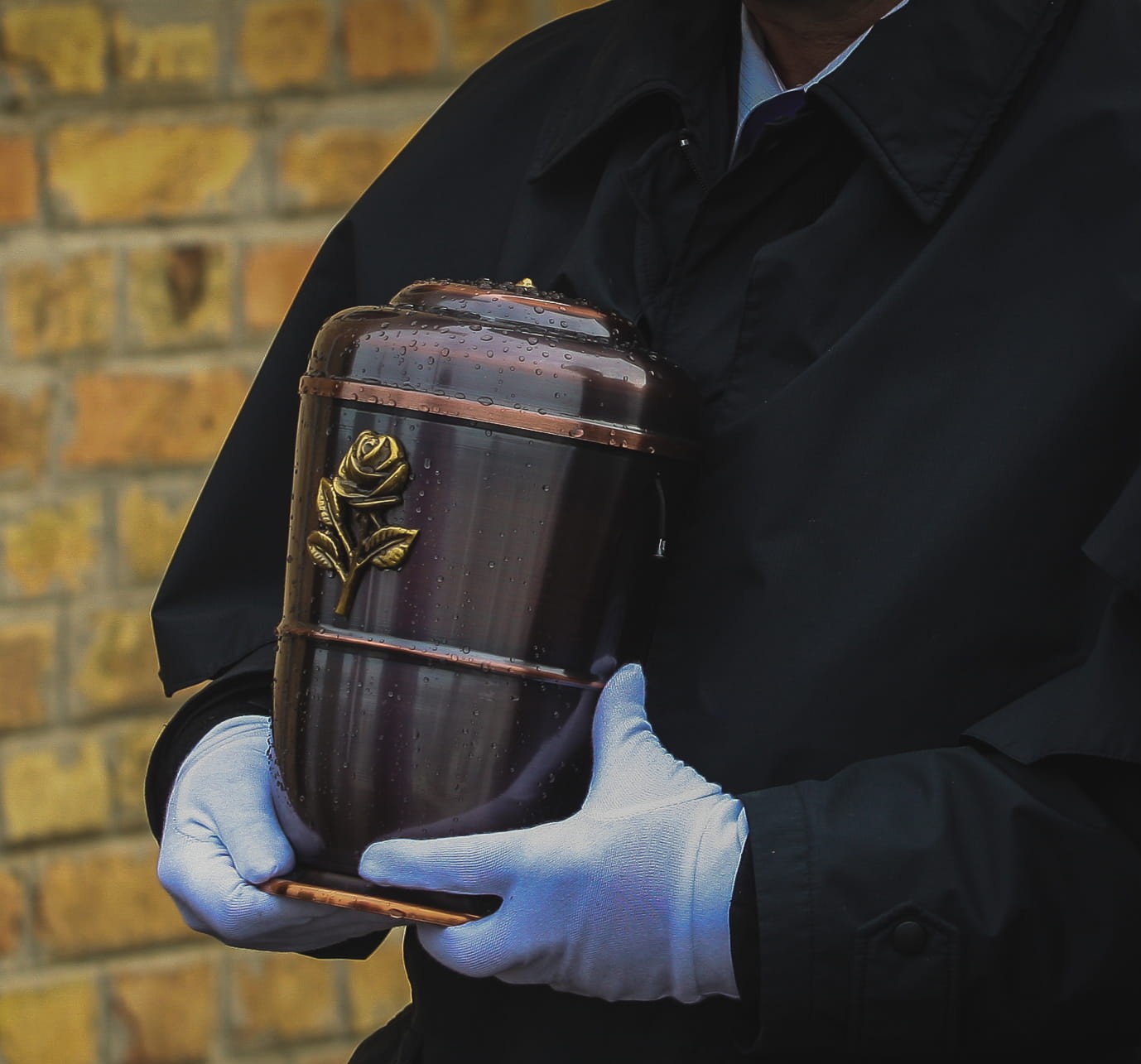
A decorative urn being carried reverently

The History of Cremation

By Cremation, History of Funerals

Did you know that cremation dates back to ancient times? With a history going back so far, it’s no wonder cremation is making a comeback today! Although burial was often the most common disposition for people in Europe, cremation was more common in various Asian countries.

This article provides a look into the earliest records of cremation and its evolution throughout history. Without understanding the past, we can’t fully appreciate cremation’s significance or the modern methods we use today. Let’s dive in!

A map of the world

Early Cremation Practices

While it remains unclear when and by whom cremation first began, various civilizations throughout history have used it to honor their deceased loved ones.

Greece

Historical records show that cremation was a key part of traditional burial customs in ancient Greece. It was particularly practical for death in battle. Cremation was seen as an honorable and peaceful way for the soul to be released from the physical body before journeying to the underworld, the gods’ realm of the dead.

India

According to Hindu teachings, cremation is known as mukhagni. It is part of samsara, the cycle of birth, death, and rebirth, and prepares the soul for its departure from the mortal world. For over 3,000 years, this traditional practice of disposition has been used by Hindus everywhere.

China

The earliest records of cremation in China date back to 3000 BC. Originally, burial was the standard practice in China, and cremation was viewed as uncivilized and taboo. However, views around cremation changed as Buddhism grew in popularity. The teachings of Buddhism changed the country’s mindset and encouraged people to think of cremation as a practice of bringing peace to the deceased’s spirit and returning the mortal body to nature.

Candles being lit during a traditional Thai Buddhist funeral ceremony

Advancement and Evolution

As the world’s scientific knowledge expanded and technology advanced, the development of a new cremation furnace made cremation more popular. At the 1873 Vienna Exposition, Professor Ludovico Brunetti of Italy introduced a cremation chamber that could replace the open-air pyre. His invention addressed people’s concerns about bacteria and toxic chemicals released during open-air cremation.

The following year, Sir Henry Thompson, one of Queen Victoria’s top surgeons, founded the Cremation Society of England. Thompson was a strong advocate of cremation, especially in Europe, where the population was rapidly increasing and living space was decreasing. Cremation allowed communities to safely and sanitarily take care of the dead while conserving much-needed resources. The Cremation Society of England advocated for legislation to legalize cremation in England but faced strong criticism in a society that relied heavily on burial traditions. England later legalized cremation in 1902, twenty-eight years after the society was founded.

Across the sea, Dr. Francis Julius LeyMoyne performed the first modern cremation by building and using the first crematorium in America in 1876. More cremation societies were established across the country soon after. Thompson’s and LeyMoyne’s advocacy and ideals would spread across the western world as more people became interested in cremation. However, some religious institutions had strict policies about the practice.

A black urn sitting outside among grass and rocks

The Changing Christian Perspective of Cremation

Religion today still plays a hand in influencing people’s perception of cremation.

On the one hand, the Catholic Church used to prohibit the practice of cremation among its followers because of the Romans, who practiced it to follow paganism. The Church believes that the human body is created in the image and likeness of God, so burial was their original disposition preference. Over time, the Church has become more flexible about cremation, provided it is used for faithful purposes and follows certain guidelines.

On the other hand, the Protestant faith was more open-minded towards cremation, because its beliefs aren’t centered around ritual practices for death the way Catholicism’s are. Protestant denominations generally believe that if the individual has accepted that they are a sinner and that Jesus is their savior, they will be welcomed into heaven. The final disposition form does not matter as long as the body is taken care of with reverence and care.

A woman placing her hands on an urn while she mourns during a Christian memorial service

Popularity of Cremation Today

Cremation’s popularity has increased due to several societal and religious factors. About 63% of American people prefer cremation, and there are many beneficial reasons to choose it:

  • You can still have a service to honor a loved one’s life before or after cremation takes place
  • You have varied memorial options, including customized urns or unique keepsakes
  • There are many choices for a final resting place, such as scattering, burial, or placement in a columbarium
  • Pet cremation is more accessible, and many families are choosing it to honor their beloved pets

A decoratively detailed urn being carried reverently

Cremation Options to Consider

Today, you can choose between two cremation options: flame cremation and water cremation.

Traditional cremation involves placing the body in a cremation retort, a chamber built to withstand high temperatures, where the cremation takes place over several hours. A crematory operator oversees the process and ensures that the entire body is cremated completely. The bones are removed and processed into ashes after the cremation. The family then receives and honors the ashes of their loved one.

Water-based cremation, or aquamation, involves placing the body in a sealed chamber before filling it with water and a controlled amount of alkaline chemicals. The chamber is heated at low temperatures, and the body decomposes and dissolves. The liquid byproduct is returned to the earth in an environmentally friendly way, and the remaining bones are transformed into fine powder before being returned to the family. A quick note: Aquamation isn’t widely available yet, so ask your funeral director about the possibility.

These options are scientifically tested and considered safe ways of handling a body. If you have any questions about today’s cremation processes, your funeral director is an excellent source for up-to-date, comprehensive information.

Metal urns lined up together on a shelf

Throughout history, cremation has seen its ups and downs. Today’s practices remain rooted in religion and culture. Thanks to scientific innovation, the cremation process is available today. Cremation is widely available, and the possibilities for personalization and memorialization are nearly endless.

A caretaker applauding a kid while they paint outside

How to Support Your Grieving Child During Easter

By Children, Grief/Loss, Seasonal

Easter is a time for celebration and renewal, but for children who have lost a loved one, it can feel different. They might feel out of sorts and not want to participate in Easter activities like egg hunts or visiting the Easter Bunny.

A child looking out the window thoughtfully

As a caregiver, you want to support and uplift your child during this difficult time. However, it can be challenging to navigate deep topics and emotions with a grieving child. They’re still developing as a person, which means they likely aren’t in touch with their emotions. That’s why children need a guiding hand to develop healthy coping skills.

Whether your child has lost a relative or a close friend, let’s discuss a few gentle guidelines that can help you support your grieving child during the Easter season.

Understand That Children Grieve Differently

A parent comforting their kid while they cry

Grief looks different for everyone, and it isn’t an easy concept to understand, especially for children. Nationally respected grief counselor and educator Dr. Alan Wolfelt says,In life, everyone grieves. But their grief journeys are never the same. Despite what you may hear, you will do the work of mourning in your own special way.

There are many signs of grief that can show up at different ages and developmental stages, but they’re all normal. For example, your child may not be as excited about Easter activities this year. Or maybe your child is in denial that their loved one is gone and is closing themselves off from others. If your child is exhibiting natural grieving behaviors, try not to worry too much. Grief takes time.

If you’ve ever lost a loved one, then you’ll understand how complicated feelings and behaviors can get. To foster a healthy grief journey, encourage your child to talk about their feelings and create opportunities for them to come to you.

Provide a Compassionate Space

A parent talking to their stressed child

While everyone around them may be celebrating Easter, your child needs a safe space to express their grief, and that space can be you. Even if your child is not initially receptive, continually remind them that you’re available to support them.

In some ways, being a supportive space won’t be easy; your child could be happily decorating eggs one moment and crying the next. Create a space for grace and understanding, but don’t allow your child to push your boundaries. Even when someone is grieving, it doesn’t excuse breaking the rules or mistreating those around them.

As your child’s safe space, you can provide opportunities for them to express themselves. For example, open conversations and journaling can create a sense of structure and foster positive expression. Reading a book and drinking a warm beverage can emphasize the safety of your child’s home surroundings. All of these things remind children that home is a safe place to grieve. And if your child seeks out time alone, don’t be afraid to give it to them. Children of every age experience a range of emotions, and these feelings can be overwhelming if they don’t have a healthy outlet.

Modify an Easter Tradition

A kid picking up Easter eggs

Easter celebrations usually include fun activities like opening baskets and dressing up, but your child’s excitement may look different. Enjoying the holidays without a loved one can be challenging, but with a little effort, you can update your traditions to help your child grieve and honor their loved one’s memory!

If the loved one enjoyed a specific candy, you could include it in the eggs for an Easter egg hunt. Or, if your child loved painting or dyeing eggs with the person who has died, you could gather the supplies and do the activity with your child yourself.

As your child does these activities, they can remind them that their loved one is still present in their daily life – even if they’re not physically there. These special moments help honor their loved one’s memory, soothe the ache of their loss, and learn healthy grieving skills.

Encourage Outdoor Activity

A field of tulips in a park

Grief can make it easy to fall into a pattern of staying inside, but going outside can help your child immensely. Thankfully, Easter often lands in early spring, which means warmer temperatures, plants growing, and more time spent outside.

There are many ways you can use the outdoors to help your child. Take the opportunity to plant their loved one’s favorite tree or flower as an act of remembrance. Visit their loved one’s final resting place and let your child talk about school, memories, or whatever they want. Or to help your child expend any emotional energy, take a walk or play at the playground. These activities can help your child release their emotions in a healthy manner.

A caretaker applauding a kid while they paint outside

As a caregiver, you want nothing more for your child than for them to be happy during the Easter holiday. Grief isn’t easy, and it takes time and intentional effort to process. While you cannot heal your child’s grief, you can make Easter feel easier by implementing these compassionate guidelines and practices. Showing that you care will make all the difference to your child as they navigate the challenging emotions that accompany grief.

As you create a plan to support your grieving child this Easter, take a look at these additional resources and decide how best to love on your child during their time of grief:

6 Ways to Honor a Loved One’s Memory at Easter – Funeral Basics

10 Ways to Support a Grieving Child During the Holidays – Funeral Basics

7 Tips for Teaching Your Child How to Process Grief – Funeral Basics

10 Story Books on Grief for Children Ages 3-12 – Funeral Basics

Two girls looking at an estate sale's items

Tips for Hiring a Professional Estate Sale Company

By Estate Planning, Plan Ahead

When someone you love passes away, there are many things to consider, including what to do with their house and possessions. As you walk through a loved one’s home, you may see yourself keeping a few cherished items, but you cannot see yourself keeping everything. What can you do? Consider having an estate sale!

While you could host an estate sale yourself, that can get complicated. Instead, consider hiring an estate sale company. There are many companies to choose from, so take a look at these 8 tips for hiring a professional estate sale company.

Older woman looking thoughtful

1. Choose a Company that Respects Your Wishes for Personal Involvement

As you start your search, look for an estate sale company that makes you feel comfortable with your level of control and personal involvement.

For some people, a lost loved one’s home may be out of state, which can make logistics tricky. The distance may require you to conduct your business through phone calls and virtual communication.

If that’s the case, choose a company that maintains frequent communication and is used to working with out-of-town family members. Whether you’re local or not, hiring an estate sale company that lets you be as much or as little involved as you want is worth considering.

Two colleagues chatting with each other in front of a computer

2. Choose a Company with Good Word-of-Mouth Recommendations

To find a trustworthy business, consider asking your friends and family about their experiences with professional estate sale companies. Chances are, they’ll know someone local with whom they’ve had a good experience.

Alternatively, you could also attend local estate sales in your area and ask about the company they hired. If the heirs aren’t present, take the opportunity to speak with the company associates themselves.

Lastly, your estate sale company search can also be conducted online by reading reviews. Star ratings, photos, and testimonials allow you to discern whether the company you’re looking at is the right choice for you.

A couple talking to a businessman

3. Choose a Company that Focuses on Your Service Priorities

Once you compile a list of potential estate sale companies, think about the services you would like to employ. You’ll want to ask yourself questions like:

  • Am I looking for help with pricing items?
  • Does staging the house feel like too much right now?
  • Would I prefer to oversee the sale itself, or would I rather be absent from it?
  • Would I prefer the company to advertise the estate sale?
  • How do I want to handle negotiations with buyers?
  • Do I have any specialty items that require attention?
  • Would I prefer the company to handle any leftover items that aren’t sold?

As you answer these questions, you’ll hone in on your own priorities and can hire a company that takes those priorities seriously.

An older woman using a calculator

4. Choose a Company that Fits Your Budget

After figuring out which services you need, ask yourself how much you are willing to spend on an estate sale company. Making a budget is a smart way to keep your costs within your means.

Ask each company for their pricing, their commission percentage, and their fees. This way, you can easily compare each company’s offerings and pricing. However, keep in mind that you get what you pay for. Some companies may charge a higher rate but have a better understanding of the practice and market. On the other hand, some companies could charge a lower rate and have less experience and fewer connections. Always weigh the pros and cons before deciding whom to hire.

Two men shaking hands

5. Choose a Company that Takes a Reasonable Commission

Once you have decided on your service priorities and an estimated spending range, consider the commission percentage the company will require. Keep in mind that since you have decided to hire an estate sale company, the profit you receive will be lower than if you choose to host the sale yourself.

Feel free to ask the companies you contact for price quotes and explanations behind their commission percentage. A trustworthy company will be transparent about their rates before you hire them. As stated in the previous tip, some companies may feel comfortable asking for a higher rate due to their experience and knowledge in estate sales.

A woman looking at her calendar on her computer

6. Choose a Company that Meets Your Schedule

Your day-to-day life comes with numerous responsibilities, so you’ll want to choose a company that is flexible and can accommodate your schedule. Feel free to pull out your weekly calendar and suggest dates and times that are convenient for you.

As you start to coordinate meetings and the logistics of the estate sale, ask yourself these questions. When do you have time to meet with the companies you’re considering? How much time will it take to review everything you wish to sell? How long does the estate sale company expect the entire process to take?

You don’t want to feel rushed for time when working with an estate sale company, and a good company won’t try to hurry you.

A man looking around after he's finished packing boxes

7. Choose a Company that Helps You Decide What to Keep

When coordinating an estate sale, you must start thinking about what you would like to keep from your loved one’s estate. Once you’re done looking through your deceased loved one’s belongings, a good estate sale company will carefully review each item and help you price everything efficiently.

If you’re curious about a particular item’s value, they’ll also be able to help. These professionals are trained to look at and appraise items for a fair and reasonable amount.

A woman handing a box over to another person

8. Choose a Company with Consignment or Donation Opportunities

Once your estate sale concludes, you will likely have items left over that did not sell. That’s why it’s important to choose a company that has a plan for unsold items. Do they price items for consignment or offer to drop off the remaining items at a local donation center? Ask the company about their policies and offerings so you know what your responsibilities will be after the estate sale is over. This way, there are no loose ends following the estate sale.

Two women looking at items at an estate sale

Making a Decision

Hopefully, these tips will help you as you decide whether or not to hire an estate sale company to assist you with clearing out a loved one’s home after their passing.

By choosing a trustworthy and reliable estate sale company, you can rely on experts to take care of everything. They will appraise estate items appropriately, stage the house, and share extensive knowledge of the estate sale process with you. Not only will the estate sale conclude smoothly, but an incredible emotional weight will be lifted off your shoulders.

Whether you choose to hire an estate sale company or do it yourself, consider exploring these additional resources for more information.

Pros and Cons of Using a Professional Estate Sale Company

11 Tips for Planning a DIY Estate Sale

Older man in a blue shirt smiling at a schnauzer

How to Emotionally Prepare for a Pet’s Death

By Pets

Pets light up the world around us, and they are our closest companions and most loving friends. As pets age and their physical abilities begin to slow, death is something every pet owner must face, and it can be difficult to come to terms with. Thankfully, as you walk alongside your pet in their senior years, you can prepare yourself for what’s to come. Although it may feel overwhelming to think about your pet’s death, let’s look at a few practices you can start now to emotionally prepare for your pet’s eventual passing.

Older man in a blue shirt smiling at a schnauzer

1. Allow Yourself to Feel

When you see your pet’s health deteriorating, first and foremost, allow yourself to feel sad. Your feelings do matter, and they are valid. Some people may think it’s silly to grieve the death of a pet deeply, but ignore them. Grief is grief. There’s no timeline for your grief, nor is there a step-by-step process.

Dr. Alan Wolfelt, a nationally respected grief expert, has a lot to say about pet death, including, “Allow your feelings to find expression.” Although it may be tempting to push your feelings down and avoid thinking about your pet’s passing, doing so can do more harm than good. While people process their feelings differently, it’s important not to repress or ignore them.

As you prepare to say farewell to your pet, remember that your friends and family are available to support and empathize with you as you experience this inevitable point in your life. Your loved ones also love and appreciate your pet and can sympathize with you over their decline.

Lizard in a top hat and a cape

2. Spend Time Together

Another way you can emotionally prepare for your pet’s death is to spend some quality time with them. They are one of your best friends, so you’ve experienced a lot together! Whether you’ve scaled impressive hiking trails or curled up together on a cloudy day, the bond you share with your pet is irreplaceable. These are memories you will never forget.

There’s also still time to do everything you’ve wanted to do with your companion! Make some memories before they pass by doing things together that you’ve been putting off. You can buy them a fun outfit or make a pet-friendly treat for them. Maybe you’ve always wanted to show them a favorite spot of yours, or you’re looking to introduce them to a friend’s pet.

More than likely, your loved ones have also grown to love and appreciate your pet. They will understand if you want to take time out of your schedule to enjoy your remaining time with them.

Female vet examining a cat

3. Plan Your Pet’s Final Days

Enjoying the last special moments with your pet also means taking care of their health. As you come to terms with your pet’s eventual loss of life, consider taking your pet to the vet clinic for a professional opinion. Your veterinarian may give you several options about what to do for your pet moving forward. Remember that you should make the best decision for you, your family, and your pet’s health.

Two common choices that you could be presented with are euthanasia or enjoying the time you have left.

  • Euthanasia: Some pets pass away from natural causes, but most of the time, it is up to the owner to decide when their quality of life has deteriorated. It’s not an easy choice to make, but it could mean preventing your pet from experiencing further pain.
  • Enjoy the Time Left: After a checkup, the vet may recommend that you enjoy the time you have left together. It may sound sad, but if there’s nothing you can do now, the best thing may be to show your pet unconditional love and support in their final days.

These three practices won’t take away your grief, but they can help you prepare for the emotional impact your pet’s passing will have on you.

Two people holding each other's hands for comfort

4. Remember You’re Not Alone

People struggle with pet death every day because it’s natural to miss a companion that was with you through thick and thin. The emotions you’re experiencing have been felt by countless pet owners everywhere. Not only can you reach out to family and friends for support, but you can also reach out to other pet owners.

Facebook groups and local support groups are popular ways to connect with others over a shared experience. Online support groups like the Association for Pet Loss and Bereavement and Paws Whiskers & Wags are also available.

No one will understand you more than someone else who has lost their animal friend. You can find comfort in other people’s stories because they know exactly what you’re going through. Finding a community of support like this can be so helpful in your upcoming grief journey. Amidst it all, remember that you’re not alone in your grief.


Grief counselor listening to a client

5. Reach Out to a Professional

If you find yourself struggling with pet death, you may want to seek out a grief counselor. Sometimes, processing heavy emotions requires professional guidance.

Grief counselors allow us to talk about our feelings in a healthy way in a neutral space. You can share your experience with your pet and how their impact on your life affected you. A grief counselor can help you form and maintain healthy coping skills as you come to terms with your loss.

To learn more about preparing for the loss of a pet, explore these additional resources.

7 Pet Memorial Options
What You Need to Know About Pet Burial and Cremation
Helping a Friend Grieving the Loss of a Pet
Why Do We Feel the Loss of Pets so Deeply?