woman with cleaning gloves using a brush to clean a headstone

How to Clean a Headstone in 6 Steps

By Cemeteries

A headstone or grave marker is a special place where your family and friends can remember and honor your loved one’s memory. But because most monuments are outside, it’s easy for dirt, plants, or moss to build up and damage the headstone.

But how do you clean a headstone? You may need to consult a restoration expert if a monument is old or damaged. In many cases, though, you can clean a monument yourself as long as you take certain precautions. Follow these 6 steps to clean your loved one’s headstone properly so your family can visit them and honor their memory for years!

1. Make Sure You Have Permission

person wiping a headstone with a white cloth
First, you’ll need to make sure you have permission. Some cemeteries may have specific rules and regulations about cleaning headstones, especially those that take care of maintenance themselvesGreen or natural cemeteries that allow grave markers will likely prohibit certain chemicals and cleaning products.

Additionally, government-issued headstones for veterans are still considered government property and can only be cleaned following the VA’s cleaning guidelines. Historical and preservation societies also have specific policies regarding how older headstones should be cleaned.

You should also only clean the headstones of your loved ones or those you have explicit permission to clean. While cleaning someone else’s headstone might be a nice gesture, some people may see it as an invasion rather than a help. Plus, you would be liable for any damage to the headstone.

2. Check the Headstone for Damage

Cross-shaped headstone fallen over and broken in several places
Before you clean the headstone, you’ll need to ensure it’s in good condition. If the headstone sounds hollow or is cracking, chipping, flaking, or powdery, even gentle cleaning could further damage the marker. Plus, if the grave marker seems unstable (shifting, wobbling, or leaning), cleaning increases the chances that the headstone could fall.

If the headstone you want to clean is damaged, consult a headstone preservationist to get professional help repairing the headstone. That way, the marker will be fixed properly and can stand for generations to come.

3. Pay Attention to the Headstone Material

variety of headstones and grave markers of different materials
The material of the headstone you’re cleaning will affect the products and cleaning strategies you can use. While most modern headstones and grave markers are made of marble, granite, or bronze, a wide variety of materials can be used for headstones.

Once you know what material your loved one’s headstone is made of, you can choose cleaning products that will safely clean without causing damage. If you can’t tell what material was used and don’t have any records to consult, you can check with the cemetery to see if they can identify the stone, read this article for some more info, or do a quick search online for similar headstones.

4. Use Gentle Options First

headstone carved with flowers with plants growing over it
As you start the actual cleaning process, start by using the gentlest methods. Carefully remove plant growth by hand, cutting plants close to the roots to prevent them from growing back. Brush off dirt with a light cloth or gentle brush, and use a soft toothbrush to get the dirt out of the carvings and grooves in the stone.

To remove moss and lichen, soak the headstone in water and wait a while. After a little while, the growth should loosen up, and you can use a plastic scraper to remove the moss.

Before using any cleaners, start with water, gentle soap, and brushes. Depending on the material, you can also try baking soda on some headstones. If these methods don’t work, you can then move on to use stronger cleaning products (step 5) if your cemetery allows.

5. Test Cleaners Before Using

woman's hand using a cloth to wipe cleaning products on a headstone
As you pick a cleaner to use on the headstone, start by reading the instructions and looking at product reviews. Do research to ensure you choose the best cleaner based on the headstone’s condition, material, and local conditions (sunny vs. shaded cemetery, high vs. low humidity, etc.).

Once you’ve selected a cleaner, test it on a small, less visible area of the headstone first. After following the product’s instructions, let the area fully dry before using it on the entire headstone. That way, you know for sure that it won’t cause damage!

No matter what, you should avoid power washing the gravestone or using harsh cleaners like bleach and strong acids or bases. These can cause permanent damage to the headstone and surrounding grass and plants.

6. Don’t Clean Too Often

woman with cleaning gloves using a brush to clean a headstone
Now that the headstone looks clean and new, you’ll probably want to keep it that way! But think twice before cleaning the headstone frequently. Cleaning too often can accelerate the wear and tear of the headstone. Additionally, you should avoid using chemicals too often or cleaning the headstone during extreme heat or cold.

A good rule of thumb is to clean a headstone about once every 1-2 years, but that number can vary based on the environmental conditions in your area and the headstone’s condition.

Cleaning a headstone is an important task that shouldn’t be taken lightly! As you follow these steps, take time to remember your loved one and the impact they made on your life. While the cleaning process can be time-consuming, know that you are ensuring your loved one’s memory lives on for years to come.

Close-up of white wiry dog placing paw in young woman's hand

Practical Ways to Support a Grieving Pet

By Grief/Loss, Pets

While pets may not fully grasp the significance of death, they can deeply feel the loss of a human or animal companion. The depth of feeling will vary from pet to pet, but it’s not unusual for a pet to feel out of sorts for several months following the death of a loved one. But there are ways you can support your pet through a loss and help them recover more quickly.

Person sitting on floor, hugging a dog and cat close

Signs of Grief in a Pet

Before we discuss how you can support your pet through the loss of a companion, it’s important to know how to identify grief in an animal. Here are several physical and behavioral changes that may indicate your pet is grieving:

  • Changes in appetite (eating less)
  • Acting withdrawn or sad
  • Whining, howling, yowling, or crying
  • Changes in personality (your standoffish cat becomes a cuddler)
  • Pacing or searching the house for the missing family member
  • Hiding from or avoiding other family members
  • Changes in grooming or bathroom habits (especially in cats)
  • Showing signs of separation anxiety
  • Changes in sleeping patterns (sleeping more or less than usual)

Man in dark-colored sweater hugs gray cat

In a research project called the Companion Animal Mourning Project, the ASPCA found that over 60% of pets experience four or more behavioral changes after losing a family member. So, if you think your pet may be grieving, it’s very likely they are.

But once you know your pet is grieving, how can you support them? Let’s talk about 8 things you can do!

8 Ways You Can Support a Grieving Pet

Every pet will react to a death differently, so some of these suggestions may work better for your pet than others. Try each suggestion and see which ones work best for your pet and their personality. These methods could help your pet cope with the loss of either an animal companion or a human companion.

1. Let them say goodbye

While animals have a limited understanding, they do comprehend that death occurs. Consider giving your pet a chance to say goodbye by providing an opportunity for them to smell or even nudge the deceased human or animal companion. Just as it can be valuable for humans to see a loved one before burial or cremation, the same practice can be beneficial for pets. However, if this suggestion makes you uncomfortable, feel free to skip it. Instead, you can focus on other methods for supporting your pet through loss.

Two cats and a black dog all eating with faces in food bowl

2. Provide for their physical needs

During times of grief, both people and animals may struggle to look after their physical needs. For pets, this means making sure that they eat, sleep, play, stay clean and brushed, and aren’t acting emotionally depressed. To help, you can take your pet for walks. Play with them to increase their activity levels. Make sure they are washed and clean. Monitor their sleeping and eating habits. If you see a concerning change in any of these areas, contact your veterinarian for help.

3. Keep a few reminders around the house

For animals, scent is a very powerful sense. To help them grieve, consider leaving out a few blankets, pillows, pet beds, an old shirt, or other items that carry the scent of the companion who has died. When your pet feels sad, they can take comfort in the smell and familiar presence of the companion they miss so much. It may also bring comfort to your grieving heart when you see your pet resting on a special pillow or snuggling into a blanket.

Close-up of white wiry dog placing paw in young woman's hand

4. Spend quality time with your pet

When your pet is feeling down, they may seek you out for attention. Spend positive quality time with your pet and give them the attention they need. Go to the park with your dog. Brush your cat. Give a few extra treats here and there. These extra moments together will help your pet feel secure and strengthen their bond with you. However, try not to reinforce bad behavior. For example, if your cat begins to meow obnoxiously, don’t give them treats. That will only encourage them to meow more often. Instead, ignore the bad behavior and reinforce the good.

5. Stick to a consistent routine

Pets thrive on routine, and the loss of a companion can really disrupt their daily life. If you have lost a person in your family, and they typically took your dog for a walk every night, try to step into that role and begin taking the dog for a walk each night. Keep up with meals, play time, exercise, and even bedtimes. Grief has a way of throwing everything in chaos, but re-establishing routine brings a sense of safety and security to everyone involved.

Older man in red flannel playing with white dog outside

6. Add new activities to your pet’s life

While you definitely want to establish routine, you can sprinkle in new activities to your pet’s everyday life. Sometimes, fresh and exciting activities can provide a happy distraction and cheer your pet up. Consider introducing a new toy. Walk a new trail at the park. Give your cat different boxes to try to sit in. Add a new perch by the window. These different forms of stimulation can help your pet move past their feelings of grief and find happiness in new things.

7. Give your pet time to grieve

With the loss of a family member, everyone needs time to adjust to the new normal in your home. However, when a pet companion dies, you may be tempted to fill the void by bringing a new pet home quickly. Try not to be hasty. If your pet is grieving deeply, they may not be ready to accept a “stranger” into their home, and it could cause more disruption to your pet’s routine. Give it time. One day soon, your pet will be ready to welcome a new furry member to the family.

Woman at home working on computer with cat sitting in her lap

8. Consult your vet if your pet doesn’t improve

While grief will look different from pet to pet, pay close attention to how they are doing. If your pet isn’t eating well, they aren’t taking care of themselves (like your cat isn’t grooming), or they seem depressed, contact your veterinarian for help. Your vet can offer additional guidance as you support your pet through grief. Because your pet can’t communicate what they are feeling, it’s up to you to pay attention to their unconscious cues and get them the care they need.

With time and love, most pets heal from loss within a few weeks or months. May these 8 methods of support help you look after your pet and help them through this time of loss.

Pallbearers carrying casket to burial space

Do You Know About These 8 Cemetery Expenses?

By Cemeteries, Explore Options, Plan Ahead

When you buy a car or plan a vacation or throw a 50th anniversary party, you take time to consider your options and review your budget. If you’re planning to purchase a cemetery burial space – whether now or in the future – it’s always a good idea to follow the same practice. While purchasing a plot or niche may seem straightforward, there are some expenses that you may not know about. Today, let’s talk about 8 cemetery expenses to consider as you financially prepare to purchase a burial space in your chosen cemetery.

Pallbearers carrying casket to burial space

1. Burial Permit

By law, there are certain rules and regulations around the proper care and disposal of a human body. Before a person can be buried, the funeral home must apply for and obtain a burial permit. Without this document, burial cannot take place, so it’s an important step in the process. Your funeral director will apply for the permit on your behalf, so there’s nothing you will need to do. However, the burial permit does come with a fee. The amount will vary from state to state, so if you’d like to know the cost in your state, make sure to ask your funeral director.

Woman wearing black dress holding gray granite urn close in her arms

2. Casket or Urn

This next one is a bit self-explanatory. If you have opted for full-body burial, you will need to purchase a casket. There are many different types available in a variety of price ranges, so you should find something that works for your specific needs. If you’ve opted for cremation, you can either place the cremated remains in a niche or bury them in a plot. Either way, you will need an urn to house the ashes. Speak with a funeral director to get a good sense of the cost of urns and caskets in your area. They can explain the pros and cons of the different materials and types.

Cemetery worker overseeing arrival of an outer burial container

3. Outer Burial Container

When a casket or an urn is buried, it is placed in an outer burial container. This container (often made of concrete) prevents the ground from shifting too much as the dirt around the grave settles. There are long-term benefits to preventing the ground from settling unevenly. For example, the cemetery grounds remain level (fewer tripping hazards), routine maintenance is easier and less expensive, and headstones are less likely to shift and tip over time. Unless it’s a “green” cemetery, most burial grounds require, at a minimum, the use of a grave liner.

There are two types of outer burial containers: grave liners and burial vaults. To learn more about them, read “Grave Liners & Burials Vaults: What’s the Difference?

Wall of cremation niches with flowers

4. Plot or Niche

And here’s another obvious expense – the plot or niche itself. The offerings at every cemetery will be a bit different, and costs will vary depending on where you live. Additionally, certain sections of the cemetery may come with a higher price tag. It’s also likely that if you want a plot close to a water feature, bench, or something similar, the cost may go up. The best way to nail down what a plot or niche costs is to speak with cemeteries that service your area. Then, with the information you’ve gathered, you can select the cemetery and plot option that best fit your specific needs.

Opening of a grave at a cemetery

5. Opening & Closing of the Grave

If you have chosen casket or urn burial for your final disposition, then you will also need to consider the cost of opening and closing the grave. But what does it mean to open and close the grave? This fee includes digging the grave itself, preparing the ground around the site for the graveside service, back-filling the ground once services are complete, and then landscaping the area to restore and preserve the beauty of the burial space. The cemetery employs maintenance and grounds staff to ensure that this necessary function is done well and correctly for each family.

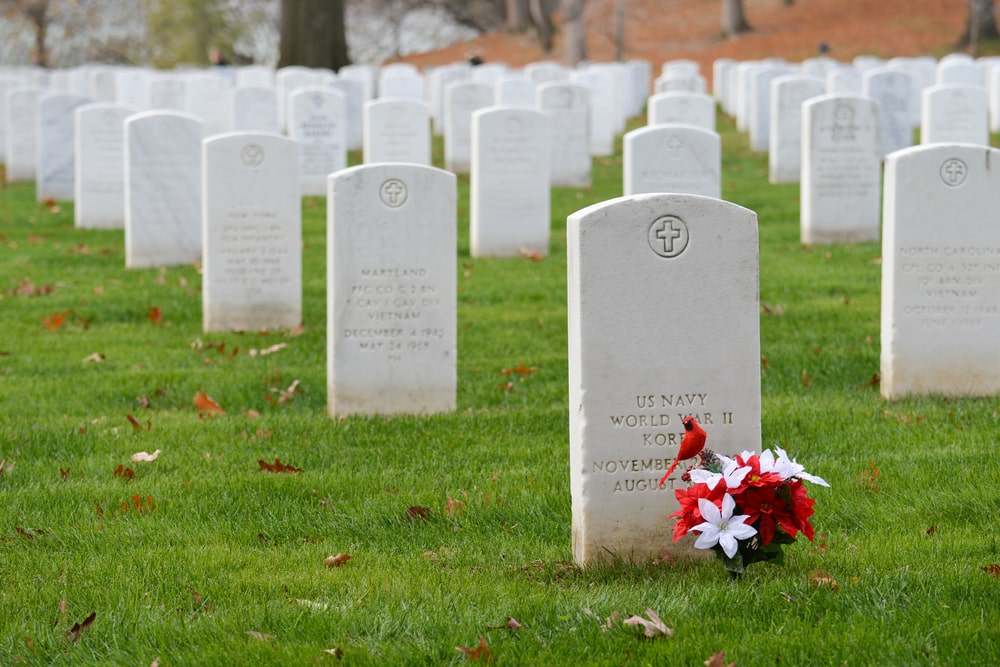
Well-maintained headstones and graves in a cemetery

6. Headstone or Grave Marker

There’s one thing you will always find at any final resting place – a headstone or grave marker. Grave markers come in a variety of types, so there are quite a few options to consider. Do you want a more traditional headstone made of granite? Or do you prefer a flat, bronze marker? Do you need a simple plaque for a cremation niche? Would you like to add custom details to the grave marker, like a gravestone recipe or an inscription or image? The cemetery or funeral home can direct you to a reputable monument company, who will work with you to create a marker that commemorates a loved one’s life for generations to come.

Close-up of red rose resting on a grave marker

7. Headstone Installation

Related to the grave marker, there may be an additional expense to properly install the headstone once it’s complete. When you are speaking with cemetery personnel, make sure to ask if they have an installation fee and if it varies depending on the type of grave marker. For example, it may cost less to install a single grave marker than to install one that includes multiple names. Having this information will help you make decisions regarding what type of headstone you want to commission for a loved one’s grave.

Person pulling weeds around a grave

8. Perpetual Care

One final cemetery expense to consider is perpetual care. But what is perpetual care? Basically, this fee is paid into the cemetery maintenance fund. The fund is then used for groundwork, security, and other tasks like mowing, weeding, or maintaining pathways and signage. In this way, the grave is looked after and cared for regularly for years to come. Sometimes the service includes headstone maintenance, but often, it does not. Generally, perpetual care is a one-time fee that is 5-15% of the burial plot’s price. However, it can vary, so make sure to ask the cemetery for more specifics.

Outdoor mausoleum wall with memorial flowers

What Next?

There’s a lot of information out there about average costs for burial, but it’s best not to rely too much on generalities. It’s true that if you live in Arkansas, your burial costs are going to be lower than if you live in California. However, within California, burial in one area of the state may cost less than another. The best way to figure out average burial costs in your area is to speak with a few cemeteries where you live. That way, you can get a good sense of the average.

Before we go, it’s worth noting that you may want to purchase a cemetery plot early. Planning ahead for funeral and cemetery wishes is an easy process and can save your family hundreds, if not thousands, of dollars in the long run. By taking time now to speak with a funeral home and a cemetery, you can remove the burden of planning from your family’s shoulders and ensure that everything meets your wishes and stays within your budget. You can reach out to a trusted funeral home to learn more about the benefits of planning for funeral wishes in advance.

older couple having fun outside

How to Leave a Meaningful Legacy

By Living Well

We all want to leave our fingerprints on the world. When we reflect on our mortality, we inevitably wonder how we’ll be remembered and what we want to accomplish before passing away. In other words, what legacy will we leave? In such times, we often find that the things that occupy our time are trivial and unsatisfying. Acknowledging the reality that we will die allows us to put things in perspective and focus our energies on the really important things.

When you pass away, how do you want people to remember you? What are you passionate about? Answering these questions will help you make the most of your life and leave the legacy you wish to. Each of us has a unique opportunity to live a meaningful life and create a legacy that will inspire people. Here are some tips for building a legacy that will make a difference in the lives of others.

Identify the things that are most important to you

small girl in a yellow shirt in between her grandparents placing her hands on their cheeks

Before you start to build your legacy, spend some time in reflection so that you know what direction you want to go. As respected author James Cabell once said, “While it is well enough to leave footprints on the sands of time, it is even more important to make sure that they point in a commendable direction.

Take time to determine your direction. What do you care the most about? What are your strongest beliefs and convictions? You may want to list the values that mean the most to you. Do you want to be known for your integrity, humility, generosity, or trustworthiness? Do you want others to see you as a leader? A hard worker? Someone people can always count on? Consider the person you want to be and write down the traits and values you want to strengthen to become that person.

Live your legacy in everyday life

older man helping a young boy ride a bike

Once you have your values laid out, you can look for ways to live them out and build them in yourself. Thinking about the story you want to leave behind can be helpful, but taking action is what truly creates your legacy. In the rush to create an inspiring and exciting legacy, letting big projects consume you can be tempting. But it’s also important to remember the small things: a kind word, a smile, an opportunity to laugh.

Think about ways you can live out your values. If you want to become more humble, you could find ways to serve others. If you want to be more generous, you can donate your money or time to a cause you care about. If you want to be known as reliable, show up on time and follow up with your commitments. By building the traits most important to you, you can live out your legacy every day.

Learn from your loved ones

group of older people hanging out, drinking tea, and laughing

There’s nothing better than the inspiration you get from the people you love. Do you admire the legacy of your parents or grandparents? Do you have a mentor you look up to or a friend whose life inspires you? Pay attention to why these people’s lives inspire you. You could even interview them to learn more about their story and perspective on life.

As you build your legacy, ask your family and close friends for feedback. Your loved ones know you better than anyone, and they can give you ideas about activities that could contribute to your legacy. If you don’t want to talk openly about your legacy, that’s also fair. But be sure to listen to those around you. Paying attention to the people who motivate you will remind you of what is important as you work to build a meaningful legacy.

Consider ways to pass on your legacy

girl hugging an older man in a green shirt

Once you begin to live out your values, you can start thinking about how you want to communicate them to others. While living out your values will create your legacy, personal projects can highlight the story you’re leaving behind. You may want to write a book about something important to you. Or you could write a letter that contains life lessons you have discovered. You may get active in community service or donate to charities you find meaningful. Invest time or money in causes that you really want to support. By taking action and investing in what you care about, you inspire others to do the same.

Ask how your decisions could potentially impact others

older couple having fun outside

When considering what projects to invest in, try to envision how your different options could affect people. While it is obviously impossible to predict how your actions will be interpreted after you are gone, putting some real thought into the results of your actions is beneficial. On close examination, you may see that some of your projects are more practical and beneficial than others. Since the activities you engage in represent an important part of who you are, make sure you spend your time in the best possible ways.

As you think about your legacy and the mark you want to make on the world, don’t lose sight of why you’re doing everything. Stop periodically to reevaluate your goals and intentions. Building a legacy is a great way to inspire others, but don’t let your desire to be remembered become an obsession that keeps you from living out your values. Focus on what matters most to you, and you can create a positive legacy.

Woman wearing black and holding yellow flowers as she visits a loved one's grave

11 Questions to Ask When Choosing a Cemetery Plot

By Cemeteries, Educational, Explore Options

More than likely, purchasing a cemetery plot is only something you will do once or twice in your lifetime. While choosing a cemetery plot is a personal decision, it can greatly affect others who may want to visit the grave, such as next of kin, extended family, and friends. So, if you are looking to purchase a cemetery plot sometime soon, make sure you consider these 11 questions before you sign off on the official documents.

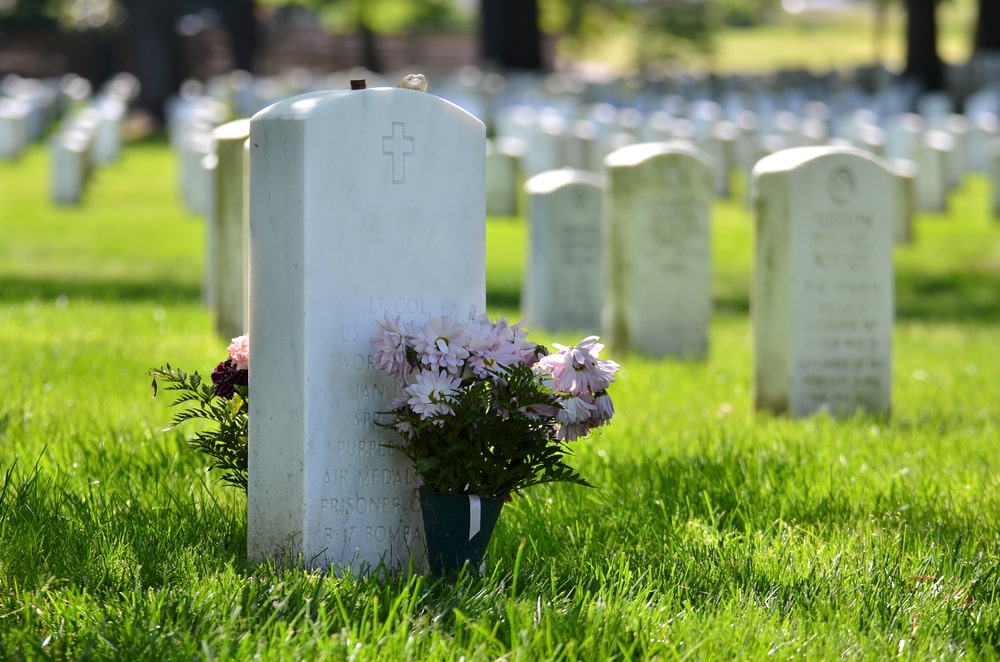
Bouquet of purple flowers resting on top of a headstone or grave marker

1. Does the cemetery have a good reputation in the community?

As with any purchase, you’ll want to make sure you’re dealing with good people in a reputable business. Look up reviews of the cemetery online. Talk to friends or neighbors about their experiences with local cemeteries. Check the Better Business Bureau to see if there are any complaints about the cemetery. And of course, visit the cemetery yourself and talk to the staff face-to-face. You can learn a lot from a little reconnaissance mission.

2. What types of plots does the cemetery offer?

There are many different types of plots available for purchase. For example, you could choose a single burial space, a double-depth space, a family lot, a crypt, or a mausoleum. However, some cemeteries only offer certain types of plots. Perhaps you are interested in a mausoleum niche, but the cemetery you are considering only offers single or double-depth spaces. Do a little research into which type of plot you want and then discuss the cemetery’s options.

Cemetery with single graves, crypts, family lots, and other types of cemetery plots

3. Does the cemetery have any specific rules or regulations?

Before you commit to a cemetery, ask them if they have any specific rules or regulations. For example, some cemeteries don’t allow families to leave decorations at the gravesite. Or they require that all gravestones have the same appearance, such as a flat grave marker or plaque. Also, most cemeteries require the use of a grave liner or burial vault, which is good to know for budgeting purposes. Every cemetery is different, so to avoid surprises, make sure to ask.

4. Do the cemetery grounds appeal to you aesthetically?

While the way a cemetery looks isn’t ultimately important, it’s nice to know that your (or a loved one’s) final resting place is in a pleasant place. So, take stock of the cemetery. Is it well-maintained? Are the grounds manicured? Are there huge potholes or unsightly, overgrown areas? Depending on where you live, you may not have much choice in which cemetery you use. However, if the look and feel of a place matter to you, that’s valid and shouldn’t be ignored.

Woman wearing black and holding yellow flowers as she visits a loved one's grave

5. Do family and friends have easy access to the cemetery?

Another thing to consider is whether those left behind will have easy access to the gravesite. For many people, visiting the grave of a loved one is a part of the healing journey and can help them feel close to the person who has died. In both movies and real life, it’s not uncommon to see family visiting a lost loved one to share news, to introduce a new spouse or child, or simply to say hello to someone loved. But to do this, the gravesite must be easily accessible. So, as you choose a cemetery, make sure it’s easy to find, is open to visitors, and is relatively close to home.

6. Do you have any preferences for the location of your plot?

The cemetery will have plots available in different locations, and they may vary in price. For example, if you want a plot near a water feature, a pond, or a bench, it may cost a little more. Also, is the plot on elevated or depressed land? The location could matter if you live in an area where water levels rise and fall. Make your preferences known to the cemetery staff. And if you don’t like the options they have to offer, check out the next cemetery on the list.

Pretty pink flowers in foreground with headstone in background

7. Are there any additional costs to consider?

You will, of course, pay for the plot itself, but are there other fees to consider? For example, how much does the opening/closing of the grave cost? Is there a fee for ground maintenance or perpetual care of the gravesite? Is there a headstone installation fee? Sometimes fees can feel like they come out of the woodwork, so ask upfront for a list of total costs. That way, you can plan and budget correctly.

8. What types of personalization does the cemetery allow?

Some families love the clean, polished look that comes with uniformity. Seeing how organized and neat everything is feels right and good for them. For other families, there may be a greater desire to create something unique, such as a gravestone in a particular shape or color. Neither choice is right or wrong – it all boils down to preference. So, as you decide which plot to buy, consider whether personalization at the cemetery matters to you or not.

Wall of cremation or burial niches

9. What are the cemetery’s responsibilities regarding the gravesite?

As you decide on which cemetery to work with, ask them what their responsibilities are toward the gravesite. How often do they maintain the lawns? Will they let you know if the headstone starts to crack or weather? Do they clean the headstones? If there’s a maintenance fee, what does that cover and for how long? It’s always good to know what’s included in any service you purchase so you know exactly what you’re getting.

10. Does the cost estimate fit into your budget?

The cost of a burial plot varies a lot, depending on where you live and what type of plot you want. For example, the same type of plot will cost more in Washington, D.C., than in Arkansas. Additionally, public cemeteries will typically cost less than private cemeteries. When you combine the plot fee with any other fees, it can add up. By asking for a cost estimate, you can determine if everything fits into your budget or if you need to adjust your plans.

Mature man sitting next to a loved one's gravesite, leaving a flower of remembrance

11. Can you pre-purchase a cemetery plot?

In other words, can you purchase a cemetery plot before you need it? Absolutely! In fact, it’s actually a good idea to do so. Planning ahead for funeral wishes can save you money, give you time to consider all the options, and remove the burden of planning from your family’s shoulders. It’s a lot easier to make decisions when you aren’t under pressure, so a little advance planning can make purchasing a cemetery plot a smoother process for you.

Hopefully, you feel better prepared to speak with cemetery personnel about plot options, but just in case, here are a few more resources for you:

Man placing a white rose on top of a gravestone

How Rituals and Traditions Help Us Heal

By AfterCare, Grief/Loss, Meaningful Funerals No Comments

Sometimes, it’s hard to know what to think or how to process a loss that hurts so deeply it takes your breath away. That’s where traditions and rituals can help. Healing actions help us to express our deepest thoughts about life’s most significant events. Special ceremonies like graduations, weddings, and baby dedications involve rituals that help us mark important milestones in life. Similarly, when a loved one dies, traditions can also help us mark a significant event, spend time remembering a loved one, and find healing.

Man placing a white rose on top of a gravestone

What Makes Rituals So Effective?

1. Rituals are symbolic

When you lose a loved one, you can use symbolic acts to honor and remember their life and memory. This could mean that you watch their favorite movie every year or that you place their stocking on the mantel during the holidays. These small, symbolic acts help you to remember that a loved one is always with you in your heart.

2. Rituals help us express emotion

Dr. Alan Wolfelt, renowned grief counselor and educator, is often quoted as saying, “When words are inadequate, have a ritual.” During times of grief, you will need an outlet for expressing your deepest emotions, and words may not be enough. After all, when a loss occurs, the wound may be so deep that you simply cannot find the right words to express it. In times of great distress, a ritual can be more comforting and healing than a thousand eloquent words.

Servicemembers symbolically folding an American flag at a funeral

3. Rituals unite people in a common, shared experience

Funerals, visitations, candlelight services, memorial events, and celebration of life ceremonies can help you feel a certain solidarity with others who are sharing your grief and loss. There’s a unique sense of comfort from knowing that you’re not alone and that others are supporting you on the journey through grief.

So, why are rituals and traditions so effective? They can bring healing to the wounded heart and help you feel connected to others and supported by the presence of loved ones. Rituals are also a way to express deep emotions as you search for healing and reconciliation after a loss.

What are Some Examples of Healing Rituals?

Grief and healing are not one-size-fits-all. There’s no set timeframe for grief, and there’s no “right” way to heal. Instead, you must find what works best for you, your personality, and your family.

To spark your own ideas, here are some possible rituals you could include in your grief journey:

Woman lighting memorial candles in her home

Light a Memorial Candle

Put an open place setting at the table or set up a memorial display area at home and light a candle when you want to honor the memory of a loved one. You can light a candle every day or only on special occasions, such as birthdays, anniversaries, or holidays. Lighting a candle symbolizes the light that your loved one brought to you and how they live on in your heart.

Recall Memories

Family and friends may choose to gather on special occasions to share memories and honor a loved one’s life. This may occur on the first anniversary of the death, at family reunions, or on significant days like Mother’s Day or Father’s Day. During these gatherings, set time aside to allow people to talk together and share memories that bring comfort and joy.

Man and woman visiting the grave of a loved one

Visit the Graveside

Some people find comfort in visiting the grave of their loved one, leaving fresh flowers, or simply spending time reflecting on the loss. Mourners often visit the grave on special days or on any day that they want to feel close to their loved one. No matter when you decide to visit, take this time to speak to your loved one and express what’s in your heart.

Attend a Special Memorial Event

Certain community events, such as remembrance services around the holidays, can also bring comfort and healing. These events help us connect with other people who are also feeling the pain of a loss, which can bring a greater sense of peace. In addition to receiving support, these types of gatherings help you engage with your emotions and express what you’re feeling.

Keepsake necklace with a loved one's fingerprint and the word "Dad" engraved on it

Carry a Remembrance Item

Sometimes a small keepsake, like a watch, jewelry, or a small heirloom, can be a sweet reminder of a loved one. If you don’t have a specific keepsake, you could select memorial jewelry that holds a lock of hair or is engraved with a loved one’s fingerprint. A remembrance item serves as a daily reminder that can bring comfort when you feel a loved one’s loss most keenly.

Now, these are just some ideas to get you started. There are so many rituals and traditions you could incorporate into your grief journey. Volunteer every year at a non-profit your loved one championed. Bake their favorite dessert on their birthday. There are so many possibilities. Spend some time thinking about what would be meaningful to you. Talk with your family members. Together, you will identify ways you can use ritual and tradition to bring healing to your hurting heart.

Small wooden cross with purple ribbon, small crown of thorns, and three nails

5 Ways Grief is Expressed in the Easter Story

By Exclude from Top Posts, Seasonal

For Christians around the world, Easter is a time for both thoughtful contemplation and joyful triumph. The holiday revolves around the life of Jesus Christ and His death and resurrection, which Christians believe broke the power of sin and made it possible for mankind to live an abundant life of freedom and close relationship with God.

But before the happy moment when Jesus’s friends, family, and disciples realized He was alive, they grieved His loss for two days. As we look at the four Gospel accounts (the Books of Matthew, Mark, Luke, and John), we can see 5 distinct reactions to Jesus’s death and how people mourned His passing.

1. Honoring Jesus with a Final Resting Place

replica of what Jesus's tomb may have looked like from the outside

The Books of Matthew, Mark, Luke, and John all recount the events of Jesus’s death on the cross. In each one, a man named Joseph of Arimathea plays a key role. In the Book of John, we’re told that Joseph kept his allegiance to Jesus secret because he feared the Jewish leaders. However, Joseph revealed himself to all when he asked Pontius Pilate, the Roman leader, if he could have Jesus’s body for burial. He placed Jesus in a tomb intended for Joseph and his family. Through this expression of grief, Joseph honored Jesus and showed deep respect and care for Him.

Today, we do much the same thing, though we don’t often use tombs anymore. Now, we may bury a loved one in a cemetery or scatter their cremated remains in a special place. No matter what is chosen, we still honor loved ones by giving them a place of final rest. (References: Matthew 27:55-61; Mark 15:42-46; Luke 23:50-53; John 19:38-42)

2. Supporting Jesus at the Time of His Death

Depiction of the crown of thorns, cross, and nails that pierced Jesus's hands

Another expression of care and grief highlighted in the biblical narrative is the supportive presence of Jesus’s loved ones at the time of His death. Each Gospel includes the names of different people, so we can conclude that there were quite a few of Jesus’s followers nearby when He was crucified. Why were they there? To offer Him their support during His time of need. To grieve and to see for themselves what happened to Him.

We still practice this expression of love and care today. When a loved one’s death is pending, we sit by their side. Family members come from far away to say their goodbyes. Friends and neighbors offer their love and support. In Jesus’s case, His followers couldn’t hold His hand, but they could stand near Him and make their presence known. (References: Matthew 27:55-56; Mark 15:40-41; Luke 23:49; John 19:25-27)

3. Preparing Jesus’s Body for Burial

Bottle of myrrh, used to prepare a body for burial during Jesus's lifetime

Jesus was crucified on a Friday, not long before Sabbath began. In the Jewish tradition, Sabbath is a day devoted to rest, which meant that Jesus’s burial needed to take place quickly. With help from Nicodemus, Joseph of Arimathea prepared Jesus’s body for burial. As was the custom at the time, they wrapped Jesus’s body in clean linen perfumed with ointments and spices, such as myrrh. They then placed Jesus’s body in the tomb before leaving to prepare for the Sabbath.

Before funeral homes became the norm, families washed, dressed, and prepared a loved one for burial themselves. This was intended to show love and respect to the deceased and give family members quiet moments to grieve the passing of someone loved. Today, we work closely with the funeral home to ensure a loved one’s care and preparation, but the custom of caring for and preparing the body still remains.(References: Mark 16:1-2; Luke 23:50-54; John 19:38-40)

4. Visiting Jesus’s Tomb

Depiction of Jesus's empty tomb with linen lying flat on the stone

The day after the Sabbath, several women went to visit Jesus’s tomb in the morning. In Luke 24:55-56, the text states that the women witnessed Joseph of Arimathea taking Jesus’s body and placing it in the tomb. Seeing this, the women went home to prepare additional burial spices, but they were unable to return to the tomb before Sabbath began. Therefore, at the first opportunity Sunday morning, they went to visit Jesus’s grave and further care for His body by applying more spices. Instead, they encountered an empty tomb and two angels, who gave them the good news of Jesus’s resurrection.

Visiting a loved one’s final resting place is still a common practice, and it can be part of the healing process. By visiting Jesus’s grave, the women not only showed great love, but they also created an opportunity to cry together and grieve His death. (References: Matthew 28:1; Mark 16:1-2; Luke 24:1)

5. Experiencing Sadness over Jesus’s Death

Small wooden cross with purple ribbon, small crown of thorns, and three nails

In Luke’s Gospel, he includes the story of two men who encountered Jesus on the road to Emmaus. When Jesus joined the two men, he had already risen from the grave and was appearing to many of his followers. Jesus asked the men what they were discussing. Without recognizing Him and “with sadness written across their faces,” they told him about Jesus’s death (Luke 24:17). This passage shows what many of Jesus’s followers felt – a deep sadness. They not only loved Him as a person, but they also believed He was the promised Savior.

In our own lives, we experience deep sadness when our loved ones die. You may also feel many other emotions, like anger, fear, shock, or guilt. All of these emotions are completely natural when you’re trying to accept and make sense of someone’s death. But as you engage with your emotions and seek to understand them and express them, you will begin to heal. (Reference: Luke 24:17-18)

The Bible has provided wisdom, comfort, instruction, and encouragement to people from all over the world for millennia. In the Easter story, and in other places throughout the Bible, we see examples of what it means to grieve and how to process the pain we feel. If you are hurting this Easter, may God place His loving arms around you and give you peace, comfort, and hope that He is with you always.

5 Differences Between Sealer & Non-sealer Caskets

By Cemeteries, Educational, Planning Tools

When planning a funeral, it’s easy to feel a little overwhelmed by all the new terms and definitions. If you are interested in burial as your method of final disposition, one term you may come across is sealer and non-sealer caskets. But what are they? How are they different? Today, let’s discuss each type of casket as well as 5 major differences between them.

Blue metal casket with pink flower spraying, waiting for burial

What is a Sealer Casket?

With a sealer casket, there is a rubber gasket (or some other sealing material) along the top edge of the casket, creating a seal when the lid (or “couch”) is closed. This mechanism creates an air-tight seal that traps air pressure and gases within the casket, which speeds up the decomposition process. This seal also prevents outside materials – like dirt, moisture, bugs – from getting inside the casket. However, please note, it’s not 100% guaranteed to keep everything out, especially if the casket is subject to flooding or some other natural disaster.

“Sealer” caskets go by several names, including “gasketed” caskets and “protective” caskets. Additionally, they are not recommended for use at a crypt or mausoleum because the casket may swell or expand when gases are unable to escape. There’s limited space in a mausoleum niche, so any expansion is a concern.

Silver metal casket with pink and white flower spray on top

Important Notes for Sealer Caskets:

  • If the person died of an infectious disease that poses a risk to the public, a sealer casket can reduce the risk of contagion.
  • In cases where the body is embalmed, a sealer casket can decrease the likelihood that chemicals will seep into the ground.
  • While a sealer casket doesn’t prevent decomposition, it does a better job at protecting the body from outside elements, like moisture, bacteria, and dirt.

What is a Non-Sealer Casket?

On the flip side, a non-sealer casket does not include a sealing system, but it still closes firmly and won’t break open. Decomposition is slower with non-sealer caskets because any air pressure and moisture can be released from the casket’s interior. Additionally, because they lack a seal, non-sealer caskets come in a wider range of materials, including some eco-friendly options.

Wicker casket with memorial candle nearby

5 Major Differences Between Sealer and Non-sealer Caskets

Now that you know some basic facts about each type of casket, let’s take a deeper dive into 5 major differences between the two types of caskets, so you can choose the one that makes the most sense for your needs.

1. Cost

Because of the sealing mechanism and the fact that they are made of metal, a sealer casket is generally going to cost more than a non-sealer casket. However, you should consider your plans for the casket. If you are placing the casket at a mausoleum, a non-sealer casket may be best. On the other hand, if you are transporting the body by air, a sealer casket will likely be required by the airline.

2. Decomposition Rates

Decomposition rates differ between the two types. With sealer caskets, decomposition occurs more quickly due to the air pressure and moisture inside the casket. A non-sealer casket allows air pressure, moisture, and gases to escape, so the decomposition process slows down. If the decomposition rate matters to you or your chosen cemetery, choose the casket that best meets those needs.

Two people standing by white casket, placing pink flowers on top

3. Environmental Factors

If you are interested in natural burial, then a non-sealer casket is the better option. Without the sealing mechanism, you can choose a casket made of wood, bamboo, or even wicker. Sealer caskets, on the other hand, generally come in sturdier materials, like bronze, copper, or steel. Additionally, metal caskets don’t break down naturally, which makes them less environmentally friendly.

4. Transportation Needs

In cases where the body needs to travel long distances – especially by air – a sealer casket is best. Because it is considered leak-proof and air-tight, a sealer casket is preferred by airlines. After all, they don’t want a biohazard situation on their hands. Speak with your funeral director to determine if your funeral plans require a sealer or non-sealer casket.

Pallbearers carrying wooden casket

5. Above-ground Burial Considerations

If your funeral plans include above-ground burial – such as in a mausoleum – then a non-sealer casket may be the better choice. With above-ground burial, cemetery operators often prefer a slower rate of decomposition. Because of this, if you purchase a sealer casket, they may break the seal after the casket is placed in the mausoleum or crypt.

With a better understanding of sealer and non-sealer caskets, you can now make funeral decisions with more confidence. But remember – as with everything relating to a funeral, there’s no right or wrong choice. There’s only what makes the most sense for your family and your situation. Talk things over with a trusted funeral director. They will use their years of knowledge to help you understand what options are available based on your personal preferences.

bouquet of white flowers and pink and red roses

Funeral Etiquette: “In Lieu of Flowers” and Donations

By Educational, Grief/Loss, Helping a Friend in Grief

Have you come across an obituary that asks for donations in lieu of flowers? The phrase “in lieu of flowers” has been used in funeral service for years. But what does this phrase actually mean in an obituary or death announcement?

When friends or family request donations in lieu of flowers, it’s important to respect their wishes. Here’s what you need to know about the phrase “in lieu of flowers” and the etiquette surrounding this special request.

What Does “In Lieu of Flowers” Mean?

bouquet of white flowers and pink and red roses

While giving flowers to the family of someone who has recently died is a tradition that goes back many years, sometimes families don’t wish to receive flowers. Maybe they already have enough flowers for the service, or perhaps someone is allergic to flowers.

No matter the reason, when a family doesn’t want flowers, they often ask for donations or cards instead of flowers. In an obituary, the phrase “in lieu of flowers” is typically used in this situation, and often the family requests donations to a specific charity in the deceased’s name.

How Do I Make a Donation In Lieu of Flowers?

glass jar full of change marked "charity" sitting on a wooden table next to two paper hearts

There are several ways to donate in honor of the deceased. If the family included a link to a specific charity or page in the obituary, you can click on that to make your donation. If they mention a charity without linking to it, you can go to the charity’s website and donate there. Be sure to include a note with your donation that mentions the deceased, like “In memory of ____.”

In most cases, you’ll donate directly to a charity. Don’t send cash or money to the family unless requested. In some cases, the family may request donations to support a particular family member, like the spouse or children of the deceased. When you donate to a charity or the family, consider giving what you would typically spend on flowers for the family.

If There Isn’t a Charity Listed, How Do I Pick One? 

Two hands holding a pink breast cancer awareness ribbon

Sometimes, a family will ask you to donate to your favorite charity instead of mentioning a specific charity. In this case, you can contribute to your preferred charity, making sure to specify that you’re giving a memorial donation in memory of the deceased.

If you’re unsure what charity to donate to, pick a charity that may be meaningful to the family. For example, you could donate to a charity looking for a cure to a disease the deceased fought, like breast cancer or Alzheimer’s. If the deceased was passionate about animals, you could donate in their name to the World Wildlife Fund. No matter what you choose, remember to notify the family of your donation.

How Do I Let the Family Know I Made a Donation? 

woman wearing a gray shirt writing in a card

If the family provided a link to a place to donate in the obituary or has a specific page to donate in the deceased’s name, the charity may notify them that you donated. If you’re unsure if the family has been notified of your donation, you can mention it in a sympathy card or condolence letter. Make sure to mention the gift in a sensitive manner and keep the focus on the family and the deceased.

Can I Provide a Donation and Flowers? 

parent and child hands holding a heart

It’s always best to follow the family’s wishes, but if you wish to send flowers in addition to a donation, you can always contact the family and ask if they’re okay with receiving flowers. If they’re fine with that, you can send flowers with a note that mentions your donation.

Alternatively, consider giving the family a different kind of sympathy gift. There are plenty of options for gifts you can give to the family, and there are even sympathy gifts you can mail if you cannot visit the family and give them something in person.

Regardless of how you express your sympathy, remember that your main goal is to support and encourage the family. By respecting their wishes, you show that you care about what they’re going through, and the family will appreciate your thoughtfulness.

Pallbearers carrying a wooden casket with purple flowers resting on top

How to Personalize the Visitation at a Funeral

By Educational, Explore Options, Meaningful Funerals, Personalization, Planning Tools

The funeral is a time to truly honor and remember a loved one’s life, but how can you use personalization to reflect that special person’s personality, preferences, interests, and uniqueness? According to Dr. Alan Wolfelt, nationally respected grief counselor and author, there are 7 distinct elements to a funeral, and each one can be personalized. Today, let’s talk about how you can personalize the visitation and create an event that is truly special and meaningful.

Pallbearers carrying a wooden casket with purple flowers resting on top

 First, Why Does Personalization Matter?

I encourage you to slow down, take a deep breath and focus on what is really important—what is essential—about the funeral you are planning. What is essential is the life that was lived and the impact that life had on family and friends. To honor that unique life, the funeral must also be unique. Over and over, families tell me that the best funerals are those that are personalized.”  – Dr. Alan Wolfelt

In a world focused on efficiency and getting things done as quickly as possible, the funeral is a moment to slow down and be thoughtful. When we do things too quickly, they can sometimes feel impersonal and hollow. That’s why personalization is key!

A personalized service beautifully and lovingly honors life. It creates a sweet moment of remembrance, a time to say goodbye, a unique acknowledgement that a person’s life mattered in all the big and small ways. Now, let’s talk about the visitation and its role in personalizing a funeral or memorial service!

African American man placing his hand on a loved one's casket at a funeral

How to Personalize a Visitation at a Funeral

The viewing or visitation is a time for family, friends, co-workers, and neighbors to gather, to express support, to offer sympathy, and to remember someone loved. Plus, it’s the perfect time for personalization – an opportunity to tell the story of a lifetime. But how would you personalize the visitation?

1. Display Special Items

Every life is unique, so by including special items, you can create a one-of-a-kind remembrance event. You could display photos or mementoes from significant events or vacations. Additionally, you could include items associated with an interest or hobby, like books, artwork, ceramics, or model airplanes. What was your loved one interested in? Use those facets of their life to personalize the visitation.

2. Get Guests Involved

Another option for creating a personalized visitation is to provide opportunities for guests to get involved and share their own special memories and experiences with the deceased. For example, you could provide notecards where they can write down a memory. Or you could bring a portrait, photobook, or even a coffee table book and ask people to write notes of remembrance or record cherished moments. Alternatively, you could create a memorial work of art together, like a thumbprint tree. There are so many possibilities to consider.

Person holding a pen and writing a message on a notecard

3. Decorate on Theme

Another meaningful option to consider is using a theme for the visitation. If your loved one loved the color mint, when you put together the service announcement, ask people to wear that color to the visitation. Or include a refreshments table with mints, chocolate mint cookies, and mint-colored photo frames. For some, a color theme wouldn’t make sense, so consider alternative themes, like sports teams, favorite movies or books, country music, or anything else that reflects your loved one’s unique life.

4. Offer a Keepsake Token

A keepsake is something that family and friends can take home as a special reminder of a loved one. For example, if your loved one was a voracious reader, consider taking some of their books to the visitation with a note, saying, “Susan loved to read. Please take and read one of her books in honor of her memory.” You can do this with recipes, seed packets, postcards, collection items – almost anything! In this way, your loved one’s memory lives on in many homes and hearts.

Small pile of postcards

Questions to Help You Brainstorm

If you’re having trouble coming up with ideas, here are a few questions to help you brainstorm what you can do to personalize the visitation.

  • Did your loved one collect anything?
  • Were they passionate about a particular team, hobby, movie, book, or play?
  • Did they travel? Are there any photos or places they loved?
  • Were they artistic? If so, you could display completed projects.
  • Is there a particular color you associate with them?
  • Did they enjoy baking? Include their family-famous recipes as refreshments.

Hopefully, these questions will trigger some ideas for you and give you a good starting place for identifying ways that you can personalize the visitation to reflect your loved one’s individuality. And if you are feeling overwhelmed, speak with a funeral director. They have personalized many funerals during their career and can offer much-needed assistance when you just aren’t sure what to do next.

Man and woman standing at visitation, honoring a loved one's life

For additional inspiration, here are more articles about personalization that may help:

Skip to content