All Posts By

christy.kessler

Give Yourself Permission to Grieve

By AfterCare, Grief/Loss

You give yourself permission to grieve by recognizing the need for grieving. Grieving is the natural way of working through the loss of a love. [It] is not weakness nor absence of faith. Grieving is as natural as crying when you are hurt, sleeping when you are tired or sneezing when your nose itches. It is nature’s way of healing a broken heart. – Doug Manning

Today, it can be difficult to grieve well. Those who grieve often feel like they have to “be strong” for others, whether it be our family members, co-workers, or even strangers. We live in a world that encourages us to hide our pain and appear like we’ve “got it all together.” Many of us even shy away from our own pain, fearing that if we let our feelings have free rein, we will be seen as “out of control.” Our minds rebel against the idea of anyone seeing our pain, how deeply affected we are, how not okay we feel inside. But expressing our grief is the first step on the road to healing. In fact, unexpressed grief can lead to complications such as a prolonged state of intense sadness, anxiety, loss of appetite or overeating, difficulty concentrating or performing at work, and host of symptoms associated with depression triggered by grief.

Grief Is a Natural Response

The truth is, grief is the natural result of love. When we love deeply and wholly, we open ourselves up to the grief that will come when we lose the one we love so much. And while death is a part of life, the certainty of death doesn’t make it any easier to process the loss of a loved one. Did you know that the word “bereaved” literally means “to be torn apart”? So, by that definition, when we are grieving, we are being torn apart inside. It’s no wonder that we can become so tired, withdrawn, and quiet during times of loss. During times like this, it is important to remember to be patient and kind to ourselves and allow ourselves to go through the grief process.

Nationally respected author, counselor, and grief educator, Dr. Alan Wolfelt, puts it this way: “Over many years of walking with people in grief, I have discovered that most of us are hard on ourselves when we are in mourning. We judge ourselves and we shame ourselves and we take care of ourselves last.” The simple truth that we must all come to realize is that it’s okay to hurt. It’s okay to NOT “be strong” in the face of loss. It’s okay to give yourself permission to grieve, to give outward expression to the internal anguish of your soul. We need to be free to express our emotions, not hide from them or feel ashamed of them. They are what they are, and they are a natural response to what we’ve lost.

Grief Is a Journey

By giving ourselves permission to grieve, we begin a journey. It’s a journey that requires much from us, but one that is worth taking. Through the journey, you may feel many things: pain, loneliness, restlessness, vulnerability, fright, peacefulness, comfort, and love. You are on a journey; a journey that will take you to reconciliation. As Dr. Wolfelt tells us, “Never forget that the death of someone loved changes your life forever. It’s not that you won’t be happy again. It’s simply that you will never be exactly the same as you were before the death.” Life will not be the same as it was before, but you will find your “new normal” and begin to move forward.

Other people may not understand the depth of what you are feeling, and they don’t have to. You don’t need permission from other people to grieve. No matter how you express your grief – silence, weeping, screaming, quietness, thoughtfulness – it’s never going to fit into any particular mold. In fact, there is no “grief” mold. Every single person grieves the loss of a loved one differently, and that’s as it should be. Your journey through grief will be different than everyone else’s, and that’s okay.

Grief Is a Process

As you begin your personal grief journey, remember these tips from Dr. Wolfelt:

  1. Realize that your grief is unique.

    No one else is exactly like you, and the relationship you enjoyed with your loved one was one-of-a-kind.

  2. Take time to talk about your grief.

    Sometimes it’s helpful to talk with a safe person about the emotions swirling around inside you. If you aren’t much of a talker or aren’t ready to be vulnerable with someone, write your thoughts down in a journal. Find a way to express what’s on the inside.

  3. Anticipate feeling a range of emotions.
    People experience a wide spectrum of feelings at the loss of a loved one: shock, numbness, denial, confusion, yearning, anxiety, fear, guilt, sadness, relief, and more. You will certainly feel some of these. It’s normal and natural to do so.
  4. Be mindful of your physical and emotional limits.

    You will be more tired, more emotionally sensitive. Learn what is too much for you right now and take things easy.

  5. Find people to support you. You don’t need to walk this journey alone. If you don’t know anyone that you feel would be an appropriate support for you, find an organized grief support group.
  6. Make use of ritual. There is a certain healing to be found in rituals. They encourage us to remember, they comfort us, and they offer us peace. For example, if you and your lost loved one watched a certain movie every Christmas, keep the ritual (tradition) alive as a way to remember them and feel close to them during the holiday season.
  7. Treasure your memories.

    Write them down. Tell the stories to others. Share the essence of the one you loved with those around you and keep their legacy alive. Your memories are your own to cherish forever and will be a continual reserve of peace and comfort.

Grief Is Not a Problem to Be Solved

Finally, grief is not an issue to be solved or resolved. It’s a process we must tend to and live through in whatever form it may take for whatever length of time it may require. For many of us, the tendency is to ignore our pain. But trying to ignore it won’t make it go away. In fact, stuffing our grief away can have serious consequences on our mental and physical health. Rather than avoid what you’re feeling, give yourself permission to grieve. It just might be the best gift you can give yourself during a time of loss.

For more grief resources (books and websites), see the list below:

  • counselingforloss.com
  • webhealing.com
  • griefrecoverymethod.com
  • heartlight.org
  • whatsyourgrief.com
  • funeralbasics.org
  • Canfield, Jack and Mark Victor Hansen. Chicken Soup for the Grieving Soul. Deerfield Beach, FL: HCI, 2003.
  • Canfield, Jack, Mark Victor Hansen, and Amy Newmark. Chicken Soup for the Soul: Grieving and Recovery. Cos Cob, CT: Chicken Soup for the Soul, 2011.
  • Cross, Darlene F. A New Normal: Learning to Live with Grief and Loss. Las Vegas: Darlene F. Cross, 2010.
  • Curry, Cathleen. When Your Spouse Dies. Notre Dame, IN: Ave Maria Press, 1990.
  • Deits, Bob. Life After Loss. Tucson, AZ: Fisher Books, 1988.
  • Emswiler, James P. and Mary Ann Emswiler. Guiding Your Child Through Grief. New York: Bantam, 2000.
  • Fumia, Molly. Safe Passage: Words to Help the Grieving. York Beach, ME: Conari Press, 2003.
  • Grollman, Earl A. Living When A Loved One Has Died: Revised Edition. Boston: Beacon Press, 1997.
  • Kubler-Ross, Elisabeth. On Grief and Grieving. New York: Scribner, 2005.
  • Noel, Brook and Pamela D. Blair. I Wasn’t Ready to Say Goodbye. Milwaukee, WI: Champion Press, 2000.
  • Peterson, Randy. When You Lose Someone You Love. Lincolnwood, IL: Publications International, 2007.
  • Rando, Therese A. How To Go On Living When Someone You Love Has Died. New York: Bantam Books, 1991.
  • Schiff, Harriet S. Living Through Mourning. New York: Viking, 1988.
  • Wolfelt, Alan D. Understanding Your Grief. Ft. Collins, CO: Companion Press, 2004.

6 Ways to Personalize a Funeral

By Explore Options, Meaningful Funerals, Personalization

A funeral, though a time of mourning, can still be filled with celebration and remembrance. It’s a time to honor the one who has died but also an opportunity to begin the healing process for those who are left to grieve. Options to personalize a funeral are becoming more common, which offers families a richer, more meaningful experience. Those present can connect with their grief and express their emotions through mourning.

Nationally respected grief expert, author, and educator, Dr. Alan Wolfelt, emphasizes that creating a healing and meaningful funeral is incredibly important and helps us live more meaningful lives. He says, “People who take the time and make the effort to create meaningful funeral arrangements when someone loved dies often end up making new arrangements in their own lives. They remember and reconnect with what is most meaningful to them in life…strengthen bonds with family members and friends. They emerge changed, more authentic and purposeful. The best funerals remind us how we should live.”

Creating a meaningful experience is all about personalizing the funeral to reflect the life, values, relationships, and ideals of the person who has died. The beauty of personalization is that there’s no mold to follow. Much like a wedding, you can customize every area of a funeral ceremony. As part of that customization, consider including the 7 important elements to creating a meaningful funeral: music, readings, a visitation, a personalized eulogy, symbols, gathering together, and inviting people to participate in symbolic actions.

Below are a few more suggestions for how to personalize a service to the person being honored. Take time to think about favorite songs, readings, recipes, hobbies, pastimes, and funny quirks of habit, as well as treasured memories, mementos, collections, and relationships. Any of these things may trigger some ideas on how to best honor your loved one.

1. Establish a memorial together

Often, family members request memorial donations to be given in honor of a loved one. In most cases, the cause or organization is one that the loved one held close to his or her heart. You might consider choosing a memorial gift that includes a plaque, sign, brick, or other physical memorial that can be inscribed with a loved one’s name. Another option would be to donate or plant a tree as a living memorial at a park, school, church, or other organization. Having a physical place to go where your loved one’s name is inscribed can make a memorial gift more personal. It also offers opportunities to reflect, remember, and cherish memories for years to come.

2. Find a way to include their favorite things

Every person is unique, and we all have personal quirks, things we particularly love. Consider how you might incorporate these things into the funeral. Perhaps there is a favorite color, collection, artwork or personal belongings you can implement. By including them, you share what was most precious to your loved one’s heart with those who come to mourn.

3. Create a memorial work of art together

Bring a large canvas, quilt squares, art supplies, scrapbook supplies, or any other medium that you are comfortable with to create a community work of art. Encourage guests to write down their favorite memory of your loved one on a quilt square, create a scrapbook page, or paint a portion of the canvas with a memory, color, or picture that they would like to share. Perhaps, they could write down a favorite saying or what qualities they appreciated most about your loved one. After the funeral, you will have a treasure trove of memories. On days when you need to feel close to the one you have lost, you can admire the painting, pull out the scrapbook, or wrap up in the quilt and cherish your loved one’s influence on their world of family and friends. Don’t forget to bring the appropriate supplies for writing, painting, or crafting!

4. Make a collage or a timeline

If you have access to pictures, you could create a collage of your loved one to display. Start with childhood and share images from the important events of their life. Or, alternatively, share your most treasured memories of them. Likewise, you could create a timeline of their life’s major events and provide pictures for each one. Consider including events like their birth, high school graduation, first job, children, etc.

5. Invite guests to take an item home

For example, if your loved one was a voracious reader, consider taking some of their books to the ceremony with a note, saying, “[Your loved one’s name] loved to read. Please take and read one of [his or her] books in honor of [his or her] memory.” In doing this, guests leave with a tangible reminder, and it may contribute to creating a meaningful experience. You can do this with recipes, seed packets, postcards, collection items—anything your loved one may have cherished – and invite your guests to honor your loved one’s memory by taking home a small reminder of the person they loved.

6. Include favorite foods

Food is a love language in many families. If your loved one favored certain foods, you might try to incorporate those somehow into the person’s celebration of life. You might have an ice cream station at the visitation. Or arrange a fellowship meal after the service that includes all your loved one’s favorite dishes and desserts.

Now, these ideas are only the beginning. Take some time to think about what would be most meaningful to you and to your loved one’s memory. Every person is unique, and because of this, no two funerals should be the same.

On a final note, in case you didn’t know, it is possible to begin this process now. You can plan ahead for funeral wishes at any time. And of course, if you do decide to plan ahead, you will have ample time to create a personalized, healing, and meaningful funeral service for those left behind to mourn.

5 Reasons to Establish a Permanent Memorial

By Cemeteries, Explore Options, Memorial, Planning Tools

When we lose someone we love, our feeling of connection to them continues, even though they are no longer with us physically. It is this connection that contributes to our feelings of loss, that makes it so difficult to process death and move toward healing and reconciliation. And today, as cremation continues to rise as a preferred method of final disposition, one very important element of the healing process is being forgotten: the need for a permanent memorial.

In some areas of the United States, there has been a significant increase in the number of families that keep the cremated remains of a loved one in their homes. While this is not bad in and of itself, it may create unforeseen difficulties down the road. Unfortunately, it is not unheard of for cremated remains to be misplaced, accidentally knocked over and spilled, or even found in the trash or unknowingly donated to thrift stores.

That said, here are 5 reasons why you should consider establishing a permanent memorial for yourself or a loved one:

1. It provides a place for people to mourn.

By establishing a permanent memorial, you provide a place to mourn. If a loved one dies, and one person keeps the cremated remains, it may be difficult for other family members to find a place to go to remember and honor their lost loved one. After all, everything that remains of the person may be inaccessible without inconveniencing the one who possesses the ashes. A permanent memorial allows any person access to the one who has died. Because everyone grieves in different ways and at different rates, a specific place is beneficial for individual grief journeys.

2. It gives all mourners (not just family) access to pay their respects and connect with the one who has died.

Additionally, a permanent memorial provides an established location for non-family members to mourn. For example, if the best friend of the person who has died wants to connect with them, to talk with them, they may have no place to go where they feel as strong a connection as a permanent memorial would provide. In this same vein, it’s not uncommon to see permanent memorials for those who have died due to acts of violence or vehicular accidents. We do this because we have a need to remember, to remind, and to honor the life lived.

3. It provides a permanent place that will exist for generations to come.

Cemeteries, mausoleums, or cremation gardens will exist for many years to come. The oldest maintained cemetery in the United States is in Massachusetts, where several voyagers from the Mayflower are buried. People show great interest in their origins, and because of this curiosity, cemeteries will receive visitors consistently. They provide a permanent place for families to reconnect with their ancestors, even those who died long before they themselves were born.

4. It is practical for the family.

Dr. Alan Wolfelt, a nationally-known author, speaker, and grief expert, tells us that establishing a permanent memorial is a practical choice for the family. “Families can rest easy knowing that the cremated remains [of their loved one] are being taken care of in perpetuity. …Having to pass along urns to the next generation or amassing more and more urns on a shelf…is not a viable long-term solution.”

5. It ensures respect for the dead.

Keeping the cremated remains of a loved one at home can be an important part of the healing process. It all depends on what the mourner needs. But, out of respect for the one who has died, to ensure that nothing unfortunate happens to them when you are gone, it’s best to consider how you can permanently memorialize them. Dr. Wolfelt puts it this way, “It’s about respect for the dying and the dead. Permanent memorialization is one of the most important ways in which we as a culture can ensure that respect [is carried out] ….”

It’s perfectly fine to wait to set up a permanent memorial. For some, it’s necessary to have a loved one nearby during the healing process. But, in three, five, or even ten years, consider the benefits of setting up a permanent memorial. It will ensure that your loved one is cared for long after you are gone.

What To Do When Dad Dies

By Meaningful Funerals, Planning Tools

First of all, you have our sincerest sympathies on the loss for your father. Dads are special people – irreplaceable and worth remembering. If your dad completed funeral prearrangement plans, contact the funeral home he partnered with to compile the prearrangements. You will work with that funeral home to bring his wishes to pass.

But, for those whose father did not complete funeral prearrangements, this Quick Start Resource Guide is meant to help you navigate through the process of planning a funeral by supplying you with accurate, up-to-date, helpful links and information on a variety of topics.

The “Why” of Funerals

To start off, it’s important to note that, in today’s world, many families are moving away from standard funerals for their lost loved ones. While it is not inherently bad that people are moving away from traditional options toward cremation, it is unfortunate that some are confusing efficiency with effectiveness. Dr. Alan Wolfelt, a nationally-renowned grief expert who has counseled thousands of families, teaches that the funeral is an important rite of passage and “puts you on the path to good grief and healthy mourning.”

To learn more about why funerals are important, take a look at the articles below.

Should I Have a Funeral?

Why Do We Have Funerals?

Why Is the Funeral Ritual Important?

What is the Difference between a Celebration of Life and a Party?

Final Disposition Options

Nowadays, our options for final disposition (or final resting place) continue to expand. Please take a moment to read the articles below to help you decide which option is most appropriate for your needs.

What Are My Burial Options?

What is Green Burial?

How to Select a Casket

What Should I Know When Considering Cremation?

The Elements of a Meaningful Funeral Service

“People who take the time and make the effort to create meaningful funeral arrangements when someone loved dies often end up making new arrangements in their own lives. They remember and reconnect with what is most meaningful to them in life…strengthen bonds with family members and friends. They emerge changed, more authentic and purposeful. The best funerals remind us how we should live.” – Dr. Alan Wolfelt

In order for a funeral service to be a healing and meaningful experience, there are several tried and true elements that you should consider incorporating.

Music

First of all, music sets the mood for a funeral and brings emotions to the forefront. In fact, one of the purposes of a funeral is to allow mourners to grieve together, and in many ways, music says what words cannot. Don’t be afraid to invite people to express grief. Did your dad have a favorite type of instrument, style of music, or musician? Consider using any or all of them in the service.

Why Include Special Music in a Funeral Ceremony?

Top 10 Hymns for a Funeral Ceremony

Top 10 Songs for a Funeral Ceremony

Readings

Second, readings add another facet to a meaningful funeral. They are another way to not only invite mourners to express their emotions, but readings can bring your dad’s unique spirit to the service. Was there a book he was always reading or reciting? A poem? Was he a person of faith who would want passages read?
How do Readings Enhance the Funeral Experience?

Top 10 Poems for a Funeral Ceremony

Viewing/Visitation

Third, the viewing or visitation is a time for family, friends, coworkers and neighbors to gather and express support and sympathy. If it is decided to have a viewing, it is an opportunity for mourners to see your dad one last time and begin to acknowledge the reality of his death. For many, as part of the grieving process, it is important to physically see the body, and the viewing offers this opportunity.

Why Have a Visitation?

Why Should the Body Be Present?

Eulogy/Remembrance

Fourth, the eulogy may be the single most important aspect of a funeral service. It is the time to acknowledge and affirm the significance of your dad’s life. With that in mind, take time to share treasured memories, familiar quotes, or even his favorite jokes. The eulogy, sometimes called the “remembrance” or the “homily,” can be delivered by a clergy person, a family member, or even by a series of people.

What is a Eulogy?

Crafting a Eulogy

Symbols

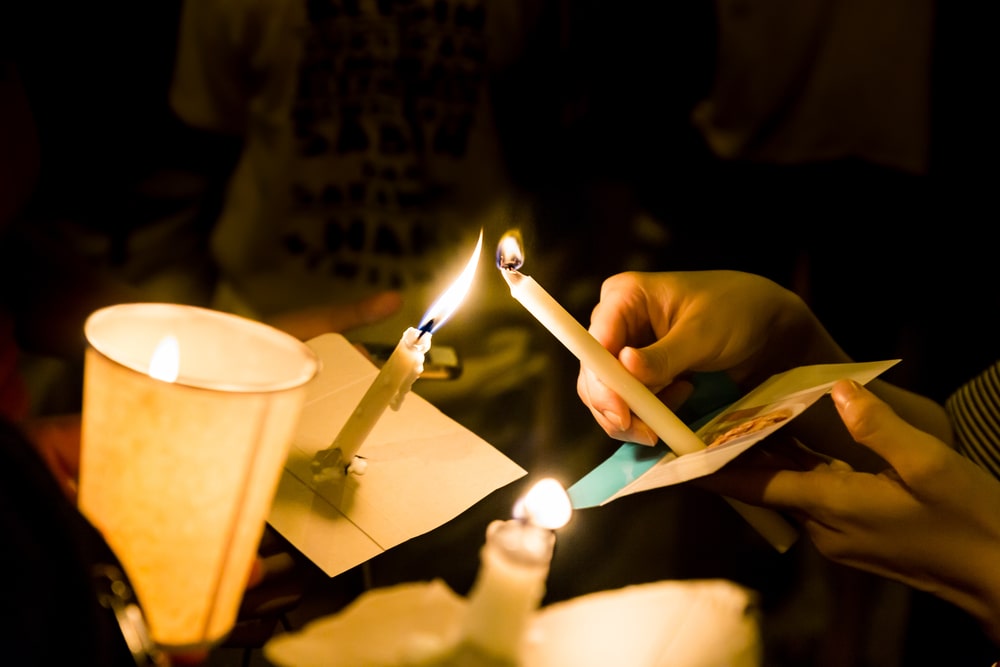
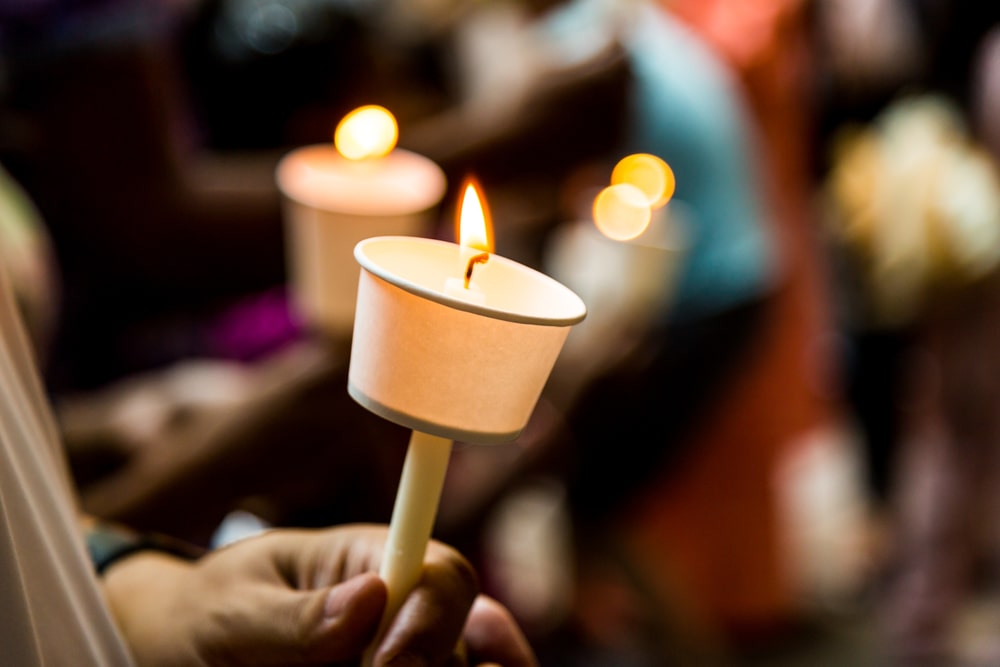
Fifth, symbols, or symbolic acts, offer a focus point for the bereaved as well as a sense of comfort. Common symbols are a cross (or another appropriate religious symbol), flowers, and candles. For example, the act of lighting a candle, planting a memorial tree, and wearing dark clothing are all symbols we utilize.

The Importance of Symbols

Gathering

Sixth, the gathering is an opportunity for friends and family to come together after the funeral service to share stories and to support each other. For more benefits of a gathering, take a few moments to read the article below.

What is a Gathering?

Actions 

And finally, by inviting others into action at the funeral service, you engage mourners and invite them to put their grief into motion. Simply put, mourning is the outward expression of our inward grief, so to move others toward healing, it is important to invite them to act.

How Do Actions Help us Heal?

Choosing a Memorial Service

Some families decide that a memorial service is a more appropriate tribute for their lost loved one. In short, the main difference between a funeral service and a memorial service is the absence of the body. All the other elements of a meaningful and healing service can be incorporated into a memorial service.

What is a Memorial Service?

Personalization is Key

Whether you have a funeral service or a memorial service, the event will be more meaningful if it is personalized. By personalizing the service, you can honor your dad’s life uniquely and specifically. Moreover, the possibilities for personalization are endless. For a few ideas, read the articles below.

How to Make a Funeral More Personal

What Makes a Funeral Meaningful?

Helping Your Family Personalize a Funeral

5 Unique Venues for a Celebration of Life Service

Funeral Procession

Accompanying the body to its final resting place is a time-honored tradition. If your family chooses to continue the tradition, the procession is a way for others, even strangers, to acknowledge the value of life and show respect for your dad.

What is the Purpose of a Funeral Procession?

Deciding on a Grave Marker

Placing a marker of some kind on a final resting place is important. Not only does it identify the person laid to rest, but it also gives the living a place to go should they desire to visit or mourn the lost loved one. It will be important for you and for future generations to have a place to return to when you want to talk to or visit your dad.

Selecting and Installing a Grave Marker

How to Write a Great Epitaph

Sympathy Gifts

In essence, sympathy gifts are a way for mourners to express their support and condolences to the family who has lost someone loved. Flowers have historically been a popular sympathy gifts. However, in recent years, donations in memoriam to a favorite charity have risen in popularity. Did your dad have a favorite organization or charity that would service this purpose, if your family wishes?

7 Popular Sympathy Flowers and Their Meanings

Writing a Touching Obituary

One of the first things you will do after a loved one dies is write an obituary. You don’t have to be a great writer to beautifully express your love for your dad. To that end, even as you include the expected details, consider how you might add little touches that reflect the individuality of his life.

How to Write a Great Obituary

Burial Benefits for Veterans

If your dad was a veteran of the Armed Forces, he may be eligible for certain burial benefits through the Department of Veterans Affairs. Therefore, you might consider looking into these benefits to see if any of them are beneficial to you and your family.

Veterans’ Burial Benefits FAQ

Veterans’ Burial Benefits Checklist

Department of Veterans Affairs

Resources for Advance Funeral Planning

Finally, if you are interested in making your own funeral prearrangement plan, or are curious about why you should do so, take a moment to review the articles below.

Why Plan Ahead for Funeral Wishes?

How to Get Started with Planning

How to Save Money with Funeral Planning

Protecting Your Funeral Funds

What To Do When Mom Dies

By Meaningful Funerals, Planning Tools

First of all, you have our sincerest sympathies on the loss for your mother. Moms are special people – irreplaceable and worth remembering. If your mom completed funeral prearrangement plans, contact the funeral home she partnered with to compile the prearrangements. You will work with that funeral home to bring her wishes to pass.

But, for those whose mother did not complete funeral prearrangements, this Quick Start Resource Guide is meant to help you navigate through the process of planning a funeral by supplying you with accurate, up-to-date, helpful links and information on a variety of topics.

The “Why” of Funerals

To start off, it’s important to note that, in today’s world, many families are moving away from standard funerals for their lost loved ones. While it is not inherently bad that people are moving away from traditional options toward cremation, it is unfortunate that some are confusing efficiency with effectiveness. Dr. Alan Wolfelt, a nationally-renowned grief expert who has counseled thousands of families, teaches that the funeral is an important rite of passage and “puts you on the path to good grief and healthy mourning.”

To learn more about why funerals are important, take a look at the articles below.

Should I Have a Funeral?

Why Do We Have Funerals?

Why Is the Funeral Ritual Important?

What is the Difference between a Celebration of Life and a Party?

Final Disposition Options

Nowadays, our options for final disposition (or final resting place) continue to expand. Please take a moment to read the articles below to help you decide which option is most appropriate for your needs.

What Are My Burial Options?

What is Green Burial?

How to Select a Casket

What Should I Know When Considering Cremation?

The Elements of a Meaningful Funeral Service

“People who take the time and make the effort to create meaningful funeral arrangements when someone loved dies often end up making new arrangements in their own lives. They remember and reconnect with what is most meaningful to them in life…strengthen bonds with family members and friends. They emerge changed, more authentic and purposeful. The best funerals remind us how we should live.” – Dr. Alan Wolfelt

In order for a funeral service to be a healing and meaningful experience, there are several tried and true elements that you should consider incorporating.

Music

First of all, music sets the mood for a funeral and brings emotions to the forefront. In fact, one of the purposes of a funeral is to allow mourners to grieve together, and in many ways, music says what words cannot. Don’t be afraid to invite people to express grief. Did your mom have some favorite songs, instruments, or musical artists? Consider using any or all of them in the service.

Why Include Special Music in a Funeral Ceremony?

Top 10 Hymns for a Funeral Ceremony

Top 10 Songs for a Funeral Ceremony

Readings

Second, readings add another facet to a meaningful funeral. They are another way to not only invite mourners to express their emotions, but readings can bring your mom’s unique spirit to the service. Did she have a favorite book? Poem? Was she a person of faith who would want passages read?

How do Readings Enhance the Funeral Experience?

Top 10 Poems for a Funeral Ceremony

Viewing/Visitation

Third, the viewing or visitation is a time for family, friends, coworkers and neighbors to gather and express support and sympathy. If it is decided to have a viewing, it is an opportunity for mourners to see your mom one last time and begin to acknowledge the reality of her death. For many, as part of the grieving process, it is important to physically see the body, and the viewing offers this opportunity.

Why Have a Visitation?

Why Should the Body Be Present?

Eulogy/Remembrance

Fourth, the eulogy may be the single most important aspect of a funeral service. It is the time to acknowledge and affirm the significance of your mom’s life. With that in mind, take time to share treasured memories, quotes, or even her favorite jokes. The eulogy, sometimes called the “remembrance” or the “homily,” can be delivered by a clergy person, a family member, or even by a series of people.


What is a Eulogy?

Crafting a Eulogy

Symbols

Fifth, symbols, or symbolic acts, offer a focus point for the bereaved as well as a sense of comfort. Common symbols are a cross (or another appropriate religious symbol), flowers, and candles. For example, the act of lighting a candle, planting a memorial tree, and wearing dark clothing are all symbols we utilize.

The Importance of Symbols

Gathering

Sixth, the gathering is an opportunity for friends and family to come together after the funeral service to share stories and to support each other. For more benefits of a gathering, take a few moments to read the article below.

What is a Gathering?

Actions 

And finally, by inviting others into action at the funeral service, you engage mourners and invite them to put their grief into motion. Simply put, mourning is the outward expression of our inward grief, so to move others toward healing, it is important to invite them to act.

How Do Actions Help us Heal?

Choosing a Memorial Service

Some families decide that a memorial service is a more appropriate tribute for their lost loved one. In short, the main difference between a funeral service and a memorial service is the absence of the body. All the other elements of a meaningful and healing service can be incorporated into a memorial service.

What is a Memorial Service?

Personalization is Key

Whether you have a funeral service or a memorial service, the event will be more meaningful if it is personalized. By personalizing the service, you can honor your mom’s life uniquely and specifically. Moreover, the possibilities for personalization are endless. For a few ideas, read the articles below.

How to Make a Funeral More Personal

What Makes a Funeral Meaningful?

Helping Your Family Personalize a Funeral

5 Unique Venues for a Celebration of Life Service

Funeral Procession

Accompanying the body to its final resting place is a time-honored tradition. If your family chooses to continue the tradition, the procession is a way for others, even strangers, to acknowledge the value of life and show respect for your mom.

What is the Purpose of a Funeral Procession?

Deciding on a Grave Marker

Placing a marker of some kind on a final resting place is important. Not only does it identify the person laid to rest, but it also gives the living a place to go should they desire to visit or mourn the lost loved one. It will be important for you and for future generations to have a place to return to when you want to talk to or visit your mom.

Selecting and Installing a Grave Marker

How to Write a Great Epitaph

Sympathy Gifts

In essence, sympathy gifts are a way for mourners to express their support and condolences to the family who has lost someone loved. Flowers have historically been a popular sympathy gifts. However, in recent years, donations in memoriam to a favorite charity have risen in popularity. Did your mom have a favorite organization or charity that would service this purpose, if your family wishes?

7 Popular Sympathy Flowers and Their Meanings

Writing a Touching Obituary

One of the first things you will do after a loved one dies is write an obituary. You don’t have to be a great writer to beautifully express your love for your mom. To that end, even as you include the expected details, consider how you might add little touches that reflect the individuality of her life.

How to Write a Great Obituary

Burial Benefits for Veterans

If your mom was a veteran of the Armed Forces, she may be eligible for certain burial benefits through the Department of Veterans Affairs. Therefore, you might consider looking into these benefits to see if any of them are beneficial to you and your family.

Veterans’ Burial Benefits FAQ

Veterans’ Burial Benefits Checklist

Department of Veterans Affairs

Resources for Advance Funeral Planning

Finally, if you are interested in making your own funeral prearrangement plan, or are curious about why you should do so, take a moment to review the articles below.

Why Plan Ahead for Funeral Wishes?

How to Get Started with Planning

How to Save Money with Funeral Planning

Protecting Your Funeral Funds

7 Steps to Telling Your Children About Your Funeral Plans

By Estate Planning, Plan Ahead

You’ve made an important decision. By preplanning your funeral, you are giving your family a great gift: an expression of your great love and the gift of a mind at peace, knowing that everything has been taken care of. However, as important as your funeral plans are, it’s even more important that you share your funeral wishes with your loved ones and invite them into the preplanning process. During a time of loss, families are often stressed and may end up “emotionally overspending.” By telling them your plans ahead of time, you can save them stress and money.

Ideally, it’s best to have this conversation when you are in good health. Whether you have the conversation in person or over the phone, it’s important to prepare yourself. Children may be very uncomfortable discussing your mortality. They may try to brush the topic aside or protest that they will take care of everything; however, tell them firmly but kindly that you have specific wishes that you want them to know.

Here are seven steps to telling your children about your funeral plans:

1. Start off by talking about your health.

If you are in good health, reassure your children that everything is fine and that you are just thinking ahead. Perhaps mention that you’d rather have this discussion now than when you are ill. On the other hand, if you are already fighting an illness, let them know that you are thinking about them. Explain that you wanted to do this because you love them.

2. Acknowledge that the conversation isn’t easy.

Let them know that you don’t take this conversation lightly. Share with them how you have thoughtfully considered the best way to share this information.

3. Share why you preplanned your funeral.

Highlight the reasons why you decided to preplan your funeral. Perhaps you wanted to ease some of the decision-making burdens they will feel when the time comes. Or, you wanted to have some sense of control over what your final disposition will be. It could also be that you want to save money and pay for the funeral costs over time rather than have the burden fall on your children.

4. Present your plan.

Make sure that you’ve written a fairly comprehensive plan before you share it with your family. Your children may have ideas that are different from yours, and you need to know which elements are non-negotiable so that you can stand your ground, if necessary. Don’t feel the need to expound on every small detail of the plan. Just make sure that they each know where to find it when the need arises.

5. Ask them if there is anything specific they’d like to contribute.

The funeral is for the living, after all. Check in with them to see if they have any creative ideas they would like to share. Thoughtfully consider how those ideas fit into your plan. You might want to look into resources such as the Talk of a Lifetime website to find ideas on what to discuss.

6. Answer their questions.

It’s natural for children to have questions. Listen to what’s on their hearts and minds, and be willing to change a few things on your funeral plan. If their responses seem negative, try to understand the fear that is motivating them, and address that fear directly.

7. Reassure them about your motivation.

As your conversation draws to a close, let your children know how much you love them. Reiterate that you have created a plan that you hope will bring them peace and comfort when you cannot physically be with them. If they disagree with each other on what their preferences are for your funeral, let them know you are just settling things for them ahead of time!

As you end the discussion, assure everyone that this is an ongoing conversation. If they have questions or concerns later, you are open to discussing this topic as much as they would like.

None of us knows what the future holds. But we do know one thing: none of us are promised tomorrow. The future is uncertain. We can make a difference in the lives of our loved ones by planning ahead and sharing those plans with them.

Even if they aren’t too wild about hearing that you’ve made funeral plans, in the end, they will be grateful that you are thinking ahead. On one of the most difficult days of their lives, the day they lose you, they can rest easier, knowing that all the big decisions have been made already.

Now that your funeral plans have been taken care of, consider taking the next step: getting all of your affairs in order. The more you can take care of now, the better it will be for your children in the future.

6 Things Your Emergency Contacts Need to Know

By Estate Planning, Plan Ahead
Why do we have emergency contacts? Ultimately, it’s because we will all need—at one point or another—a trustworthy person to represent us if we are incapable of doing so ourselves. In most cases, emergency contacts are a loved one such as a parent, spouse, adult child, or trusted friend.
If possible, it’s best to have at least TWO emergency contacts. This way, they will be able to work together or, if one is unavailable, the other can take charge. It’s best to select a person(s) who will follow through with your wishes, even if they don’t personally agree with what you’ve decided. Once you have selected your emergency contacts, it’s time to have a conversation about your wishes. Too often, emergency contacts are unprepared for the tasks they face, or they are left with a mess to unravel. You can take a little time now to make things easier in the future.

Conversation Tips

  • Set up a time to sit down with each emergency contact individually or bring them together at the same time.
  • Select a quiet, private place so that you can share freely.
  • Share your reasons for getting your affairs in order.
  • Tell them where you keep your important documents, and if you’ve completed a funeral plan, give them a copy.
  • Listen to any concerns they may have and answer questions.

The Six Things That Your Emergency Contacts Need to Know

1. The Location of Your Legal Documents and Insurance Policies

Your emergency contacts need to know where to find important documents like your legal will, birth and marriage certificates, deeds, titles, insurance policies, powers of attorney documents, health care directives, funeral planning documents, and records of creditors as well as assets, including digital assets and passwords. If you don’t have a legal will, consider creating one, and be sure to regularly review your insurance policies and update your beneficiary information. Also, if needed, consider whether it is appropriate to give your emergency contacts power of attorney (medical and/or financial). This way they can handle your financial matters in case you are unable to do so. If you have questions, make an appointment with an attorney to review these legal matters.

2. The Terms of Your Will and Trusts

Be sure to go over your will with your emergency contacts. This includes your wishes for the distribution of your assets, heirlooms, furniture, and keepsakes. To ensure that your wishes are honored, include as many of your assets in the will as possible. It is possible that you will appoint one of your emergency contacts as the executor of your will. Be sure to let your executor know the contents of your will so there are no surprises. If there are any belongings or assets that are not directly addressed in the will, be sure to cover your wishes with at least two of your emergency contacts, and put your wishes in writing. Additionally, you may also wish to set up trusts for your children or grandchildren with certain terms. Consider appointing one of your emergency contacts as trustee and discuss the terms of those trusts.

3. Your Wishes for Medical Care

Have you made your medical wishes known through an advance care directive? Have you given your emergency contacts medical power of attorney? These documents will protect you in case you are incapacitated and/or unable to make medical decisions for yourself. Be sure to talk to whomever you’ve appointed as your medical power of attorney about your wishes for medical treatment and life-saving measures.

4. Allergies and Blood Type

If you have allergies to foods or medications, your emergency contacts should know so that they can alert medical professionals if you are unable to do so. It is also a good idea to provide your emergency contacts with a record of your blood type in case of emergency.

5. The Care of Your Dependents and Pets

Be sure that you have made provision for the care of your dependents should anything happen to you as the primary caregiver. The same is true for your pets. Let your emergency contacts know who you name as guardian and how you would like any insurance policy benefits, 401(k) funds, or other assets to be set up after your death to provide financially for your children. If you have a family member or friend who is willing to care for your pets, be sure to contact that person to let them know your wishes.

6. Your Funeral Wishes and Plans

One way we can love and protect those we will leave behind is to put together a healing and meaningful funeral plan. The best way to do this is with a licensed funeral director at the funeral home of your choice. The funeral director can educate you about your options so you can make decisions that are good for you and your loved ones. Your local funeral director or advance planning specialist will ensure that your plan is practical, legal, within your budget, and ultimately, healthy for your grieving family. Be sure to give your emergency contacts a copy of your funeral plans and keep a copy on file at the funeral home of your choice.

IMPORTANT: After prearranging your funeral, it is very important to share your plans with your emergency contacts. If you don’t, you run the risk that your family will never learn about your plans and may do something you didn’t request. Not knowing your wishes, they may spend more money than you would have preferred. On top of that, if you’ve purchased burial insurance to pay for your funeral in advance and your emergency contacts don’t know about it, they may pay for the funeral out of their own pocket (when you have already paid for the funeral in full). If this happens, the amount you’ve already paid toward your funeral may go unclaimed. If the insurance company is unable to reach your family, the funds will go to the state’s unclaimed property office. While the state will continue to try to contact your family, this may take years and is subject to state laws. To avoid this possibility, it’s best to share your plans.

Address Your Loved Ones’ Concerns

Depending on who your emergency contacts are, they may express some concern when you discuss your funeral plans. Some of the most common reactions include:

  1. Alarm. Any discussion about funerals can lead to feelings of alarm because the other person may wonder if you are okay, if something is wrong. Prepare to discuss your health situation with them. The most important thing is to be truthful.
  2. Denial. Funerals are a subject most people would rather avoid. So, children may say, “Don’t worry about it. We will take care of this later. Let’s not talk about it now.” Listen to their concerns, but keep in mind that denial is not an effective strategy. The fact is, we are all going to die someday. The most loving thing we can do is take care of as much as possible in advance.
  3. Disagreement. You may encounter some opposition to your plans if your emergency contacts are people who are very close to you. They may have ideas of their own on the topic. You will need to review your plans and determine if anything is up for debate or not.
  4. Confusion. Some of your loved ones may not understand or trust a prepaid funeral plan. Many of their fears can be addressed with a basic understanding of consumer protection laws, cost guarantees you may have received from the funeral home, and Medicaid asset protection. If they still are unsure about your plans, feel free to contact your local funeral director or an estate planning attorney who can answer their questions.

Keep Your Documents Safe and Accessible

Lastly, put all of your important documents in a safe place. Make sure that your emergency contacts know where to find them. If you decide to keep your documents in a safe, share the combination with your emergency contacts. Some people may choose to use a safety deposit box. If you do so, coordinate with the bank to ensure that your emergency contacts have access to it, if needed. As an alternative, you might consider purchasing a watertight, fire-proof, easily transportable container. This way, your documents are safe and transportable if an unexpected event occurs.

For a complete list of information your emergency contacts need to know, download this helpful checklist: What Your Emergency Contacts Should Know. By gathering all these documents, you are taking the first steps to getting your affairs in order. Depending on how far along you are in this process, it may take some time to get all of this information organized. Be sure to consult trusted professionals, such as an estate planning attorney and your local funeral director, as needed. In the end, you will be glad you did!

The Love Languages of Grief: Identifying and Asking for the Most Effective Grief Support for You

By Grief/Loss

When it comes to mourning and how others can best help us, there’s no one right way. Every person and every loss is unique. The people we grieve the loss of – as well as the circumstances of the loss – are also one-of-a-kind. After a significant loss, what we think and feel inside, in what ways we’re able to express those thoughts and feelings, and how we feel supported by others vary from person to person and loss to loss.

Yet, in his landmark 1995 book The Five Love Languages, author Dr. Gary Chapman introduced us to the idea that human beings feel cared for by others in five primary ways:

  1. Receiving gifts
  2. Spending quality time together
  3. Hearing words of affirmation
  4. Being the beneficiary of acts of service
  5. Experiencing physical touch

According to Dr. Chapman, each of us “speaks” one of the five love languages. In other words, we feel most loved when we experience the language best suited to our unique personalities and ways of being in the world. We might also respond  to a second or third love language, but we always prefer our primary love language.

In reviewing Dr. Chapman’s love languages recently, I realized that grouping the various helping techniques in this way could help mourners understand and recognize which forms of support and communication might be most effective for them.

I invite you to consider the following five ways of being supported in your grief. Which love language helps you the most?

1. Receiving gifts

In Dr. Chapman’s body of work, gifts of love are actual gifts – tangible, visible objects that we give to someone we care about as a means of expressing our affection and devotion. People whose primary love lan­guage is receiving gifts see presents as physical symbols of others’ love and thoughtfulness.

Do you enjoy getting presents? Are you someone who displays gift items in your home and feels a burst of love and support each time you see them? If so, receiving gifts might be your love language.

If you are someone who values the love language of gifts, consider letting your friends and family know that you really feel supported by tokens of empathy. You might appreciate flowers, for example. You might welcome gifts of food, in­spirational books, photo frames, music, candles and ornaments.

With this love language, it can be tricky to ask for what you need. “Please give me gifts!” would be considered impolite by many. Still, consider sharing what you’ve learned about your love language with a good friend or empathetic family member who is also an excellent com­municator. Perhaps she/he can take on the role of explaining to others the lasting meaning and ongoing support you find in physical objects.

And when you do receive a gift, be sure to write a heartfelt note of thanks or make a thank-you phone call.

2. Spending quality time together

For many people, there is no present more precious than the gift of presence.

Do you love spending time with the people who care about you? Do you enjoy their company, even when you’re not doing anything special together? Do you prefer company to solitude? If so, quality time might be your love language.

Let friends and family know the best way they can help you during your time of grief is simply to be there for you – literally. You crave and need their physical presence. Maybe you don’t want to be alone. Maybe you like lots of people around. If so, tell them.

Think about how you like to spend time with others. Playing cards? Watching TV? Going out and about? Hanging out in the same house but doing separate activities? Whatever you prefer, let friends and family know because they may feel unsure about what to do.

Consider, too, if you feel supported when you have the opportunity to talk to others about your grief. In general, sharing your story of love and loss is a good idea. It helps you work through your thoughts and feelings. Bottling those thoughts and feelings up inside can seem safer, but it’s actually more dangerous because it puts you at risk of becoming stuck in your grief journey.

Of course, your friends and family members aren’t the only ones who can help you with this love language. Be proactive about getting involved in your community. Volunteering, participating in activities at a place of worship or community group, socializing with neigh­bors – these are all effective ways to build in more quality time with other people.

And don’t forget that grief never completely ends. If this is your love language, you will need the healing presence of friends and family not just in the first month or  two after the death but far into the future. Reaching out to plan ongoing get-togethers will help you receive the support you need.

3. Hearing words of affirmation

This griever feels most supported by words that are kind and encouraging. “Words of affirmation” might be your love language if you have a deep appreciation for hearing others tell you:

  • I love you.
  • I care about you.
  • I’m here for you for.
  • You are so loved/strong/genuine because _______________.
  • I have seen how you _______________.
  • You make a difference in the world by ______________.
  • Many people ______________ you.

If this describes you, let your friends and family know how meaningful you find it when they share these kinds of verbal mes­sages with you. Tell them that their words of encouragement and support lift you up and help you through the darkest times.

Written words may be affirming to you as well. While they’re no replacement for in-person or phone conversations, handwritten notes, emails, and even texts may also be helpful and encouraging to you. If you’re a verbal griever, be sure to encourage all forms of spoken and written communications.

4. Being the beneficiary of acts of service

For some grievers, actions speak more loudly than words or mere presence. Do you appreciate help with tasks? Do you feel cared for when others go out of their way to help you with things that need doing? If so, this might be your love language.

Since the death of your loved one, have others said to you, “Let me know if I can do any­thing?” It’s a natural impulse for friends and family members to want to do some­thing to show their support. Usually what happens, though, is that grievers don’t ask for assistance, so no assistance takes place.

So please, ask for assistance! People often do genuinely want to help, but they don’t know how. Suggest tasks and to-dos that suit their strengths. Ask your gardener friends to help with yard work, for example. Ask your book­keeper family member to help with home accounting, bill paying, or tax preparation.

If one of your friends or family members is a good administrator, you might sit down with this person and go over all of the tasks that you need help with right now. This person can then assign the tasks out to others in your circle of support.

Finally, if this is your love language and you’ve asked your inner circle for help with tasks but aren’t receiving it, don’t be reticent to reach out beyond your inner circle. Others are waiting in the wings. Places of worship, volunteer organizations, neighborhood committees – these and other service­-oriented groups often have programs and maintain lists of volunteers to assist with needs such as yours. It is likely that helping grieving families is something they would be glad to do. All you have to do is ask.

5. Experiencing physical touch

The griever who thrives on physical touch needs closeness. Are you someone who enjoys hugging, sitting close to others, maintaining eye contact, holding hands, and/or walking arm-in-arm? If so, this might be your love language.

If you’re someone who’s always valued physical touch, your friends and family members will know to expect it from you. Don’t stop now! You may, however, want to emphasize to them how extra-necessary you find their hugs and physical closeness during your time of grief.

If this is your love language, you might also be more prone to physical symptoms of grief. It’s common for people in mourning to experience stomachaches, heart palpi­tations, headaches, lack of sleep, and other physical symptoms. If bodily problems are making it hard for you to function and focus on healing, it’s a good idea to schedule a physical exam. Your primary caregiver may be able to help you with insomnia or other symptoms and put fears of illness to rest as well.

Those who crave touch will be soothed by regular contact. In addition to physical closeness with family and friends, physical activity may help you right now. Or consider inviting someone to take a walk with you each day. Physical proximity combined with exercise and supportive conversation may be just what you need to feel loved and supported right now.

I believe Dr. Chapman’s love languages offer a helpful framework for recognizing and understanding your own primary love language so that you know how to ask for and receive the most effective support in your grief. If you are interested in learning more about the love languages, you may want to read one of Dr. Chapman’s books on the topic. He has written versions focused on partners, parenting children, men and other types of relationships. The original and flagship title in the series was reissued in 2015 by Northfield Publishing under the title The Five Love Languages: The Secret to Love That Lasts.

About the Author:

Dr. Alan Wolfelt is a noted author, educator, and grief counselor. Dr. Wolfelt believes that meaningful funeral experiences help families and friends support one another, embrace their feelings, and embark on the journey to healing and transcendence. Recipient of the Association of Death Education and Counseling’s Death Educator Award, Dr. Wolfelt presents workshops across the world to grieving families, funeral home staffs, and other caregivers. He also teaches training courses for bereavement caregivers at the Center for Loss and Life Transition in Fort Collins, Colorado, where he serves as Director. Dr. Wolfelt is on the faculty of the University of Colorado Medical School’s Department of Family Medicine. He is also the author of many bestselling books, including Understanding Your Grief, The Mourner’s Book of Hope, Creating Meaningful Funeral Ceremonies, and The Paradoxes of Grief: Healing Your Grief With Three Forgotten Truths. For more information, visit www.centerforloss.com

Printed by permission of Dr. Alan D. Wolfelt, all rights reserved.

The Healing Power of Ritual

By Grief/Loss, Meaningful Funerals

Throughout our lives, we participate in rituals. In some cases, we may not even know that we are taking part in a ritual. At weddings, we toss the bouquet. And there’s the old adage for brides: something old, something new, something borrowed, something blue. We all have our holiday traditions (rituals) that we look forward to year after year. Graduation ceremonies are another wonderful example of a ritual that marks a milestone in life. And birthdays – most of us celebrate them yearly with either great or modest, and sometimes reluctant, fanfare. And, for those who are spiritual, holy days throughout the year are full of ritual, tradition, and significance.

But what does the term “ritual” really mean? The word has Indo-European roots and means to “fit together.” It is related to words like “order,” “weaving,” and “arithmetic.” All of these words involve fitting things together to create order. Rituals fit, or put, things back together. This is especially important for a meaningful and healing funeral experience.

When a loved one dies, it makes sense to turn to rituals to help us put our lives back together again. Grief is chaotic and disorienting. It rips our world apart. In fact, the word “bereaved” comes from the root “reave,” which means to be robbed by force. “Grieve” stems from French root “grever,” meaning to burden, afflict, or oppress. The elements of a healing funeral are rituals that work together to restore order to our lives after everything is torn apart by the chaos and pain created by the death of someone loved.

The Comforting Nature of Rituals

Even with a clearer definition, the question still remains, what is it about rituals that is so comforting?

They encourage us to remember

To begin with, rituals connect us to the past and provide stability for the future. As we remember what has gone before, we are comforted by those memories. At Christmas, we often find joy in remembrance of Christmases past. At funerals, we seek to remember, to value, and to honor the life of a uniquely special person.

They bring us together

Rituals also bring us together as families and communities. Whether it is gathering for Good Friday services or joining in the town’s Fourth of July parade every year, we come together, we support each other, and we find unity.

They offer us peace

In many ways, by taking part in rituals, we actively seek peace within ourselves. For example, it gives us a measure of internal peace to pray when someone is sick or injured. Or, after someone we love has died, we receive comfort when we visit their final resting place or do something special and significant on the day of their birth or death. By taking part in ritual, an intentional habit to recall and reminisce, we find comfort and a release for our pain.

They give us focus

By participating in powerful rituals, we gain a sense of focus. We take our eyes off ourselves and see beyond our own difficulties. If you decide to volunteer at a local soup kitchen in tribute to a lost loved one, you are not focused on your own needs but on the needs of another.

They help us in our search for meaning

And finally, rituals play a significant role in our search for meaning. Religious rituals are part of an inner search for meaning and purpose. A search for meaning is found in natural, normal rituals: visiting the graves of lost loved ones, reciting vows at a wedding, and celebrating a significant day. We are all constantly searching for significance and purpose, and rituals are a powerful tool in the search.

The Funeral Ritual

In much the same way, the funeral is a ritual that humankind has participated in since the beginning of time. Noted author, counselor, and grief expert, Dr. Alan Wolfelt, puts it this way:

The funeral ritual, too, is a public, traditional and symbolic means of expressing our beliefs, thoughts and feelings about the death of someone loved.  Rich in history and rife with symbolism, the funeral ceremony helps us acknowledge the reality of the death, gives testimony to the life of the deceased, encourages the expression of grief in a way consistent with the culture’s values, provides support to mourners, allows for the embracing of faith and beliefs about life and death, and offers continuity and hope for the living.

By taking part in the elements of a meaningful and healing funeral service, we participate in the long-held and necessary tradition of the funeral. By taking time to mourn, we learn to reconcile with grief and move forward to find continued meaning in life.

Funerals encourage us to remember those we have lost. They bring us together as families, friends, and communities. They offer us peace as we are faced with the reality of our grief and begin to reconcile ourselves to it. Symbols – lighting candles, wearing dark clothing, attending services – give us focus and intentionality. And perhaps most of all, they help us in our search for meaning, our search to understand where we come from and who we are.

What is the Average Cost of a Funeral?

By Plan Ahead

Similar to a wedding, a funeral is a very significant event, commemorated by a gathering of family and friends and a ceremony, followed by a reception. The funeral fulfills a necessary role in our grief journeys and helps us find comfort surrounded by loved ones. As Dr. Alan Wolfelt, grief expert, counselor, and author, says, “The funeral ritual…is a public, traditional and symbolic means of expressing our beliefs, thoughts and feelings about the death of someone loved.”

So, how can we prepare for the cost of such a significant life event? After all, there are no do-overs for a funeral! For reference, in the United States, the average cost of a wedding in 2021 was $34,000 (including the engagement ring), according to a survey of 15,000 couples. Additionally, the overall cost was vastly different depending on what state you married in: $47,000 for a wedding in New Jersey while it was $17,500 for a wedding in Utah. Many times, a similar type of variance will exist in regard to funeral costs and planning simply because it is a very similar type of event.

Keep in mind that just as every wedding is different, every funeral is different. Because of this, the final costs will vary based on personal preferences and the needs of the family, as well as their budget. Some will choose cremation over burial, a funeral service over a memorial service, a flat grave marker over a monument. Each of these individual choices will affect the overall cost.

The National Funeral Directors Association (NFDA), the world’s leading and largest funeral association and a trusted leader in the funeral service profession, regularly conducts a survey tracking the average cost of a funeral. Their most recent survey looked at the average cost of a funeral in 2021 as compared to 2016 (5-year span). Two types of funerals were surveyed (both pertaining to adults): 1) a funeral with viewing and burial, and 2) a funeral with viewing and cremation.

1. Funeral with Viewing and Burial

*Source: http://www.nfda.org/news/statistics

2. Funeral with Viewing and Cremation

*Source: http://www.nfda.org/news/statistics

Most of the items listed are fairly self-explanatory, but you may be wondering what the “basic service fee” includes. Generally, basic service fees cover a proportionate amount of overhead, which includes the services of the funeral director and staff, facility maintenance and utilities, equipment and inventory cost, taxes and insurance, and other administrative expenses.

3. Direct Cremation/Direct Burial

The total cost of direct cremation or direct burial will be lower than the figures listed above. This is mainly because direct options do not typically include a memorial service. But again, the fees will vary depending on what state you reside in and which funeral home you choose. It’s important to make sure you are comparing apples to apples if you find what looks like a good price or special offer. Ask questions, and be sure that the package includes everything you and your family are looking for in a cremation or burial plan.

Get an accurate cost estimate from a funeral home near you

Remember, the average cost does not reflect the highest or lowest prices. Since prices can vary by region, you can get a more accurate picture of the cost of a funeral in your area simply by asking. Every funeral home is required by law to provide you with a General Price List upon request. With this resource in hand, you can look for the options that best fit your needs and budget and gain a more accurate picture of the cost of funerals in your area.

Food, flowers, and obituaries

Please note that the average cost of a funeral outlined above does not include services that are not provided by the funeral home. Most funeral homes refer to these costs as “cash advance items.”

However, these items can usually be coordinated by the funeral home and included in the funeral contract. “Cash advance items” may include, but are not limited to:

  • Church or venue charges (if you decide not to use the facilities available at the funeral home)
  • Flowers
  • Officiating clergy honorarium
  • Specialty music (should you decide to bring in a musician who requires payment)
  • Obituary/Death notice in a newspaper or online
  • Police escort to gravesite
  • Cemetery charges (the cost of a plot or niche and the opening/closing of the grave)
  • Grave marker charge
  • Reception venue
  • Catering
  • Clean-up services
  • Copies of the death certificate

As you can see, the answer to the question “What is the average cost of a funeral?” is difficult to pin down. In the end, the total cost will depend on many factors, including which funeral home you choose, where you live, how elaborate or simple you want the service to be, etc.

Once you have an accurate cost estimate, your next step is to consider how you want to pay for the funeral. Paying in advance can often lock in the funeral costs at today’s prices. This will help your family to save money in the long run.

Skip to content