Category

Personalization

How to Personalize a Funeral When an Infant Dies

By Explore Options, Grief/Loss, Meaningful Funerals, Personalization

Sometimes the smallest things take up the most room in your heart.” – A.A. Milne

Losing an infant or a small child is one of the most difficult situations to face as a parent. It feels wrong. Out of order. Unnatural. And yet, it has happened, and now it is time to grieve the loss of a life that could have been. But how do you go about creating a healing, meaningful, and personalized service for an infant?

If you are feeling at a loss for how you can celebrate a little life that has barely begun, your funeral director can help you find unique and personalized ways to create a service you will never forget that you can look back on for comfort in the years to come.

For example, let’s read about SuperGirl and her loving parents, as told by a caring funeral director.

Remembering SuperGirl

This week, I found myself sitting across the table from a young couple, who – until the day before – had been anxiously awaiting the arrival of a new baby. Sadly, the little girl had arrived far too early… bypassing a life in our broken world for a direct return to the arms of God.

The young couple was clearly in love but devastated and enduring tremendous heartache. The pair held hands and wept as we discussed how to create a meaningful funeral service to soothe their own pain, but also celebrate a little girl they would never have the chance to raise.

By asking a series of questions, I found out that they were planning to decorate their daughter’s room in pink and silver, and they often called her SuperGirl because “she kicked so hard when I was carrying her.”

In that moment, it became my desire to lay SuperGirl to rest in such a way that everyone would realize just how much this little girl meant to her family. I asked the family’s permission to borrow their SuperGirl idea for the service, telling them that I had a few ideas on how to make things extra special.

After they left, I quickly called up an artist friend of mine, who created custom vinyl graphics to adorn the tiny casket and a handful of small stickers to hand out to friends and family who attended SuperGirl’s service the following day. Our secretary also made memorial folders to match the theme, and once the family saw what had been done, they were overwhelmed with emotion.

In the end, we were able to transcend the “typical” funeral and create an experience worthy of a SuperGirl.

So, What’s Next?

As you can see, the personalized and meaningful touches included at their precious girl’s remembrance deeply touched SuperGirl’s family. For the rest of their lives, they can hold onto the knowledge that they took the time to grieve, to remember, to mourn, and to celebrate what she meant to them, even though she was gone too soon. But how do you get started?

Familiarize Yourself with the Seven Elements of a Funeral

First, familiarize yourself with the seven elements of a funeral: music, readings, visitation/reception, eulogy, symbols, a gathering, and actions. According to Dr. Alan Wolfelt, a nationally respected grief counselor and educator, when used together, these seven elements create a personalized, meaningful, and touching ceremony that will help bring healing to hurting hearts. When an infant dies, because their personality was still developing, these elements may be a bit more personalized to the parents and their desires, prayers, and dreams for their baby.

In SuperGirl’s case, because she was lost before birth, it was the parents’ wishes and plans that were used to personalize the service. This made the service meaningful to them and to their cherished memories of their little girl.

Brainstorm Together How to Make the Service Special and Unique

After you’re familiar with the elements of a funeral, you can begin looking for ways to personalize these seven aspects of the service to create a meaningful and healing experience. To help you as you get your thoughts together, you can ask yourself these questions:

  • What special memories do you have of your child?
  • What were your hopes and dreams for your child?
  • When you think of your baby, what do you think of?
  • Were there any special mementos that you might want to include?
  • Did you give your baby a special nickname?
  • Depending on the age of your child, did they have favorite toys or activities?
  • Do your loved ones have special memories of your child that you might want to include?

Identify Ways to Personalize the Service

Here are a few ideas for ways that you can make the service personal to you and to the memory of your infant. These are just to jumpstart your own thoughts. Try to make the service truly unique to you, your child, and your needs.

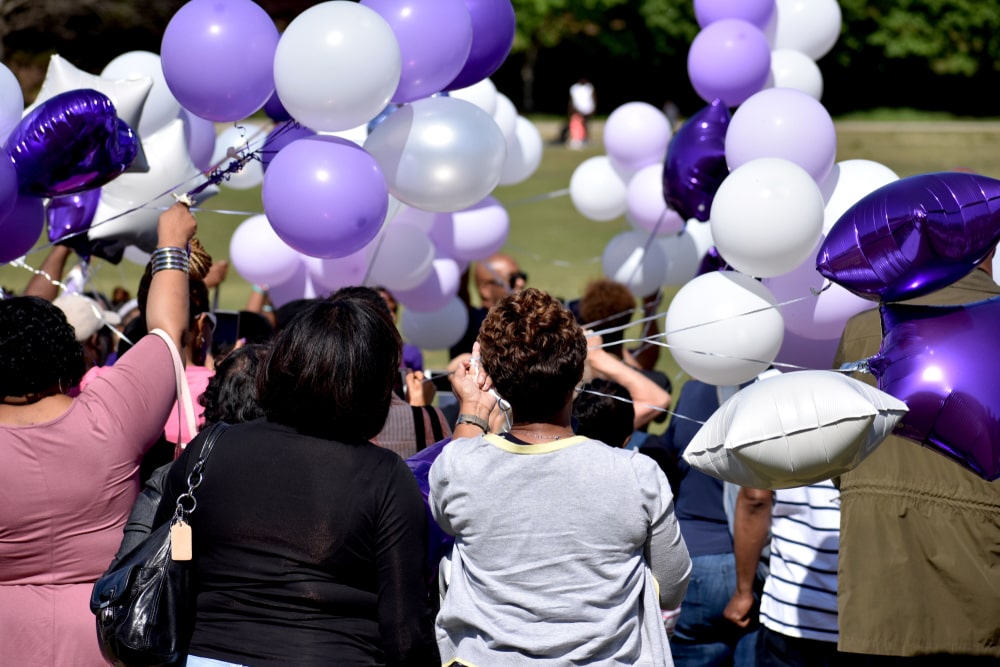
  • Consider incorporating a release ceremony. For example, you can do a balloon release ceremony with appropriate-colored balloons and invite mourners to write messages on them. When released, the balloons disappear into the sky, almost like sending a message to heaven.
  • Consider using a theme. You might include special items, like a blanket made specifically for the baby, shoes, or other items. If you had a color theme for a nursery, you could incorporate those colors into the service.
  • Consider inviting others to give of their time or resources to a charity in honor of your child’s legacy. If you have miscarried, invite mourners to give to a foundation that supports mothers going through miscarriage. If your child died because of a certain illness, provide details of how to give toward a cure. Choose whatever organization you feel is appropriate to honor your child’s memory.

  • Use music that was special to you as a parent and reminds you of your infant in the ceremony. Whether that’s music you listened to throughout the pregnancy or something your child went to sleep to, you can select what is most meaningful to you and your family.
  • Write a letter to your baby, expressing all your hopes and dreams and wishes for what should have been. This will help you as you grieve but may also be a beautiful tribute to share at the funeral service.
  • Consider establishing a memorial in honor of your little one, whether it is a physical memorial, charitable donation fund to a special cause, or memorial website or blog chronicling your journey.

Take Time to Grieve

After the ceremony, it may be a little more difficult to feel supported for as long as you need. Because support for infant loss is usually not as present as it is for other types of loss, seek out caring counselors, mentors, support groups, and friends when you need help processing through your emotions. You can also start a grief journal that expresses all your feelings about the loss–good, bad, and everything in between. So often, grieving the loss of an infant can feel like a very lonely road. When you are able, you can also bring significance to the life of your little one by helping others who have gone through a similar loss.

Whatever you choose to do, your child was beautiful and is worth remembering in a sweet, meaningful, and personalized way. Don’t worry about “making too much of a fuss.” That is the last thing you should worry. Every life deserves honor, remembrance, and celebration, no matter how briefly they graced our world.

5 Meaningful Actions to Personalize a Funeral

By Explore Options, Meaningful Funerals, Personalization, Plan Ahead, Planning Tools

Throughout history, many things have changed, but one thing that has endured is the funeral ceremony. At some level deep down, we all know that a funeral is important. It’s a time to say goodbye to someone we love and to start down the path toward reconciling ourselves to the loss we’ve suffered. The elements of a funeral have perhaps changed over time, from one culture and civilization to the next. However, according to grief expert and counselor Dr. Alan Wolfelt, personalization remains an important key to healing and meaningful funerals.

Dr. Wolfelt tells us that there are 7 elements to consider as we endeavor to create a meaningful funeral experience. With these 7 elements, it’s possible to personalize a funeral so that it perfectly fits the person who has died and honors the life they lived. The 7 elements are: music, readings, visitation, eulogy, symbols, gathering, and actions.

Today, let’s focus on 5 actions you can incorporate into a funeral that will invite mourners to put their grief into motion. Grief is an internal emotion – the way we feel about a loss – but mourning is getting our grief outside ourselves by participating in activities that allow us to outwardly express what we feel. In order to heal, we need to act. If we never do something about our grief, it remains inside, and over time, begins to fester and cause us great distress. However, by inviting others to join in a specific, perhaps symbolic, action at the very beginning of the grief journey, you allow them the opportunity to say goodbye properly and begin their grief journey on the right foot.

1. Participate in a Release Ceremony

You may want to include a special time of remembrance with a release ceremony. A few popular release options are doves, butterflies, paper lanterns, or balloons (make sure they are biodegradable and without ribbon). The act of release helps us say goodbye in a unique way. It allows us to experience greater closure and healing as we “release” a loved one’s spirit as well as our emotions and grief. If you select balloons or paper lanterns, you can take it one step further by writing messages of hope and love on the balloons or lanterns before releasing.

Of course, you should always make sure that taking part in a release is allowed by your city. For instance, if you live in a particularly dry area that’s susceptible to fire, you won’t want to choose a lantern release. The funeral director can help you determine which type of release ceremony is most appropriate for your wishes while still meeting legal requirements.

2. Incorporate Keepsake Items

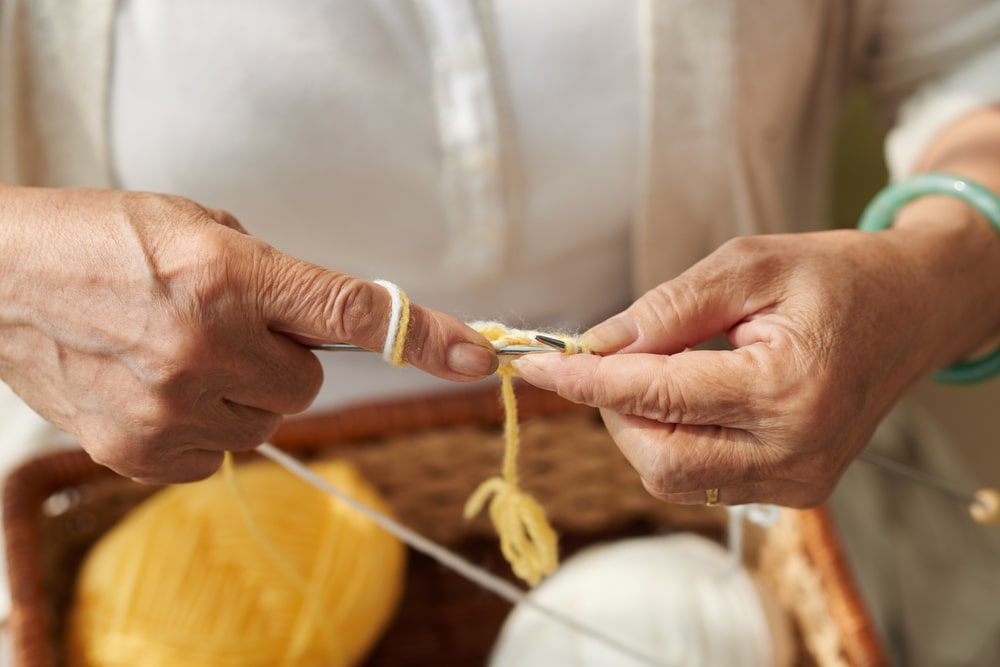
As human beings, we often place value on material objects. The object doesn’t have to be expensive. In fact, the things we value the most are often not monetarily valuable – they are sentimental. Two ways you can invite mourners to take action involve these types of keepsake items. First, if your loved one owned a large number of something – let’s say your grandmother loved knitting scarves – you can bring them to the funeral ceremony and invite guests to take a scarf in remembrance of her. This can be done with any number of items. However, in order to be meaningful, the items must be special and specific.

Another option is to invite the guests to bring a keepsake item from home that reminds them of the person whose life is being remembered. And if you plan the ceremony accordingly, you can allow guests the opportunity to briefly share about the object they brought with them, how it relates to the one who has died, and why the keepsake means so much. These types of actions engage our minds and our emotions, encouraging us to tap into what we feel and provides an opportunity to express it.

3. Set a Theme

Did your loved one have a favorite color? Or perhaps a favorite book or movie? You can set a theme and invite mourners to take part in remembrance through participation. By selecting specific items of clothing related to the theme, everyone is invited to recall their own specific memories of the one who has died and think about how they can individually honor the life lived. And then, as many arrive dressed according to the theme, there is a sense of communal mourning and sharing. Everyone is there for the same reason – to honor and remember the one who has died.

4. Write a Message/Letter

The written word is powerful, and as a tool for expression, it’s effective. Consider inviting everyone, prior to the funeral, to write a letter addressed to the one who has died. Then, at the service, place these special messages inside the casket to be buried or cremated with the body. Some families provide cards, a large banner, or a canvas for mourners to write on. In some cases, the family may choose to keep the messages, banner, or canvas, and later on, these items become keepsakes that bring comfort to the family.

5. Prepare a Meaningful Meal

Nationally respected author and grief expert, Dr. Alan Wolfelt, says, “Food is symbolic of love when words are inadequate.” It’s a common practice to organize a gathering after the funeral, and even though the official ceremony is over, the meaningful and healing elements don’t have to cease.

By setting up a meal after the funeral where guests (especially family members) can gather, you invite further personalization. Did your loved one deeply appreciate a good crawfish boil? Did they delight in ice cream and an excellent spread of sundae toppings? Or did they love a particular restaurant? In a meaningful setting, guests have a chance to talk with each other, to remember and share memories about the one who has died, and to discuss the impact of a life lived.

6 Ways to Personalize a Funeral

By Explore Options, Meaningful Funerals, Personalization

A funeral, though a time of mourning, can still be filled with celebration and remembrance. It’s a time to honor the one who has died but also an opportunity to begin the healing process for those who are left to grieve. Options to personalize a funeral are becoming more common, which offers families a richer, more meaningful experience. Those present can connect with their grief and express their emotions through mourning.

Nationally respected grief expert, author, and educator, Dr. Alan Wolfelt, emphasizes that creating a healing and meaningful funeral is incredibly important and helps us live more meaningful lives. He says, “People who take the time and make the effort to create meaningful funeral arrangements when someone loved dies often end up making new arrangements in their own lives. They remember and reconnect with what is most meaningful to them in life…strengthen bonds with family members and friends. They emerge changed, more authentic and purposeful. The best funerals remind us how we should live.”

Creating a meaningful experience is all about personalizing the funeral to reflect the life, values, relationships, and ideals of the person who has died. The beauty of personalization is that there’s no mold to follow. Much like a wedding, you can customize every area of a funeral ceremony. As part of that customization, consider including the 7 important elements to creating a meaningful funeral: music, readings, a visitation, a personalized eulogy, symbols, gathering together, and inviting people to participate in symbolic actions.

Below are a few more suggestions for how to personalize a service to the person being honored. Take time to think about favorite songs, readings, recipes, hobbies, pastimes, and funny quirks of habit, as well as treasured memories, mementos, collections, and relationships. Any of these things may trigger some ideas on how to best honor your loved one.

1. Establish a memorial together

Often, family members request memorial donations to be given in honor of a loved one. In most cases, the cause or organization is one that the loved one held close to his or her heart. You might consider choosing a memorial gift that includes a plaque, sign, brick, or other physical memorial that can be inscribed with a loved one’s name. Another option would be to donate or plant a tree as a living memorial at a park, school, church, or other organization. Having a physical place to go where your loved one’s name is inscribed can make a memorial gift more personal. It also offers opportunities to reflect, remember, and cherish memories for years to come.

2. Find a way to include their favorite things

Every person is unique, and we all have personal quirks, things we particularly love. Consider how you might incorporate these things into the funeral. Perhaps there is a favorite color, collection, artwork or personal belongings you can implement. By including them, you share what was most precious to your loved one’s heart with those who come to mourn.

3. Create a memorial work of art together

Bring a large canvas, quilt squares, art supplies, scrapbook supplies, or any other medium that you are comfortable with to create a community work of art. Encourage guests to write down their favorite memory of your loved one on a quilt square, create a scrapbook page, or paint a portion of the canvas with a memory, color, or picture that they would like to share. Perhaps, they could write down a favorite saying or what qualities they appreciated most about your loved one. After the funeral, you will have a treasure trove of memories. On days when you need to feel close to the one you have lost, you can admire the painting, pull out the scrapbook, or wrap up in the quilt and cherish your loved one’s influence on their world of family and friends. Don’t forget to bring the appropriate supplies for writing, painting, or crafting!

4. Make a collage or a timeline

If you have access to pictures, you could create a collage of your loved one to display. Start with childhood and share images from the important events of their life. Or, alternatively, share your most treasured memories of them. Likewise, you could create a timeline of their life’s major events and provide pictures for each one. Consider including events like their birth, high school graduation, first job, children, etc.

5. Invite guests to take an item home

For example, if your loved one was a voracious reader, consider taking some of their books to the ceremony with a note, saying, “[Your loved one’s name] loved to read. Please take and read one of [his or her] books in honor of [his or her] memory.” In doing this, guests leave with a tangible reminder, and it may contribute to creating a meaningful experience. You can do this with recipes, seed packets, postcards, collection items—anything your loved one may have cherished – and invite your guests to honor your loved one’s memory by taking home a small reminder of the person they loved.

6. Include favorite foods

Food is a love language in many families. If your loved one favored certain foods, you might try to incorporate those somehow into the person’s celebration of life. You might have an ice cream station at the visitation. Or arrange a fellowship meal after the service that includes all your loved one’s favorite dishes and desserts.

Now, these ideas are only the beginning. Take some time to think about what would be most meaningful to you and to your loved one’s memory. Every person is unique, and because of this, no two funerals should be the same.

On a final note, in case you didn’t know, it is possible to begin this process now. You can plan ahead for funeral wishes at any time. And of course, if you do decide to plan ahead, you will have ample time to create a personalized, healing, and meaningful funeral service for those left behind to mourn.

Skip to content