Your 70s are here. Let’s make them great!
While good habits benefit you throughout your life, it’s never too late to make positive changes. While you should continue good habits from previous decades, there are unique challenges that come with reaching your 70s. Let’s go over 10 helpful and healthy practices to maintain your health and organize your affairs in your golden years.
10 Best Practices for Healthy 70-Somethings

1. Strengthen your Body
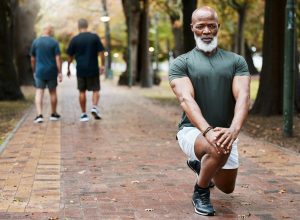
While exercise may look quite different now, it’s still essential for your overall health and energy levels. Rather than engaging in high-intensity cardio sessions (unless your body is used to it already), look for low-impact cardio activities, such as walking, yoga, swimming, or indoor cycling. Also include stretching and strength training in your normal routine.

2. Manage Stress
Growing older doesn’t take away stress, though the specifics may change. If you’re on a fixed income, you may wonder if it will be enough. Or you may worry about getting sick or losing friends to illness. These types of concerns can lead to stress, depression, or anxiety, but there are ways to manage the stress.
To combat these three mood busters, try out a few easy tips:
- Take time each day to focus on something you are thankful for.
- Acknowledge and express your feelings, both positive and negative.
- Embrace and find comfort in your spirituality.
- Accept that some things are outside your control.
- Try to keep your sense of humor.
- Continue to build relationships with people – you need them!

3. Engage Your Mind
While some degree of forgetfulness is normal with age, significant decline is not an inevitable part of aging. If you challenge your brain, it will function well throughout your lifetime. The key is to regularly exercise your brain. A few ideas to get you started are:
- Try new variations of familiar activities, like new types of puzzles, new recipes, or a different sport
- Learn something entirely new, like a language or a skill
- Seek new experiences and make new friends

4. Eat Well and Drink Plenty of Water
Healthy nutrition has a few added challenges as you age. For instance, your sense of taste and smell can change a bit, which affects your appetite. Slower digestion and metabolism change how your body processes food, and you may begin to lose your sense of thirst. To combat these challenges, be intentional about your food and water intake.
Eat plenty of protein, calcium, and fiber, and drink lots of water. On average, people in their 70s drink too little. You actually need anywhere from eleven to fifteen cups of water per day! Try not to skip meals, and if you’re having trouble maintaining a healthy diet, discuss it with a family member, your health care provider, or a nutritionist.

5. Rest Well and Deeply
You may think you need less sleep now that you’re a little less active, but that’s not the case. Adults in their 70s still need 7-9 hours of sleep each night. Of course, as an older adult, you may experience sleep complications, like insomnia, daytime sleepiness, health conditions, or aches and pains that keep you awake at night.
To achieve ample rest, set good sleep habits in place. Make sure that your room is dark, quiet, and not too warm. Stop using the TV or your electronic devices at least one hour before bed. And if you suffer from insomnia, try to exercise during the day and avoid naps so you feel tired when bedtime comes around. If you are still having trouble sleeping, speak to your health care provider.

6. Be Aware of Elder Crime
Unfortunately, older adults are at risk for certain types of crime, particularly elder abuse and fraud (identity theft, fake checks, and various kinds of scams). Most often, fraud is perpetrated by someone you don’t know, but elder abuse is a different story. Elder abuse can be physical, emotional, or psychological and often involves neglect, abandonment, or financial exploitation.
To guard against elder abuse, keep the people you trust close. Also, be on the lookout for these signs of an abusive caregiver: lack of affection, don’t allow you to be alone with others, are angry or aggressive toward you, don’t clean the home or help you with personal hygiene, speak about you as if you were a burden, or give conflicting stories to explain an incident. If you’re experiencing any of these signs, reach out to someone you trust for help or call the elder abuse hotline in your state.

7. Prevent Falls
Now is a time to be especially aware of your bone health. Osteoporosis is a significant concern for those who are aging because it can cause bones to break more easily. By adding low-impact cardio, strength training, and calcium and vitamin D to your routine, you can increase your bone mass and decrease the likelihood of broken bones.
In addition to exercise, assess the potential risks in your home and identify any tripping hazards, like throw rugs, cords, or clutter. Consider removing these hazardous items completely. Also, if you are having trouble now, use a cane or walker when needed and wear supportive shoes. Above all, take your time when doing things. There’s no rush.

8. Pursue Good Eye, Ear, and Heart Health
As you grow older, take special care of your eyes, ears, and heart. As you age, many people more frequently experience dry eye, so drink plenty of fluids, limit your screen time, and schedule screenings for glaucoma, cataracts, and macular degeneration.
If you start to experience hearing loss, bring your concerns to your health care provider. They can help you understand the best way to move forward. And for your heart, it’s never too late to start good habits. Discuss your heart’s current health with your doctor, take any medications, eat well, and exercise. These activities can protect your heart in the long run.

9. Plan Ahead
One of the best things you can do for your family is to get your affairs in order. The clearer and more organized your affairs are, the easier it will be for your surviving family members to carry out your wishes. While it’s hard to think about your mortality, it’s always a good idea to take care of these important aspects of planning while you’re still in good health and able to make sound decisions.
The most important estate planning concerns to address are: a legal will, financial or medical power of attorney, a living will, advance care directives, and funeral planning. Feel free to bring your family members into any part of the process and get their valuable input. And once your plans are in place, designate at least two emergency contacts and make sure they have access to your information.

10. Find Joy in Each Day
As you grow older, try to maintain your sense of purpose and find joy in each day. Having a positive attitude will help you face each day with excitement and anticipation.
Find things to be grateful for. Face any limitations you may have with a good sense of humor. Stay connected to others to increase healthy longevity. Pick up a new hobby, find ways to volunteer, spend time outdoors, join a club, or visit places you’ve always wanted to go. With each new day, continue to find ways to enjoy life and the people you love.
With friends, family, and these 10 tips by your side, you have a wonderful decade to look forward to. May the 70s be some of the happiest and most fruitful years of your life!