“The funeral, a ritual that has been with us since the beginning of time, is here to help us embrace the life that was lived and support each other as we go forward. As caring adults, we will serve our children well to introduce them to the value of coming together when someone we love dies.” – Dr. Alan Wolfelt

If your child is attending a funeral for the first time, you may feel a little bit like you’re on pins and needles. While you don’t quite know how they are going to respond, it’s best to prepare them ahead of time. As human beings, we naturally find a measure of comfort in knowing what to expect. This is true for children as well as adults. Just as we prepare our children for the first day of school, for a big move, or for the coming of a new sibling, we must also take the time to prepare them for a funeral.
Your child learns their patterns of behavior from you. The way your child initially views funerals will depend on you and your explanations. By discussing important topics in advance, you can prepare your child and help calm any anxieties.
7 Key Topics to Discuss

1. Discuss what they will see
Your child may feel a bit anxious at first, so try to give them as accurate a picture as possible. Look up the funeral location on the internet and show them what the venue looks like. Will there be a casket or urn? Flower sprays? Show your child pictures and explain the purpose of these items.
Also, depending on the beliefs and values of the person who has died, funeral ceremonies may differ. The funeral of a Catholic person will look different than that of a practicing Jew or an agnostic. You may not always be familiar with some aspects of the ceremony, but if you do know what prayers or rituals to expect, discuss their meaning and purpose with your child.
2. Talk about the emotions they may see in others
Your child is no stranger to emotion – they feel things every day – but they are probably not used to seeing adults expressing sadness or crying. So, explain to your children that funerals typically elicit emotion. In fact, it’s part of their purpose – to give people an opportunity to publicly mourn (outwardly express) the loss they feel. In the eyes of society, the funeral is an acceptable place to express yourself emotionally. As a result, people display different emotions. Tell your child that they may see some people crying because it’s sad when someone you love dies. They may see other people who don’t look sad, but that doesn’t mean they aren’t. We all show our emotions in different ways.

3. Assure them that their own emotions are normal
Every child will respond differently when confronted with loss. Some are more likely to cry while others seem unfazed. However, it’s important that a child knows that whatever they feel at the funeral is normal. If a child had a close and intimate relationship (as is the case with a parent or sibling) with the person who has died, they may need to cry themselves. Let your child know that this is okay, and it’s good for them to cry if they feel sad. Don’t try to prevent them from expressing their grief. Instead, allow them to feel what they feel. In the long run, it’s better to allow a grieving child time and space to grieve than to make them think their feelings aren’t acceptable or normal.
4. Explain what death is
Naturally, we want to protect our children from what we think could be harmful. However, having an understanding of death is not harmful; it’s necessary (as much as we might wish it wasn’t). In most cases, a child trusts their parent(s) more than any other adult, which is why this information should come from you. Before having a discussion about death, it’s important to take your child’s maturity level into account. Consider how they’ve responded to the death of a pet or an insect or how they respond to stressful situations.
In general, help your child understand the physical aspect of death – the person’s body doesn’t work anymore, and they no longer need it. Depending on your spiritual beliefs, discuss what happens to the person’s soul after death. Be simple, concise, and clear. Don’t be afraid to use the words dead and died. In fact, it’s better not to use euphemisms. For children, euphemisms can be confusing, so tell it like it is in gentle terms.
5. Explain burial & cremation
While your child may have many questions, the most important thing to emphasize is that because the person is dead, they don’t feel pain. When explaining what a casket is, you can also talk about burial. Again, use simple but clear language. Talk about how a hole is dug in the ground, and then the casket (with the body inside) is placed in the hole. Then, everything is covered again by dirt. Your child may ask why this must be done. In whatever words you think best, explain that after a person dies, we must take care of the body with respect and care.
As for cremation, again, make sure they understand that the person feels no pain. As you discuss urns, you can also discuss cremation, how it works, and that the body becomes cremated remains (ashes) after the process is finished. The words you use should depend on the age and personality of your child.
6. Prepare them for seeing a dead person
Seeing a dead person for the first time is often difficult. If you and your child are planning to attend an event where the body will be present, let your child know in advance. Talk with your child about how the dead person will look. You could say they will look like they are sleeping but their chest won’t move because they aren’t breathing. If your child expresses a desire to touch the body, let them know that the person may be cold or hard. Above all, don’t force your child to view or touch the body. You must give them a choice. Some children will want to say goodbye or express love through touch in this way. Just remember, forcing a child to do something they aren’t ready for can do more harm than good.

7. Teach them about funeral etiquette
Every aspect of the funeral will be new to your child, which is why it’s important to discuss funeral etiquette. By doing this, you will also alleviate any fears they may have and help them feel more comfortable. Discuss why we typically wear dark clothing – to symbolize our grief and sadness. Make it clear that they must be respectful in their behavior during any services they attend. You know your child’s behavior tendencies – specifically call attention to what they should not do.
Keep in mind, children are children, and there will likely be a few mishaps, especially if they are under preschool age. If their behavior is distracting to others or begins to disrupt the people around them, you may have to remove them from the service for a quick break. Explain that we need to be considerate of others and that this is a very important time for many people who loved the person who died. You may also offer your child a quiet activity to keep them occupied during the service, such as a coloring book.
Answer Their Questions
Now that you’ve worked hard to prepare your child, it’s time to answer their questions. Answer as best you can. Be honest and straightforward. Let your child’s questions and natural curiosity guide the discussion. They aren’t looking for euphemisms – they are looking for information. As they ask questions, they are processing the death and what it means.
Some questions you may hear:
- Why do people die?
- When do people die?
- Is death forever?
- Where do you go when you die?
- Can I still call them?
- What happened to him/her (the person who died)?
- Did it hurt?
- Am I going to die?
- Are you going to die?
- Why do we put them in the ground (if it’s a burial)?
- Are you sure it doesn’t hurt (referring to cremation)?
- What if I want to talk to them?
Ask If They Want to Participate
According to Dr. Alan Wolfelt, respected author, educator, and grief counselor, participating in actions after the death of a loved one helps us give expression to our grief. He says, “Mourners often don’t know what to do with their grief…. Funerals are made up of a number of ritualistic physical actions, all of which give mourners a way to literally move through the funeral process (and thus through this difficult time of their grief).”
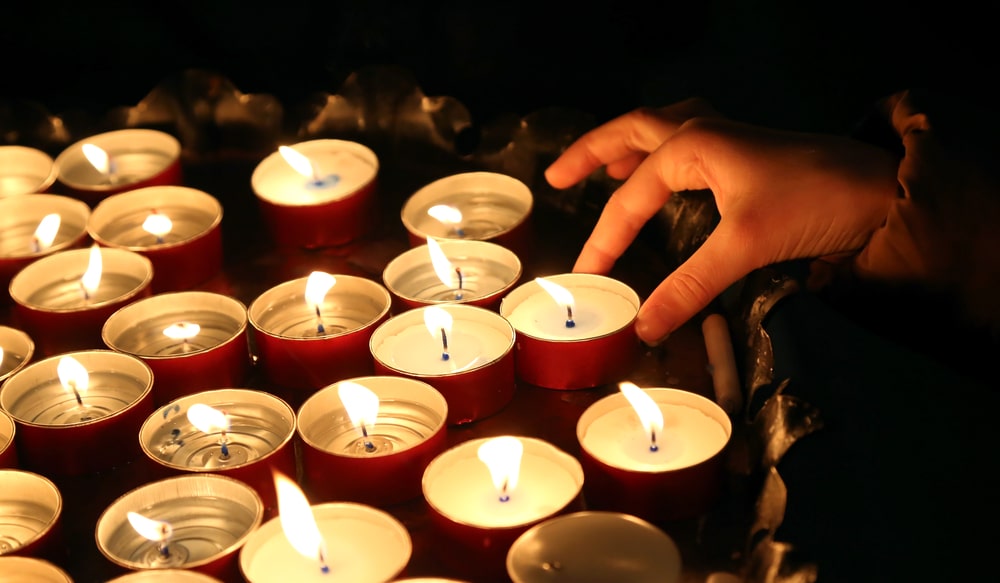
For children, especially those who have lost someone significant in their lives, you might consider inviting them to light a candle in remembrance at the funeral ceremony. You could purchase two identical stuffed animals, placing one with the person who had died and giving one to the child. Thereafter, if the child wants to feel close to the person who is gone, they can hug the stuffed animal close. You could ask if the child wants to draw a picture to place in the casket. If not a picture, some other item. By inviting children to participate, you validate their grief and show them that they, too, are important.
For more helpful information about children and funerals, take a moment to read Life Lessons Children Can Learn at Funerals.