Coronavirus Safety Tips: Taking Precautions When Attending a Funeral

By Uncategorized

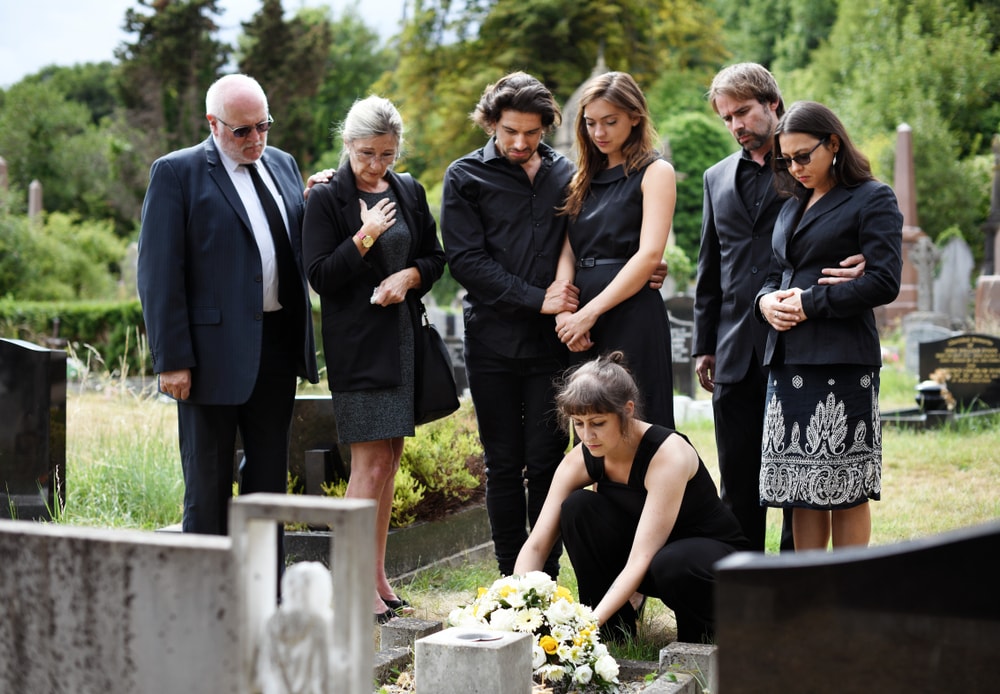
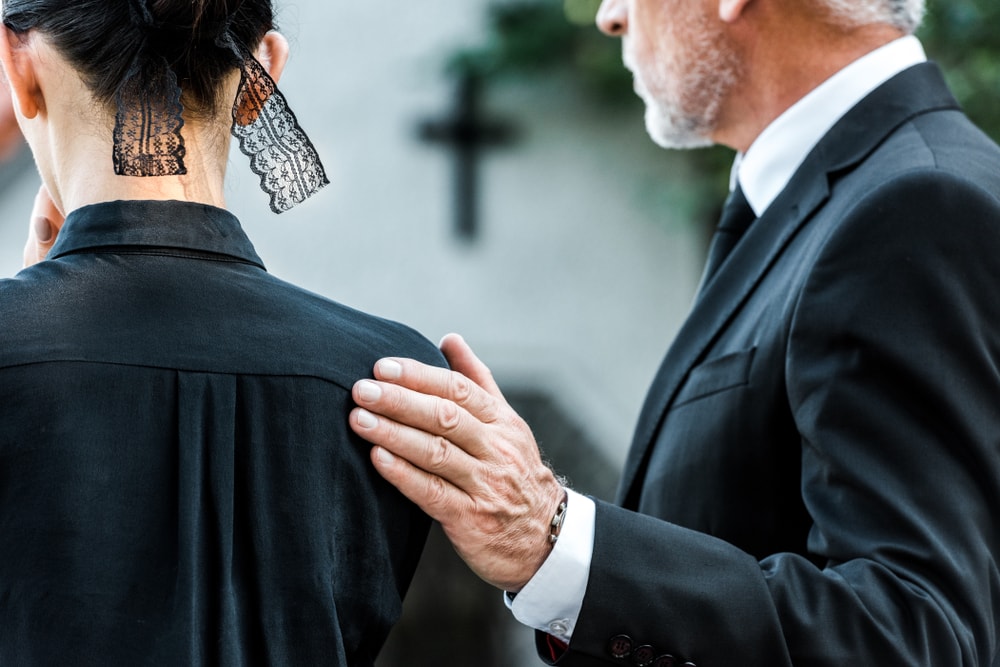
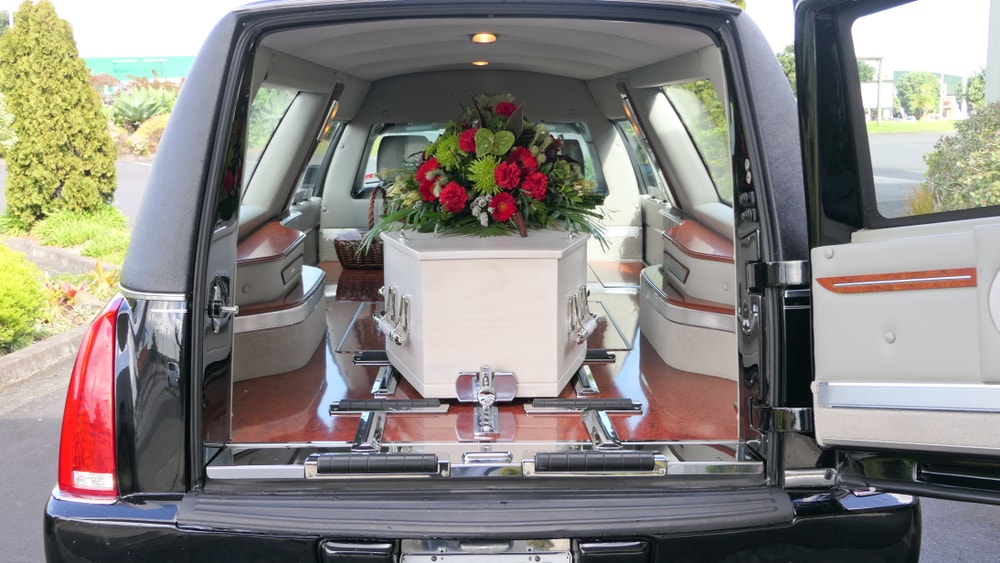
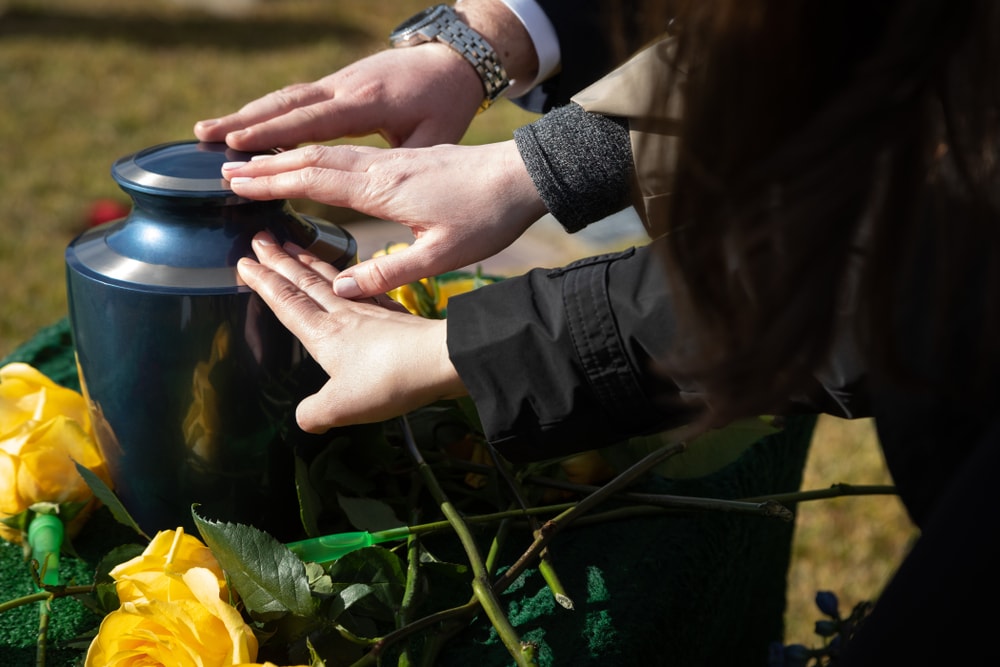
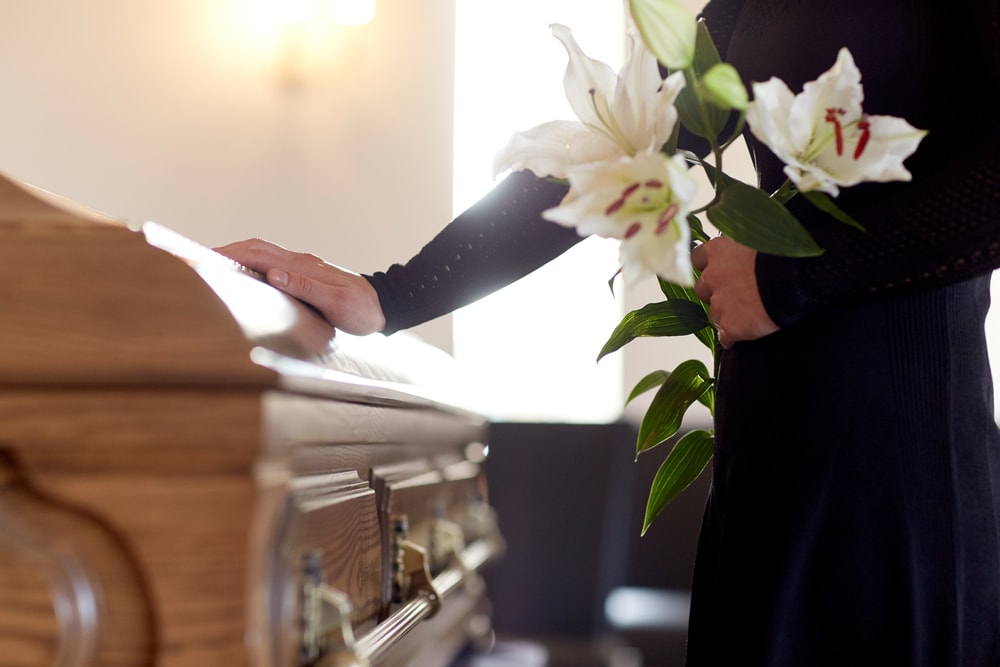
Recently, the United States officially declared the outbreak of the novel coronavirus (COVID-19) a national emergency. National, state, and local officials are hoping to slow the spread of the disease in order to prevent overwhelming the healthcare system and its resources. The Centers for Disease Control and Prevention (CDC) warns that the virus seems to spread from person-to-person contact, which means people have to take precautions during events like funerals.  

If you are attending a funeral during this outbreak, here are six precautions you can take to ensure you and your family remain healthy

1. Practice Social Distancing

Although officials are unsure how the virus behaves, they believe it spreads through close contact with someone who is sick. That’s why many people are choosing to practice social distancing, which is defined as “remaining out of congregate settings, avoiding mass gatherings, and maintaining distance (approximately 6 feet or 2 meters) from others when possible.”  

Since a funeral or memorial can involve a lot of people in close contact, you can try to sit further apart from others if there is enough space. Additionally, instead of hugs and handshakes, offer kind words and sympathy notes to those who are grieving.

2. Cover Your Mouth When You Cough

Officials also believe the virus can spread through respiratory droplets when an infected person coughs or sneezes. Covering your mouth with your arm or a handkerchief can prevent the spread of these droplets. The CDC does not recommend using a face mask if you are not sick. However, if you think you have the virus, wearing a mask can prevent your coughs from infecting others. Face masks may be limited, so if you are healthy, the best thing you can do is avoid coming into contact with someone who might be sick. 

3. Wash Hands Thoroughly and Regularly

Washing your hands is important to prevent the spread of any virus, including COVID-19. Germs can collect on your hands if you touch a surface that someone with the disease has also touched. Thorough and regular handwashing is an easy way to prevent the disease from spreading. When you attend a service, don’t be afraid to ask the funeral home staff where you can wash your hands. This should be done before and after the service to help maintain cleanliness.

4. Avoid Large Gatherings

Avoiding those who may be sick is key to slowing the spread of the disease. The CDC, along with federal, state, and local officials, are urging or mandating restrictions on social gatherings to “flatten the curve.” However, grieving people will still need the support of loved ones during a time of loss. Small gatherings or visits with the immediate family may still be possible in some areas that are least affected. Staggered events can also ensure that not too many people are gathered at the same time in the same place. Be sure to follow federal, state, and local recommendations and mandates to help keep everyone healthy and safe. If you cannot attend a funeral or memorial event, here are a few ways you can show your support for the grieving family.

5. Stay Home if You Are Sick

Staying home if you are sick or suspect you may have been exposed to the virus is paramount to stopping the spread of the disease. If you or a loved one were exposed to the virus, proceed with an abundance of caution. Stay home and make every effort to limit contact with others in your community. At this time, the CDC believes that infection is most likely once symptoms are present; however, they do state that some spread might be possible before people show symptoms. 

6. Follow Directions of Funeral Home Staff

Finally, follow the directions of the funeral home and staff. The funeral home may recommend limiting the size of public gatherings, postponing events, or live streaming events with only immediate family present, depending on how prevalent the outbreak is in your area. Some funeral homes are limiting their number of visitations and funeral services to one per day so they can ensure minimal exposure to others. If these services are held, the funeral home staff will likely take precautions such as holding open doors to limit your contact with surfaces, having one person sign register books, or offering electronic options. The funeral home may also limit the use of printed programs or other items. Alternatively, they may schedule funeral arrangement meetings over the phone or other technology to limit person-to-person contact.  

Remember, the needs of the grieving family for love and support during a time of grief don’t go away. If you can attend a funeral, show up! Even if you can’t offer hugs, your presence is more than enough.

Friend giving a sympathy gift and flowers to a grieving friend

What to Do If You Can’t Attend the Funeral

By Grief/Loss, Helping a Friend in Grief

There are numerous factors that can lead you to miss an important event like a funeral. Perhaps you live too far away or you can’t get time off work. Maybe your kids are sick or you’re homebound. Thankfully, you can still honor a loved one and pay your respects even if you can’t attend the funeral. Here are four ways you can still provide comfort and encouragement to the surviving family and friends even if you can’t attend the funeral itself.  

 1. Ask if the service will be recorded or streamed online. 

Today, most funeral homes offer livestream services for every funeral. If that’s the case, a virtual or digital viewing experience may be your best option. The good news is that some funeral homes can stream the service live on Facebook or other technology. You can call the funeral home to ask if that option will be available for the service, and then ask how you can view the stream from the comfort of your home 

 2. Write a note to encourage the family and friends who have lost a loved one.

Though it seems simple, a heartfelt note can make a huge difference to someone who is grieving. It only takes a few minutes to make someone feel like they are not alone and to show that you care. You can do this through a sympathy card, social media post, email, or text. If you want some tips, here are a few recommendations for writing a meaningful condolence letter 

3. Give a sympathy gift.

Friend giving a sympathy gift and flowers to a grieving friend

There are many ways to show someone that you care apart from handwritten notes or letters. Gifts are always encouraged, especially if they are tailored to the recipient. If you can’t drop off a gift in person, you can send flowers or have a gift delivered to the family. You may also consider making a charitable donation in the name of the person who died. If you’d like more ideas for meaningful sympathy gifts, click here 

4. Check in regularly on those who are grieving. 

You might not be able to be present with your grieving friend in person, but you can always check in with a phone call, text, or note through social media letting them know you are thinking of them. Continue to support your friends and family members during this time to show that you care. With every thoughtful note or check-in, no matter how brief, your grieving friend will feel supported and loved throughout their grief journey.  

The 6 Purposes of a Funeral

By Meaningful Funerals, Plan Ahead, Precare

No matter how far back you look in history, you will find evidence of funeral rituals. Within us, we have an innate need to honor, respect, and remember those who have died. Those we have loved. Funerals, as a ritual, don’t exist simply to exist. They have purpose and intentionality and meaning.


Dr. Alan Wolfelt, respected grief counselor, author, and educator, has done extensive research into the purposes of a funeral and why we, as people, need them. He says, “The funeral ritual…is a public, traditional and symbolic means of expressing our beliefs, thoughts and feelings about the death of someone loved.  Rich in history and rife with symbolism, the funeral ceremony helps us acknowledge the reality of the death, gives testimony to the life of the deceased, encourages the expression of grief in a way consistent with the culture’s values, provides support to mourners, allows for the embracing of faith and beliefs about life and death, and offers continuity and hope for the living.

In Dr. Wolfelt’s experience, if a funeral meets these 6 purposes, then it is often meaningful and healing. Let’s review these 6 purposes of a funeral in detail, so that we fully understand why funerals are so necessary and how they help us in our grief journeys.

The 6 Purposes of a Funeral

Reality

When someone we love dies, our minds and hearts rebel against it at first. We don’t want to accept that the person we loved is gone. The first purpose of a funeral is to help us accept the reality of the death. In order to heal and grieve, we must first accept what has happened. At a healing and meaningful funeral, mourners have the chance to confront reality and begin processing their grief. The funeral is not the end of the grief journey – it is the beginning. We must learn to come to grips with our new reality – one without our loved one.

Recall

One of the key components of a funeral is remembering the one who has died. We see this happen in the eulogy, in the tribute video (if there is one), in the songs or readings chosen, as well as in the gathering of friends and family following the service. By recalling and sharing about our relationship with a loved one, we help ourselves transition. We begin the process of moving our relationship with the one who has died to one of memory rather than presence. We must go backward into our memories before we can move forward in our grief journeys.

Support

A third purpose of the funeral is to activate support. At a funeral, we gather with other people who knew our loved one. We can share our memories, give voice to our feelings, and find support in others. When a funeral includes a visitation or a gathering, mourners have the opportunity to come together and offer a listening ear and a caring hug. When no service is held, friends may keep their distance, thinking that the family wants to grieve privately. But with a public funeral, friends and neighbors can offer their caring support during a trying time.

Expression

As human beings, we are wired to feel. When we feel deeply but actively suppress our emotions, those feelings can become unbearable and begin to fester. Funerals are meant to act as a safe place for us to get our thoughts and emotions out. By putting our thoughts and feelings into action, we begin the journey toward healing. You may need to talk, cry, or just sit quietly with a person who cares. Whatever you may need, expression is an important purpose of a funeral. Through expression, we begin to put our grief in motion and create forward movement in the grief journey.

Meaning

When someone we love dies, many questions begin to surface. Did the person I love live a good life? Why did this person die? Why do any of us die? While there are no simple answers to these questions, a funeral gives us time and opportunity to ask them and begin to find our way to answers that give us peace. By searching for meaning and allowing ourselves to find peace, we find purpose in our continued living and can work toward reconciling ourselves to the loss we have suffered.

Transcendence

The final purpose of a funeral is transcendence. This happens in two ways. First, the funeral helps us find a new self-identity. Funerals help us publicly mark a change in status. For example, someone who has lost their spouse goes from someone who is married to someone who is single. A funeral allows everyone to publicly acknowledge this change and begin offering the mourner support in their new status. Second, funerals often wake us up and make us think about our lives and how we want to spend our remaining days.

Dr. Wolfelt puts it this way:

“People who take the time and make the effort to create meaningful funeral arrangements when someone loved dies often end up making new arrangements in their own lives. They remember and reconnect with what is most meaningful to them in life. They strengthen bonds with family members and friends… [and] emerge changed, more authentic and purposeful. The best funerals remind us how we should live.”

As a Whole

These purposes are not necessarily distinct steps and may happen in any order, but they are intertwined. The funeral experience as a whole is like a rite of passage. We emerge transformed, with a new identity, a new relationship with our lost loved one, and a new relationship with our community.

Unfortunately, not all funerals are successful in helping us heal. This is because we have lost part of our understanding of why funerals matter and how to create a meaningful and healing funeral ceremony that will give us a good start on the healing process. But it’s not too late to learn. For more information on funerals, their purpose, and how to create a personalized, meaningful, and healing ceremony, check out the articles below:

Do Funerals Still Matter?

Should a Funeral Be Efficient or Effective?

7 Elements of a Healing and Meaningful Funeral

6 Ways to Personalize a Funeral

5 Meaningful Actions to Personalize a Funeral

Cremation and the Importance of Ceremony

5 Unique Venues for a Celebration of Life Service

All You Need to Know About Funeral Programs, Prayer Cards, and More

By Explore Options, Meaningful Funerals

Whether you are planning ahead for funeral wishes or planning a final tribute for a loved one, you may have noticed that many funeral or memorial packages include memorial stationery. But for those of us who’ve never planned a funeral, what exactly is memorial stationery? Does that mean funeral programs only or is there something more?

Let’s review the 4 most common pieces of memorial stationery. Afterward, you will have a better sense of the purpose and function of these different pieces. The more you know, the better you’ll be able to decide whether memorial stationery is right for your family.

What are the 4 Most Common Memorial Stationery Pieces?

1. Funeral Programs

Also called memorial folders or bulletins, the funeral program is a folded pamphlet. Funeral programs usually include the order of service, which are the details of what will take place during the funeral or memorial service. Funeral programs are often printed on a decorative piece of paper folded in half. They can be as simple or complex as you want.

Additionally, funeral programs are an excellent place for personalization. For instance, in addition to name and service details, you could include favorite photos of the person who has died, a poem or passage, a favorite recipe, the obituary, or other personal details. If they were religious, you could include a relevant scripture or verse.

There’s a lot of room for flexibility, so if you want to do something different, go for it! Alternatively, if you’d prefer not to have a funeral program, they are not required, though they are a standard part of funerals and memorials.

2. Memorial Cards

Memorial cards are often used as a meaningful keepsake distributed at funeral or memorial services. They include basic information about the person who has died and you can easily slip one into a book or wallet. They serve as a reminder of a lost loved one and often include a photo and an inspirational quotation. Each funeral home will have outlined on their General Price List which kind(s) they offer.

Folded Memorial Card

Similar to the memorial folder but smaller in size, this type of memorial card can be personalized in many different ways. They are typically used at memorials, wakes, or viewings and visitations. You can also send a memorial card as an invitation to a funeral or memorial service. As with any kind of memorial card, make sure to include service information.

Memorial Prayer Card

Rooted in the Catholic faith tradition, a prayer card (also traditionally called a holy card) is the most common memorial card. This type often includes a religious symbol, a prayer, and personal information about the person who has died. Mourners may use them as a keepsake or as a reminder to pray for the family of the person who has died.

Memorial Bookmark

A memorial bookmark is just what it sounds like. It is a bookmark with a photo of the person who has died along with their birth and death dates. To personalize it, you could include a favorite poem, reading, scripture, or an inspirational quote. The bookmarks can be offered as keepsakes and used as a reminder to pray for the family, similar to a memorial or prayer card.

3. Register Book

Many families choose to use a register book at a funeral or memorial service. The book may be placed at a viewing or visitation as well as at the funeral or memorial service. Because everything may be a bit of a blur, a family may not remember everyone who attended the services. Having a register book gives the family a complete record of everyone who attended. When the family later runs into friends, coworkers, and acquaintances in the grocery store or around the community, they don’t have to wonder if that person attended the funeral. They can always go back and check the register book.

4. Acknowledgment Cards

Lastly, acknowledgment (or thank you) cards are a common piece of memorial stationery. Throughout the entire process, friends and family take on roles and responsibilities to help the grieving family. Afterward, the family may want to thank those who went above and beyond. For instance, a card may be sent to someone who sent flowers or a sympathy gift, gave a donation to a designated charity, prepared meals for the family, or perhaps said something particularly kind and meaningful. For a few helpful hints on how to write a funeral thank you card, please read Simple Tips for Writing Funeral Thank You Notes.

Every funeral home offers memorial stationery, though the look and cost will vary between funeral homes. You can choose which of these items you would like to use and which ones you prefer not to. Make sure to talk to the funeral home of your choice about their memorial stationery and their other memorial options (like memorial tribute videos).

More than anything, the funeral home and its staff want to help you create a personalized, meaningful, and healing funeral experience that will bring comfort and peace to your family. Talk to them about what you need and work together to create the perfect final tribute.

7 Funeral Rituals from Jesus’ Time that Still Exist Today

By Seasonal

As millions around the world celebrate Easter this weekend, marking the miraculous resurrection of Jesus Christ, it’s intriguing to look at the funeral rituals surrounding his death and the Jewish culture in which he lived. Since the beginning of time, humanity has participated in the funeral – remembering and honoring the lives of loved ones. So, what are some similarities that exist between the ancient Jewish customs of Jesus’ day and those we commonly observe today?

7 Funeral Rituals from Jesus’ Time that Still Exist Today

Because humans are humans no matter when they live, it makes sense that some things are universal across time and culture. Just as we all love, we all grieve and need to take time to care for and honor the dead. So, let’s discuss a few rituals from Jesus’ day that continue to survive the test of time.

1. Preparation of the Body

The first ritual that remains to this day is that every person who has died must be prepared for burial. Today, that typically means washing and possibly embalming. In Jesus’ day, the body was washed and anointed with expensive perfumes, like nard, myrrh, and aloes. Then, the body was wrapped in a shroud, the face covered with a special cloth, and the hands and feet tied with strips of cloth. You can see this practice illustrated in the Bible for Jesus (John 19:38-42; Luke 24: 10-12), Lazarus (John 11:43-44), and Tabitha (Acts 9:37).

2. Visitation/Viewing

In Jesus’ day, a person was typically buried within hours of their death. This was mainly because the hot climate hastened decay, and back then, they didn’t have access to the preservation chemicals we do today. So, very quickly after a death, family, friends, and neighbors came to comfort the family and say their goodbyes. Gathering together was even easier because families often lived in the same town and were not usually spread out like we are today.

For example, Mark 5:21-42 outlines the story of Jairus, whose daughter had died. We know the death was recent for two reasons: 1) When Jairus reached Jesus, he asked Jesus to heal her, implying he believed she was alive, and 2) When the two arrived at Jairus’ home after hearing of his daughter’s death, there were people at his home, already crying over her death. They had come to see her one last time and to mourn with Jairus. Today, we still take part in this ritual, though we now call it a visitation or a viewing, and it no longer takes place in the family’s home but often at a funeral home.

3. Procession

After the living had an opportunity to say their goodbyes, the person who died was carried on a pallet or litter to the grave. The body was carried by loved ones, a sign of affection and love. As they made their way to the grave or tomb, women would wail and throw dust in their hair and a crowd of friends, extended family, and neighbors would accompany the procession to the tomb. Just as ancient mourners did, we have our version of a funeral procession. We have pallbearers who carry the casket to the vehicle, and then together, we travel to the graveside as a symbol of solidarity and support for the grieving family. You see an example of a first-century funeral procession described in Luke 7:12.

4. Eulogy

After arriving at the grave or tomb, there is evidence to suggest that a eulogy took place. Some ancient tombs in Israel were found to include a circle of benches or a row of seats just outside the tomb. This archaeological evidence, as well as the ancient Jewish custom of “hesped,” make it likely that some type of remembrance took place, whether at the gravesite itself or at another designated time. Like our eulogies today, they would have spoken words of appreciation and love while offering sympathy and kindness to the bereaved family.

5. Permanent Placement

In Jesus’ day, it was a common practice to bury people in tombs. Many families owned a family tomb, where they would lay many of their loved ones to rest over time. You can see this practice described in Matthew 27:57-60 when Joseph of Arimathea lays Jesus’ body in his family tomb. Also, you can see it in the life of Abraham when he purchased a place to bury his wife, Sarah, in Genesis 23, which became a family tomb for future generations.

In Jewish tradition, the body was laid in the tomb, wrapped in cloth and spices. After roughly a year, the family would return to the tomb. They collected the bones and placed them in an ossuary (a small funerary box). They would then place that box in the back of the tomb with other boxes of its kind. In this way, they made room for future generations of family to rest in the same space.

Today, permanent placement is still important; we just do it differently. Now, we often bury our loved ones in cemeteries or scatter their ashes at a special place.

6. A Gathering

Just as important as caring for the dead is caring for the living. After a loved one dies, we need the support of those around us. They help us as we walk down the road of grief. In Jesus’ day, there was often a brief meal following the burial (called the “meal of condolence”), which was prepared by neighbors. For the next seven days, the immediate family remained at home for a period of mourning (Genesis 50:10).

During this time, people visit to offer their support and words of condolence to the grieving family. Today, we do something much the same when we gather following a funeral or memorial service to share a meal, exchange stories about the person who had died, take comfort in each other’s presence, and offer encouragement and words of condolence.

7. Paying Last Respects

As you can see, we still observe many of the same customs as mourners did in the first century. Funeral traditions like these help us mark the significance of a life and begin to heal as individuals and communities. As human beings, we understand today, just as we understood in Jesus’ day, that life is precious and worth celebrating.

How to Plan a Healing Funeral if You Are Not Religious

By Explore Options, Meaningful Funerals, Planning Tools

Funeral rites have a rich history rooted in spiritual and religious traditions. So, what do you do for a funeral if you are not religious? Some families may consider skipping the funeral ceremony altogether, but that would be a mistake. Many of the core elements of a funeral can help the family process their emotions of grief, honor the memory of the person who died, and search for deeper meaning in the loss, whether the funeral is religious or not.

Before missing out on the benefits of a funeral ceremony, take a look at the core elements of a funeral and how these elements might be combined to create a healing and meaningful tribute to a life lived.

Core Elements of a Funeral

“People who take the time and make the effort to create meaningful funeral arrangements when someone loved dies often end up making new arrangements in their own lives. They remember and reconnect with what is most meaningful to them in life…strengthen bonds with family members and friends. They emerge changed, more authentic and purposeful. The best funerals remind us how we should live.” – Dr. Alan Wolfelt

To create a healing and meaningful funeral experience, there are several tried and true elements that you should consider incorporating. Dr. Wolfelt, a nationally respected author and grief counselor, tells us that these elements are necessary to facilitate the six needs that a funeral fulfills: 1) acknowledge the reality of the death, 2) embrace the pain of the loss, 3) remember the person who died, 4) develop a new self-identity, 5) search for meaning, and 6) receive ongoing support from others. All of these basic needs apply to both religious and non-religious families.

If you are planning a funeral, whether because someone you love has died or you are making advance funeral plans, give thoughtful consideration to how you can implement these healing and meaningful elements.

Music

First of all, music sets the tone of a funeral and brings emotions to the forefront. In fact, one of the purposes of a funeral is to allow mourners to grieve together, and in many ways, music says what words cannot. Don’t be afraid to invite people to express grief. With a non-religious ceremony, consider using music that was significant to the lost loved one or songs that cause you to remember them. This might include bluegrass, hip hop, rock, or any other genre of music.

Why Include Special Music in a Funeral Ceremony?

Top 10 Songs for a Funeral Ceremony

Readings

Second, readings add another facet to a meaningful service. They are another way to not only invite mourners to express their emotions, but readings bring the unique spirit of the one who has died to life. Did they have a favorite book or poem? Did the person who died write a letter or even a social media post you would like to highlight? Is there a reading or quote that springs to mind when you think about this person and the loss you have experienced? Or perhaps you or someone you know is inspired to write a poem for the occasion. Whatever you choose, readings can bring aspects of the person you love to life in a very special way.

How do Readings Enhance the Funeral Experience?

Top 10 Poems for a Funeral Ceremony

Viewing/Visitation/Reception

Third, the viewing or visitation is a time for family, friends, coworkers, and neighbors to gather and express support and sympathy. If it is decided to have a viewing, it is an opportunity for mourners to see this special person one last time and begin to acknowledge the reality of their death. For many, as part of the grieving process, it is important to physically see the body. The viewing offers this opportunity. No matter what type of ceremony you create, a viewing or visitation is an important element to consider.

Why Have a Visitation?

Why Should the Body Be Present?

Eulogy/Remembrance

Fourth, the eulogy may be the single most important aspect of a funeral service. It is the time to acknowledge and affirm the significance of the life lived. With that in mind, take time to share treasured memories, quotes, or even the lost loved one’s favorite jokes. Focus your eulogy on describing the legacy that the person has left behind. What did they value most? What were they passionate about? How did they leave the world a better place? The eulogy can be delivered by a celebrant, a family member, a close friend, or even a series of people.

What is a Eulogy?

Crafting a Eulogy

Symbols

Fifth, symbols, or symbolic acts, offer a focal point for the bereaved as well as a sense of comfort. Symbols such as flowers, a portrait of the person, or personal items can be used throughout the ceremony. You also may want to incorporate symbolic acts, such as lighting a candle to symbolize your love or creating a photo display. Releasing balloons, butterflies, or lanterns are symbols that help us process the emotions of “letting go.” We release the pain of the loss while keeping the memory of the one who died alive. You can also consider giving away small memorial keepsakes to attendees that symbolize a passion or hobby your loved one had.

The Importance of Symbols

Exploring Your Release Ceremony Options

Gathering

Sixth, the gathering is an opportunity for friends and family to come together (often around food) after the funeral service to share stories and to support each other. One of the most important purposes of a funeral is to activate support for the grieving family – this is one reason why gathering people together is so helpful. It allows the family an opportunity to engage with others and receive support and condolences. While you consider the benefits of a gathering, take a few moments to read the article below.

What is a Gathering?

Actions 

And finally, by inviting others into action at the funeral service, you engage mourners and invite them to put their grief into motion. Simply put, mourning is the outward expression of our inward grief. To move others toward healing, it is important to invite them to act. For an artist, you might invite attendees to create a communal painting. For a horse enthusiast, you may hold the memorial at a barn or equestrian center. Even actions as simple as joining a procession, planting a memorial tree, writing down a memory, or wearing a certain type of clothing can help mourners become participants rather than observers in their own grief journey.

How Do Actions Help Us Heal?

All together, these elements help you create a service that is healing and meaningful for all who attend. Whether the person was religious or not, those who come to mourn will leave feeling like they have honored a life lived and have taken the first healthy step on their grief journey.

6 Reasons to Write Your Will Now

By Estate Planning

Perhaps unconsciously, we often think we have to own a lot of stuff or at least be in our 5th decade to write a will. This simply isn’t the case. In fact, the sooner you write a will, the better. A will is a legal document that offers certain protections. Without one, if something were to happen to you, the people you care about and the possessions or assets you’ve acquired might not be taken care of the way you would want them to be.

Rather than wait for the unexpected to happen, take charge. Decide how you want to provide for the people you love and distribute the things you care about. Not quite convinced? Let’s go over 6 key reasons why you shouldn’t wait another day to write your will.

1. Because you love your children

Have you thought about what would happen to your children if something were to happen to you (and/or your spouse)? A legal will allows you to designate a specific guardian for your children, which ensures that the people you want raising your child will be able to do so. Without a designated guardian, the state decides who will raise your children. They may not choose the people you would have chosen. Additionally, if you want to leave possessions or property to your children, you protect their financial security by outlining your wishes in the will.

2. Because you should decide what happens to your worldly goods

Throughout our lives, we make cherished memories, we gather precious mementos, and if we’re able, we make our bank accounts grow. Whether it’s ensuring that a trust fund is created for a child or that your mother’s favorite set of dishes goes to your oldest daughter, a will gives you the ability to decide what happens to your worldly possessions. Without a will, your state laws will determine how your goods and assets are distributed, and those laws may not be in accordance with your wishes. Creating a will ensures that your wishes are known and followed.

3. Because you want to eliminate arguments

In many families, there’s often someone who creates strife or dissension amongst the group, either intentionally or unintentionally. To lessen the possibility of arguments or disputes, it’s best to clearly outline what you want done with your estate (e.g. home, car, funds, possessions, care of dependents, etc.). If no one knows your wishes, there’s room for dispute. While you may never be a super star (not many of us are), we only have to look at the cases of Prince, Aretha Franklin, or Sonny Bono to see just how complicated things can become without a will.

4. Because you are part of a blended family

Many blended families enjoy loving relationships, but not all. If you have parented children who are not your legal heirs, you may wish to add them into your will. If you have legal heirs that you do not wish to leave assets to, you may need to exclude them from your will. Either way, blended families can introduce a few challenges, so it’s better to write a legal will so that everyone is clear about your wishes.

5. Because you want to keep things simple for your family

So many things in life become needlessly complicated. The care of your dependents and distribution of your assets doesn’t have to be one of them. To keep things simple for those you love, put things in writing. With a will, your family can just get things taken care of. Without a will, state laws come into play and matters can become complicated very quickly. Keep things simple for everyone by making your wishes known.

6. Because our tomorrows aren’t guaranteed

None of us knows what the future holds. But we do know one thing. None of us are promised tomorrow. By writing your will now, you can protect your family and ensure they are taken care of when you’re gone. If you are someone without a spouse or children at this time, think about whom you would want to benefit. Perhaps you’d give to friends, other family members, or a charity. No matter what you want, writing a will now can make a big difference in the lives of others.

To get started, it’s always best to speak with an estate attorney, especially if you have a large number of assets. However, if you can’t afford the services of an attorney, there are will writing services online. However, by doing it yourself, you run the risk of not addressing certain issues. This may unintentionally create problems for your family. If possible, ask a lawyer to review any document you draw up.

In addition to writing a will, it’s always good to consider whether now is the right time to put together advance care directives, powers of attorney, and advance funeral plans. In addition to a will, these documents create a net of safety and peace of mind for your loved ones.

No matter your age – recent college grad or grandparent – it’s never too early to write a will and ensure that your people and possessions are taken care of your way.

10 Ways to Use Photos to Personalize a Service

By Explore Options, Meaningful Funerals, Personalization, Plan Ahead, Planning Tools

Funeral and memorial services are about remembering and cherishing a loved one’s memory and honoring their life. Dr. Alan Wolfelt, a nationally recognized grief expert, author, and counselor, often says, “When words are inadequate, have a ceremony.” Meaningful ceremonies are reflective of the life that has been lived. They spark memories, help honor a legacy, and bring to mind the good times that were shared. Using photos is one important way we can personalize a funeral and reflect on a life well-lived.

They say a picture is worth a thousand words, and that is certainly true when you are sharing photos of a loved one’s life. Let’s talk about how you can use photos to create a tribute that will bring meaning, hope, peace, and comfort to those who are hurting.

10 Ways to Use Photos to Personalize a Physical Service

Photos are unique to a person, a time, a place, a memory. That’s why they are a perfect way to personalize a funeral or memorial service. Here are a few ideas to get you started.

1. Add Photos to the Order of Service

For most funeral or memorial services, you will receive an “Order of Service” program. This pamphlet usually outlines the order of events that will occur at the service, including speakers, special songs, opportunities to share memories, etc. The Order of Service is a good place to incorporate photos. You can be as creative as you’d like, including your favorite photos or simply ones that capture your loved one’s personality.

2. Make a Collage or Timeline

A photo collage or timeline allows you to tell your loved one’s life story. The big moments, the small ones, the ones that mean the most to you and your family. You can highlight weddings, births, vacations, milestones, hobbies, childhood photos, and so much more. Then, as people view the collage or timeline at the service, conversations will spark. Memories will become fresh. Hearts will be comforted.

3. Put Together a Memorial Photo Album

Sometimes there’s something special about a tangible object. Just like some people prefer physical books over electronic books, there are those who prefer the sturdy presence of a photo album to any amount of digital storage. If you are one of these people, you might consider putting together a memorial photo album or bringing your old family photo albums to the gathering or visitation. Holding the book and flipping through the pages often evokes a strong feeling of connection. By allowing friends, family, and guests to look through the album, you create an opportunity to remember special times and learn new things about the one you love.

4. Create a Memory Board

Similar to a photo collage, a memory board intentionally leaves space open for family, friends, and other guests to add photos of their own or to write personalized messages on the board. By inviting people to participate, you do two things. First, you allow others to mourn; that is, put their grief into action. Dr. Wolfelt tells us that, “Grief is what you think and feel on the inside, and mourning is when you express that grief outside of yourself. Mourning is grief inside out. [It] is showing and doing.” Secondly, by inviting others to add their own thoughts and memories, you create a lovely keepsake that gives a full, vibrant picture of your loved one’s life.

5. Use Photos to Personalize the Gathering/Reception

Many families decide to include a gathering or reception following the funeral or memorial service. Doing this allows family, friends, and others an opportunity to share memories and offer support to one another. The gathering/reception is also a great time to add personal touches to the funeral experience. You might string a clothesline in one area of the room and invite friends and family to a bring a photo to hang. Or, you could use photos to decorate the tables – as centerpieces or even as a table runner. Alternatively, if you are having an outdoor event, you could decorate a tree with photos of your loved one and add mason jars with candles to add softness to the display.

6. Make a Tribute Video

With a tribute video, you can use photos, audio clips, video clips, favorite quotes, and so much more to create a truly personal account of your loved one’s life. A tribute video adds a meaningful element to the service, allows guests to reflect on their memories, comforts family and friends, evokes laughter and tears, and can be a special keepsake that can be watched for years to come.

7. Invite Mourners to Bring a Favorite Photo

Another option you might consider is inviting mourners to bring a favorite photo of your loved one. You could ask people to write a favorite memory on the back and leave the photo with the family as an encouragement. Alternatively, you could create a collective collage. By requesting that everyone bring a 4×6 photo, you can create pre-made spaces where people can add their photos to the collage. Or, you could simply ask mourners to look at the photo and remember your loved one as the eulogy is spoken. A visual reminder – especially one that means something – will help each person connect with their own feelings and begin the grief journey on the right foot.

8. Make a Memory Wreath

Another way to use photos in a unique way is to create a memory wreath. This special wreath will not only serve as a special focal point for any gathering or reception, it can also be re-used in your home afterward. Photos are a great way to remember our loved ones. They connect us to the past; they remind us of the stories of our lives. Sometimes, they even express emotions better than words.

9. Ask Someone to Take Photos at the Funeral

While it may sound odd, you might consider asking someone to take photos at the funeral or memorial. Not necessarily of your loved one – but of the events and the people who have gathered. Photography is about capturing the important moments in life, and the passing of a loved one is significant. Photos taken at any point of the service (funeral, reception, graveside, etc.) will all show a variety of emotions – sadness at the loss, joy at seeing living loved ones, happiness at sharing cherished memories. Who knows, you may find that one of these photos becomes a cherished favorite.

10. Print Remembrance Tokens

Finally, for many of us, specific items have great value and significance to our memory. “I bought this painting when we went to France,” or “This scarf always reminds me of my grandmother.” Photos can do the same. Consider printing out some of your favorite photos and giving them to guests as a remembrance token. You might add a quote, scripture verse, or poem on the back. As each person takes a photo, they have a physical reminder of your loved one, something they can hold onto and contemplate on as they walk through their grief journey.

Estate Planning for the Blended Family

By Estate Planning, Explore Options, Precare

In today’s world, it’s more and more common to be part of a blended family. For many families, being blended creates a sense of belonging and harmony. For others, it may be a source of contention or strife. No matter which category your family falls into, blended families introduce some potential challenges when it comes to estate planning.

The Challenge

According to Pew Research Center, 42 percent of Americans are in a “step” relationship of some kind. This means divorce, remarriage, and widowhood are a part of many lives. But what’s the estate planning challenge here?

With estate planning, the challenge revolves around whether the correct people are listed on your important documents or not. In general, we are a bit lax about updating our accounts, files, or beneficiaries as often as we should. For instance, you might have taken out an accidental death & dismemberment insurance policy with your employer five years ago, but since then, you’ve divorced and remarried. Do you know which spouse is listed as a beneficiary on your policy? Is it the correct spouse?

A Few Questions to Ask Yourself

For those who have a blended estate plan, it’s helpful to think through some important questions as you put your affairs in order.

  1. Does your will explicitly say how to handle your assets after your death?
  2. If you are unable to make decisions for yourself, who should serve as your proxy?
  3. If you have children, who should take over their care should something happen to you?
  4. Regarding your assets, do you need to strike a balance between a current spouse and a former spouse? Or children from one marriage versus a second?
  5. When you make your estate plans, do you need to include a former spouse in addition to a current spouse?
  6. Does a former spouse have a fair claim to any portion of your assets?
  7. Do you need to make a distinction between what children from one marriage are to receive versus children from a second marriage?

5 Important Estate Planning Documents

It’s never too early to put together an estate plan. After all, our tomorrows aren’t guaranteed. So, no matter your age, review these 5 important estate planning documents and decide if any of them are right for you in your current season of life.

1. Financial Power of Attorney

For some families, you may be unable to take care of everything on your own, or you may just want to have someone else who can help out with the details. With a financial power of attorney, you grant an agent – often a spouse, adult child, or trusted friend – the ability to conduct financial transactions on your behalf. This means that the agent can access bank accounts, pay bills, obtain loans, and perform other financial acts on your behalf. If you previously signed a financial power of attorney and would now like to change your agent, speak to your estate planning attorney to update your records.

If you become incapacitated without a financial power of attorney and no one else has access to your accounts, it may be difficult for your loved ones to take care of your financial affairs. They will likely have to petition the courts for permission to conduct your affairs. This means time and money lost.

2. Medical Power of Attorney

Similar to a financial power of attorney, the medical power of attorney grants your appointed agent the ability to make medical decisions on your behalf. Your agent’s powers will work in tandem with your living will (discussed below), if you have one. Also, make sure to sign a HIPAA release form. This document allows your appointed agent access to health, care, and treatment information.

A medical power of attorney allows you to appoint the best person to make decisions regarding your medical needs. By making your medical wishes known, you take the burden of decision making off your family. Any family can experience stress or strain when medical wishes are unclear. For blended families (especially those who don’t always see eye-to-eye), the medical power of attorney can help prevent disagreements and strain among family members.

3. Living Will

Whether you set up a medical power of attorney or not, it’s good practice to complete a living will, which is a document that clearly outlines what medical treatments you would and would not like to be used to keep you alive. This type of list provides peace of mind to family members, giving them confidence in any medical decisions they may need to make on your behalf.

Because the list is extensive, talk to your doctor and family members about your medical wishes. If you want to update your medical directives to include a new spouse, you can do so at any time. Just make sure that you dispose of all copies of the old directives.

4. Legal Will

Following a death, the legal gives clarity to family members by providing instruction for the distribution of your assets. In general, a will is a simple document that identifies beneficiaries, names guardians for minor children, appoints an executor to the will and/or a property manager, and leaves instructions on how to pay for debts and taxes.

If you are part of a blended family, a will may become especially necessary in case a former spouse, estranged children, or even step-relationship try to make a claim. If there are certain individuals whom you’d like to prevent from gaining access to your assets, a legal will is the best way to prevent it. Plus, you can revise a will at any time so you can make changes when needed.

5. Revocable Living Trust

Though most people need a will, not everyone needs a living trust. Living trusts are a bit more complicated than wills. You transfer your property into the trust, naming yourself the trustee, and then adding a successor trustee to take over upon your death. The successor trustee then distributes your assets according to your wishes.

If you have a large number of assets, a living trust is very helpful. Plus, you avoid the necessity of probate court and can keep everything private. Like a legal will, a living trust can be revised at any time.

One more note: a living trust does not take the place of a will. You must have a will to appoint guardians for minor children, designate an executor, and assign a property manager (if property must be maintained until a minor child comes of age).

Now that you are aware of some of the estate planning challenges and are familiar with the five most important estate planning documents, start talking with the people closest to you about how to set things in place so that no matter what tomorrow brings, you’re prepared!

DISCLAIMER: Individual circumstances and state laws vary, so any estate planning should only be undertaken with the help and assistance of an attorney licensed in your state.

What to Do in the First 24 Hours Following a Death

By mtp-at-need, Planning Tools

For many of us, we deal with death so infrequently that we aren’t sure what to do when we lose a family member or close friend. The first 24 hours following a loss can be very difficult. You might feel a wide range of emotions: shock, sadness, anger, or even relief. All of these are normal reactions to loss, but the first question you may ask yourself is, “What do I do now?” To answer this question, this article shares what you should do in the first 24 hours following a death. While you will still feel the pain of grief, knowing what actions to take will make things just a little bit easier.

0-1 Hours After Death: Report the Death

1. If a death occurs at home:

  • Death under hospice care: If your loved one has endured a prolonged illness at home under hospice care, contact their primary medical professional, who will follow all proper procedures, including making a legal pronouncement of death. Hospice professionals may also advise you in this circumstance.
  • Sudden, unexpected death: For an unexpected or unattended death, call 911 to notify the police and emergency medical personnel, who will attempt resuscitation, if they are authorized to do so (note: if your loved one has signed a Do Not Resuscitate (DNR) document or is wearing a “DNR” or “Comfort Care Only” bracelet, medical personnel will not attempt resuscitation). The body of your loved one may need to be moved to the hospital where a doctor can make a legal pronouncement of death.
  • Arrangements for organ donation: If your loved one’s driver’s license or advance healthcare directive gives authorization for organ donation, immediately inform the medical staff so that they can determine if organ or tissue donation is a viable option.

2. If a death occurs in a nursing home, assisted living facility, or hospital:

  • Alert the staff, nurse, or physician if you are the first to be aware of the death. Calling 911 is not necessary if the person is under hospice, nursing home, or hospital care.

3. If a death takes place away from home:

  • If your deceased loved one is away from home and you are notified of the death, you may need to travel to where your loved one is. Speak to the local authorities or medical professionals to determine what actions are needed.
  • If you have purchased a travel protection plan, like the ones available through American Pre-Arrangement Services, Inc. (APASI), make sure to contact the company immediately. In the case of APASI, if a death occurs 75+ miles away from home, they will pay for all transportation costs to have the body returned home. APASI does not offer expense refunds, so if you have this type of plan, always contact them first to ensure you receive the full benefits of the service.
4. If a death occurs out of country:

  • Contact the U.S. Embassy or call 1-888-407-4747 for the Office of Overseas Citizen Services in the State Department’s Bureau of Consular Affairs.

1-4 Hours After Death: Who to Contact

1. Contact loved ones.

Contact immediate family members and ask them to contact others. After making direct contact by telephone with your loved one’s closest family members, you can begin telling friends and extended members of your network. Try to make sure that immediate family members do not learn of the death through social media or acquaintances.

2. Choose a funeral director or service provider.

Hopefully, your loved one planned for their funeral by completing a prearranged funeral plan with a local funeral provider. If not, talk to a trusted friend, relative, or faith-based support person for help locating a well-recommended funeral home. A local funeral director will know the state and municipal laws that apply to the circumstances and death of your loved one and will help you through the planning process.

3. Contact clergy, a minister, or a spiritual advisor.

If your loved one was active in a faith-based community or held religious or spiritual values, contact the leader of that community to notify them of the death. This is an important time to honor the spiritual or religious values of your loved one.

4. Contact other key support people.

Managing the details surrounding the death of a loved one can be physically and emotionally exhausting. Reach out to your support network for help – don’t be afraid to ask. Consider choosing a few close friends or family members to help you make funeral preparations. Ask a trusted friend to field calls, help run errands, care for children, and to act as your advocate. Be sure to give yourself the care you need to get through the challenging process of losing and grieving for a friend or loved one.

4-12 Hours After Death: Prepare for Funeral Arrangement Conference

1. Locate important documents.

If your loved one made advance plans for funeral arrangements, locate any insurance policies, prepaid funeral contracts, or written plans. Your loved one may have also left instructions in a will or estate plan, which families often discover after the funeral has taken place, so you may want to look for any legal documents your loved one completed. If you are unfamiliar with your loved one’s wishes for funeral arrangements, speak to your family members to determine which options resonate with them.

2. Gather vital statistics:

  • Full legal name of the deceased
  • Marital status, including marriage certificate, if available
  • Parents’ full names, including mother’s maiden name
  • Children’s full names
  • Immediate family member names
  • Family members who have predeceased your loved one
  • Place of birth
  • Date of birth
  • Employment history
  • Education
  • Social Security Number
  • Veteran’s discharge papers (DD-214)

12-24+ Hours After Death: Rest and Prepare

1. Rest and nourish yourself.

Try to sleep as much as you can to help prepare for the events to come.

The next several days will be filled with activity, plans, phone calls, visitors, and emotion. Even short naps will help you manage the details, events, and sentiments that follow the death of a friend or a loved one. Remember proper nutrition, even if it may seem challenging. Taking time to care for yourself is as important as the final planning for your loved one.

2. Gather meaningful remembrances of your loved one.

Gather items that you might be able to incorporate into a meaningful tribute for your loved one. These may include photos, videos, articles of clothing or jewelry, and prized possessions that were an integral part of your loved one’s life. Select items that are genuine reflections of your loved one so that you can create a personal and meaningful funeral. This step can also be an important part of the grieving process.

3. Determine how the funeral will be paid for.

Funeral and cemetery or crematory charges will typically need to be paid for before the services are performed. If the service is not paid for in advance with a prepaid funeral contract, consider alternate ways to address costs:

  • Cash, personal check, or money order
  • Life insurance policy – since it could take 6 to 8 weeks for the insurance company to process your claim, your funeral director can help you assign the benefits to the funeral home to cover the funeral expenses
  • Veterans’ burial benefits – again, your funeral director can assist you in determining if your loved one is eligible for any veterans’ benefits that may help you save money
  • Personal credit card
  • Loan from a lending institution
  • Establish a memorial fund to which friends and extended family members can donate

4. Allow yourself to grieve. You may experience moments of intense grief throughout the day.

Some people are afraid that if they start to cry, they may not be able to stop, but this is simply not the case. Usually people cry in bursts of 5-10 minutes, which helps relieve tension and gives expression to deep emotions. It is important to give yourself this time to process your grief and release some of the emotions you are feeling. Accept your feelings and allow them to come without judgment. Surround yourself with people who will not minimize or try to stifle your emotions and who will comfort you and accept you as you are.

Skip to content