“People who take the time and make the effort to create meaningful funeral arrangements when someone loved dies often end up making new arrangements in their own lives. They remember and reconnect with what is most meaningful to them in life…strengthen bonds with family members and friends. They emerge changed, more authentic and purposeful. The best funerals remind us how we should live.” – Dr. Alan Wolfelt
In order for a funeral service to be a healing and meaningful experience, there are 7 tried and true elements that you should consider incorporating. Dr. Wolfelt, nationally respected grief counselor and educator, tells us that these 7 elements are necessary to facilitate the 6 needs that a funeral fulfills:
- Acknowledging the reality of the death
- Embracing the pain of the loss
- Remembering the person who died
- Developing a new self-identity
- Searching for meaning
- Receiving ongoing support from others
And what are the 7 elements? They are music, readings, a viewing/visitation or reception, a eulogy, symbols, a gathering, and actions. If you are planning a funeral, whether because someone you love has died or you are making advance funeral plans, give thoughtful consideration to how you can implement these healing and meaningful elements. Let’s look at each one in a little more detail!

1. Music
Music sets the tone of a funeral and brings emotions to the forefront. In fact, one of the purposes of a funeral is to allow mourners to grieve together, and in many ways, music says what words cannot. So, don’t be afraid to invite people to express grief. Select music that will remind mourners of the person who has died and allow everyone to pay tribute to that special person’s life and legacy in a meaningful way.
Why Include Special Music in a Funeral Ceremony?
How to Personalize Music at a Funeral
Setting the Tone for a Service: A Collection of Funeral Songs

2. Readings
Readings add another facet to a meaningful service. They are another way to not only invite mourners to express their emotions, but readings can also highlight the unique spirit of the one who has died. Did they have a favorite book? Poem? Were they a person of faith who would want passages read? Use these preferences to create a one-of-a-kind tribute.
How do Readings Enhance the Funeral Experience?
How to Personalize Readings at a Funeral
10 Literary Readings for Any Type of Funeral
Top 10 Poems for a Funeral Ceremony

3. Viewing, Visitation, and/or Reception
The viewing, visitation, or reception is a time for family, friends, coworkers, and neighbors to gather and express support and sympathy. If it is decided to have a viewing with the loved one’s body present, it provides an opportunity for mourners to see that special person one more time. No matter which type of event you choose to incorporate, you can personalize the space to tell your loved one’s story through pictures, cherished items, and more.
Viewing vs. Visitation: What’s the Difference?
How to Personalize the Visitation at a Funeral
3 Reasons to Have a Visitation

4. Eulogy
The eulogy may be the single most important aspect of a funeral service. It is the time to acknowledge and affirm the significance of the life lived. It is the moment when friends and family tell the story of a person’s life and reflect on what they love and will miss. With that in mind, share treasured memories, quotes, or even the lost loved one’s favorite jokes. The eulogy, sometimes called the “remembrance” or the “homily,” can be delivered by a clergy person, a family member, or even by a series of people.
11 Mistakes to Avoid When Writing a Eulogy
5 Public Speaking Tips for Delivering a Eulogy

5. Symbols
Symbols offer a focus point for the bereaved as well as a sense of comfort. A few common examples are religious symbols (like a cross or Star of David), funeral flowers, and lit candles. In addition to these examples, you could also choose a symbol that is unique to the person who has died. If they were a sports fan, drape their favorite jersey over the casket or urn. For a quilter, you can display quilts, or for a veteran, you can use the American flag. Simply choose symbols that make sense for your loved one’s unique life.
How to Personalize Symbols at a Funeral

6. Gathering
The gathering is an opportunity for friends and family to come together after the funeral service to share stories and to support each other. During the grief journey, it’s essential to talk about your grief and share the stories on your heart. By including a gathering, you give mourners dedicated time and space to do so. The gathering can be as simple or elaborate as you wish. It’s simply about taking time to talk and to honor the life of the person you all love.
What is the Purpose of a Gathering?
How to Personalize the Gathering at a Funeral

7. Actions
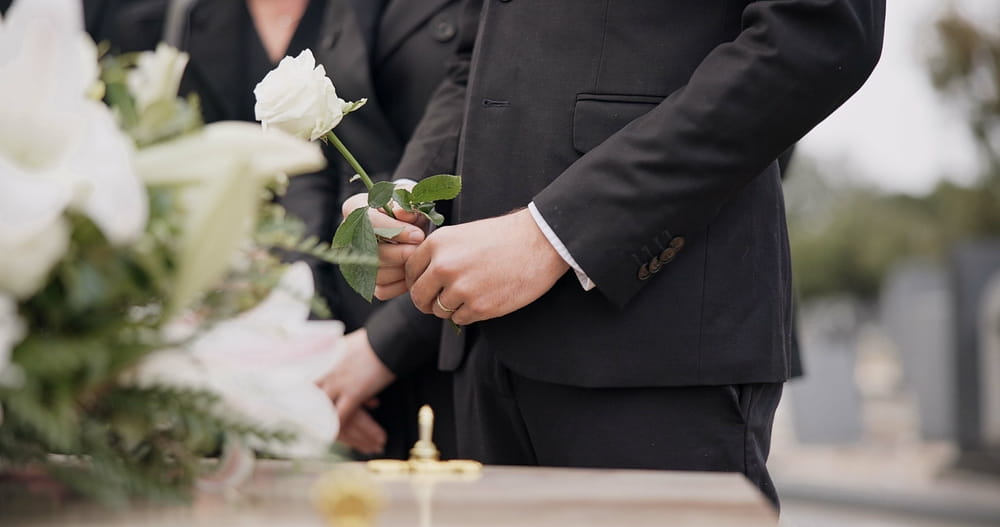
And finally, actions invite mourners to put their grief into motion. What does that mean? In order to facilitate the healing process, it’s important to channel grief into healing actions. At the funeral, this could mean inviting guests to light a candle, take part in the eulogy, or lay a flower on the casket. It could also mean acting as a pallbearer, bringing a potluck dish for the reception, or sitting quietly with the casket to say final goodbyes.
How to Personalize Healing Actions at a Funeral
5 Meaningful Actions to Personalize a Funeral
As you plan a loved one’s final farewell, consider using these 7 elements to create a personalized tribute. By incorporating each one, you will create a sweet, meaningful, and healing experience. Those who come to mourn will leave feeling like they have truly honored the life lived and taken the first healthy step on their grief journey.