
Category

Music

Violin laying on a wooden table

11 Classical Music Songs for a Funeral Service

By Meaningful Funerals, Music

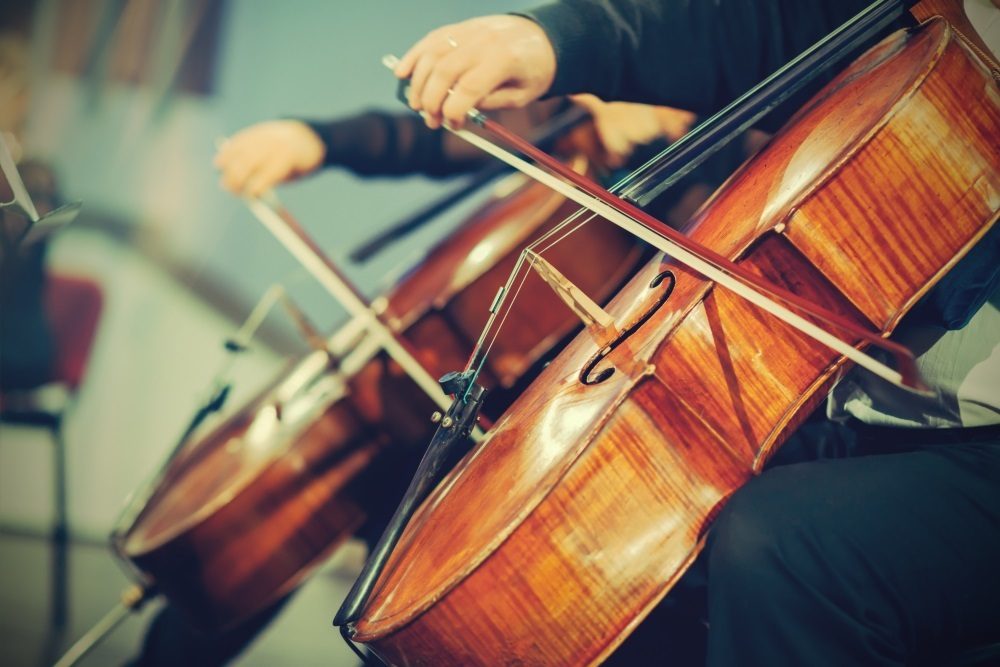
Symphony orchestra on stage, hands playing violin. Shallow depth of field, vintage style.

“Where words fail, music speaks.” – Danish author Hans Christian Andersen

In our greatest times of pain and grief, we often don’t have the words to describe the intense emotions we feel. This feeling is a common experience for those of us who have recently suffered a great loss. That’s where the power of music can help provide needed comfort.

For many of us, music has the unique ability to give us words when grief and agony have left us silent. A beautiful melody or lyric can perfectly capture what we’re feeling and speak to us deeply and emotionally.

Renowned grief expert, counselor, and author Dr. Alan Wolfelt teaches that music is an important element of a healing and meaningful funeral. Music can set the tone of a funeral, bring our emotions to the forefront, and allow us to grieve with others in mourning, which is essential to why we have funerals.

There are many musical genres that can help bring healing during a funeral. Many people find classical music moving and there are many songs and arrangements to support this belief. If classical music sounds like the best way to honor your loved one and bring healing to those in pain, here are a few suggestions that could help.

1. Con Te Partirò (Time to Say Goodbye)

While other songs on this list also have a connection to death, Con Te Partirò passionately and unapologetically embraces the emotions we often feel during a loss. This arrangement focuses on the separation we feel when a death occurs. It also highlights that the pain of our grief will not be at the forefront of our lives forever.

Originally written by Francesco Sartori and Lucio Quarantotto in 1995, Con Te Partirò is a beloved favorite for many classical music fans and has become a common piece at funerals. Its messages of finding beauty beyond our pain and remembering that our loved one’s memory will always be with us ring true for many.

2. Adagio for Strings

Samuel Barber is widely regarded as the most talented American composer of his generation, and Adagio for Strings is one of the reasons. Played on a full orchestra of strings, the song’s somber and solemn melody has been known to help those in grief. It paints an emotional backdrop for pain with hauntingly beautiful rises and falls. Barber’s classic is slow at times, but it picks up steam at the 4:40 mark and crescendos for a breathtakingly moving mountain top at 5:25.

Adagio for Strings played at the funerals of Albert Einstein and Princess Grace of Monaco. The song was broadcast after the passing of Princess Diana and U.S. Presidents John F. Kennedy and Franklin D. Roosevelt.

3. Irish Tune from County Derry

If a string orchestra isn’t to your liking, the brass sections of Irish Tune from County Derry might be more appropriate. The arrangement’s soft opening is followed by a melodic resonance that brings the song to life. Composed by Percy Grainger, the piece focuses on powerful, positive notes that can help us remember the good memories of our loved ones and what made them special. Plus, the flute solo (2:15) is especially beautiful and leads way into the powerful melody (3:11).

The character of Irish Tune from County Derry makes this an excellent choice to play at a loved one’s funeral.

4. Ave Maria

A timeless classic that’s recognized and loved by countless people, Ave Maria might be the most popular classical song for funerals. Many believe it’s the perfect piece for honoring loved ones, as it’s an adaptation of the traditional Roman Catholic prayer. Whether played or sung, this song can help bring our emotions to the surface, so that we may acknowledge that a death has occurred and begin our path toward healing.

Many artists have performed the song over the years, with Luigi Vena’s performance at President Kennedy’s funeral remaining one of the most memorable.

5. Liebesträume No. 3 (Dreams of Love)

Piano and classical music go hand in hand for most of us. It only makes sense to include multiple wonderfully crafted piano arrangements that speak to the soul. Franz Liszt published three piano works in 1850, with Liebesträume No. 3 being his most popular. The piece was inspired by the poem O Lieb, so lang du lieben kannst (O love, so long as you can), which focuses on the importance of love, the pain of loss, and the promise to make every moment matter.

Throughout the song, we hear the clash between love and death (2:20). These shifts were Liszt’s desire, as he strived to write a piece as heart-wrenching as it is troubled.

6. Mad World

So many talented artists have covered Mad World since its release more than 40 years ago. While Dennis Korn’s piano version might be one of the newest, it certainly is moving and beautiful. Originally written by Roland Orzabal of the British band Tears of Fears, Mad World was born from Orzabal’s time of songwriting, in which he watched everyday people live their lives outside his window. Orzabal felt disconnected, alone, and out of place in the world because of this – feelings we may have experienced after the death of a loved one.

Dennis Korn’s piano cover brings new life to the song. His version captures what it means to feel grief, as the base notes and the higher pitch melody serve as an example of the variety of emotions we may feel. The song’s familiarity, simplicity, and powerful emotions make it an ideal choice for any type of funeral.

7. Canon in D

It’s true, Johann Pachelbel’s classic is traditionally a staple at weddings, but its powerful builds and remarkable harmonies also make it an impactful piece to celebrate the life of a loved one. The song’s quick tempo and moving melody can help us reflect on the positive memories we have of the deceased, rather than the pain we feel from their absence.

Cannon in D can also be performed by either a large or small number of musicians. Arrangements of this classical music piece exist for classical string quartets, piano, two musicians, and more. The song is also familiar to many, making it impactful to your audience and easy to use for funerals.

8. Adagietto (Symphony No. 5)

Another full orchestral piece, Gustav Mahler’s Adagietto (Symphony No. 5) brings inspirations of peace and sadness. Mahler wrote this eerily captivating arrangement soon after he fell seriously ill and had to resign as conductor of the Vienna Philharmonic. It’s possible his failing health inspired him to write such a moving piece that features incredible builds at 3:10 and 10:15.

The lightness of the harp in the beginning and the whimsical movement of the second act also make this a piece that can help us find peace, if only for a brief moment.

9. Lux Aeterna (Nimrod)

Performed by British vocal ensemble VOCES8, this a cappella version is sung with warmth and beauty. It’s hard to believe there are no instruments involved. The voices that echo Edward Elgar’s glorious swelling melody have been heard at weddings, funerals, and even events for the British monarchy. As one of 14 pieces Elgar dedicated to cherished friends and family, Elgar wrote Lux Aeterna (Nimrod) for a devoted friend who stood by the composer during his struggles with depression.

The rise and fall of the voices signify our daily struggle with grief and the varying emotions we may feel. The song builds to an overwhelmingly well-balanced and breathtaking sound (2:15) that is difficult to describe and best left to enjoy.

10. Air on a G String

No list of classical music, no matter the circumstances, would be complete without Johann Sebastian Bach. Based off Bach’s No. 3 in D Major, August Wilhelmj composed this arrangement in 1871 and offers a gentle pulse that truly is the key to the piece’s popularity. The song’s moving violin section, steady base, and perfectly accompanied organ create unmatched emotion.

Not too long or too short, this piece is great for honoring life and bringing healing.

11. Candle in the Wind

Similar to Mad World, the final entry on this list is widely popular. It has even been covered numerous times since its release by Elton John in 1973. The original may not fall into the traditional classical genre, but when played on piano alone, it’s heartbreakingly beautiful. Elton John wrote the song in honor of Marilyn Monroe’s death, then played at Princess Diana’s funeral in 1997. Both versions are classics and focus on the pressures we put on ourselves that might make us feel inadequate.

With powerful lyrics, Candle in the Wind is equally as moving in its original version or as instrumental only. There are several elements of the song that make it a perfect choice for a funeral.


Other musical options for a meaningful funeral

How to Write a Eulogy

By Funeral Poems, Meaningful Funerals, Music

Being asked to write and present someone’s eulogy is a great honor and is often reserved for those closest to the person who died. But it can also be a challenge. Whether you’ve given multiple eulogies, or you are writing your first one, it can be difficult to decide which special moments to include, what theme to focus on, and how to ensure the eulogy properly honors the deceased. Then there’s the public speaking factor, which most of us don’t particularly enjoy.

There is no set template or outline a eulogy has to follow. In fact, eulogies can be presented in many different ways, depending on the loved one or the family’s wishes. However, there are a few things to remember before getting started.

But before we get into how to write a eulogy, let’s review what a eulogy is and why it’s an important part of saying goodbye.

What is a Eulogy?

Eulogy

A eulogy is a speech or writing praising someone highly, typically someone who has just died. But more than that, a eulogy is telling your loved one’s story, sharing what made them remarkable, and explaining why you love them. A good eulogy can capture who they were, bring memories alive, and offer comfort to those who grieve.

Usually, the eulogizer — the eulogy presenter — is someone very close to the loved one. A child, grandchild, spouse, or even a dear friend can be asked to give the eulogy. While most people accept when asked to be the eulogizer, it is perfectly acceptable for you to politely decline. You may think you’ll be too emotional in the moment or maybe you just didn’t know the deceased well enough. Whatever your reason, you can ask that someone else give the eulogy.

If you accept writing and delivering your loved one’s eulogy, you should know that your participation will play an important role in the grieving and healing process. Hearing about the loved one’s life can help those who remain begin the difficult, but necessary, journey toward healing. Renowned grief expert Dr. Alan Wolfelt has done a lot of research on how to grieve well, and he has found that there are six universal needs of mourning. The eulogy is an important part of showing how much you loved one’s life impacted others and how those memories will live on.”

What Should Be in a Eulogy?

Everyone Has a Story typed words on a vintage typewriter. close up

Now that we’ve covered some of the basics, let’s look at the technical part of writing a eulogy. That starts with deciding what to include and what to leave out.

A eulogy’s overall message should be positive, uplifting, and encouraging. Focus on the happy memories and the meaningful moments you shared with your loved one. This is a time to remember the joy they brought to the world, so you’ll want to avoid bringing up negative or controversial memories.

You’ll also want to include specific facts: their birthplace, professional career, military service, places they lived, etc. More personal info like how they met their spouse, names of their children, their favorite places to relax, the church they attended, etc. can help paint an accurate picture of their life and legacy.

Now that you’ve got an idea of what you want to talk about, it’s time for the hardest part — the beginning.

How to Start a Eulogy

soft focus. Hand high school or university student in casual holding pencil writing on paper answer sheet. Sitting on lecture chair taking final exam or study attending in examination room or classroom

First things first — there is no perfect way to start a eulogy. You can use a poem, a funny story, the loved one’s obituary, or something else to get started. There are some key elements that you’ll want to include in your introduction, though.

It’s likely that not everyone will know who you are, so take a moment to introduce yourself and your relationship with the deceased. Your next step will depend on your relationship. If you’re a close friend or outside of the immediate family, express your condolences for the family’s loss. This will show your empathy to those who are feeling your pain, but on a greater scale.

It’s also polite to thank those in attendance for coming to honor your loved one. You can mention how much it would mean to your loved one to see so many people from their life in attendance. Then, use your next few sentences to explain the eulogy’s theme or what kind of memories you will focus on. This will serve as a simple transition into the heart of your eulogy.

How to End a Eulogy

blank notebook with pencil on wooden table, business concept

Like the beginning, there is no correct way to conclude a eulogy. All that matters is that your final words are genuine. Speak from your heart so those listening can understand what you’re feeling. Summarize the theme of the eulogy and the lasting impact your loved one will have on those present.

If you didn’t include a meaningful poem, song lyric, inspirational quote, etc. in your introduction, the ending is also an ideal time to include those meaningful words. Poems, songs, quotes, or other sources can sometimes perfectly capture what you wish to say, but you may have a hard time expressing. The same can be said for a small joke. Laughter can be a great way to end a eulogy, just remember to find the appropriate balance to maintain the utmost respect for the deceased.

Saying goodbye to your loved one is another valuable option. Speaking directly to them can bring peace to the grieving. If you or the family are religious, offering a prayer at the end might seem most appropriate. Whatever you decide, remember to keep the ending heartfelt to match the rest of the eulogy’s tone.

How Long Should a Eulogy be?

funeral casket, coffin burial, farewell the death, goodbye loved one

Keeping the attention of those in attendance is the biggest factor in deciding how long a eulogy should be. You also don’t want the eulogy to be too short because it will look like you didn’t put enough thought into it, or too long, as you might lose the audience’s attention and can even risk you getting off-topic. This is why it can be challenging to decide what to include and what to leave out.

The ideal time to present a eulogy is between 5 and 10 minutes. This typically allows you enough time to honor your loved one’s life appropriately without losing the attendees’ focus. Since you want to keep the eulogy brief, remember to stay on topic when writing the eulogy and above all — practice giving the speech.

Read through the eulogy out loud at a slower, conversational speed. Then, once you feel comfortable, practice presenting in front of others. If you know the eulogy thoroughly, you’ll be confident and seen as someone who is talking from the heart.

Quality Over Quantity

Close up young woman holding female hand of older mother, caring adult grown up daughter supporting and comforting mature mum, expressing love, two generations trusted relations

Hopefully, these tips will help you craft a beautiful eulogy. One final piece of advice, and perhaps the most important, is to remember that quality is greater than quantity. A 5-minute eulogy that expresses your sincerest feelings and honors the life lived is better than a eulogy that feels long-winded and possibly rambles on.

Your loved one impacted so many lives, and those grieving will need words of hope and comfort as they start to finalize the reality of their loss. Use memories, fun stories, inspirational passages, and real emotion to remember your loved one the way they deserve.

Why Include Special Music in a Funeral Ceremony?

By Dr. Wolfelt Videos, Meaningful Funerals, Music 4 Comments

In this video, Dr. Wolfelt talks about the role that music plays in allowing you to process your feelings about a loved one’s passing.

The Inadequacy of Words

Music is an important part of the grieving process because it allows you to get in touch with the feelings that are so hard to put into words. After the shock of a loss, you may find it hard to process your thoughts. These profound emotions are hard to describe. Music functions as a channel between the head and the heart, allowing us to connect with our true feelings about the passing of a loved one.

Memories

The music at funeral services is often tied to specific memories of the loved one. This allows you to reflect on details from a loved one’s life, bridging the gap between past and present. In a time of grieving, it is essential that you move backward before moving forward. Music is a great way to take this positive step backward, allowing you to fully appreciate the life of your loved one and to get the most out of the ceremony.

Connection

In addition to helping you remember the life of a loved one, music also serves to strengthen your relationships with others who are grieving the loss. Music is a communal experience. It provides a way for everybody to acknowledge their grief, honor the life of the loved one, and lean on each other for support.

Ceremonial Importance

When you attend a wedding or any other rite of passage, you can be reasonably sure that there will be music. Music has become an essential component of our most important cultural ceremonies.  Adding music to the funeral provides a feeling of cultural significance. It’s a beautiful way to celebrate the life of a loved one.


Dr. Alan D. Wolfelt is an author, educator, and grief counselor with over 30 years of experience working with bereaved families. He has written many best-selling books on grief and loss, including Healing Your Grieving Heart and The Journey Through Grief. Dr. Wolfelt serves as the Director of the Center for Loss and Life Transition. Visit him online at www.centerforloss.com.


Skip to content