Category

Cemeteries

Permanent Placement Options for Cremated Remains

By Cemeteries, Cremation, Explore Options, Plan Ahead, Planning Tools, Precare

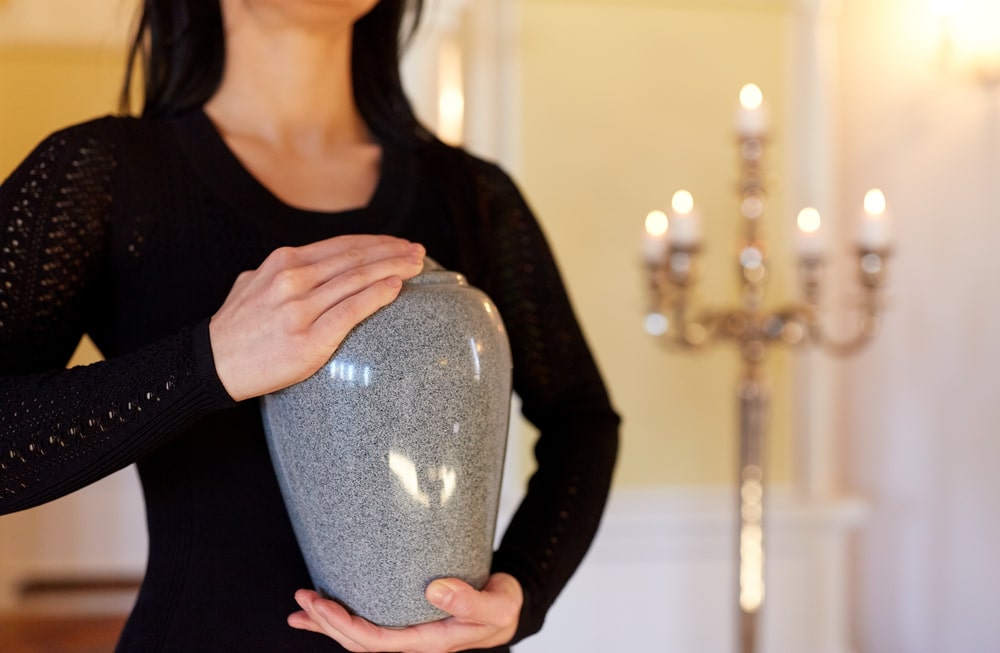
These days, it’s not uncommon for the family to keep the cremated remains of a loved in an urn at home. While keeping a loved one nearby can be helpful during the grief process, it’s important to have a permanent plan for your loved one. It’s unrealistic to expect family members to continue to amass a larger and larger number of urns through the years, so in order to ensure that your loved one is cared for after you’re gone, it’s best to put together a permanent plan.

You have many options for permanent placement of cremated remains. And you don’t have to make up your mind at the time of loss. You can keep your loved one close for a few years, and then visit the idea of where you want to inter them as a final resting place.

Reviewing the Options

Urn Burial

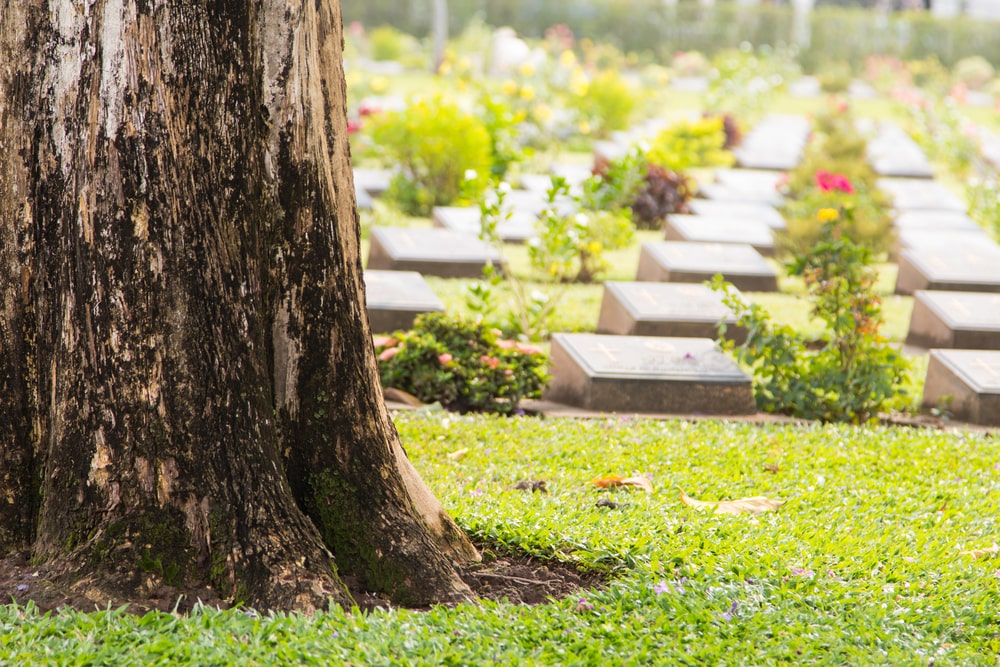
The first option is burial. Some cemeteries have landscaped urn gardens while others offer burial plots similar to those used for traditional burial. If you choose a burial plot, the cremated bodies of multiple people can be buried together. As with traditional burial, urn burial requires an outer burial container.

Another form of urn burial is green burial. The main difference from traditional burial is that the urn must be biodegradable, and the cemetery must be specifically set aside for green burials. The number of green cemeteries in the United States is limited, so you may need to travel a distance to lay your loved one to rest. One thing to remember: an outer burial container is not needed for green burial.

Columbarium

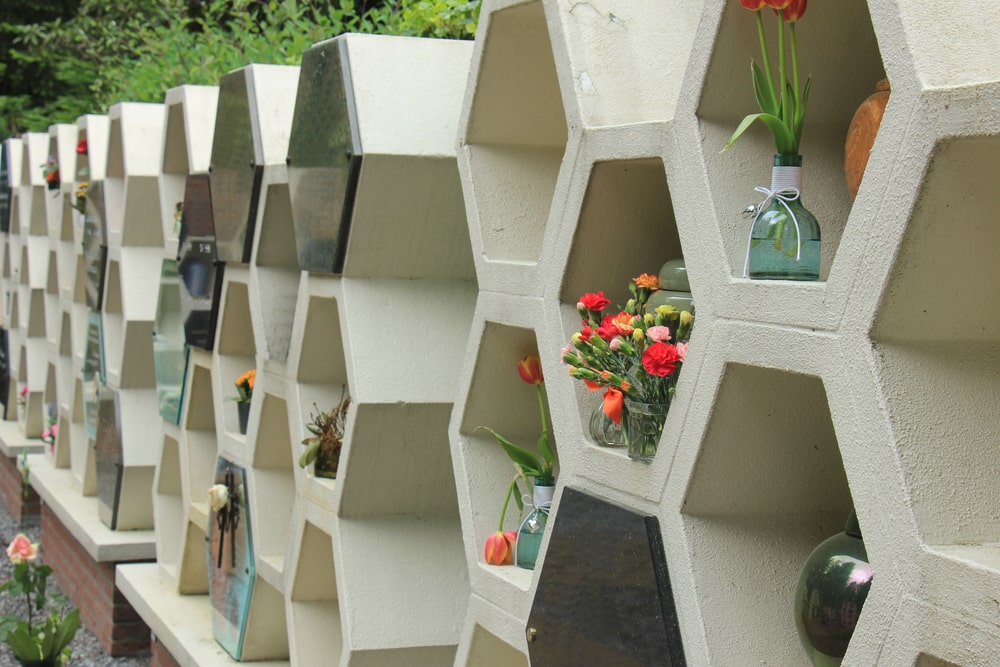
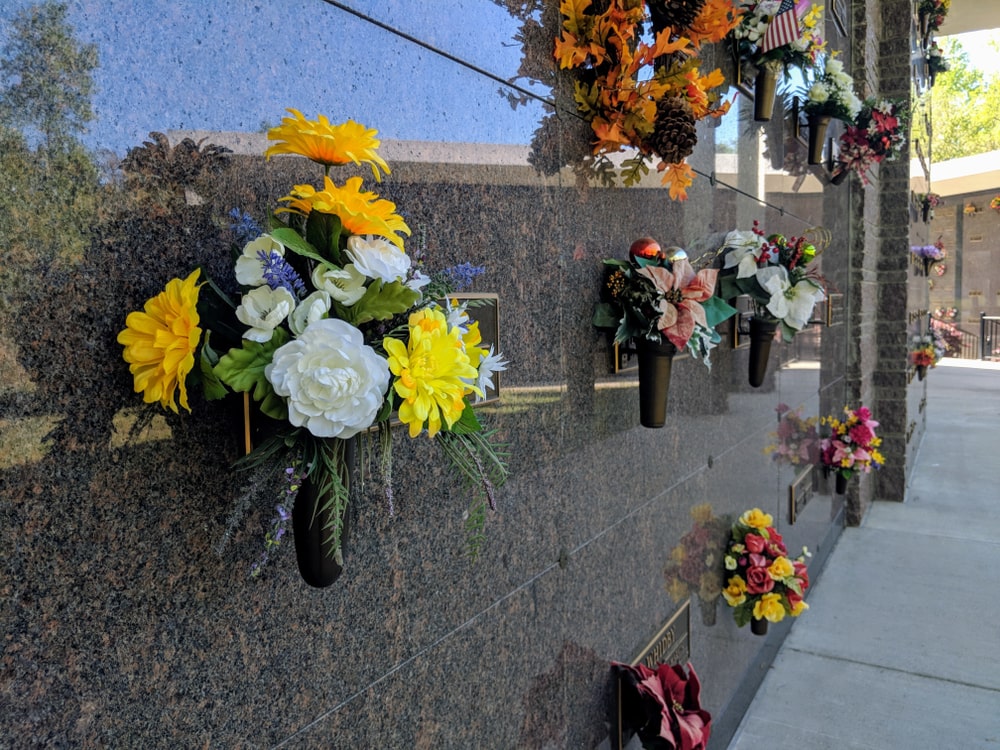
An above-ground structure, the columbarium is filled with niches (wall spaces) where urns are placed and interred. Each niche typically includes a memorial plaque that acts as a grave marker, listing the name, dates of life, and an epitaph (if the family wishes). All columbaria are communal, though a family can purchase a family-size niche to allow multiple urns to be placed together.

Scattering

Scattering is the act of taking a loved one’s cremated remains to a special place (or places) and scattering them. The possible locations for scattering are numerous. You could elect to go to a scattering garden, which is a designated, beautiful space attached to a cemetery that is simple and environmentally friendly. With a scattering garden, the cemetery often provides a means of adding a permanent physical memorial like a plaque or grave marker.

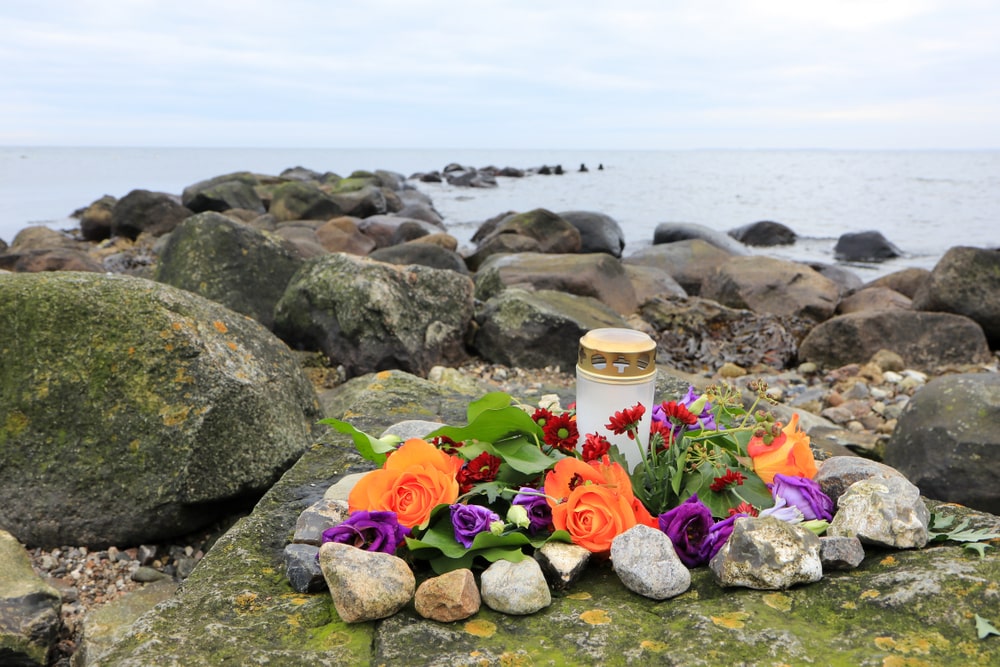
Alternatively, you can go to the ocean, the mountains, or some other place that is special to you and your loved one. If you do decide to scatter your loved one somewhere other than a cemetery, make sure that you check the laws and regulations for that place.

Should you decide to scatter all of a loved one’s ashes, take time to prepare yourself emotionally. For some, it is an emotional shock to realize that everything remaining of a loved one is gone.

Planting a Memorial Tree

It is now possible to plant a loved one’s ashes so that a memorial tree will grow. The cremated remains don’t actually cause the tree to grow. Instead, you will place a special, biodegradable urn in the ground. In the top section, seeds and soil mix together. There is a separate section underneath for the cremated remains. First, the seeds grow in the soil, and once they reach a certain level of growth, the roots spread down to the cremated remains, and everything mingles together. This option is inexpensive, and afterward, you can visit the memorial tree anytime you wish.

Options at Sea

Underwater Mausoleum

Off the coast of Florida, you can have a special urn placed in an underwater mausoleum (similar to a columbarium). With different options available for memorialization, it’s an option for those who love the ocean.

Barrier Reef

Another option is to mix the cremated body with concrete to create an artificial coral reef. These artificial coral reefs assist in the repair and conservation of natural coral reefs by positively impacting the ocean’s habitat. As a memorial to your loved one, consider affixing a plaque to the artificial reef.

Burial at Sea

When we think of burial/scattering at sea, we often think of military personnel. However, scattering at sea is an option for civilians as well. While the Navy will work with a veteran’s family to arrange an official scattering at sea, services are available to civilians for an eco-friendly sea burial per US Coast Guard guidelines.

Launched into Space

It is now possible to send a person’s ashes into space. If your loved one adored space and all its mysteries or was always looking for the next big adventure, you might consider this option. Of course, there will be regulations and stipulations to follow, but this option is surprisingly affordable.

No matter which option is most appropriate, make a decision on providing a permanent home for cremated remains. Keeping the urn at home may be just what you need in the beginning. But, in three, five, or even ten years, consider the benefits of setting up something permanent. A permanent home will ensure that your loved one is cared for long after you are gone.

What Are My Interment Options?

By Cemeteries, Explore Options

For many of us, the ins and outs of funeral planning are unfamiliar and confusing. We don’t know where to start or even what all of our options are. Should you go with cremation or burial? As you do your research, you may come across unfamiliar terms, like interment, columbariums, mausoleums, crypts, vaults, niches, and more. This article will explain what these terms mean and how you can make decisions ahead of time that give peace of mind to your loved ones at a time of loss, knowing that they are following your wishes for your place of final rest.

Definition

First of all, let’s define interment. Usually, the term refers to burial, typically with funeral rites. However, with the increase in cremation, interment now means “final resting place.” In other words, it’s the place where a person is laid to rest permanently, whether they are buried or cremated.

Interment Options for Burial of the Body

If you choose burial of the body as your preference, you have many options available for both in-ground or above-ground burial. Not all options are available everywhere, so check with your funeral professional to determine which ones are available in your area.

Traditional Burial

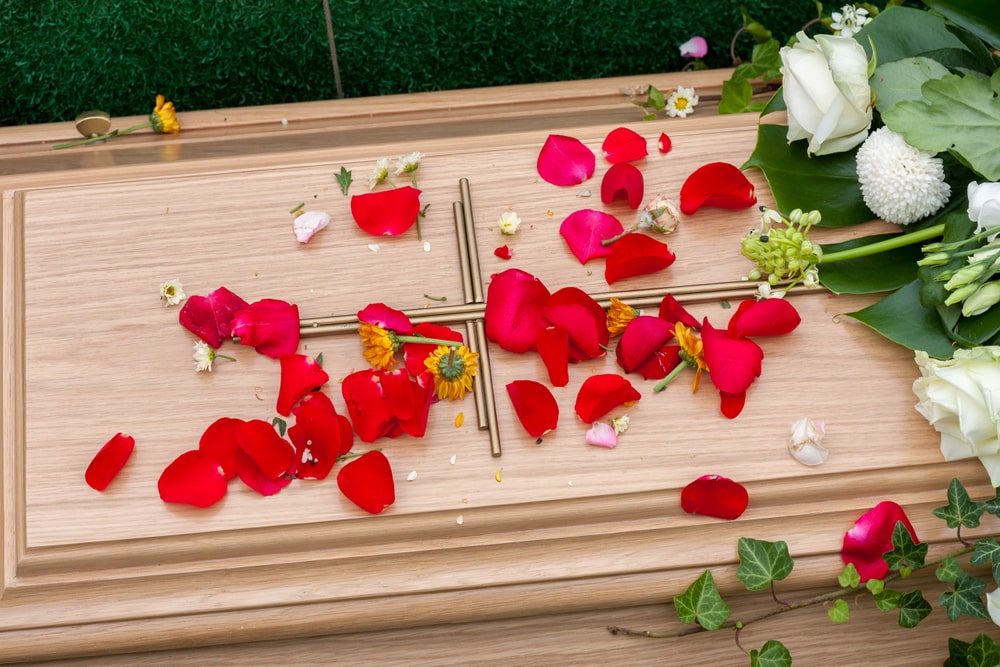
With traditional burial, the body remains intact and is usually embalmed to allow for a viewing or visitation prior to the funeral and committal services. Prior to burial, the grave is excavated at the cemetery and either a grave liner or burial vault is placed in the grave (the family decides which one). Later, after the committal service, the cemetery grounds crew will lower the casket and fill the grave with soil. Eventually, a grave marker with epitaph is added to the location as a memorial.

Lawn Crypt

Essentially, a lawn crypt is a type of underground mausoleum. It’s built deeper into the ground and can house multiple caskets. Often made of concrete, a lawn crypt possesses a drainage system, which protects the grave’s contents from the elements. In some cases, families are all buried together, but it’s not a requirement. Make sure to ask a cemetery representative if they use individual grave markers or just one for everyone buried in the lawn crypt.

Mausoleum

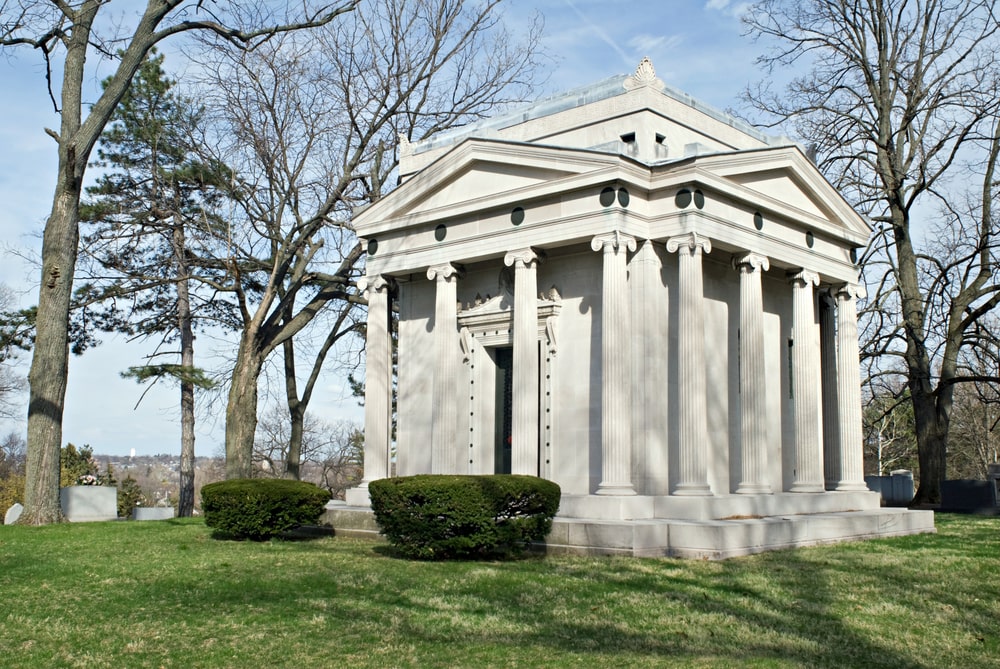
A mausoleum is an above-ground memorial building for housing casketed remains. They offer personal ways to commemorate your loved one, including name carvings, plaques, and vases for flowers. A mausoleum typically offers single or companion crypts and protects the remains from the elements. Both community and private mausoleums exist. In most cases, a private mausoleum is much more expensive. A mausoleum is a great option for families who want to be interred together.

Natural (or Green) Burial

Another option for full-body interment is natural or green burial. The main idea behind green and natural burials is to allow the decomposition process to occur naturally. The main differences are two-fold: 1) Green burial excludes any type of embalming, and the cemetery grounds are specifically sanctioned for green burial; 2) While green burials must occur on very specific plots of land, a natural burial can take place on private land (subject to regulations) or in any cemetery that allows it.

Interment Options for the Cremated Body

Columbarium

Moving into interment options for the cremated body, a columbarium is a popular option. Columbaria consist of many small compartments, called niches, that each hold an individual urn. Each niche typically includes a memorial plaque that acts as a grave marker, identifying the names, dates of life, and an epitaph (if the family wishes). All columbaria are communal, though a family can purchase a family-sized niche to allow multiple urns to be placed together.

Urn Burial

It is also possible to bury an urn rather than to place it in a columbarium niche. Some cemeteries have landscaped urn gardens while others offer burial plots similar to those for traditional burial. A traditional plot can hold the cremated bodies of multiple people or may even hold a casket and an urn, depending on the cemetery regulations. As with traditional burial, urn burial requires an outer burial container. A third option for urn burial is green burial. You can place a biodegradable urn in a green burial ground without an outer burial container.

Scattering

You can take your loved one’s cremated body to a special place (remember to check the laws and regulations for that place) or you can go to a scattering garden, a designated, beautiful space often attached to a cemetery. With a scattering garden, the cemetery often provides a means of adding a permanent physical marker so that family and friends feel more connected to their lost loved one. If you decide to scatter all of a loved one’s ashes, take time to prepare yourself emotionally. For some, it can come as a shock that all that was left of a loved one’s body is suddenly gone.

Other Interment Options

A few lesser-used interment options are:

As you can see, there are several interment options available to you. You can choose the one that best fits your wishes and your family’s needs. No matter which option you choose, remember that it’s important to designate a final resting place so that friends, family, and future generations have a place to visit, remember, and honor the life that has been lived.

Grave Liners & Burial Vaults: What’s the Difference?

By Cemeteries, Explore Options, Plan Ahead, Planning Tools

For many of us, the ins and outs of funeral planning are unfamiliar and confusing. We don’t know where to start or even what all of our options are. Should you go with cremation or burial? How do you go about personalizing the funeral? What is the value of a funeral, and what elements should you include? All of these questions are why we have funeral directors. They help those of us who aren’t funeral professionals understand and make sense of a whole new world of information.

But, of course, you should learn about and research the different aspects of funeral planning before you ever talk to a funeral professional. This will help you know what kinds of questions to ask when the day comes that you sit across the table from a funeral professional. Today, let’s discuss what outer burial containers are, why we have them, and what options you have regarding their use.

What is an outer burial container?

Simply put, an outer burial container is used when either a casket or an urn is buried. They typically come in two forms: the grave liner or the burial vault. We will discuss these two types in more detail below. Outer burial containers are most often made of reinforced concrete (they also come in plastic and metal). Though most states do not mandate them, most cemeteries do require, at a minimum, the use of a grave liner.

Why do we have them?

A couple of reasons stand out. First, over time, a casket/urn will decay, and with that decay, the earth around the casket/urn will shift and resettle. By surrounding the casket/urn with a reinforced concrete barrier, when decay does inevitably occur, the earth around it will remain undisturbed. By preventing graves from caving in on themselves, the cemetery ensures that the cemetery grounds remain level and people who visit need not worry about falling, twisting ankles, or otherwise injuring themselves due to uneven ground. Secondly, by keeping the ground level, performing routine maintenance on the property is simpler, which keeps costs down for both the cemetery and the consumer. And finally, if the ground were to settle and shift substantially, headstones, grave markers, and monuments may shift and tip. If this happens, the marker must be fixed, which also raises the cost of maintenance.

What are my options?

Grave Liner

A grave liner partially or entirely encloses the casket/urn but only offers minimal protection from the elements. Because is it not sealed, soil, moisture, water, and other elements can make their way inside over time. Though typically made of concrete, plastic and metal are available as well.

There are two types. The first type features a removable lid. The second type, on the other hand, is bottomless and only covers the sides and top of the casket/urn. The grave liner is often less expensive. While it is not water-resistant, it does prevent the grave from settling or caving in on itself.

Burial Vault

A burial vault seals and entirely encloses the casket/urn. In addition to a water-resistant seal in the lid and walls, a burial vault (except those made of plastic) contains an interior liner. This liner works in tandem with the sealant to prevent soil, water/moisture, and other elements from reaching the contents.

In most cases, a burial vault is more expensive than a grave liner. This is due to higher manufacturing costs, the use of more expensive materials and finishing techniques, and if desired, various personalization options.

Green or Natural Burial

Both green and natural burials do not require the use of burial vaults or grave liners. The main idea behind green and natural burials is to allow the decomposition process to occur naturally. The main differences are two-fold: 1) Green burial excludes any type of embalming, and the cemetery grounds are specifically sanctioned for green burial and maintained without the use of herbicides, pesticides, or irrigation; 2) While green burials must occur on very specific plots of land, a natural burial can take place on private land (subject to regulations) or in any cemetery that allows for vault-free burial.

Now, you should have enough information to get you started, whether you are simply curious, are in the process of planning a funeral for a loved one, or are interested in planning ahead for your own funeral wishes. No matter which category you fall into, when the time comes, make sure to partner with a reputable funeral home that has your best interests in mind and is willing to work with you to create a healing and meaningful funeral experience.

Skip to content