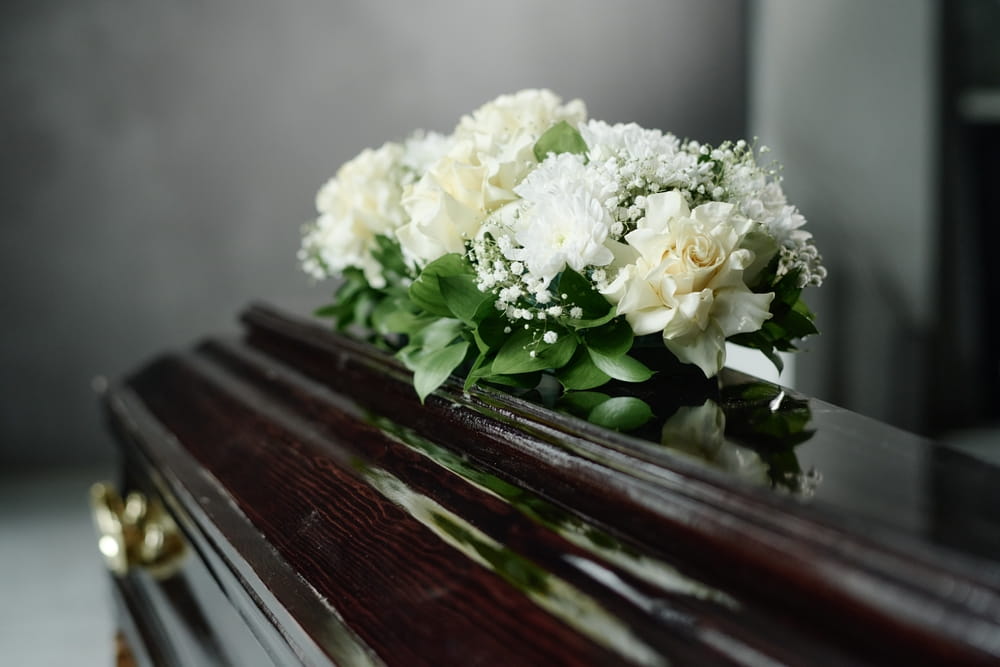
When you’re planning a final tribute for a loved one, you don’t want the last words spoken over them to be hollow, empty, or insincere. Instead, the words should be real, kind, true, and an accurate reflection of who they were as a person. A funeral celebrant can help you create a beautiful send-off that feels personal, meaningful, and genuine.
But what is a funeral celebrant, and how can they help? Let’s talk about it.

What is a Funeral Celebrant?
A funeral celebrant leads and officiates a funeral or memorial service, religious or non-religious, helping create a personalized and meaningful ceremony for the person who has died. In the United States, a funeral celebrant is often not a member of the clergy, but they can be.
Their main role is to tell a story – the story of your loved one’s life. The service is about remembrance and celebration, heartache and joy. The celebrant will work closely with you to tailor the services to meet your needs and wishes, honoring your loved one’s life and personality.
They are skilled public speakers who adapt and adjust to your family’s requests. Whether it’s a solemn occasion requiring decorum and poise or a joyous celebration calling for an inspirational and cheerful tone, a funeral celebrant can strike the right balance.
A celebrant can be particularly helpful for families who are non-religious. For those who regularly attend a place of worship, a clergy member is often available to officiate the service (if you wish), but for those who are non-religious, a funeral celebrant can fill the role.

How Can a Funeral Celebrant Help You?
While the funeral director coordinates all the service details, they don’t prepare the actual program for the event or officiate. The order of events and what’s included in the service are up to the family. This is where the celebrant can step in and become a huge help.
Here are several ways that the funeral celebrant can help you before, during, and after a loved one’s service:
- Learn about your loved one so they can prepare personalized remarks
- Help to plan the order of service, if you wish
- Suggest and coordinate readings, music, poems, or hymns
- Write and deliver a personalized eulogy (based on stories you shared)
- Keep you informed, so you never feel left out or overwhelmed
- Ensure that the program moves smoothly from one speaker to the next
- Provide logistical and emotional support throughout the planning process
- Keep the event on track while staying sensitive and adapting as needed
- Provide feedback to family or friends who’d like to speak at the funeral
- Coordinate with the funeral home staff and other service providers as needed
- Lead the ceremony with warmth, sensitivity, and kindness
- Conduct the graveside service, if you wish
Planning and hosting a funeral may feel overwhelming when you’re processing and grieving a loss. The celebrant can step in and act as both storyteller and organizer, ensuring that your wishes for the service come to pass with attention to detail and authenticity.

What Should I Expect When Meeting with a Celebrant?
Once you’ve decided to use a celebrant, they will contact you for a chat, either in person or via video or phone call. If you wish to meet in person, they can come to your home or you can meet at an agreed-upon location.
When you meet the celebrant, they should put you at ease right away. They will ask questions about your loved one’s life, values, and personality because they want to understand who they were. By listening to your stories and memories, the celebrant can craft their words and presentation to reflect your loved one’s life.
If you wish, the celebrant can also discuss options for the funeral service and offer suggestions to help you personalize the service even more. Throughout it all, they will provide emotional and logistical support as you make choices that are best for your family and honor your loved one’s life.

What Questions Should I Ask the Funeral Celebrant?
While the celebrant will ask you many questions during your time together, you can also ask questions to get to know the celebrant and learn more how they work. It’s important that you work well together, and a few questions can help you determine whether your personalities and practices are compatible.
Here are a few questions you might consider asking:
- How long have you been practicing as a funeral celebrant?
- What is your training and experience?
- Can you provide testimonials or references?
- What process do you follow on the day of the funeral?
- What do you do when something goes wrong at the funeral?
- Do you have any specific ideas or themes in mind for the funeral service?
- How will you help us create a service that reflects the personality of our loved one?
- How much do you charge for your services?
- Are you comfortable working with both religious and non-religious families?
- Do you have experience working with families from different cultures or religions?
What’s the Difference Between a Celebrant and a Funeral Director?
While the roles overlap in some duties, they are distinct and separate.
Celebrant
A celebrant serves as a storyteller, guide, writer, speaker, and master of ceremonies. They conduct religious or non-religious services, depending on the religion’s requirements. Their main role is to lead and direct any final services and ensure everything runs smoothly while you honor and remember a loved one. They do not assist with anything related to the burial or cremation (unless they are also a trained funeral director).
Funeral Director
A funeral director is trained to support grieving families by coordinating every aspect of burial or cremation, including preparation of the body, working with the cemetery, securing permits, and filing for a death certificate. They also assist with third-party services (such as florists) and with planning final services like coordinating the viewing, funeral or memorial service, or graveside service. They do not lead or conduct the final tribute or any other remembrance events.

Do I Need a Funeral Celebrant?
You do not specifically need a celebrant, but you DO need someone to lead the service. You may ask a friend, family member, or clergy person to officiate. Celebrants are simply another option. They can be especially helpful if you don’t have a clergy person in mind or if family and friends don’t feel up to leading the service. No matter who you choose – clergy, family, friend, celebrant – always select the person who best fits your family’s needs and can meaningfully honor your loved one’s life.

How Much Do Celebrants Cost?
Celebrant fees vary, but compensation or an honorarium is expected. Ask the funeral home for a recommendation or rely on the funeral director to engage a celebrant’s services on your behalf. Once a celebrant is selected, discuss fee expectations. If the celebrant is familiar to the funeral home, the funeral director can share the celebrant’s typical rates.
Hopefully, you now have a better and deeper understanding of the funeral celebrant and the value their services can bring to you and your family. If you have more questions about celebrants or would like to meet with one locally, contact your trusted funeral home. They can point you in the right direction and help you find a celebrant who will help you honor your loved one’s life in a way that feels right and good.