Category

Memorial

Honoring Our Fallen Heroes: World War II Memorial

By Memorial, Veterans

It is altogether fitting and proper that we gather this weekend [Memorial Day weekend] and in this place to memorialize the people, places, and events that forever changed the course of history and turned back a rising tide of tyranny – when the fate of the free world hung in the balance.”

– President George W. Bush at the World War II Memorial’s Dedication Ceremony on May 29, 2004

Memorial Day is a day set aside every year to honor and remember the many men and women who have died while serving the United States of America and its people. As we seek to honor them, let us remember them and the great sacrifices they made to preserve life, liberty, and the pursuit of happiness.
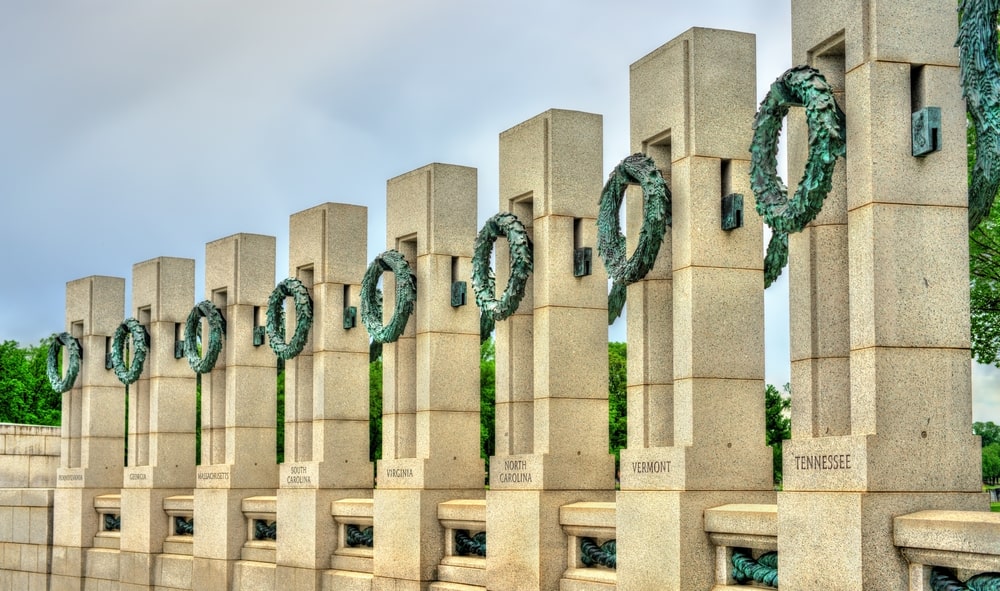
World War II Memorial

The World War II Memorial was dedicated on May 29, 2004, and was constructed to honor and memorialize those brave Americans who served in the Armed Forces and as civilians during World War II. More than 16 million people served in the United States Armed Forces during World War II, including more than 400,000 who gave their lives to the cause. While the conflict began in Europe in 1939, the United States did not enter the war until 1941, after the attack on Pearl Harbor. In the ensuing years, many Americans applied themselves diligently to the war effort, and ultimately, with many allies across multiple countries, emerged victorious.

How It Came to Be

It took several years for the memorial to become a reality. In 1987, World War II veteran Roger Durbin first approached a U.S. Representative about the construction of a memorial for World War II veterans. It took a few years, but in 1993, the Senate approved the request. Soon after, President Bill Clinton signed the World War II Act into law. After the Act passed, it took several years to raise funds, finalize blueprints, and construct the memorial.

Significant Features of the Memorial

Located along the National Mall in Washington, D.C., directly between the Lincoln Memorial and the Washington Monument, the World War II Memorial stands in stately grace at the former site of the Rainbow Pool. Prominently displayed nearby, an announcement stone declares:

Here in the presence of Washington and Lincoln,
one the eighteenth century father and the other the
nineteenth century preserver of our nation, we honor
those twentieth century Americans who took up the struggle
during the Second World War and made the sacrifices to
perpetuate the gift our forefathers entrusted to us—
a nation conceived in liberty and justice.

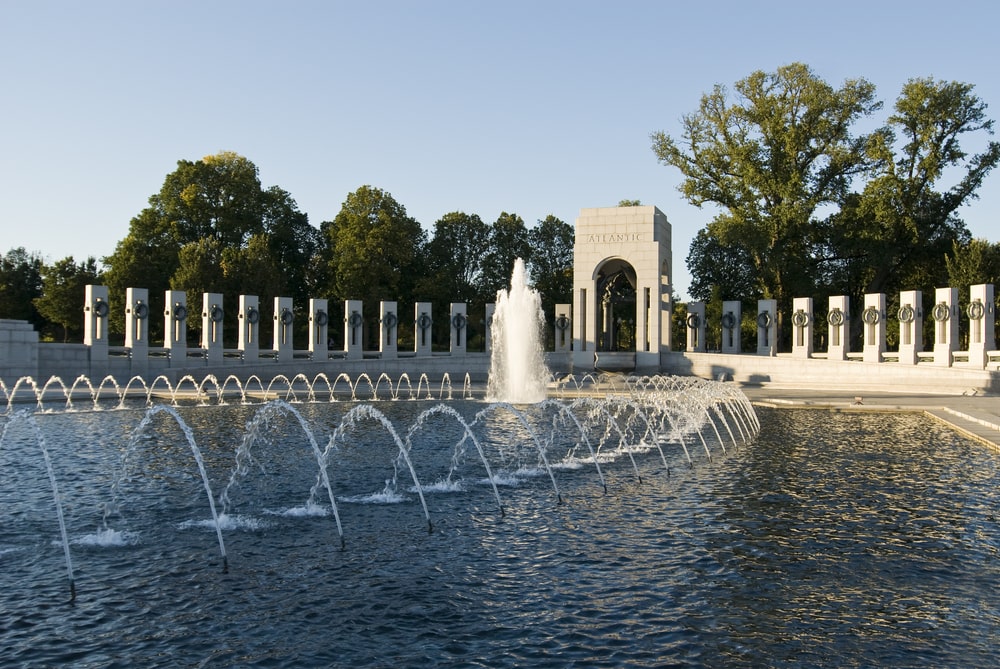
Consisting of 56 pillars, two small triumphal arches, a square, and a fountain, the World War II Memorial was opened to the public on April 29, 2004, and officially dedicated on May 29, 2004.

Surrounding a large pool are granite columns representing each U.S. state and territory at the time of World War II. Additionally, two triumphal arches labeled “Atlantic” and “Pacific” represent the two war fronts.

Perhaps the most striking feature of the memorial is the Freedom Wall. The wall displays 4,048 gold stars, representing the ultimate sacrifice paid by more than 400,000 Americans. Each star represents 100 Americans who lost their lives during the conflict. In front of the wall, an inscribed stone fittingly states, “Here we mark the price of freedom.”

Why Do We Have Memorials?

Permanent memorials ensure a lasting tribute for those who have been loved and lost. They also allow us, as people, to honor those we wish to always remember. Just as we create memorials for our heroes, we also create them for our loved ones. There are five key reasons why permanent memorials are important, whether it is to commemorate an event, a group of people, or just one person, like a close loved one.

  1. A permanent memorial provides a place for people to mourn.
  2. It gives all mourners (not just family) access to pay their respects and connect with those who have died.
  3. It provides a permanent place that will exist for generations to come.
  4. A permanent memorial allows people the opportunity to remember and reflect on the lives lived.
  5. It ensures that the dead are remembered and respected.

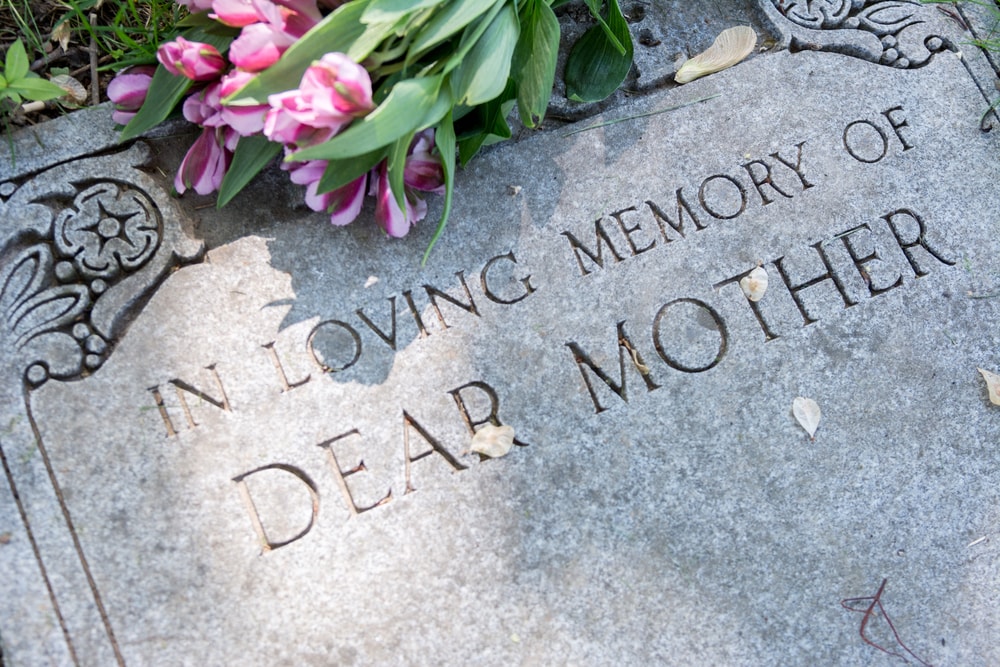
For many of our veterans, a large-scale memorial honors the group as a whole. This is the case with World War II veterans and the World War II Memorial. However, for individuals, families set headstones, grave markers, or inscriptions in place. Both types of memorialization are important and honoring to our veterans and our loved ones.
Want to Get Involved?

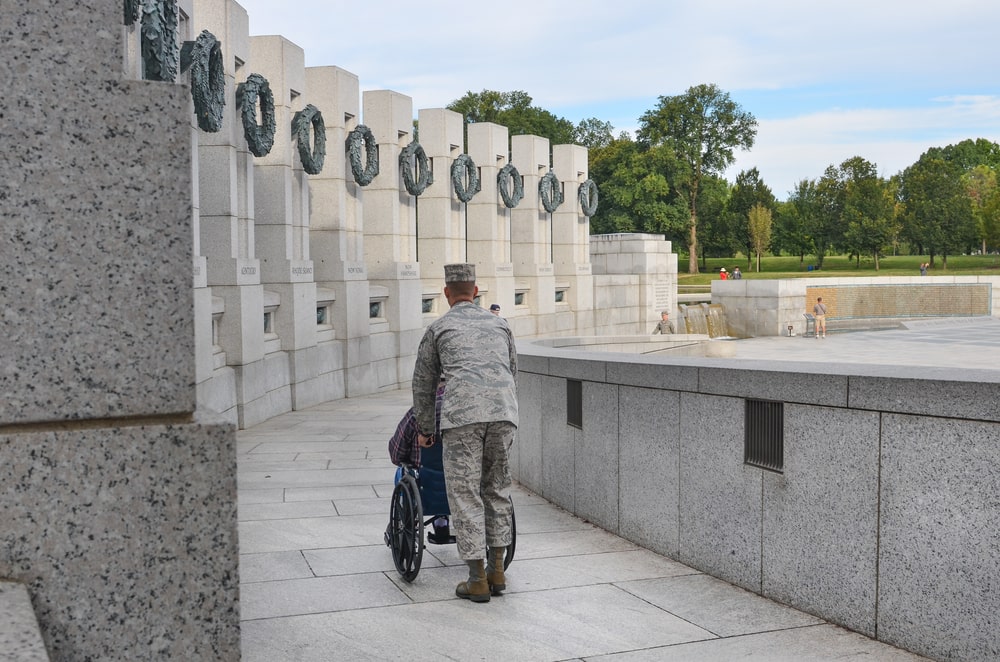
If you would like to help veterans visit Washington, D.C. and the memorials dedicated to their service and sacrifice, consider joining Honor Flight Network in making their mission a continued reality. Since 2005, Honor Flight has flown 180,261 veterans to Washington, D.C., and their important work continues.

Also, the Friends of the National World War II Memorial, founded in 2007, is “dedicated to honoring and preserving the national memory of World War and to creating the next ‘Greatest Generation’ of tomorrow.” To learn more about their mission, visit www.wwiimemorialfriends.org.


The Importance of a Memorial Tribute Video

By Explore Options, Meaningful Funerals, Memorial, Planning Tools

The death of someone loved changes our lives forever. And the movement from the ‘before’ to the ‘after’ is almost always a long, painful journey. From my own experiences with loss as well as those of the thousands of grieving people I have worked with over the years, I have learned that if we are to heal we cannot skirt the outside edges of our grief. Instead, we must journey all through it, sometimes meandering the side roads, sometimes plowing directly into its raw center.”  – Dr. Alan Wolfelt

At the beginning of every healthy grief journey is a healing, meaningful, and personalized funeral service. As you plan a funeral, consider how you can make the experience one that meets the emotional needs of family and friends left to mourn. The more personal a funeral service is, the more meaningful it will be, and one of the most important ways you can personalize a funeral is through a tribute or memorial video.

How Tribute Videos Can Bring Comfort and Healing

Captures the uniqueness of a lost loved one

First and foremost, a tribute video is an excellent way to capture the uniqueness of the one you love. You have the opportunity to share their life story – the daily moments, the milestones, and the people who made it all worthwhile. You can use photographs, video clips, audio recordings, favorite quotes, and more to make the video a fitting tribute to your loved one. By doing this, you draw others into your loved one’s life story and stimulate their own memories.

Adds a meaningful element to the service

Dr. Wolfelt tells us that “funerals are most meaningful when they are personalized tributes to the unique life and relationships of the person who died.” A video tribute allows you to personalize the funeral service. You can use favorite songs to accompany the photos, video clips, and other features you choose to utilize. This is an opportunity to invite mourners to engage with their emotions, remember your loved one, and acknowledge the pain of loss.

Allows everyone time to reflect on their memories

Not only does a tribute video showcase the uniqueness of your loved one and provide a meaningful element to the funeral service, it also allows mourners to reflect on their own memories. This is an important aspect of making a funeral a healing experience. As Dr. Wolfelt stated, “we cannot skirt the outside edges of our grief…we must journey all through it.” A tribute video opens the door for others to reflect on and engage with their own memories.

Comforts surviving family members and friends

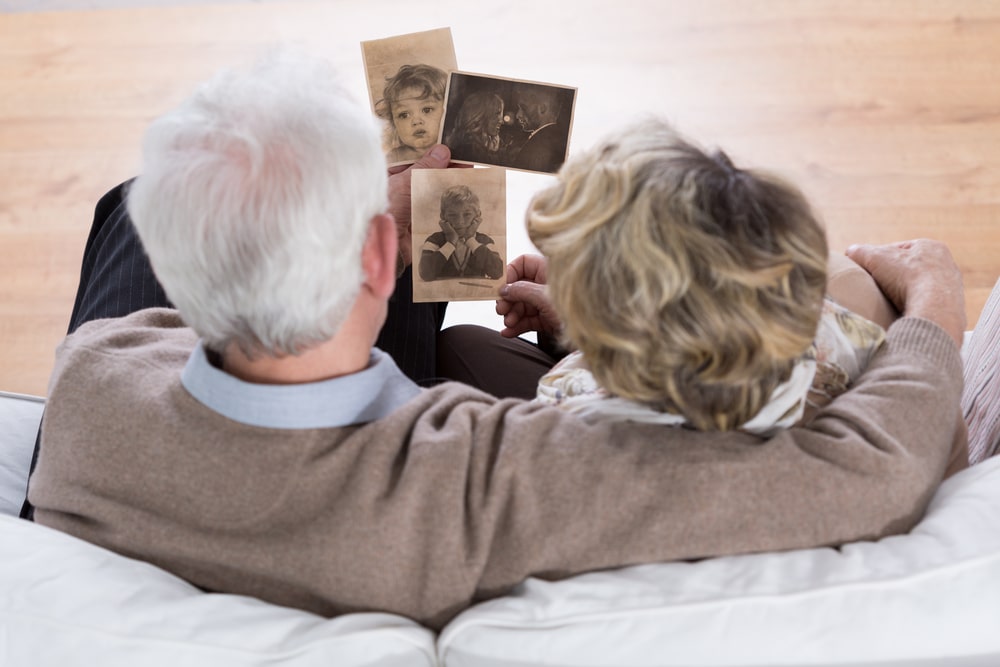
A tribute video can offer comfort in much the same way that a treasured possession, an article of clothing, or a photograph would. Just as we may have a go-to book or movie when we want to be comforted or feel close to someone or something, a video can serve a similar purpose. In those moments when you need to feel close to your loved one, to see their face, to remember their life, you can watch the video as you grieve their absence.

Doubles as a keepsake for family and friends

Practically speaking, a tribute video makes a simple but meaningful keepsake for family and friends. At some services, the attendees are invited to take a token in remembrance of the one who has died. This action allows each mourner to feel strongly associated with the one they have lost. By giving a tribute video as a token, you provide an opportunity for them to continue to explore their feelings of loss and relive their cherished memories even after the funeral.

Offers a way to share your loved one’s life with future generations

Lastly, a tribute video provides a way to share your loved one’s life with future generations. You will likely have children and grandchildren who will want to know about your life and the people you loved who have already gone. When the questions arise, a tribute video can supplement the tales that you tell and give them a picture in their minds of the life your loved one lived. This may be an especially important exercise for children who’ve lost a parent.

Whether you decide to utilize a tribute video or not, you can plan a meaningful and healing funeral. The tribute video is just one way that you can personalize a funeral. For more ideas on how to personalize a funeral, take a moment to read 6 Ways to Personalize a Funeral. This article will give you some ideas, but only you know the best way to create something truly beautiful that reflects your loved one’s life, values, relationships, and ideals.

5 Reasons to Establish a Permanent Memorial

By Cemeteries, Explore Options, Memorial, Planning Tools

When we lose someone we love, our feeling of connection to them continues, even though they are no longer with us physically. It is this connection that contributes to our feelings of loss, that makes it so difficult to process death and move toward healing and reconciliation. And today, as cremation continues to rise as a preferred method of final disposition, one very important element of the healing process is being forgotten: the need for a permanent memorial.

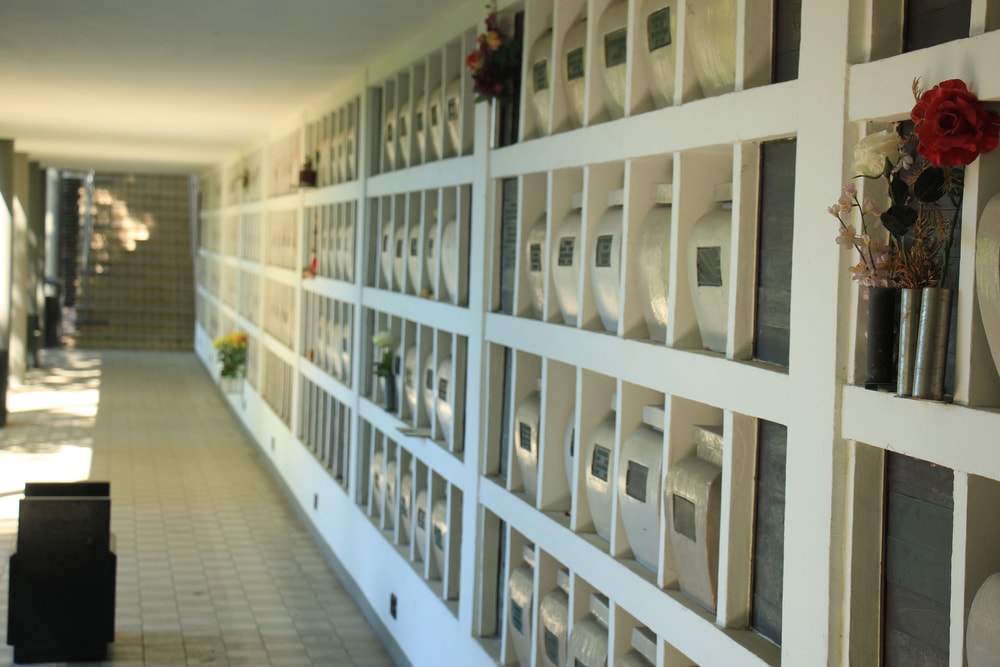
In some areas of the United States, there has been a significant increase in the number of families that keep the cremated remains of a loved one in their homes. While this is not bad in and of itself, it may create unforeseen difficulties down the road. Unfortunately, it is not unheard of for cremated remains to be misplaced, accidentally knocked over and spilled, or even found in the trash or unknowingly donated to thrift stores.

That said, here are 5 reasons why you should consider establishing a permanent memorial for yourself or a loved one:

1. It provides a place for people to mourn.

By establishing a permanent memorial, you provide a place to mourn. If a loved one dies, and one person keeps the cremated remains, it may be difficult for other family members to find a place to go to remember and honor their lost loved one. After all, everything that remains of the person may be inaccessible without inconveniencing the one who possesses the ashes. A permanent memorial allows any person access to the one who has died. Because everyone grieves in different ways and at different rates, a specific place is beneficial for individual grief journeys.

2. It gives all mourners (not just family) access to pay their respects and connect with the one who has died.

Additionally, a permanent memorial provides an established location for non-family members to mourn. For example, if the best friend of the person who has died wants to connect with them, to talk with them, they may have no place to go where they feel as strong a connection as a permanent memorial would provide. In this same vein, it’s not uncommon to see permanent memorials for those who have died due to acts of violence or vehicular accidents. We do this because we have a need to remember, to remind, and to honor the life lived.

3. It provides a permanent place that will exist for generations to come.

Cemeteries, mausoleums, or cremation gardens will exist for many years to come. The oldest maintained cemetery in the United States is in Massachusetts, where several voyagers from the Mayflower are buried. People show great interest in their origins, and because of this curiosity, cemeteries will receive visitors consistently. They provide a permanent place for families to reconnect with their ancestors, even those who died long before they themselves were born.

4. It is practical for the family.

Dr. Alan Wolfelt, a nationally-known author, speaker, and grief expert, tells us that establishing a permanent memorial is a practical choice for the family. “Families can rest easy knowing that the cremated remains [of their loved one] are being taken care of in perpetuity. …Having to pass along urns to the next generation or amassing more and more urns on a shelf…is not a viable long-term solution.”

5. It ensures respect for the dead.

Keeping the cremated remains of a loved one at home can be an important part of the healing process. It all depends on what the mourner needs. But, out of respect for the one who has died, to ensure that nothing unfortunate happens to them when you are gone, it’s best to consider how you can permanently memorialize them. Dr. Wolfelt puts it this way, “It’s about respect for the dying and the dead. Permanent memorialization is one of the most important ways in which we as a culture can ensure that respect [is carried out] ….”

It’s perfectly fine to wait to set up a permanent memorial. For some, it’s necessary to have a loved one nearby during the healing process. But, in three, five, or even ten years, consider the benefits of setting up a permanent memorial. It will ensure that your loved one is cared for long after you are gone.

Skip to content