All Posts By

Kaylan Frank

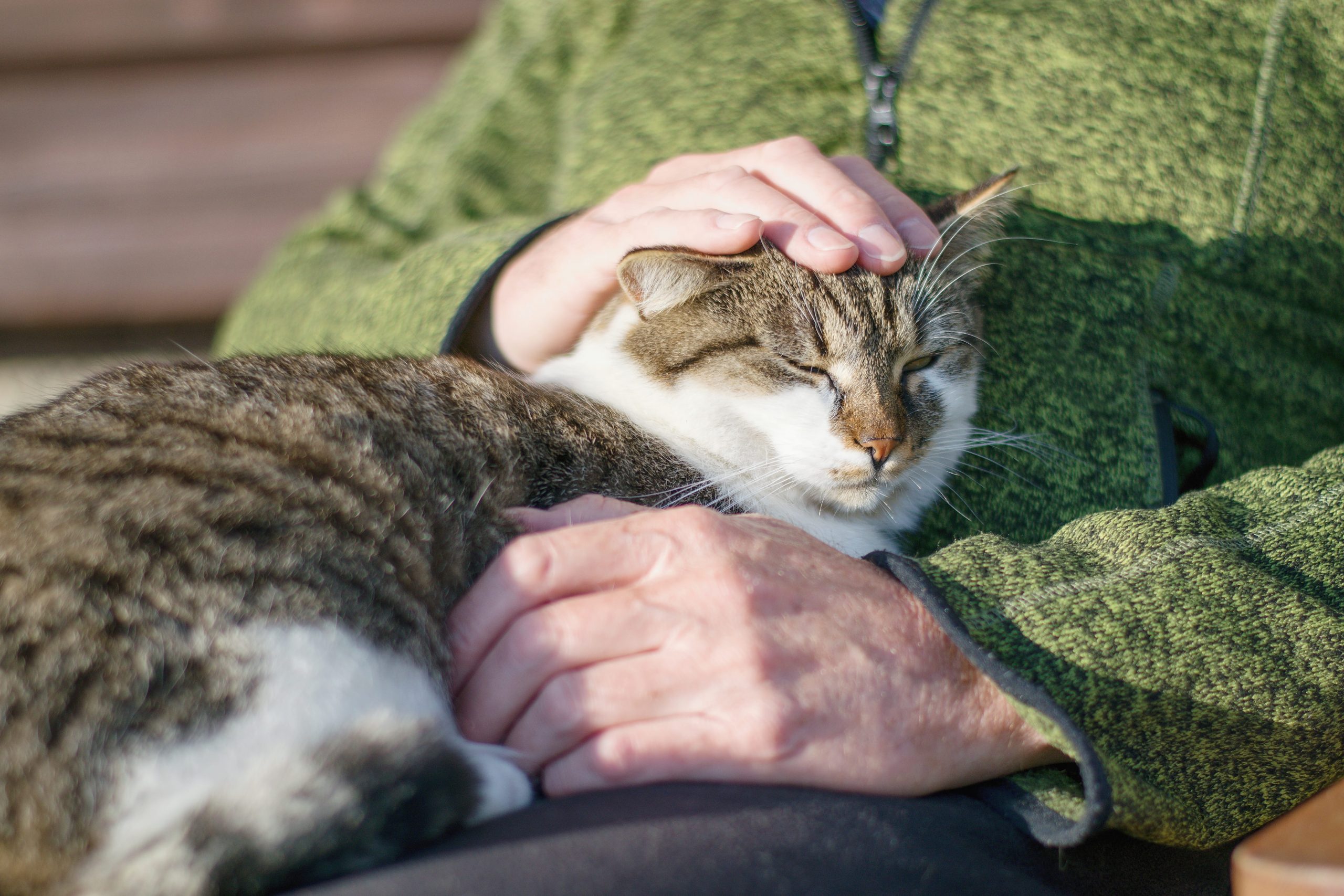
man petting cat

Understanding the Benefits of Pet Therapy for Hospice Patients

By Educational, Hospice, Pets

Hospice patients and their families carry a tremendous emotional weight during the transition to end‑of‑life care. During the difficult moments, they often seek joyful moments and opportunities for meaningful experiences to help alleviate the stress that comes with this trying time.

While hospice care alone is designed to improve quality of life for terminally ill patients, pet therapy can add a powerful source of connection and comfort. But what is pet therapy, and how does it benefit hospice patients?

man petting catWhat is Pet Therapy?

Pet therapy provides hospice patients with comfort and support through companionship with a qualified furry or feathered friend. This kind of therapy uses animals to lift the spirits of those who are facing life’s final chapter and dealing with the anticipatory grief that accompanies it. Also referred to as animal-assisted therapy, or AAT, pet therapy provides animals that are trained to help reduce stress, improve overall mood, and promote physical activity for those in hospice care.

elderly couple with dog

How Can Hospice Patients Benefit from Pet Therapy?

1. Emotional Encouragement

Pets bring joy by improving moods, decreasing feelings of isolation, and providing companionship to even the most difficult-to-reach patients. This type of therapy provides a sense of purpose for patients and can help reduce negative feelings towards other forms of therapy, like physical or occupational, when they have a furry friend alongside them.

2. Mental Support

Pet therapy increases mental stimulation and has the potential to evoke cherished memories of a beloved pet or childhood experience. Companionship from a therapy animal can release hormones like oxytocin, serotonin, and prolactin, boosting moods and promoting relaxation.

3. Physical Benefits

Pet therapy also has proven physical health benefits. Studies show that petting an animal can lower blood pressure, decrease heart rate, and promote overall well-being. Additionally, when a therapy pet is around, hospice patients are generally more motivated to exercise by playing, cuddling, petting, or walking their animal companion. And in some cases, a therapy animal can even assist with physical and occupational therapy.

4. Social Empowerment

Animal-assisted therapy visits reduce loneliness and boredom by providing a companion that patients can form a different type of connection with, offering them an outlet for their emotions. Sometimes, patients who don’t readily engage with others will open up and interact more easily with an animal. This can be especially beneficial for those with dementia or Alzheimer’s who might struggle to communicate comfortably.

Overall, pet therapy offers a range of advantages to address various needs among hospice patients. They can bring joy, comfort, and a sense of fun companionship to those who may feel lonely or are in search of connection. All patients, regardless of allergies or mobility restrictions, can benefit from the program and experience the company and joy of engaging with compassionate animals.

yellow cockatiel

Which Animals are Commonly Used in Pet Therapy?

Dogs

Dogs are great at sensing subtle human emotions and using their presence to bring comfort. Fully trained therapy dogs and their handlers can visit hospice patients a couple of times a month, or sometimes weekly, to provide companionship and build relationships.

Cats

Cats bring a playful, loving, and quiet presence and are among the most requested pet therapy animals. While cats cannot be trained in the same way therapy dogs are, they can learn specific cues and perform tricks to bring joy to those receiving hospice care.

Miniature Horses

Miniature horses, now the second most common therapy animal, are ideal for individuals who need a calm and gentle companion. Considered a light activity, grooming and petting a miniature horse provides sensory input and supports motor skills.

miniature horse grazing

Rabbits

Rabbits are a great alternative for patients who are allergic to cats or dogs. They can fit in someone’s lap as a cuddly companion for plenty of petting, which is a comforting activity that provides great tactile stimulation.

Birds

Birds are fun and unique therapy companions. Although they require a great deal of training before being ready to serve, their cheerful behavior brings a lot of entertainment and laughter to patients and their families.

Pigs

Pigs are highly social and intelligent animals that can easily pick up on a person’s emotional state. They can also lend a helping hoof with physical and occupational therapy, supporting patients who are working on mobility!

nurse/vet holding rabbit

What are the Benefits for Family Members?

While it can be heartbreaking to witness the mental and physical decline of a loved one, pet therapy offers a unique source of comfort and joy, not only for patients but also for their families and caregivers. The playful nature of a cat, the cheerful chirp of a bird, or the soothing presence of a rabbit can create memorable moments that might otherwise feel out of reach.

These interactions often provide families with rare opportunities to connect meaningfully, such as when a loved one lights up at the sight of an animal after being difficult to engage person-to-person. Or someone who grew up around horses but now struggles with communication may experience a flood of cherished memories when meeting a miniature horse, turning an ordinary day into something extraordinary. Such encounters can bring joy to the patient’s family and remind them of the profound impact of meaningful connection.

family with nurse and dog

As pet therapy grows in popularity, research reveals increasingly unique and powerful connections. This form of therapy has been proven to lift patients’ spirits and create meaningful opportunities for connection, thereby improving their mood and supporting other types of therapies they may require. The benefits of pet therapy are astounding, so if you have a loved one currently in hospice care, consider speaking with your hospice care team about inviting a therapy animal for a visit.

Colorful stack of printed photographs

Sharing Your Story with Legacy Projects

By Educational, Grief/Loss, Memorial

Acknowledging our own mortality can feel uncomfortable, but deep down, we all want to be remembered after we’re gone – not just for the things we accomplished, but for who we are. Every person’s life tells a unique story, a treasure trove of wisdom, love, and experiences worth sharing. Unfortunately, too many of our loved ones’ stories go untold, but it doesn’t have to be that way. Legacy projects offer a meaningful way to share your story and support your family through the grief that comes after losing a loved one.

What are Legacy Projects, and Why are They Important?

Legacies come in many forms. Some are tangible, such as heirlooms or lasting contributions, while others are intangible, including the values we pass on and the memories we leave behind. Legacy projects help preserve your values, knowledge, and contributions in a meaningful way. They also allow you to weave your story with intention, building a bridge between your past and your family’s future.

Comfort, two people holding hands

But how do legacy projects benefit both you and your family? Legacy projects can create a map of meaningful moments that benefit both you and your loved ones on the journey through grief.

  • For you: This kind of project encourages reflection, providing emotional clarity while also giving you a way to pass down valuable insight, skills, and traditions. It could become a legacy that future generations continue, honoring your memory and the impact you’ve made.
  • For your family: Cherished keepsakes can serve as a physical reminder of you, providing comfort after you’ve passed. A project built around your story can bring people together and create a new tradition of sharing your life with those yet to come.

Additionally, Dr. Alan Wolfelt, a nationally respected grief counselor and author with decades of experience helping the grieving, talks about how going backward through memories can bring comfort: “In my experience, remembering the past is the very thing that eventually makes hoping for the future possible. Mourners’ lives will open to renewed hope, love and joy only to the extent that they first embrace the past.” By helping your loved ones embrace the past, you help them process their grief and move forward to the good the future holds.

Colorful stack of printed photographs

How to Choose a Legacy Project

When you set out to create a legacy project, knowing where to begin can be a challenge. Here are three thoughtful questions to consider if you’re ready to get started! These questions are designed to help you tune in, connect with your passions, and start shaping a project that truly reflects who you are.

How do you want to be remembered?

Take time to reflect on what is most important to you – your values, impact, and the legacy you hope to leave behind. Set aside time each week for quiet reflection. Keep a journal or notepad nearby to jot down your thoughts as they arise. Additionally, looking back at photographs, journals, or cherished memories can help guide you towards what project you want to create.

What has been meaningful about your relationships?

If you and a loved one shared an interest, then you might consider a legacy project around that shared topic. For example, if you and your daughter love going to see plays at the theater, you could create a scrapbook with photos, playbills, and ticket stubs. After gifting the project to your daughter, it will become a gentle invitation to revisit memories of you. Do you have a Sunday breakfast tradition with your grandchildren? You could create a Family Breakfast Cookbook and fill it with handwritten recipes, along with notes about the memories tied to each one. Like when your grandson flipped the pancakes too early, or the eggs you scrambled perfectly together. Think through your relationships and consider who might benefit from a legacy project based around a shared interest.

Hands baking together

Do you have any hobbies that bring you joy or help you unwind?

Think about activities that are meaningful to you. Whether it’s knitting, baking, collecting, writing, painting, reading, or traveling, you can use your talents to create a legacy project that truly reflects who you are. Do you have a favorite spot at the park, a timeless handmade quilt, or an assortment of vintage cameras that you once used to document your travels? Whatever you choose, you can turn what you love into a lasting legacy.

If you get stuck, ask your family members or close friends for brainstorming help or reach out to those who may want to be involved in preserving your legacy after you’ve passed.

More Ways to Share Your Story

Even with the questions above to help, you may still feel unsure about where to begin. Here are some more suggestions to ignite your own imagination and get your ideas off the ground!

For the writers:

Journals or letters filled with words of wisdom are a powerful way to pass down values and life lessons to your loved ones when advice and encouragement are needed. You can even write letters for memorable milestones like graduations, weddings, and other life events.

For the sentimental:

Photos and photo albums, both physical and digital, can serve as visual stories to spark conversations. Memory capsules are another way to pass sentimental items on to your loved ones to help them heal.

For the foodies:

Do you have a secret recipe, or is there a dish you make that everyone loves? Creating a recipe book or curating a box of favorite recipes is a meaningful way to pass your legacy down through the memories tied to smell and taste.

Box of recipes

For the tech-savvy:

Digital videos and voice recordings are an excellent way for your loved ones to revisit time spent with you. This type of project will help preserve your laughter and presence in a form that can be replayed, bringing comfort and maybe even joy in grief.

For the adventurers:

Talk with your loved ones about meaningful memorials. Have you thought about a bench in your favorite park or a plaque at your most visited ballfield? Additionally, if you’re considering cremation, you might ask your family to scatter your remains in a place that holds special meaning.

For the collectors:

Your treasured collections, such as cameras, art, model trains, or sports memorabilia, carry stories and significance. Passing them on as meaningful gifts ensures that your interests continue to inspire.

Collection of cameras

For the creatives:

Do you have a portfolio or print pieces that include photography or paintings you’ve created? Have you written poetry or music that you would like to be kept in the family? These items can offer comfort and connection, helping your loved ones feel close to you through art or music.

For the readers:

Some books have been in the family for generations as cherished heirlooms. For example, a father or grandfather might read a story every holiday season, and family members may want to carry on the tradition! If your collection holds sentimental or historical value, consider how you’d like it to be preserved.

For the philanthropists:

Do you have a favorite nonprofit organization that you regularly donate to? Would you like for someone in your family to continue supporting a cause in your name? Discuss the possibility of donating to a foundation of your choice with your loved ones.

For the old souls:

Does your family have a special tradition or any beloved items that have been passed down through generations? Family Bibles, antique furniture, jewelry, and quilts can be wonderful items to pass down through the family tree.

colorful quilt collection

Start Telling your Story Today!

Hopefully your creativity is sparking, and you’ve come up with an idea for a legacy project (or even several!). While it may be uncomfortable to think about the end of your life, there’s comfort and healing in telling your story.

A gentle exploration of how you want to be remembered can be a powerful and grounding experience. Completing a legacy project and gifting it to someone you love creates an emotional impact that lasts. For years to come, they’ll have something that’s tangible and meaningful to help them connect back to you. How would you like your story to be told?


Skip to content