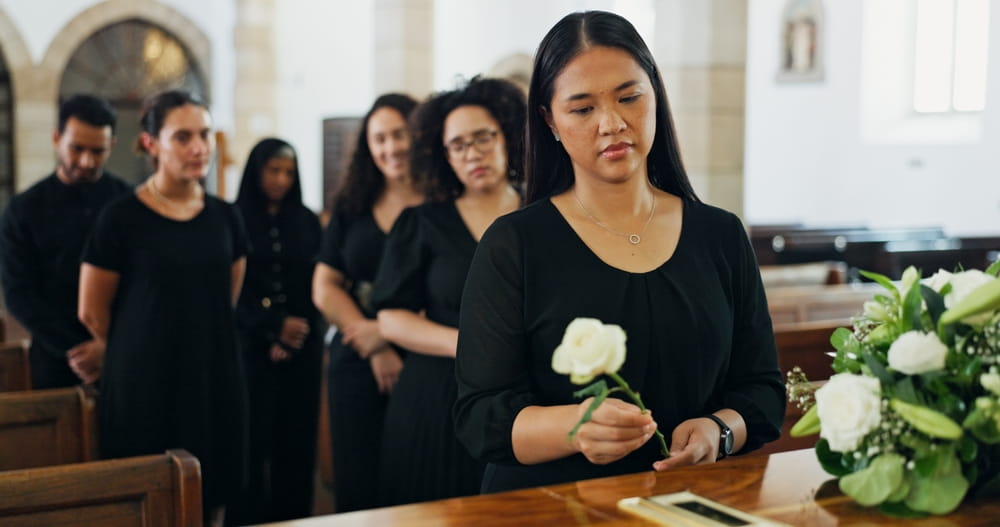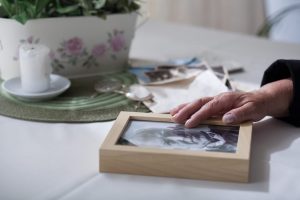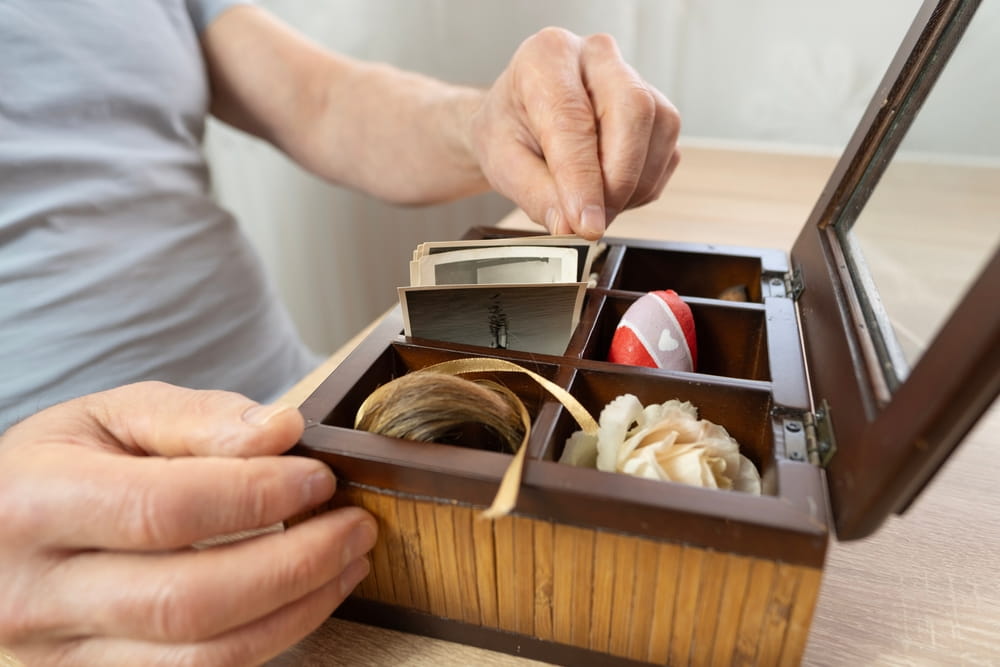
When you lose someone special, whether a close family member or dear friend, you may feel a deep longing to keep their memory close. Memorial keepsakes provide a meaningful way to honor that lasting connection as you move through your grief journey. Let’s explore a bit about what memorial keepsakes are and how they can help you heal.
What Are Memorial Keepsakes?
Simply put, memorial keepsakes are objects dedicated to honoring the memory of your lost loved one. Keepsakes come in many forms, such as a photo collage, a shadow box with flowers, or a fingerprint necklace. You can choose the one that feels most meaningful to you.
But how exactly can memorial keepsakes become a valuable source of support throughout your healing journey? Let’s look at how keepsakes offer solace after a loss.
 Memorial Keepsakes Create a Visual Reminder
Seeing a keepsake that reminds you of your loved one is a visual reminder that their presence remains an important part of your life. Bringing this familiarity into your home can help you feel at peace in the place where you spend the most time.
Choosing a location for the keepsake is just as important as the item itself. When you walk past a photo of your loved one on the mantel or see a quilt made from their shirts on your couch, you have the reassurance of knowing they are still close. Having these visuals nearby creates a gentle, daily reminder of their lasting presence.
 Memorial Keepsakes Evoke Cherished Memories
Memorial keepsakes can bring to mind memories and good times spent together. Keepsakes help you remember the happy moments you shared and provide support during difficult times.
When you allow yourself to laugh or smile and remember the happiness your loved one brought into your life, you can find peace. You might pull out a photo album or reread old letters to remind yourself of your favorite memories. When you take the time to revisit keepsakes, you can move forward knowing that your loved one will always be a part of your story, and you have something to reflect on and hold dear.
 Memorial Keepsakes Act as a Grounding Influence
When emotions feel overwhelming and you’re missing your loved one, physical memorial keepsakes can ground you. They can help you feel connected to your loved one in the moment and ease your feelings of grief.
After losing someone, important dates like birthdays, anniversaries, or holidays are all times you may feel the weight of loss more deeply than on other days. During these moments of grief, you can turn to a memorial keepsake for strength.
You might choose to wear an engraved necklace with your loved one’s handwriting or carry a remembrance stone in your pocket when leaving your house. If going to holiday events or family gatherings makes you feel anxious, having a tangible keepsake close at hand gives you an anchor to steady yourself in the present and find a moment of calm.
 Memorial Keepsakes Encourage Conversation
Memorial keepsakes can serve as a bridge to meaningful conversations. When you lose someone, it’s normal to miss having meaningful conversations with them. But a memorial keepsake allows you to keep those conversations going.
If you welcome visitors into your home, a displayed memorial keepsake can act as a reminder of your loved one and spark conversation among guests. A cherished keepsake can encourage family and friends to share favorite memories, opening the door to starting conversations that help you heal. These shared stories will fill your home with warmth and connection as you reminisce together about your loved one.
In private, a memorial keepsake can be a chance to talk to your loved one aloud, share what is on your mind, or simply say, “I miss you.”
 No matter when or where you need comfort, memorial keepsakes can help ease your burden, give you permission to grieve, and allow you to revisit favorite memories of your loved one. With a special keepsake close by, you can support your healing and move forward as you learn how to navigate life without them.