
Have you ever heard of natural organic reduction? If you haven’t, don’t worry! Today, we’re going to discuss some frequently asked questions about this new service option, so that you can be informed when making end-of-life decisions. Let’s get started!
What is natural organic reduction?
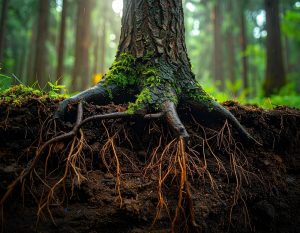
Natural organic reduction is the process of transforming human remains into nutrient-rich soil through controlled natural decomposition. Washington State was the first to legalize natural organic reduction, and other states have followed suit since then. Both gentle and sustainable, natural organic reduction is considered a “green” funeral option and has become an eco-friendly alternative to classic burial and cremation.
Does natural organic reduction go by any other names?
Yes, you may come across several names as you research this service option. In addition to natural organic reduction, you may find it called human composting, soil transformation, recomposting, recomposition, and terramation.

How does the natural organic reduction process work?
Typically, the process occurs in phases and can take 8 to 12 weeks to complete. The body is laid in a specially designed vessel and surrounded by wood chips, alfalfa, and straw. Over the next several weeks, microbes created by these natural materials will accelerate the decomposition process and break down the body, resulting in nutrient-dense soil. There will then be a curing period of three to five weeks before the soil is returned to the family.
Is natural organic reduction more eco-friendly than other traditional options?
Research has found that natural organic reduction uses 87% less energy than traditional burial or cremation. Additionally, the soil created through the natural organic reduction process can nurture the ecosystem by filtering water, providing nutrients for plants, and releasing carbon in a way that is less harmful to the environment.
Can I have a funeral service with natural organic reduction?
Yes, you can have a service! There are several options, and the funeral home staff can review them with you. Most commonly, you can:
- Have a service before the natural organic reduction process has begun,
- Have a memorial service (no body present) at any time, or
- Wait until the soil has been returned to you and host a scattering/tree planting service, memorial service, or whatever kind of gathering you prefer.
No matter what you choose, personalizing the final tribute is a meaningful way to celebrate and honor the essence of your loved one’s life and legacy.
Is there anyone who isn’t eligible for natural organic reduction?
Body size and weight do not matter, but there are a few things that will disqualify a person from being eligible for natural organic reduction.
- The natural organic reduction process destroys most harmful pathogens. However, there are three rare diseases that disqualify a body: Ebola, prion diseases such as Creutzfeldt-Jakob Disease, and active tuberculosis.
- For patients who have received radiation seed implants, the seeds must be removed, and 30 days must pass before they are eligible for natural organic reduction.
- Embalming disqualifies a body for natural organic reduction, so any bodies donated to science are ineligible. However, you can be an organ donor and still choose natural organic reduction.
What happens to bones, teeth, and implants during the process?
Bones and teeth: Because of their mineral composition, bones and teeth do not fully break down during the natural organic reduction process. However, once the soil is ready, the bones and teeth are removed and then ground into a fine powder. The bone powder (ashes) is then added back to soil and will further enrich its nutrient-density.
Implants, artificial limbs, and tooth fillings: Once the process is complete, the soil is screened for non-organics like implants, artificial limbs, and tooth fillings. When possible, these items are recycled.
Pacemakers: If a pacemaker is present, it will be removed before the natural organic reduction process begins.
How much soil does that natural organic reduction process create?
The amount of soil created really depends on the size of the person and how much plant material (wood chips, alfalfa, straw) was used during the natural organic reduction process. After choosing a service provider, you can ask how much soil their specific process creates.
What can you do with soil created by natural organic reduction?
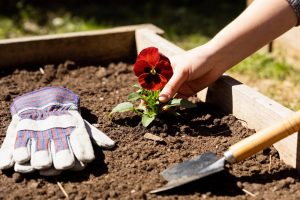
Once the soil is returned to your family, you can use it to create a garden, plant a memorial tree, scatter it in a natural environment, or whatever else you’d prefer. You can place the soil on private property with permission from the owner. However, with public spaces or conservation areas, check local guidelines and ordinances first.
Alternatively, many service providers also partner with at least one non-profit land conservation organization. Rather than take the soil home, you can donate it to a land conservation project, and it will be used to restore forests and revitalize protected areas.
Can the soil be shipped?
Yes, shipping to most locations in the United States is available. However, due to the variety of regulations involved, international shipping is generally not available. To get specific information, speak with your chosen funeral home about shipping costs and regulations.
Can I have a grave marker if I choose natural organic reduction?
Typically, families choose to scatter or bury the soil, use it in gardening, or donate it to a conservation partner to help nourish the land. If you wish to commission a grave marker, you certainly can. However, keep in mind that there likely won’t be a traditional gravesite where you can place a grave marker. You will need to be creative with your placement or opt for a plaque or memorial stone instead.
How does the cost of natural organic reduction compare to other funeral options?
Pricing generally depends on the provider you use and the state you live in. However, many providers are actively keeping the cost comparable to burial and cremation.

Where is natural organic reduction legal?
As of February 2026, natural organic reduction is legal in 14 states: Arizona, California, Colorado, Delaware, Georgia, Maine, Maryland, Minnesota, Nevada, New Jersey, New York, Oregon, Vermont, and Washington. More states are likely to approve this final disposition option in the years to come, so speak with a trusted funeral professional if your state is not listed.
Can you preplan with natural organic reduction?
Absolutely! The only difference is that you should look for a funeral home that offers natural organic reduction as part of their service offerings. If you do that, then the funeral planning process will be seamless for you and your family.
Hopefully, you now feel more informed about natural organic reduction! If you’d like more information, reach out to a trusted local funeral home. Even if they don’t offer natural organic reduction themselves, they can point you in the right direction.