Category

Seasonal

How Family Interviews Can Make Your Thanksgiving Memorable

By Exclude from Top Posts, Seasonal, Thanksgiving

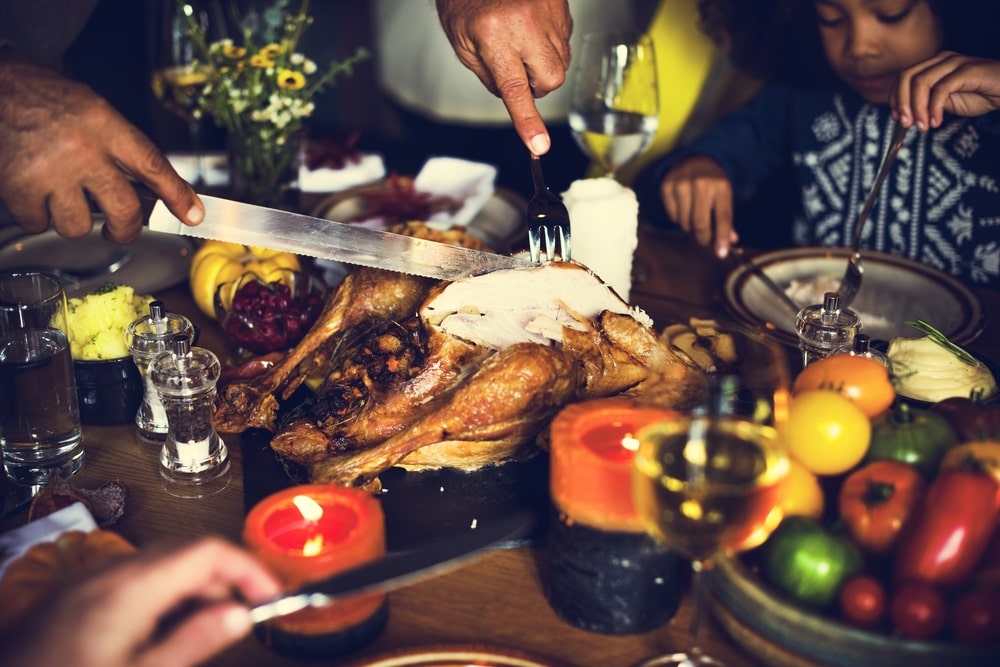
Thanksgiving is about reflection, remembrance, gratitude, and time spent with loved ones. Too often, we take our time on earth for granted, and before we are ready, a loved one is gone. While we are always aware that death will come one day to those we love, we aren’t prepared for that difficult day. But what if you could preserve the memory of your lost loved one, the stories of their life, the tone of their voice, and their beloved quirks of habit by conducting family interviews?

If the idea appeals to you, sit down with your living loved ones for an oral history interview. But what is an oral history interview, you may ask? Essentially, it entails intentionally spending time with someone, asking questions and recording answers. You may also see this practice called a family history interview or a life interview.

Why Should I Do This?

First and foremost, it’s a tangible way to show someone you love them. By sitting down with someone, spending one-on-one time with them, asking questions and sharing conversation, you add value to your and your loved one’s lives. You make them feel loved, appreciated, and that they are important to you. Also, think about what you could learn from your loved one’s successes, or even more importantly, from their mistakes? Did you know that your loved one used to go swing dancing every Saturday night as a young person? Did you know how they felt when their first child or grandchild was born?

People are simple and yet complex. So much of our lives take place internally. By asking questions, you can begin to know your loved one even more intimately and learn things about them that you may never have known.

Secondly, it’s a practical way to preserve family history for future generations, to discover the stories that bind our families together. In today’s world, so many people are interested in where they came from, what their ancestors were like, and what kind of life they lived. New websites pop up every day related to genealogy and family history. Do you want future generations to know something about your loved one? Take the time necessary to preserve your family’s story.

Thirdly, when the day comes that your loved one is gone, hopefully after a long and fulfilling life, you can take the information you’ve gathered and create a meaningful funeral service. Additionally, if you video your interviews, you will have priceless footage to use in the creation of a special tribute video that will be meaningful for the funeral service but also for future generations of family.

senior mom with her middle-aged daugther, smiling and hugging, wearing light pink blouses.

Who Should I Interview?

Whoever you want (but make sure to ask for permission first). You can interview your mom, dad, grandparents, aunts, uncles, a next door neighbor, or anyone else. You could even go down to an assisted living establishment and ask permission to interview some of the residents. Your interest in their lives might just make their day.

How Do I Do This?

  1. Determine what questions you will ask.

The first step is to decide what questions you want to ask. Thankfully, resources exist online that share in-depth, open-ended questions that you can ask your loved one. There are tips on interview etiquette, how to set goals for your interviews, and how to help everyone be at ease and enjoy the time together.

  1. Select a documentation medium.

The second step is to decide what medium you want to use to record your interviews. Some options are:

  • Handwrite everything in a special journal
  • Type everything on a computer
  • Use an audio recording app or other equipment
  • Film the interviews using a phone or other equipment
  • A mixture of these options or something else that’s easy for you
  1. Spend quality time with your loved one.

Lastly, go spend time with your loved one. Start this Thanksgiving Day! If you need more time (and you probably will), talk to them and decide what day and time is best for a chat, whether in person or over the phone. Let the conversation flow naturally. Don’t get hung up on trying to get all your questions answered at once. Just be there and absorb. Remember, you won’t get everything recorded in one sitting. Take time, and have fun!

Yes, Thanksgiving is a time when families come together, enjoy each other’s company, and share laughter and memories. This year, what better way to show your thankfulness for your loved ones than by intentionally getting to know more about their lives?

Honoring our Veterans on Independence Day

By Exclude from Top Posts, Seasonal, Veterans

This Fourth of July, many will gather for swim parties, burger grilling, and firework displays. We do these things because we want to reflect the American spirit on the day that commemorates the formation of our country. But the holiday also offers us a chance to honor the veterans who have made extraordinary sacrifices in service to this country. To better understand how Independence Day relates to our veterans, we must first examine the history of the holiday.

The Backdrop

The historical event that the holiday is based on, the creation of the Declaration of Independence, occurred during the Revolutionary War. While the Declaration of Independence formally announced the separation from Britain, the seeds of revolution grew over a period of 10 years. Years earlier, in 1765, Britain passed the Stamp Act, which was a direct tax on any material printed by the American colonists. The actual cost of the tax was less disturbing to Americans than the precedent that it established; Britain felt free to impose a level of control upon the colonies that the founding fathers were uncomfortable with.

No Taxation without Representation

The colonists resisted the tax, and Britain responded by imposing more taxes. Over the next few years, a pattern began to form: the colonists rebelled against legislation that they found unfair, Britain responded by tightening the screws, the colonists protested more vehemently, and the laws continued to get stricter and stricter.

In 1973, Boston passed the Tea Act. The colonists responded by hurling East India Company tea into the Boston harbor in the event that came to be known as the Boston Tea Party. This act put an even greater strain on the relationship between Britain and the colonies, and full-scale war was soon to follow.

On April 19, 1775, Paul Revere completed his famous ride, warning the American soldiers of the arrival of the British. Hoping to gain military supplies, British soldiers headed for Concord, only to be stopped at Lexington by American gunfire. After a brief skirmish, the colonists retreated, and British troops pressed on to Concord. But at Concord, the colonists gained the upper hand, and the British retreated to Boston. This victory for the colonists marked the beginning of the Revolutionary War.

The Declaration of Independence

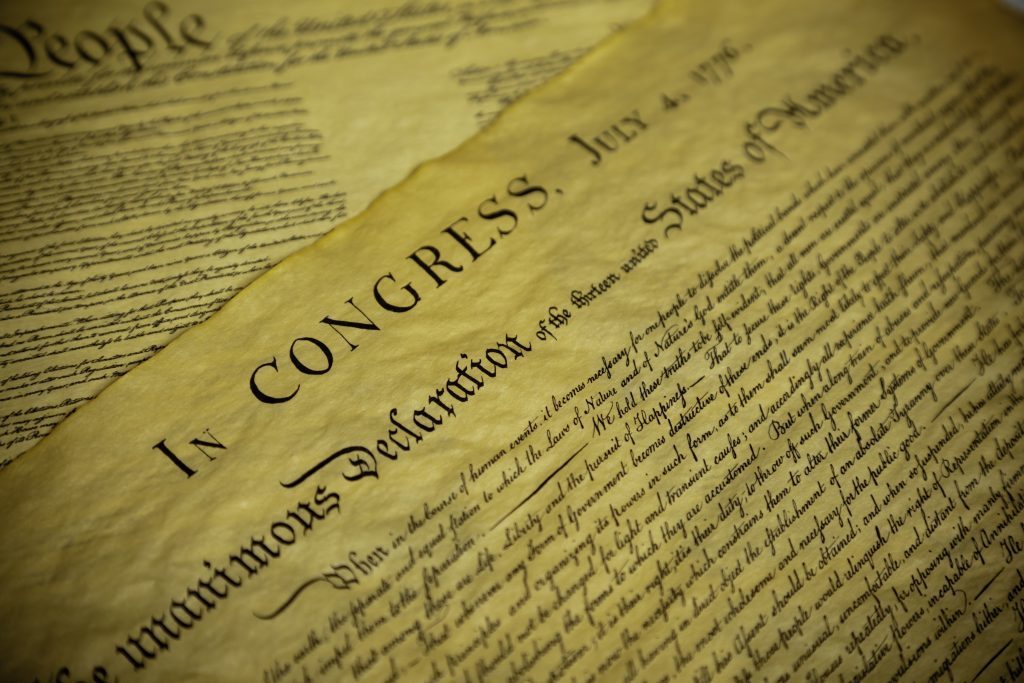
On June 11, 1776, a little more than a year after shots were fired at Lexington and Concord, a committee at the Second Continental Congress selected Thomas Jefferson to write the first draft of the document that would come to be known as The Declaration of Independence. The committee chose young Jefferson over several already legendary American figures: Benjamin Franklin, John Adams, Roger Sherman, and Robert R. Livingston.

After several changes to the first draft, America released the final document on July 4, 1776. The declaration officially marked America’s break from Britain and claimed independence for the 13 colonies. Independence Day commemorates the creation of this document, which outlines American values.

Contemporary Relevance

The Declaration of Independence is inseparable from the context of the Revolutionary War. For this reason, we link the holiday not only to America, but more specifically to American soldiers. The main principles of the document–life, liberty, and the pursuit of happiness–are what the American soldiers of the 18th century gave their lives for. Many veterans have since served our country with the same commitment.

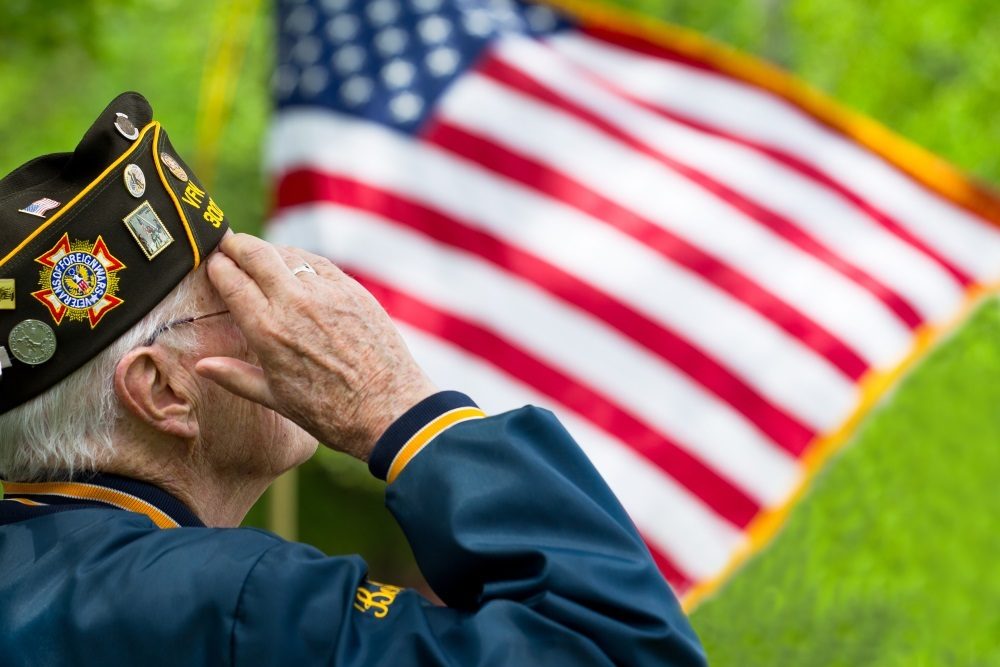
Independence Day provides us with an opportunity to remember those who have given so much for their country. The veterans who have served in the spirit of preserving life, liberty, and the pursuit of happiness have made great sacrifices, and we need to take the time to express our gratitude.

Acknowledging Your Service

If you or a loved one are a veteran, we’d like to say a special thank you. We are thankful for your service and sacrifice. Also, we’d like to highlight an important issue that you need to be aware of: veterans’ burial benefits. It’s important that you are well-informed on the benefits that you are eligible for, as well as the restrictions and limitations that may apply.

Get answers to frequently asked questions, such as:

  • What are my burial benefits as a veteran?
  • Will the VA pay for my funeral?
  • What type of reimbursement or allowance does the VA provide for funeral expenses?
  • What benefits will my family members receive?
  • How do I ensure that my family receives my veterans’ benefits?
  • What happens if my non-veteran spouse or child dies first?
  • Does the VA cover the cost of transportation to a national or state cemetery?

For more information, visit this page.

[button color=”accent-color” hover_text_color_override=”#fff” size=”medium” url=”https://www.funeralbasics.org/veterans-burial-benefits-faq/” text=”Veterans’ Burial Benefits FAQ” color_override=”#27ccc0″]


Grieving During the Holiday Season

By AfterCare, Christmas, Exclude from Top Posts, Seasonal, Thanksgiving No Comments

The absence of a loved one during the holidays can bring extremely painful feelings to the surface. Just as you’ve found your groove in a “new normal,” the holidays come at you with a whirlwind of joy, good cheer, happiness, and all things family. Needless to say, the holidays can be an emotional roller coaster for grieving individuals. Having a plan for the holidays can make this time a little more bearable. First, it’s important to acknowledge that this holiday season will not be perfect. So, what is the next step for grieving in a healthy way during the holidays? Here are five actions you can take to help heal your heavy heart:

Save a Seat

Some individuals feel sad or frustrated when a loved one’s missing presence goes unacknowledged during the holidays. They might feel as if the person they love has been “forgotten” or “left behind.” One way to include your loved one into the holiday festivities is by dedicating a specific seat at the dinner table or a spot on the couch in the living room just for them. Consider decorating the memorial area to make it more personable. For example, light a candle, set a place at the table, or fill a space with photos of your loved one and surround it with their favorite flowers or holiday decorations. Having a designated place to honor your loved one allows you to acknowledge the absent family member without feeling like they are being ignored or excluded from your holiday activities.

Keep Traditions (or Try a New One)

Sometimes it takes more than a visual reminder to keep the legacy of your loved one alive during the season. You might find comfort in keeping sacred traditions you shared with your family member prior to their passing. Cooking their favorite dish to serve at the family feast or watching their beloved classic film before bed can bring back happy memories of times once spent together. Keep in mind that new traditions can also be helpful if old traditions are too painful to face. Whatever you decide to do, setting aside time for activities that can be both joyful and painful are healthy ways of coping with your loss.

Take Time to Reminisce

Remembering the past can be bittersweet for grieving hearts. You might find talking about past times with your loved one can be an effective way of coping with your loss. Find pictures from some of your favorite memories and share the stories behind them with a family member or friend who you feel comfortable with. If you are not quite ready to openly talk about the past, scrapbooking is a creative way to share memories without having to speak a word. Another private option is to share your feelings and reminisce with the love one you miss through a letter. Transferring thoughts of memories into words may be painful, but processing them into words can assist in the healing journey.

Call a Time Out if You Need To

The hustle and bustle of the holiday season can leave anyone physically and emotionally drained. You might feel especially fatigued if you are grieving during the holiday chaos. It is essential to take time away from the commotion and schedule in some time for restful activities that you enjoy. You may want to take a walk, splurge on a massage, listen to meditations on grief and healing after loss, or curl up with a cup of coffee and a good book. Give yourself time to process your emotions and refresh your spirit so you are better able to navigate the hectic pace of the season.

Give Back

Holidays are known for being a time of selflessness. A grieving heart can make the idea of giving seem exasperating and exhausting. However, if you find a cause your loved one was passionate about, you may find that giving in their honor is an outlet for your emotions. Giving can come in many different forms. If you feel capable, volunteering your time can be a great way to make a difference and keep your mind at work. Sign up to ring the bell for Salvation Army or volunteer at a donation center. If physical work is too strenuous or you are on a tight schedule, giving your resources can also be beneficial. You could gather donation items like canned goods or sweaters and blankets to give to local charities or join a local Toys for Tots or Angel Tree program.

Try to choose a cause that doesn’t require an extra errand. Financial contributions are always appreciated if that method of donation is more preferable for your family. You can do any of these activities or contributions in honor of your loved one, helping you continue their legacy, cope with your grief, and actively help those in need.

The holidays will never be the same. Going forward, the challenge will be finding a healthy balance between joy and sadness, tears and laughter, activity and rest. Remember to pace yourself, take care of yourself, and don’t take on more than you can handle.

Skip to content