Sometimes, it’s hard to know what to think or how to process a loss that hurts so deeply it takes your breath away. That’s where traditions and rituals can help.…

Mother opened her eyes and stared, unblinking, at the vase of daffodils on the table beside her hospital bed. “Who sent these beautiful flowers?” she asked in a barely audible…

All kinds of documents require that you list an emergency contact. But why? Because the unexpected happens, and at some point, you’re going to need a trustworthy person to represent…
Sometimes, it’s hard to know what to think or how to process a loss that hurts so deeply it takes your breath away. That’s where traditions and rituals can help. Healing actions help us to express our deepest thoughts about life’s most significant events. Special ceremonies like graduations, weddings, and baby dedications involve rituals that help us mark important milestones in life. Similarly, when a loved one dies, traditions can also help us mark a significant event, spend time remembering a loved one, and find healing.

When you lose a loved one, you can use symbolic acts to honor and remember their life and memory. This could mean that you watch their favorite movie every year or that you place their stocking on the mantel during the holidays. These small, symbolic acts help you to remember that a loved one is always with you in your heart.
Dr. Alan Wolfelt, renowned grief counselor and educator, is often quoted as saying, “When words are inadequate, have a ritual.” During times of grief, you will need an outlet for expressing your deepest emotions, and words may not be enough. After all, when a loss occurs, the wound may be so deep that you simply cannot find the right words to express it. In times of great distress, a ritual can be more comforting and healing than a thousand eloquent words.

Funerals, visitations, candlelight services, memorial events, and celebration of life ceremonies can help you feel a certain solidarity with others who are sharing your grief and loss. There’s a unique sense of comfort from knowing that you’re not alone and that others are supporting you on the journey through grief.
So, why are rituals and traditions so effective? They can bring healing to the wounded heart and help you feel connected to others and supported by the presence of loved ones. Rituals are also a way to express deep emotions as you search for healing and reconciliation after a loss.
Put an open place setting at the table or set up a memorial display area at home and light a candle when you want to honor the memory of a loved one. You can light a candle every day or only on special occasions, such as birthdays, anniversaries, or holidays. Lighting a candle symbolizes the light that your loved one brought to you and how they live on in your heart.
Family and friends may choose to gather on special occasions to share memories and honor a loved one’s life. This may occur on the first anniversary of the death, at family reunions, or on significant days like Mother’s Day or Father’s Day. During these gatherings, set time aside to allow people to talk together and share memories that bring comfort and joy.

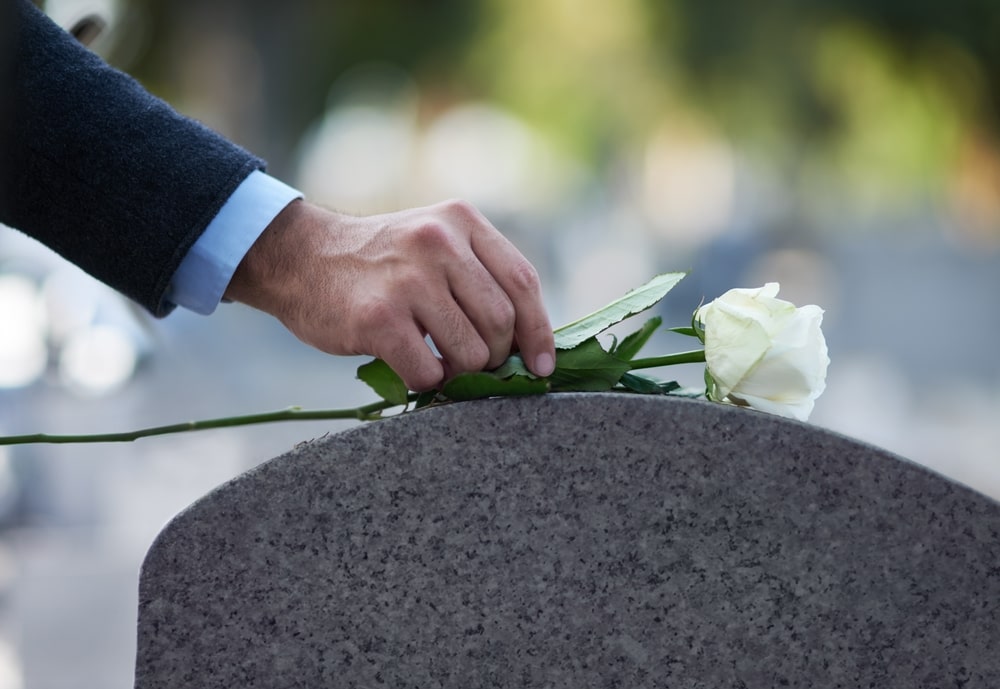
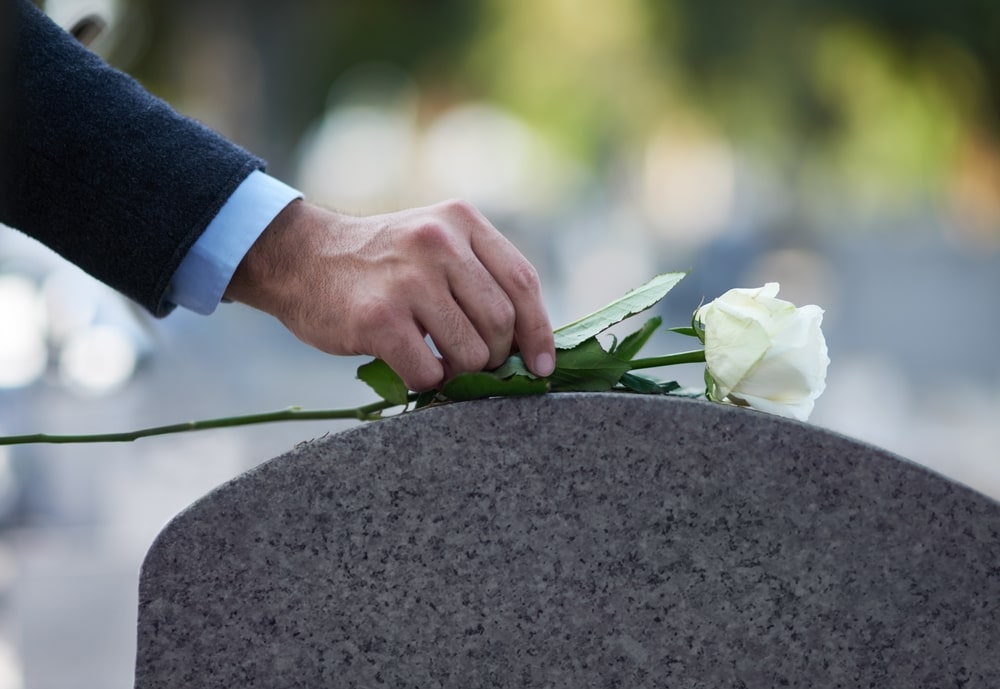
Some people find comfort in visiting the grave of their loved one, leaving fresh flowers, or simply spending time reflecting on the loss. Mourners often visit the grave on special days or on any day that they want to feel close to their loved one. No matter when you decide to visit, take this time to speak to your loved one and express what’s in your heart.
Certain community events, such as remembrance services around the holidays, can also bring comfort and healing. These events help us connect with other people who are also feeling the pain of a loss, which can bring a greater sense of peace. In addition to receiving support, these types of gatherings help you engage with your emotions and express what you’re feeling.

Sometimes a small keepsake, like a watch, jewelry, or a small heirloom, can be a sweet reminder of a loved one. If you don't have a specific keepsake, you could select memorial jewelry that holds a lock of hair or is engraved with a loved one’s fingerprint. A remembrance item serves as a daily reminder that can bring comfort when you feel a loved one’s loss most keenly.
Now, these are just some ideas to get you started. There are so many rituals and traditions you could incorporate into your grief journey. Volunteer every year at a non-profit your loved one championed. Bake their favorite dessert on their birthday. There are so many possibilities. Spend some time thinking about what would be meaningful to you. Talk with your family members. Together, you will identify ways you can use ritual and tradition to bring healing to your hurting heart.
Mother opened her eyes and stared, unblinking, at the vase of daffodils on the table beside her hospital bed. “Who sent these beautiful flowers?” she asked in a barely audible voice.
“No one sent them, Mother.” I squeezed her hand. “I picked them from your yard. It’s March—Daffodil Month.”
She gave me a weak smile. “Promise me something?”
I nodded. I’d promised a lot since we’d come to accept that the cancer in Mother’s pancreas would soon take her life.
“Promise that before you sell my house, you’ll dig up my daffodil bulbs to plant in your yard.”
I tried without success to hold back my tears. “I’ll do that, Mother. I promise.” She smiled and closed her eyes, lapsing again into the twilight fog that characterized the last days of her life.
Before Daffodil Month ended, Mother was gone. And in the weeks that followed, weeks so grief-filled that my siblings and I resembled nothing so much as walking zombies, we emptied her house, painted, washed windows, cleaned carpets, and listed the home we’d grown up in with a real estate agency. We hired a neighborhood boy to take care of the yard.
And I gave the daffodils, which had long since quit blooming, not a single thought until a day in late autumn when the house was finally to be sold. My brother and sister and I were to meet the buyers to sign papers early on a morning that I knew would be filled with conflicting emotions. On the one hand, it was good to be out from the burden of owning an empty house. On the other, we would soon be turning over the keys to our family home to strangers.
Strangers who, I was certain, could never love it as much as we did.
Would this new family cook Fourth-of-July hamburgers on the brick patio grill my dad had built so many summers ago? Would their children spend fall afternoons raking the leaves under the giant maple tree into a mile-high pile to jump in? Would they figure out that one corner of the family room was the perfect spot for a Christmas tree? And would they be amazed at what pushed its way out of the ground in Mother’s yard every spring?
Crocuses. Flowering onions. Hyacinths. And hundreds and hundreds of daffodils.
Daffodils! Eight months later, I suddenly remembered the promise I had made my mother as she lay dying. I tossed a shovel and a cardboard box into the trunk of my car and headed for the house and yard that would, in just a couple of hours, belong to someone not related to me.
There was no sign of daffodils anywhere, of course. They had long since been mowed down and were now covered with leaves. But I knew where they were. Ignoring the fact that I was overdressed for gardening, I plunged the shovel’s point into the dirt, lifting out a clump of bulbs, and tossed them into the box. Working my way down the fence line, I harvested dozens of daffodil bulbs.
But I left more than I took, certain that the family who’d bought my mother’s house would take delight in her lovely harbingers of spring.
As do I. It’s been more than five years now since my mother passed away. But every March, I gather armloads of the bright yellow blossoms from my own yard and put them into vases. Some I use to decorate my house. Others I take to the cancer wing at a nearby hospital.
“Who sent these beautiful flowers?” a dying patient might ask.
And I will squeeze his or her hand and look into eyes clouded by that all-too-familiar twilight fog and speak words that I believe with all my heart to be true. “My mother sent them, especially for you,” I’ll reply. “It’s Daffodil Month, you know.”
From the book Chicken Soup for the Soul: Grieving and Recovery by Jack Canfield, Mark Victor Hansen & Amy Newmark. Copyright 2011 by Chicken Soup for the Soul Publishing, LLC. Published by Chicken Soup for the Soul Publishing, LLC. Chicken Soup for the Soul is a registered trademark of Chicken Soup for the Soul Publishing, LLC. Reprinted by permission. All rights reserved.