
Hospice patients and their families carry a tremendous emotional weight during the transition to end‑of‑life care. During the difficult moments, they often seek joyful moments and opportunities for meaningful experiences to help alleviate the stress that comes with this trying time.
While hospice care alone is designed to improve quality of life for terminally ill patients, pet therapy can add a powerful source of connection and comfort. But what is pet therapy, and how does it benefit hospice patients?
 What is Pet Therapy?
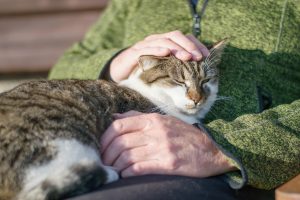
Pet therapy provides hospice patients with comfort and support through companionship with a qualified furry or feathered friend. This kind of therapy uses animals to lift the spirits of those who are facing life’s final chapter and dealing with the anticipatory grief that accompanies it. Also referred to as animal-assisted therapy, or AAT, pet therapy provides animals that are trained to help reduce stress, improve overall mood, and promote physical activity for those in hospice care.

How Can Hospice Patients Benefit from Pet Therapy?
1. Emotional Encouragement
Pets bring joy by improving moods, decreasing feelings of isolation, and providing companionship to even the most difficult-to-reach patients. This type of therapy provides a sense of purpose for patients and can help reduce negative feelings towards other forms of therapy, like physical or occupational, when they have a furry friend alongside them.
2. Mental Support
Pet therapy increases mental stimulation and has the potential to evoke cherished memories of a beloved pet or childhood experience. Companionship from a therapy animal can release hormones like oxytocin, serotonin, and prolactin, boosting moods and promoting relaxation.
3. Physical Benefits
Pet therapy also has proven physical health benefits. Studies show that petting an animal can lower blood pressure, decrease heart rate, and promote overall well-being. Additionally, when a therapy pet is around, hospice patients are generally more motivated to exercise by playing, cuddling, petting, or walking their animal companion. And in some cases, a therapy animal can even assist with physical and occupational therapy.
4. Social Empowerment
Animal-assisted therapy visits reduce loneliness and boredom by providing a companion that patients can form a different type of connection with, offering them an outlet for their emotions. Sometimes, patients who don’t readily engage with others will open up and interact more easily with an animal. This can be especially beneficial for those with dementia or Alzheimer’s who might struggle to communicate comfortably.
Overall, pet therapy offers a range of advantages to address various needs among hospice patients. They can bring joy, comfort, and a sense of fun companionship to those who may feel lonely or are in search of connection. All patients, regardless of allergies or mobility restrictions, can benefit from the program and experience the company and joy of engaging with compassionate animals.

Which Animals are Commonly Used in Pet Therapy?
Dogs
Dogs are great at sensing subtle human emotions and using their presence to bring comfort. Fully trained therapy dogs and their handlers can visit hospice patients a couple of times a month, or sometimes weekly, to provide companionship and build relationships.
Cats
Cats bring a playful, loving, and quiet presence and are among the most requested pet therapy animals. While cats cannot be trained in the same way therapy dogs are, they can learn specific cues and perform tricks to bring joy to those receiving hospice care.
Miniature Horses
Miniature horses, now the second most common therapy animal, are ideal for individuals who need a calm and gentle companion. Considered a light activity, grooming and petting a miniature horse provides sensory input and supports motor skills.

Rabbits
Rabbits are a great alternative for patients who are allergic to cats or dogs. They can fit in someone’s lap as a cuddly companion for plenty of petting, which is a comforting activity that provides great tactile stimulation.
Birds
Birds are fun and unique therapy companions. Although they require a great deal of training before being ready to serve, their cheerful behavior brings a lot of entertainment and laughter to patients and their families.
Pigs
Pigs are highly social and intelligent animals that can easily pick up on a person’s emotional state. They can also lend a helping hoof with physical and occupational therapy, supporting patients who are working on mobility!

What are the Benefits for Family Members?
While it can be heartbreaking to witness the mental and physical decline of a loved one, pet therapy offers a unique source of comfort and joy, not only for patients but also for their families and caregivers. The playful nature of a cat, the cheerful chirp of a bird, or the soothing presence of a rabbit can create memorable moments that might otherwise feel out of reach.
These interactions often provide families with rare opportunities to connect meaningfully, such as when a loved one lights up at the sight of an animal after being difficult to engage person-to-person. Or someone who grew up around horses but now struggles with communication may experience a flood of cherished memories when meeting a miniature horse, turning an ordinary day into something extraordinary. Such encounters can bring joy to the patient’s family and remind them of the profound impact of meaningful connection.

As pet therapy grows in popularity, research reveals increasingly unique and powerful connections. This form of therapy has been proven to lift patients’ spirits and create meaningful opportunities for connection, thereby improving their mood and supporting other types of therapies they may require. The benefits of pet therapy are astounding, so if you have a loved one currently in hospice care, consider speaking with your hospice care team about inviting a therapy animal for a visit.