
When deciding your funeral preferences, you might be wondering what options are available. Natural organic reduction (NOR) is a green funeral option that you may not know much about. Today, let’s talk about what it is and how the process works.

What is Natural Organic Reduction?
To keep it simple, natural organic reduction is the process of transforming human remains into nutrient-rich soil through controlled natural decomposition. Washington State was the first to legalize natural organic reduction, and other states have followed suit since then. Both gentle and sustainable, natural organic reduction is becoming an eco-friendly alternative to classic burial and cremation.
What’s the Process for Natural Organic Reduction?
As you might guess, there are a few steps to the natural organic reduction process. It takes time and precision to turn the human body into perfectly balanced, nutrient-rich soil.

Step 1: Preparation of the Body and the Vessel
Body preparation: As with any form of final disposition, the body must always be prepared. For natural organic reduction, this means washing the body and placing it in a compostable garment. Because natural organic reduction is a green practice, there is no embalming or restorative work done on the body. It’s a simple cleansing and clothing process before keeping the body cool with regulated temperature conditions.
Vessel preparation: In addition to preparing the body, the vessel must also be made ready. The “vessel” is the pod/container where the body will go through the natural organic reduction process. Based on the person’s body weight, the vessel is filled with wood chips, alfalfa, and straw. These natural materials will aid in the decomposition process over the coming weeks. Once the vessel is ready, the prepared body is placed inside and covered with more natural material.

Step 2: The “Laying In” Period
Once the body is sealed in the vessel, it will remain there for roughly five to seven weeks. The timeline varies depending on the provider you use. During the laying in period, the microbes in the wood chips, alfalfa, and straw speed up the decomposition process and create change at a molecular level.
By controlling the ratio of carbon, nitrogen, oxygen, heat, and moisture inside the vessel, providers can create the perfect environment for microbes and beneficial bacteria to thrive. Additionally, staff will occasionally rotate the vessel to ensure that every corner of the vessel receives proper air flow. The aeration (oxygen circulation) combined with the microbes cause the body and the plant material to break down and become soil.
Let’s break down each element a little more:
- Aeration – The straw, wood chips, and other organic material need oxygen to promote microbial activity, which is necessary for decomposition.
- Moisture Control – Too much moisture can hinder the decomposition process, so vessels are monitored to ensure they maintain the proper moisture levels.
- Temperature Control – In addition to moisture, temperature must also be closely monitored; generally, an optimal temperature of between 131°F and 160°F is maintained throughout the process.
Every aspect of the laying in period is closely monitored to ensure that each element of the process runs smoothly, from start to finish.

Step 3: The “Curing” or “Resting” Period
Once enough time has passed, the soil is removed from the vessel and screened for non-organic items, like hip replacements or stents. The soil is then placed in a separate container (perhaps a cube or a bin) where it will cure or rest for another three to five weeks.
During this resting period, the soil will cool and microbial activity will slow. Once the curing phase is complete, the soil is balanced, nutrient-rich, and ready to use in nature.
Step 4: The Soil Finds New Life
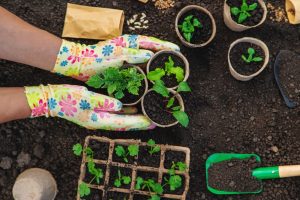
Finally, the soil is ready to find new life. It is free of toxins and contains no heavy metals or pathogens, making it safe for use in the natural world.
The family may choose to take the soil home and use it in their own garden or yard. Alternatively, they can donate it to a soil conservation non-profit, where the soil will be used to revitalize forests.
Wherever the soil finds a home, it will nourish new life and continue to benefit our world.
What’s Next?
Hopefully, you now have a fuller understanding of how the natural organic reduction process works. If you have additional questions, please speak with a trusted local funeral home that offers natural organic reduction. They will help you understand what your service options are (yes, you can still have a service!), personalization ideas, pricing, and much more.
You can click here to see if natural organic reduction is legal in your state. Also, check out “An FAQ Guide to Natural Organic Reduction” for answers to commonly asked questions.