After losing a loved one, you and your family will face a range of emotions and will each experience your own journey toward healing with unique needs. For many, seeing a loved one’s body in person following the death (often called a “viewing”) is a necessary and crucial part of the healing process.
If you’ve chosen to include a viewing, a team of people will prepare the body and ensure that your loved one looks just as you remember them. A mortuary cosmetologist is a key person assisting in the restoration and preparation process. But what is a mortuary cosmetologist, and how do you become one? Let’s talk about it.

What is a mortuary cosmetologist?
If a family is interested in an open-casket viewing, visitation, or funeral service, the body must be prepared in a specific manner. A mortuary cosmetologist, or mortuary makeup artist, is a professional who prepares the body for the family.
At the arrangement conference, the family will provide a reference photo for what their loved one looked like in life. Using the image, the mortuary cosmetologist will employ various techniques to temporarily restore the body to a familiar state. Then the family can view their loved one in a recognizable form. By providing this service, the mortuary cosmetologist ensures that the deceased is treated with dignity and looks as they did in life, which can bring comfort to the grieving family.
What methods does a mortuary cosmetologist use?
Through the restoration process, a mortuary cosmetologist may employ several different artistic techniques to ensure that your loved one appears as you remember them.
Applying creams and lotions
Through a combination of creams and lotions, the artist restores the skin on the face as much as possible. These creams focus on rehydrating and preserving the skin, as well as providing a base layer before makeup application. Additionally, if there is trauma to the face, a more specialized cream can be used to aid in restoration.
Applying makeup
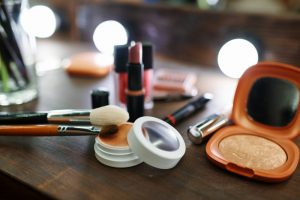
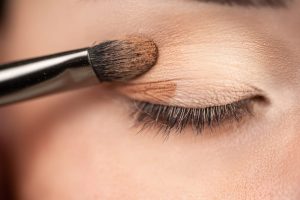
A mortuary cosmetologist uses professional makeup to help the deceased look more like themselves. This isn’t typical, everyday glam makeup. Instead, it is a special mortuary-grade makeup used to add color and give the skin a more lifelike look.
Fixing hair and nails
Another aspect of preparing the body for viewing is hairdressing and cleaning the nails. Families can request a specific hairstyle or nail color for their loved one. This act of care ensures that the body appears neat and respectable, making a loved one look more recognizable to the family.
Using prosthetics and wax
In some instances, prosthetics or wax may be required to restore and reshape a part of the face or body. The cosmetologist will make molds and repair damaged body parts to restore a loved one’s appearance as much as possible.
Are you interested in becoming a mortuary cosmetologist?
If mortuary cosmetology piques your interest, that’s great! However, there are some important aspects of the job you should consider. When deciding if mortuary cosmetology might be the right fit for you, ask yourself the following questions.
-
Do you have “the stomach” for this profession? Performing the duties of a mortuary cosmetologist is not for the faint of heart. Most importantly, you must feel comfortable working with corpses on a daily basis. Not everyone is suited for this profession, so consider it carefully.
-
Do you possess the necessary qualities? As a mortuary cosmetologist, you aren’t only interacting with the deceased but also with their families. During their time of need, you will need to be empathetic, supportive, and respectful to the families who are entrusting you with their loved one.
-
Is this a sustainable profession for you? As with any profession, you want something you can stick with for a long time, especially when there are classes and certifications involved. Consider whether mortuary cosmetology is sustainable for you and something you can commit to long-term.

How do you get started?
If you’re interested in pursuing the field of mortuary cosmetology, there are a couple of routes that will give you the required training to enter the industry.
Mortuary Science degree
One way to become a mortuary cosmetologist is to obtain a Mortuary Science degree. By earning this degree, you will learn about different processes, including embalming and the preservation of remains. While embalming is not always a necessary skill for a mortuary cosmetologist, it is beneficial to know about the process and what it might mean for you as an artist.
Additionally, due to the nature of the job, a mortuary cosmetologist must be very familiar with human anatomy. Choosing this route allows you to understand mortuary cosmetology from the perspective of a funeral director and anticipate what is expected in postmortem makeup.
Cosmetology degree
Another option for entering this field is obtaining your cosmetology license through a state-accredited cosmetology school. Typically, you will need to earn your Associate of Applied Science in Cosmetology. You could also complete a certificate program and then pass a certification test.
Through your training, you will learn the necessary skills required to apply makeup and fix hair. However, additional training in the restorative arts may be required to ensure that the skills are effectively translated to mortuary cosmetology.
One key benefit of this route is that it may make it easier to pursue a career in a different cosmetology field in the future. If mortuary cosmetology isn’t the best fit for you, you could work as a makeup artist or hairstylist in another field.
Both of these options provide the experience you will need to become a mortuary cosmetologist. Once you have the essential credentials, you can apply for a job through a hiring platform or, more commonly, by word of mouth. Roles vary from becoming a full-time mortuary cosmetologist for one funeral home to part-time at multiple locations.

Hopefully, you now have a deeper understanding of what a mortuary cosmetologist does and how to become one. Ensuring a deceased loved one looks their best can positively impact the grieving family. Plus, it can be a fulfilling career for the mortuary cosmetologist. If you are interested in becoming a mortuary cosmetologist, you can also speak to a local funeral home and see if they have any suggestions or advice.
Disclaimer: When pursuing your mortuary cosmetology certifications, always research the laws in your state, as they can vary significantly. Ultimately, whichever path you choose needs to fit your preferences and lifestyle.